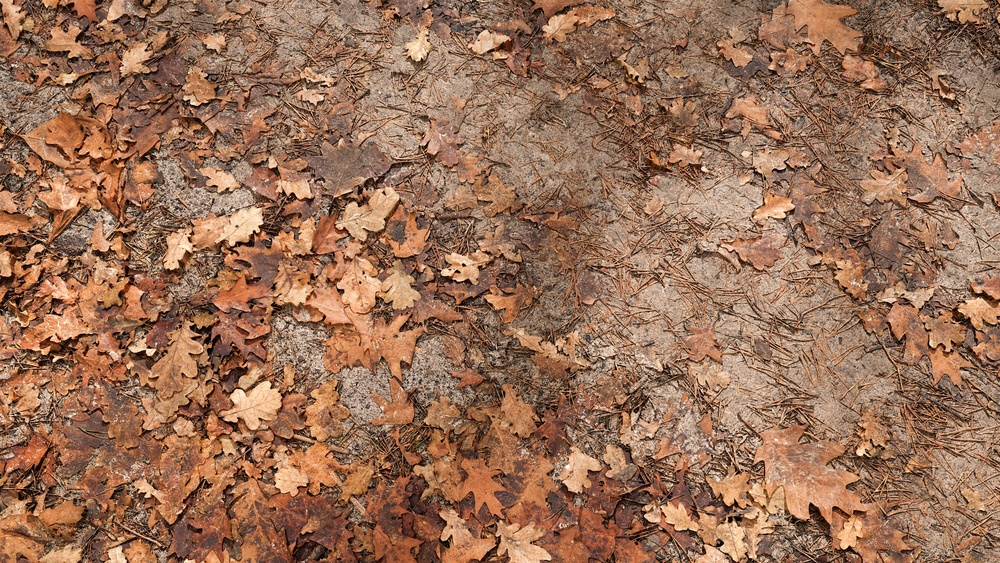

Have you ever paused to really look down at the forest floor beneath your feet? That rich, textured ground is more than just dirt and leaves—it’s a vibrant tapestry of life, color, and detail.
Whether you’re a designer, artist, or nature lover, understanding and capturing the forest floor texture can transform your work or deepen your appreciation for the natural world. You’ll discover why this often-overlooked surface holds so much visual and creative power—and how you can use it to bring your projects to life with authenticity and depth.
Ready to explore the hidden beauty beneath the trees? Let’s dive in.

Credit: gamesartist.co.uk
Forest Floor Basics
The forest floor is the foundation of any woodland ecosystem. It supports plants, animals, and fungi. Understanding its texture helps appreciate forest health and growth. The floor varies widely in appearance and composition. It changes with seasons, climate, and tree types. Exploring the basics reveals what makes this layer unique and vital.
Key Components
The forest floor consists of several main parts. First, there is the soil, rich in nutrients and organic matter. Next, fallen leaves and twigs cover the ground, creating a natural mulch. Dead plants and animal remains decompose here, recycling nutrients. Small plants and mosses also grow on this layer. These components work together to keep the forest alive and thriving.
Common Elements
Leaves, branches, and pine needles often blanket the forest floor. These elements create a soft, textured surface. Moss adds a green, velvety look in damp areas. Fungi, like mushrooms, appear as small spots of color. Rocks and roots break the surface, adding roughness. This mix of materials forms the complex texture seen on the forest floor.
Textures In Nature
Nature offers a rich variety of textures that inspire artists, designers, and nature lovers alike. The forest floor, in particular, presents a complex tapestry of tactile and visual elements. These textures create a sensory experience that connects us to the natural environment. Observing these details helps us appreciate the subtle beauty beneath the trees.
Patterns And Shapes
Forest floors display endless patterns and shapes. Fallen leaves create layered mosaics with jagged edges and soft curves. Twigs and branches scatter randomly, yet form natural lines that guide the eye. Moss patches add soft, rounded shapes that contrast with rough bark. These patterns repeat but never look the same, providing endless visual interest.
Natural Color Palettes
The colors on a forest floor come from earth tones and organic materials. Browns from soil and dead leaves mix with green moss and fresh shoots. Occasional reds and yellows from flowers or fungi add bright spots. These muted and vibrant colors blend to create a calming, natural palette. Such hues bring warmth and life to the forest ground.
Moss And Leaf Litter
The forest floor holds many secrets beneath its surface. Moss and leaf litter create a rich texture that supports life. These elements cover the ground with layers that protect and feed the forest ecosystem.
Role Of Moss
Moss acts like a soft carpet on the forest floor. It absorbs water and keeps the soil moist. This helps plants and animals survive during dry times. Moss also prevents erosion by holding the soil in place. Many small creatures use moss for shelter and food. Its green color adds a fresh look to the forest ground.
Types Of Leaf Litter
Leaf litter consists of fallen leaves, twigs, and bark. Different trees create different types of leaf litter. Oak leaves are thick and break down slowly. Pine needles are thin and acidic, affecting the soil’s pH. Maple leaves decompose quickly, adding nutrients fast. This variety supports diverse soil life and plant growth. Leaf litter also keeps the forest floor cool and moist.
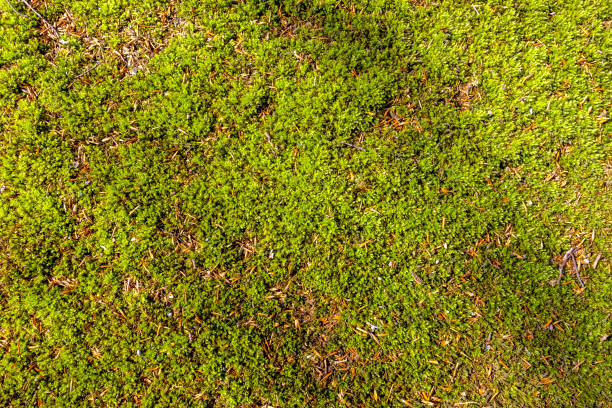
Credit: www.istockphoto.com
Soil And Organic Debris
The forest floor is a vital layer of nature, rich with soil and organic debris. This mix supports plant life and animals. It also helps recycle nutrients. The soil and debris create a unique texture that changes with seasons and location.
Understanding this texture gives insight into forest health and growth. It shows how life breaks down and rebuilds in the ecosystem.
Soil Texture Variations
Soil on the forest floor varies from sandy to clay-like. Sandy soil drains water quickly but holds fewer nutrients. Clay soil holds water well but may block air flow.
Loam soil, a mix of sand, silt, and clay, is best for most plants. It holds moisture and nutrients evenly. Texture changes with depth and nearby plants.
Different textures affect how roots grow and how animals live underground. Soil texture shapes the forest floor’s feel and function.
Decomposition Process
Organic debris like leaves, twigs, and dead plants break down on the forest floor. Tiny creatures and microbes eat this debris. They turn it into nutrients for the soil.
This slow process is called decomposition. It recycles life back into the forest. Warm and moist conditions speed up decomposition.
Fresh debris creates a soft, rich layer on top of the soil. Over time, it blends with the soil below. This process keeps the forest floor alive and fertile.
Forest Floor In Different Biomes
The forest floor varies greatly across different biomes. Each biome has unique conditions that shape the ground texture. The mix of plants, soil, and organic matter changes with climate and tree types. Understanding these differences helps appreciate forest ecosystems better.
Temperate Forests
Temperate forests have a rich, moist forest floor. Fallen leaves form a thick, soft layer. This leaf litter slowly decomposes, adding nutrients to the soil. Moss and small plants thrive in the shade. The ground is often dark and spongy. It supports many insects and fungi.
Coniferous Forests
Coniferous forests show a different floor texture. Pine needles cover the ground like a thin carpet. The soil tends to be acidic and less rich. Moss grows in patches, especially in damp spots. Fallen branches and cones add roughness to the floor. The texture feels dry and crumbly in many areas.
Tropical Forests
Tropical forest floors are dense and complex. A thick layer of leaf litter quickly breaks down. Warm, humid conditions speed decomposition. The soil remains moist and fertile. Roots, vines, and fallen logs cover much of the ground. The texture is uneven but rich with life. Many small animals and insects call this layer home.
Capturing Textures Digitally
Capturing the texture of a forest floor digitally requires attention to detail and the right techniques. The surface of the forest floor has many elements like leaves, moss, soil, and twigs. These elements create rich, complex patterns that tell a story of nature.
Digital capture helps preserve these details for use in design, art, and virtual environments. Using proper methods ensures the textures look natural and high quality. This section explores tips on photographing and creating seamless textures.
Photography Tips
Use natural light to highlight the texture’s depth and color. Early morning or late afternoon light works best. Avoid harsh midday sun that creates strong shadows. Keep your camera steady with a tripod. This prevents blur and keeps details sharp.
Choose a macro lens or close-up setting to capture fine details. Take photos from different angles to find the best view. Focus carefully on the texture’s surface. Shoot in RAW format for better editing flexibility later.
Creating Seamless Textures
Seamless textures repeat without visible edges. This is important for digital art and game design. Start by cropping your photo into a square. Use editing software to blend edges smoothly.
Clone or heal areas that disrupt the pattern. Test the texture by tiling it multiple times. Adjust colors and contrast to keep it natural. Save your texture in high resolution for best results.
Applications Of Forest Floor Textures
Forest floor textures add rich detail and realism to digital and visual projects. These textures capture the natural look of leaves, soil, moss, and twigs. They help create immersive environments that feel alive and authentic. Many industries use forest floor textures to enhance their work and improve user experience.
Video Games And Simulations
Forest floor textures bring game worlds to life. They create realistic ground surfaces for forests and parks. Players feel more connected to nature with detailed textures. Simulations use these textures to train and educate users in natural settings. This helps improve immersion and engagement in virtual environments.
Visual Effects And Animation
In movies and animations, forest floor textures add depth to scenes. They help artists create believable outdoor settings. Textures like leaves and dirt make scenes look natural and detailed. Animators use these textures to enhance backgrounds and close-up shots. This improves the overall visual quality of the production.
Architectural Visualization
Architects use forest floor textures to show landscaping ideas. These textures help clients see how outdoor spaces will appear. They provide a realistic view of gardens, parks, and natural surroundings. Using detailed textures makes presentations more convincing and clear. This aids in planning and design approval processes.
Resources For Textures
Finding the right forest floor texture can enhance your digital projects. Textures add depth and realism to designs. Resources for textures offer many options, both free and paid. These sources provide high-quality images suitable for various uses. Choose textures that fit your project’s style and needs.
Free Texture Libraries
Free texture libraries provide many forest floor textures at no cost. Websites like Poly Haven and OpenGameArt.org offer high-resolution images. These textures often come with licenses that allow commercial use. Freepik also provides free vectors and photos of forest floors. These sources help beginners and professionals alike access quality textures without spending money.
Commercial Texture Sources
Commercial texture sources offer premium, detailed forest floor textures. Platforms such as Poliigon and Textures.com sell professional-grade images. These textures often include PBR materials for realistic rendering. Paid options usually provide more variety and higher resolution. Investing in commercial textures can improve the quality of your final work.
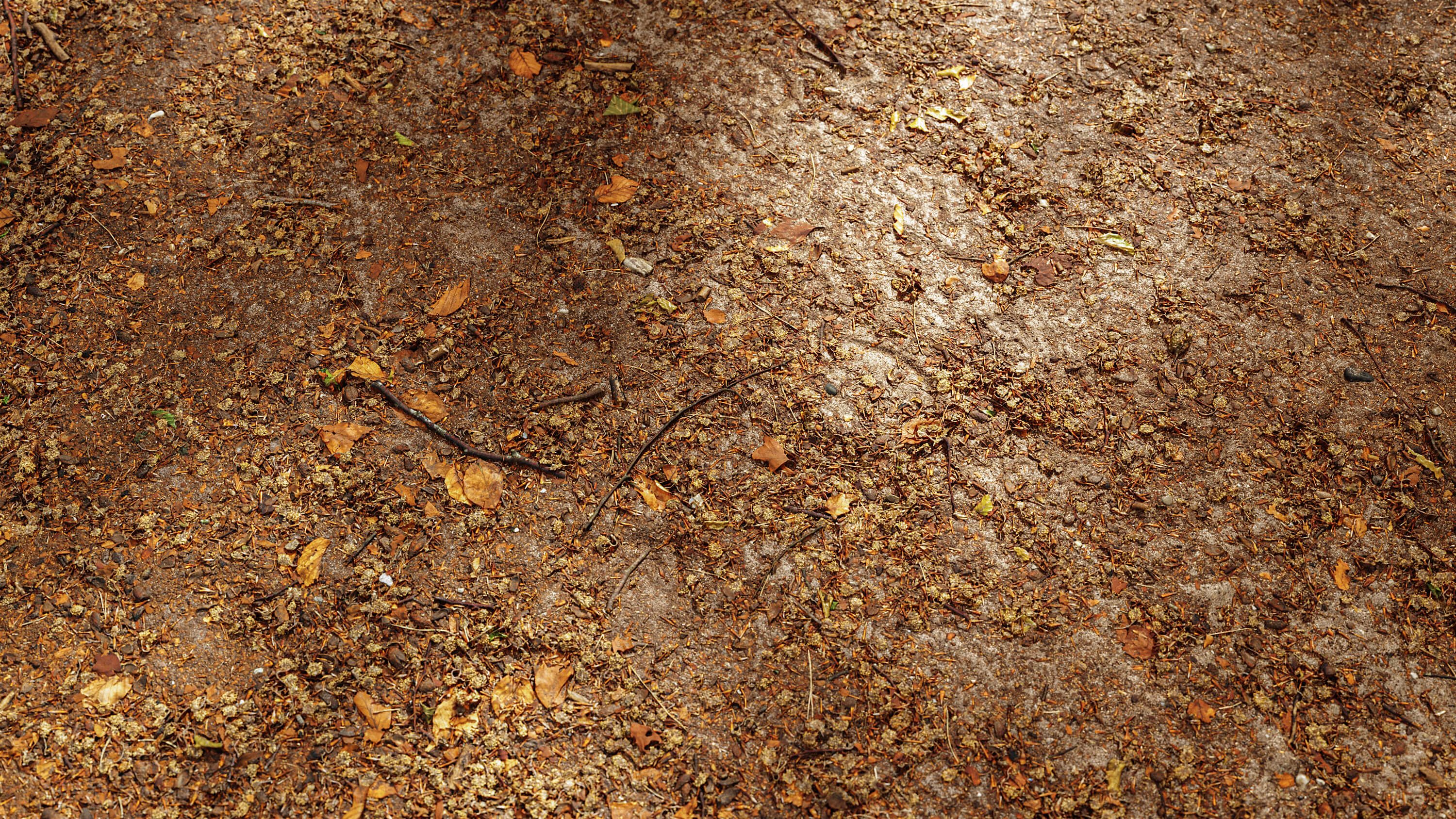
Credit: materialsoftheworld.com
Frequently Asked Questions
What Is Forest Floor Texture In Nature?
Forest floor texture refers to the natural surface features of the forest ground. It includes leaves, soil, moss, twigs, and decomposing organic matter creating a rich, varied, and tactile surface.
Why Is Forest Floor Texture Important For Ecosystems?
Forest floor texture supports biodiversity by providing habitat and nutrients. It aids soil moisture retention, supports decomposition, and fosters plant and animal life crucial for forest health.
How Can Forest Floor Textures Be Used In Design?
Designers use forest floor textures to create realistic environments in games, films, and visualizations. These textures add depth, natural aesthetics, and immersive experiences in digital and physical designs.
Where Can I Find High-quality Forest Floor Textures?
High-quality forest floor textures can be found on platforms like Poliigon, Textures. com, and FreePBR. These sites offer seamless, PBR, and free-use textures for creative projects.
Conclusion
Forest floor texture brings nature’s beauty to your designs. It adds depth and realism to any project. Using natural patterns creates a calming and organic feel. Whether for games, art, or visual effects, textures make scenes richer. Explore different types to find the perfect match.
Simple details on the forest floor tell a big story. Embrace these textures to enhance your creative work. The natural world offers endless inspiration and variety. Keep experimenting to capture the true essence of the forest.