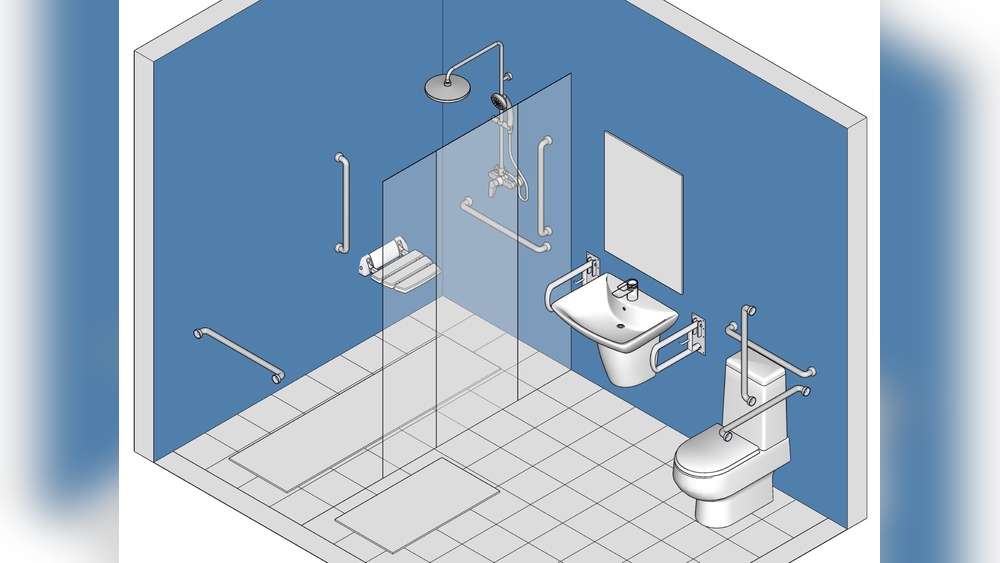

When it comes to designing a bathroom for the elderly, your focus should be on safety, comfort, and ease of use. You want a space where every step feels secure, where slipping or struggling is no longer a worry.
Imagine a bathroom that not only looks good but also supports independence and peace of mind every day. Whether you’re planning for yourself or a loved one, the right design choices can transform this essential space into a haven of safety and convenience.
Keep reading to discover simple yet powerful ideas that make a big difference in elderly bathroom design.
Safety Features
Safety is the top priority in bathroom design for the elderly. Bathrooms can be risky places due to wet surfaces and limited mobility. Proper safety features reduce falls and injuries. They help seniors maintain independence and confidence.
Simple changes can make a big difference. Installing safety tools supports balance and stability. Choosing the right materials prevents slips. Adjusting bathroom fixtures eases daily tasks. These features create a secure, comfortable space for older adults.
Grab Bars And Handrails
Grab bars offer strong support near toilets and showers. They help seniors stand up and sit down safely. Handrails along walls guide movement and prevent falls. Bars must be securely fixed to hold weight. They come in many styles and finishes to fit any bathroom design.
Non-slip Flooring Options
Non-slip floors reduce the risk of slipping on wet surfaces. Materials like textured tiles or slip-resistant vinyl work well. Rugs with non-slip backing add safety without moving. Flooring should be easy to clean and maintain. Choosing the right floor improves safety and comfort.
Raised Toilet Seats
Raised toilet seats make sitting and standing easier. They reduce strain on knees and hips. Some models have built-in armrests for extra support. Installing a raised seat is a simple upgrade. It improves bathroom use for seniors with limited mobility.
Walk-in Showers With Seating
Walk-in showers eliminate the need to step over high edges. This design lowers fall risks during entry and exit. Built-in or fold-down seats provide a safe place to sit while bathing. Shower seats increase comfort and reduce fatigue. Adding hand-held showerheads completes the setup for ease of use.

Credit: www.designcafe.com
Accessibility Enhancements
Accessibility enhancements make bathrooms safer and easier for elderly users. Thoughtful design helps prevent falls and supports independence. These changes improve comfort and usability every day.
Widened Doorways
Widened doorways allow easy access for walkers and wheelchairs. They provide enough space for smooth movement. This reduces the risk of bumps and accidents. Wider doors make the bathroom more user-friendly for all.
Adjustable Sink Heights
Adjustable sink heights fit different needs and abilities. They allow users to set a comfortable level. This helps people who sit or stand while using the sink. Adjustable sinks improve convenience and reduce strain.
Lever-style Faucets
Lever-style faucets are easier to use than knobs. They require less strength and simple hand movements. This is helpful for those with arthritis or weak grip. Levers provide quick and smooth water control.
Easy-to-reach Fixtures
Placing fixtures within reach reduces stretching and bending. Items like soap, towels, and light switches should be close. This lowers the chance of losing balance. Easy-to-reach fixtures add comfort and safety.
Lighting And Visibility
Good lighting is key for bathroom safety and comfort for the elderly. Clear visibility helps prevent falls and makes daily tasks easier. Proper lighting reduces eye strain and creates a welcoming space. Simple changes can improve safety and usability.
Bright, Even Lighting
Use bright lights that cover the whole bathroom. Avoid dark corners and shadows. Even lighting helps elderly people see clearly. Choose bulbs with a soft white color for comfort. Position lights above mirrors and near the shower area.
Night Lights And Motion Sensors
Install night lights to guide during late-night visits. Soft lights reduce glare and prevent confusion. Motion sensors turn lights on automatically. This feature helps when hands are full or vision is limited. Night lights and sensors increase safety and ease of use.
Anti-glare Surfaces
Glare can cause discomfort and poor visibility. Use matte finishes on walls and floors to reduce glare. Avoid shiny tiles or glossy paint. Anti-glare surfaces make it easier to see without squinting. These surfaces help elderly people move safely in the bathroom.
Stylish Design Elements
Stylish design elements in bathrooms for the elderly combine beauty with function. These choices create safe spaces that feel warm and inviting. Comfort and elegance should never be sacrificed for safety.
Durable materials last longer and require less upkeep. Thoughtful color schemes help with visibility and add charm. Fixtures blend style with ease of use, enhancing daily routines.
Modern Materials For Durability
Choose materials that resist water, stains, and wear. Porcelain tiles and quartz countertops offer strength and easy cleaning. Non-slip surfaces provide safety without looking plain.
Matte finishes reduce glare and add a modern touch. Stainless steel fixtures resist rust and stay shiny. These materials keep the bathroom looking fresh for years.
Color Schemes For Contrast
Use contrasting colors to highlight edges and fixtures. Dark tiles with light grout lines improve visibility of steps. Soft pastels mixed with bolder hues create a calm, clear space.
Wall and floor colors should differ enough to aid depth perception. Bright accents around handles and switches draw attention. Proper contrast reduces accidents by making features easy to spot.
Comfortable And Elegant Fixtures
Select fixtures that combine comfort with graceful style. Ergonomic faucets and lever handles require less strength to operate. Raised toilets and grab bars come in sleek designs.
Vanities with rounded edges prevent injuries and look smooth. Walk-in showers with frameless glass add a modern feel. These fixtures support independence while enhancing the room’s beauty.
Smart Technology Integration
Smart technology plays a vital role in making bathrooms safer and easier for elderly users. It supports independence and enhances comfort. Integrating smart devices helps reduce risks and simplifies daily routines. Smart features adjust to individual needs and provide peace of mind.
Voice-activated Controls
Voice commands allow elderly users to control bathroom devices hands-free. They can adjust water temperature, turn on fans, or play music using simple phrases. This reduces the need to reach switches or knobs, lowering the risk of slips or falls. Voice systems respond quickly and work well for users with limited mobility.
Automated Lighting And Faucets
Motion-sensor lighting turns on lights automatically as someone enters the bathroom. This prevents fumbling in the dark and improves visibility. Automated faucets start and stop water flow without touching handles. This helps maintain hygiene and avoids water waste. Both features offer convenience and reduce physical effort.
Emergency Alert Systems
Emergency alert devices provide quick access to help if accidents occur. Sensors can detect falls or unusual movements and send alerts to caregivers or family members. Some systems include wearable buttons to call for assistance immediately. These systems increase safety and allow faster response in emergencies.

Credit: www.bathwraps.com
Space Planning
Effective space planning is key to creating a safe bathroom for elderly users. The design must allow easy movement and reduce the risk of falls. Thoughtful layout can enhance comfort and independence. It also supports daily routines without strain or difficulty.
Open Layouts For Mobility
Open layouts provide clear paths for walking aids and wheelchairs. Avoid tight corners and narrow spaces. Place fixtures to allow free movement around the room. Floor space should be uncluttered and even. This helps prevent trips and supports balance.
Storage Solutions Within Reach
Storage should be easy to access without bending or stretching. Use shelves and cabinets at a comfortable height. Keep daily essentials close to sinks and seating areas. Clear labeling of storage helps find items quickly. Avoid heavy doors or drawers that are hard to open.
Seating Areas And Rest Spots
Include sturdy seating spots for rest during tasks. Chairs or benches near the sink or shower offer support. Seating helps reduce fatigue and increases safety. Choose non-slip, stable furniture with armrests. Rest spots encourage longer, safer bathroom use.
Budget And Funding Tips
Planning a bathroom remodel for elderly needs can feel costly. Budgeting smartly helps make the project affordable. Knowing funding options can ease financial stress. This section shares practical tips on saving money and finding funds.
Cost-effective Remodeling Ideas
Choose simple upgrades that improve safety without high costs. Install grab bars and non-slip mats for stability. Replace shower heads with handheld models for ease. Use lever-style faucets to reduce strain on hands. Paint walls with bright, light colors to improve visibility. Avoid full demolition by reusing existing fixtures when possible. Small changes often make a big difference and save money.
Medicare And Insurance Considerations
Medicare usually does not cover bathroom remodeling. Some insurance plans may help if changes prevent falls or injuries. Check with your provider about coverage for medical equipment. Durable medical equipment like shower chairs or raised toilet seats may be covered. Ask for documentation from your doctor to support your claim. Keep all receipts and paperwork for insurance purposes.
Grants And Assistance Programs
Government and nonprofit programs offer financial help for home modifications. Look for grants focused on aging in place or disability access. Local community centers or senior agencies can guide you. Some programs offer loans with low or no interest. Apply early as funds may be limited. These resources provide valuable support for safe bathroom upgrades.

Credit: www.designcafe.com
Frequently Asked Questions
What Is The Best Bathroom Remodel For The Elderly?
The best bathroom remodel for the elderly includes grab bars, non-slip floors, walk-in showers, raised toilets, and wide doorways for easy access.
How Can I Make My Bathroom Elderly Friendly?
Install grab bars near toilets and showers for support. Use non-slip flooring and raised toilet seats. Ensure walk-in showers and wide doorways for easy access. Adjust sink heights for comfort. Keep the layout spacious to prevent falls and enhance mobility.
Does Medicare Cover Bathroom Remodeling For Seniors?
Medicare generally does not cover bathroom remodeling for seniors. Some exceptions apply if modifications are medically necessary and prescribed by a doctor.
How To Design A Bathroom For Aging In Place?
Design bathrooms with grab bars, non-slip floors, walk-in showers, raised toilets, and wide doorways for easy senior access and safety.
Conclusion
Designing a bathroom for the elderly improves safety and comfort daily. Simple features like grab bars and non-slip floors prevent falls. Easy access to showers and toilets supports independence. Bright lighting helps avoid accidents in dim spaces. Choosing user-friendly fixtures reduces strain and effort.
Thoughtful planning creates a space that feels secure and welcoming. Everyone deserves a bathroom that meets their needs well. Small changes make a big difference in elderly care. Prioritize safety without sacrificing style or convenience. A well-designed bathroom promotes confidence and peace of mind.