
When you think about transforming your space, the texture of your wood floor plays a huge role in setting the mood and style of your home. Wood floor texture isn’t just about looks—it’s about how your floors feel underfoot and how they interact with light and space.
Whether you want a sleek, polished finish or a rustic, natural vibe, understanding wood floor textures can help you pick the perfect option for your lifestyle. Ready to discover how the right wood floor texture can elevate your home’s comfort and beauty?
Let’s dive in and explore everything you need to know to make a confident choice.

Credit: www.havwoods.com
Wood Floor Types
Wood flooring adds warmth and style to any space. Choosing the right type affects durability and look. Three popular wood floor types offer different benefits and textures. Understanding these types helps you pick the best option for your home.
Solid Hardwood
Solid hardwood flooring comes from a single piece of wood. It has a natural grain that shows unique patterns. This type can be sanded and refinished many times. It lasts for decades with proper care. Solid hardwood adapts well to traditional and modern styles.
Engineered Hardwood
Engineered hardwood has a thin layer of real wood on top. Underneath is a core made from plywood or high-density fiberboard. This design makes it more stable in humid or changing climates. It looks like solid wood but resists warping better. Installation options include glue-down, floating, or nail-down.
Longstrip Plank
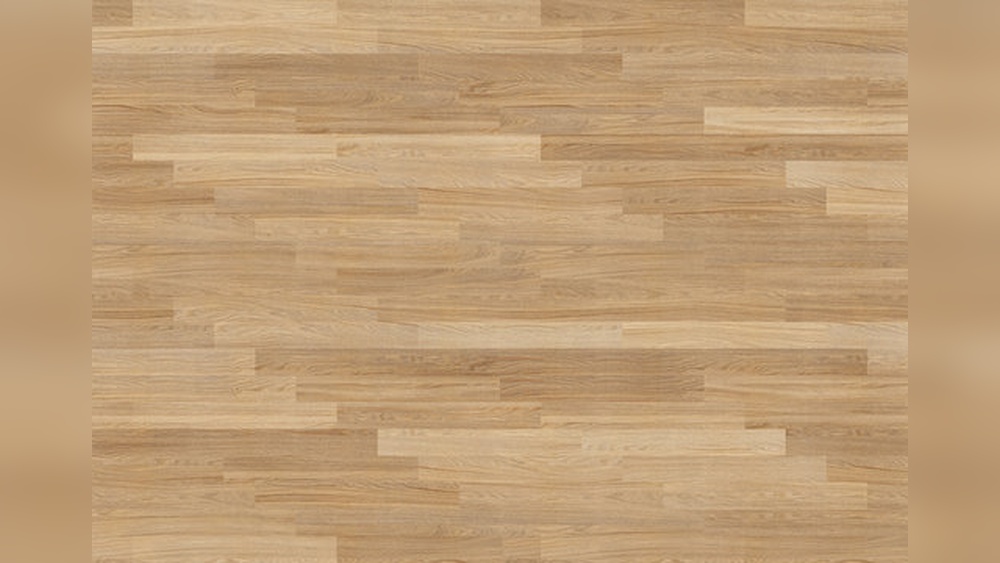
Longstrip plank is a form of engineered hardwood. Each plank is made from several narrow strips of wood. The strips are glued side-by-side to form a wider board. This creates a smooth, continuous texture across the floor. Longstrip planks offer a sleek, modern appearance with natural wood beauty.
Texture Styles
Wood floor texture adds character and depth to any room. Different texture styles create unique looks and feelings underfoot. Choosing the right texture can enhance the style of your home and complement your decor.
Texture affects not only appearance but also maintenance and comfort. Below are some popular wood floor texture styles to consider.
Smooth And Polished
Smooth and polished wood floors have a sleek, shiny surface. They reflect light beautifully, making rooms look brighter and more spacious. This style suits modern and minimalist interiors well. The smooth texture feels soft and comfortable underfoot. It is easy to clean but may show scratches more easily.
Hand-scraped And Distressed
Hand-scraped and distressed textures mimic natural wear and aging. These floors display unique marks, grooves, and dents. They add rustic charm and warmth to any space. This style hides dirt and scratches well, making it practical for busy homes. The texture offers a cozy, lived-in feel that many find inviting.
Wire-brushed And Matte
Wire-brushed floors have a subtle texture created by brushing the wood grain. This technique removes the soft wood between the grain lines, creating a tactile surface. The matte finish reduces shine for a natural, understated look. Wire-brushed and matte floors resist scratches and hide dust. They blend well with both traditional and contemporary designs.
Grain Patterns
Wood floor textures come alive through their unique grain patterns. These patterns create rhythm and character in any room. They also add depth and warmth to flooring. Understanding popular grain patterns helps in choosing the right style for your space.
Herringbone
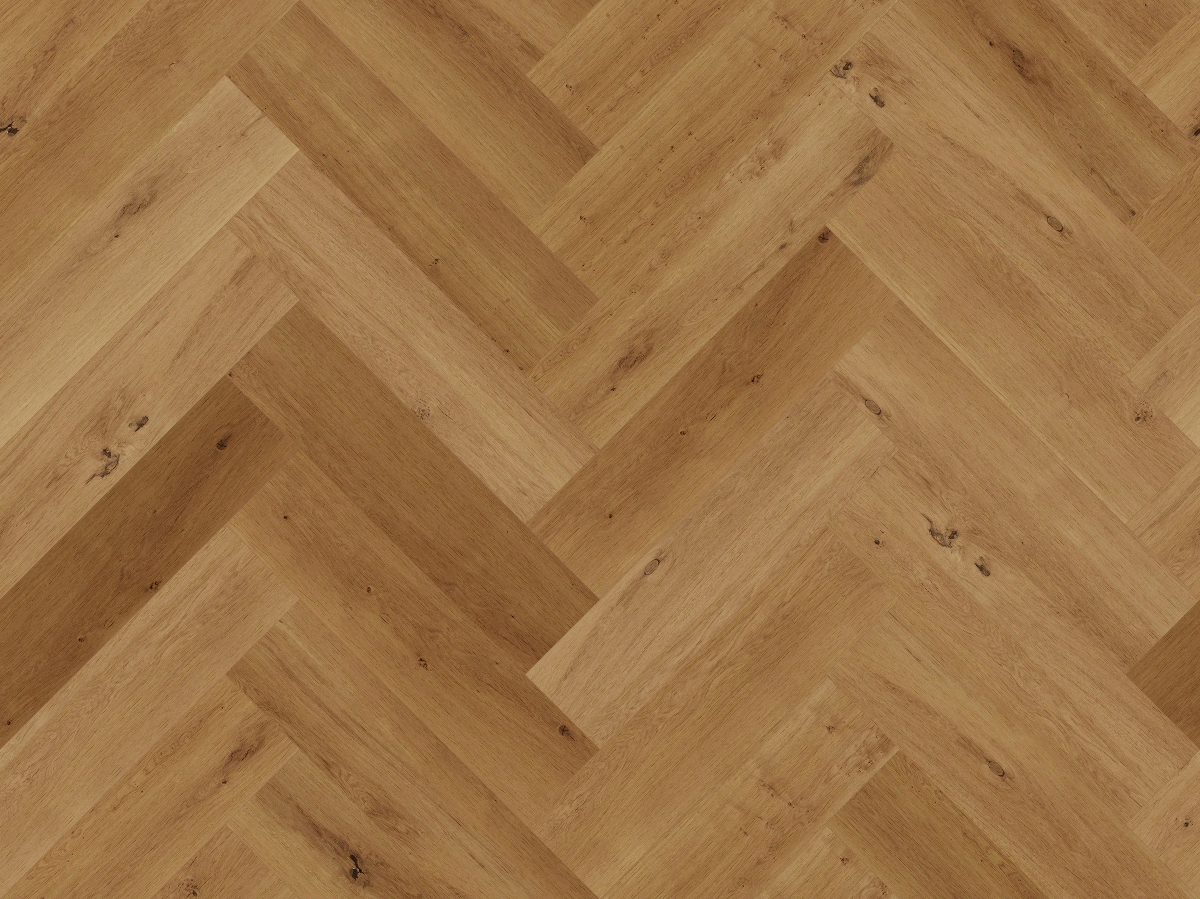
Herringbone features short wooden planks arranged in a zigzag pattern. Each plank meets at a right angle, forming a V shape. This pattern adds movement and elegance to floors. It works well in both modern and classic interiors. Herringbone offers a timeless look with a dynamic feel.
Chevron
Chevron is similar to herringbone but with a sharper, continuous V shape. The planks are cut at an angle to create a seamless flow. This pattern looks sleek and sophisticated on wood floors. Chevron brings a sense of direction and energy to a room. It is perfect for spaces needing a bold visual impact.
Parquet
Parquet flooring uses small wooden pieces arranged in geometric patterns. Squares, triangles, and other shapes form intricate designs. This style adds texture and artistic flair to floors. Parquet is often seen in traditional and formal settings. It offers a rich, crafted look with plenty of visual interest.
Wood Species Choices
Choosing the right wood species impacts the look and feel of your floor. Each wood type offers unique textures and colors. These differences affect how the floor complements your space and lasts over time. Consider wood species that fit your style and durability needs.
Oak And Maple
Oak is a popular choice for wood floors. It has a strong grain pattern and a warm color. Oak floors hide scratches well and wear evenly. Maple has a lighter tone and a smooth grain. It creates a clean, modern look. Both woods are durable and suit many home styles.
Walnut And Cherry
Walnut wood has a rich, dark color with deep grains. It adds elegance and warmth to rooms. Cherry wood starts light but darkens with age, gaining a reddish hue. It has a fine texture and smooth grain. Both woods bring a classic, sophisticated feel to floors.
Exotic Woods
Exotic woods like Brazilian cherry and tigerwood offer bold colors and patterns. These woods stand out with unique textures and rich tones. They tend to be very hard and durable. Exotic woods create a striking floor that becomes a room’s focal point.
Color Finishes
Color finishes play a key role in defining wood floor texture. They highlight the natural beauty of the wood grain. Different finishes change the mood and style of a room. Choosing the right color finish can make your floors look warm, modern, or rustic.
Natural And Light Tones
Natural and light tones keep the wood’s original look. These finishes show off the grain and texture clearly. They brighten rooms and create a fresh, airy feel. Light finishes work well in small spaces to open them up. They suit modern, Scandinavian, and minimalist designs.
Dark And Rich Hues
Dark and rich hues add depth and drama to wood floors. These finishes bring out the wood’s character with bold color. Dark floors create a cozy, elegant atmosphere. They pair well with traditional and classic interiors. Be careful, as dark floors can make rooms feel smaller.
Whitewashed And Grey
Whitewashed and grey finishes give wood a soft, weathered look. These tones add a rustic or coastal charm. They tone down the wood’s natural color for a subtle effect. Grey and whitewashed floors fit well with farmhouse and industrial styles. They keep spaces light without losing texture.
Installation Options
Choosing the right installation method is key for wood floor texture and durability. Each option suits different types of wood flooring and room conditions. Understanding these methods helps you pick the best fit for your space.
Nail-down
This traditional method uses nails to fix wood planks to a wooden subfloor. It provides a strong, stable hold that lasts for years. Nail-down works best with solid hardwood floors. It allows the wood to expand and contract with temperature changes. This method requires a flat, clean subfloor for best results.
Glue-down
Glue-down installation uses strong adhesives to attach wood flooring to the subfloor. It works well on concrete or plywood bases. This method reduces noise and adds extra support. Engineered hardwood often uses glue-down installation. Proper adhesive choice ensures the floor stays secure without damage.
Floating Floors
Floating floors are not attached to the subfloor. Instead, planks click together and rest on a cushioning underlay. This installation is fast and easy to repair. It suits both engineered and laminate wood floors. Floating floors are ideal for areas with moisture or uneven subfloors.
Maintenance Tips
Maintaining the beauty of wood floor texture requires regular care and attention. Proper maintenance keeps floors looking fresh and extends their lifespan. Simple steps can prevent damage and preserve the natural charm of wood.
Cleaning Best Practices
Use a soft broom or vacuum with a hardwood floor attachment to remove dust. Avoid harsh chemicals that can dull the finish. Clean spills immediately with a damp cloth to prevent stains. Use a wood floor cleaner designed for your floor type. Avoid using excessive water to prevent warping or swelling.
Scratch Repair
Minor scratches can be fixed with a wood floor touch-up marker or crayon. Match the color closely to blend repairs seamlessly. For deeper scratches, use wood filler and lightly sand the area. Apply a matching finish to restore the floor’s look. Place felt pads under furniture legs to prevent new scratches.
Refinishing
Refinishing restores the floor’s surface by sanding away the old finish. This process removes deep scratches and signs of wear. Apply a new stain and sealant to protect the wood. Refinishing should be done every few years or as needed. Hire a professional for best results on large or delicate areas.
Credit: castlebespokeflooring.com
Design Ideas
Wood floor texture plays a big role in defining a room’s style. It adds warmth and character. Choosing the right texture can change the whole look. Different design ideas use wood textures in unique ways. Below are some popular styles to inspire your space.
Modern Minimalist
Modern minimalist design favors clean lines and simplicity. Smooth, light wood floors work best here. A matte finish keeps the look soft and natural. Wide planks with subtle grain create an open feel. This style pairs well with neutral walls and simple furniture. The wood texture adds warmth without clutter.
Rustic Charm
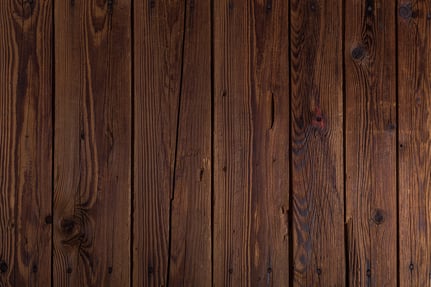
Rustic charm embraces natural, rough textures. Distressed or hand-scraped wood floors fit this style perfectly. Darker tones or mixed shades bring out a cozy, lived-in vibe. Knots and cracks in the wood add character. This look matches well with vintage furniture and natural fabrics. The texture creates a welcoming, homey space.
Classic Elegance
Classic elegance calls for polished and refined wood textures. Glossy finishes highlight rich, deep wood grains. Narrow planks or herringbone patterns add timeless sophistication. This style suits formal rooms with ornate furniture and soft lighting. The wood texture enhances luxury and tradition in the design.
Sustainability Factors
Choosing wood floor textures involves more than just style. Sustainability plays a key role in today’s flooring choices. Sustainable wood flooring helps protect forests and reduces environmental impact. It supports healthier indoor air quality and promotes responsible forest management. Understanding sustainability factors ensures your wood floor is both beautiful and eco-friendly.
Eco-friendly Materials
Eco-friendly wood flooring comes from trees that grow quickly. Bamboo and cork are popular sustainable options. These materials regenerate fast and require fewer resources. They have low emissions and do not harm ecosystems. Using eco-friendly wood reduces your carbon footprint and helps conserve natural resources.
Reclaimed Wood
Reclaimed wood uses old wood from buildings or furniture. It saves trees by reusing existing materials. This wood often shows unique textures and character. Reclaimed wood reduces waste and lowers demand for new lumber. It is a smart, stylish, and green choice for flooring.
Certifications
Look for certifications to ensure wood is sustainable. The Forest Stewardship Council (FSC) is a trusted label. It guarantees wood is harvested responsibly. Other certifications include PEFC and SFI. Certified wood supports ethical forestry and protects wildlife habitats. Choosing certified wood gives peace of mind and supports forest health.
Credit: architextures.org
Frequently Asked Questions
What Are The Three Types Of Wood Flooring?
The three types of wood flooring are solid hardwood, engineered hardwood, and longstrip plank. Solid hardwood is a single wood piece. Engineered hardwood has a real wood top layer over plywood or fiberboard. Longstrip plank features narrow wood strips side-by-side in engineered construction.
What Is The Current Trend In Wood Flooring?
Current wood flooring trends favor wide planks, natural finishes, and sustainable materials, blending style with durability and eco-friendliness.
What Is Wood Texture Called?
Wood texture is called “grain. ” It shows the natural patterns and lines formed by wood fibers. Grain varies by species and cut.
How To Add Wooden Texture?
To add wooden texture, select a wood texture image or material. Apply it using design software or paint tools. Adjust scale and lighting for realism.
Conclusion
Wood floor texture adds warmth and character to any space. It creates a natural, inviting feel underfoot. Choosing the right texture can enhance your home’s style. Smooth finishes offer a sleek look, while rough textures bring rustic charm. Understanding wood types helps you pick the best option.
Proper care keeps your floors looking fresh and beautiful. Wood floors combine durability with timeless appeal. They suit many design styles and personal tastes. A well-chosen wood texture makes a lasting impression.