
When it comes to choosing the perfect floor tiles, texture plays a huge role in transforming your space. You might think it’s just about color or pattern, but the feel and look of tile textures can completely change the vibe of your room.
Whether you want a sleek modern finish or a rustic, natural look, understanding floor tiles textures helps you make the best choice for your home or project. Ready to discover how the right texture can add depth, style, and even safety to your floors?
Keep reading to unlock the secrets behind floor tiles textures and find the ideal match for your space.
Types Of Floor Tile Textures
Floor tiles come in many textures, each creating a unique look and feel. Texture affects both appearance and safety. Choosing the right texture enhances your space’s style and functionality. Below are popular types of floor tile textures you can explore for your home or office.
Natural Stone Finishes
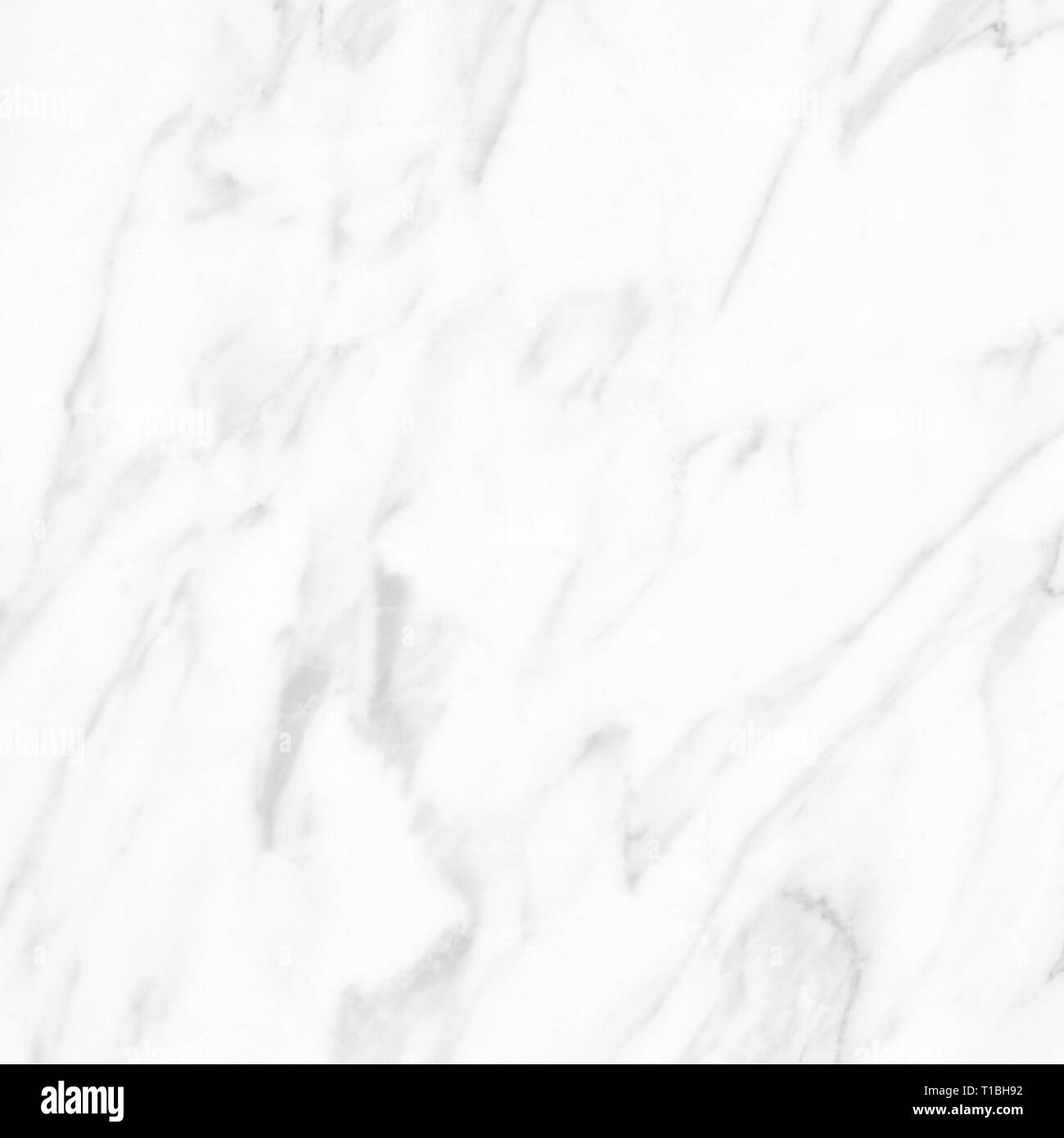
Natural stone tiles have a rough, uneven texture. They include granite, slate, marble, and travertine. These finishes offer a rustic and earthy feel. The texture provides good grip, reducing slips. Each tile has unique patterns and colors. Natural stone adds timeless beauty and durability to floors.
Ceramic And Porcelain Surfaces
Ceramic and porcelain tiles come with smooth or textured surfaces. They can mimic natural stone or have glossy finishes. Textured ceramic tiles often have subtle ridges or patterns. Porcelain tiles are dense and resistant to moisture. These options suit kitchens and bathrooms well. They are easy to clean and maintain.
Wood-look Tiles
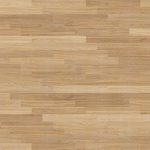
Wood-look tiles imitate the texture of real wood planks. They feature grain patterns and knots in the design. These tiles bring warmth and charm without wood’s maintenance. The surface may feel smooth or slightly embossed. Wood-look tiles fit many decor styles. They are durable and water-resistant.
Concrete And Industrial Styles
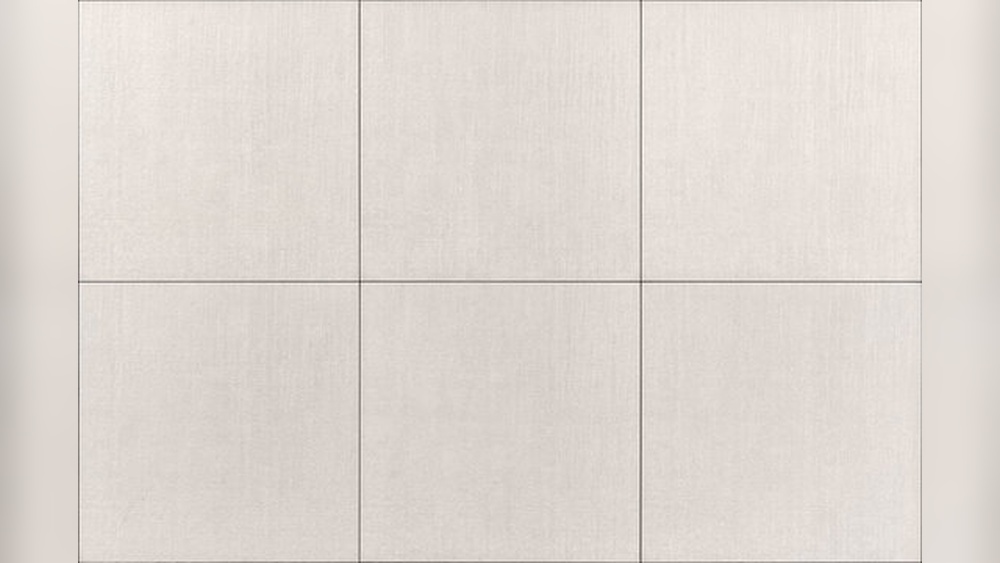
Concrete tiles have a matte and rough texture. Their industrial look fits modern and urban spaces. These tiles often show subtle pits and grainy surfaces. Concrete styles offer a minimalist and sturdy appearance. They work well in commercial and residential areas. Concrete tiles pair easily with metal and wood elements.
Mosaic And Patterned Tiles
Mosaic tiles consist of small pieces with varied textures. They create intricate patterns and colorful designs. Some mosaics have raised or bumpy surfaces. Patterned tiles can feature geometric or floral motifs. These textures add visual interest and depth. Mosaic and patterned tiles are perfect for accent walls or floors.
Choosing Texture For Different Rooms
Choosing the right texture for floor tiles can transform any room. Texture affects safety, comfort, and style. Each room needs a specific texture to suit its use. Textured tiles add character and improve function. Understanding which texture fits best helps create a balanced space. Here is a guide for different rooms.
Living Areas And Lounges
Living areas need tiles that feel warm and inviting. Smooth or lightly textured tiles work well here. They are comfortable underfoot and easy to clean. Textures like matte or lightly brushed surfaces add subtle style. Avoid very rough textures that may feel hard or uncomfortable. Tiles with a slight texture also reduce slipping risks.
Bathrooms And Wet Zones
Bathrooms demand tiles with strong grip to prevent slips. Textures with a rough or grainy finish offer better traction. Avoid very smooth or glossy tiles as they get slippery when wet. Look for anti-slip or textured ceramic and porcelain tiles. These textures keep floors safe and add a fresh, modern look.
Kitchens And Dining Spaces
Kitchens need durable, easy-to-clean tiles with moderate texture. A slightly textured surface hides dirt and scratches well. Smooth tiles can be slippery and show marks quickly. Textures like honed or satin finishes provide balance between look and function. They offer safety without sacrificing style in busy areas.
Outdoor And Patio Floors
Outdoor floors require very textured tiles for safety and durability. Rough, natural stone textures resist weather and foot traffic. Textured concrete or slate tiles work perfectly outside. These surfaces prevent slipping when wet. Choose tiles that handle heat and moisture while enhancing outdoor beauty.
Benefits Of Textured Floor Tiles
Textured floor tiles offer many benefits beyond their aesthetic appeal. They improve safety, enhance visual interest, and provide long-lasting durability. Their unique surfaces also make cleaning easier and design choices more flexible. These advantages make textured tiles a smart choice for any space.
Enhanced Safety With Slip Resistance
Textured tiles provide better grip underfoot. This reduces the risk of slips and falls. They are ideal for wet areas like kitchens and bathrooms. The rough surface helps prevent accidents. Safety is a top priority in busy homes and commercial spaces.
Visual Depth And Interest
Textures add layers and dimension to floors. They create shadows and highlights that catch the eye. This makes rooms look more dynamic and inviting. Textured tiles can mimic natural materials like stone or wood. They bring warmth and character to any interior.
Durability And Maintenance
Textured floor tiles resist wear and tear well. Their surfaces hide scratches and dirt better than smooth tiles. This keeps floors looking fresh longer. Cleaning is simple with regular sweeping and mopping. Their sturdy design withstands heavy foot traffic and daily use.
Versatility In Design
Textured tiles come in many shapes, sizes, and patterns. They fit various styles, from modern to rustic. You can mix textures to create unique looks. These tiles work indoors and outdoors. Their adaptability suits living rooms, patios, and commercial spaces alike.
Credit: www.alamy.com
Popular Design Trends
Floor tiles textures have become a key part of modern interior design. Popular trends show a blend of style, comfort, and practicality. Homeowners and designers focus on creating unique spaces using different tile textures and finishes. These choices influence the overall look and feel of a room. The following sections explore some popular design trends in floor tile textures.
Mixing Textures And Patterns
Combining different tile textures creates a dynamic and interesting floor. Smooth tiles can pair well with rough or matte surfaces. Patterns like geometric shapes or floral designs add personality. Mixing textures and patterns breaks the monotony and adds depth. This trend suits both traditional and modern spaces. It allows creativity and personal expression in flooring choices.
Matte Vs Glossy Finishes
Matte tiles offer a soft, subtle look and hide dirt well. Glossy tiles reflect light, making rooms appear brighter and larger. Each finish suits different styles and needs. Matte finishes work best in high-traffic areas for safety. Glossy finishes add elegance to smaller or low-traffic spaces. Choosing between them depends on the room’s function and style.
Large Format Vs Small Tiles
Large format tiles create a seamless, spacious look on floors. They reduce grout lines, making maintenance easier. Small tiles add detail and texture, ideal for patterns or mosaics. They fit well in compact or intricate spaces. The choice affects the room’s perception of size and style. Both sizes remain popular depending on design goals.
Eco-friendly And Sustainable Options
Eco-friendly floor tiles gain popularity for green living. Materials like recycled glass, natural stone, and bamboo are common. These tiles reduce environmental impact without sacrificing style. Sustainable options often offer unique textures and colors. They support a healthy home and planet. Choosing eco-friendly tiles reflects a growing awareness of sustainability.
Installation Tips For Textured Tiles
Textured floor tiles add depth and style to any space. Proper installation ensures their beauty lasts. Follow these key tips to install textured tiles correctly. Focus on preparing the surface, grouting and sealing, and maintaining the tiles well. These steps help the tiles stay strong and look great.
Surface Preparation
Start with a clean and dry surface. Remove dust, grease, and old adhesives. A smooth, level base prevents tiles from cracking or unevenness. Repair any cracks or holes before installation. Use a primer if the surface is porous. This step improves tile adhesion and durability.
Grouting And Sealing
Choose grout suitable for textured tiles. Avoid grout that fills the texture too much. Apply grout carefully to keep the tile texture visible. Clean excess grout quickly before it dries. After grouting, seal the tiles and grout lines. Sealing protects against stains and moisture, especially in high-traffic areas.
Maintenance Best Practices
Clean textured tiles regularly using mild soap and water. Avoid harsh chemicals that can damage the surface. Use a soft brush to clean deep textures gently. Wipe spills immediately to prevent staining. Reapply sealant every one to two years to keep tiles protected. Regular care keeps textured tiles looking fresh and new.

Credit: www.sketchuptextureclub.com
Where To Buy Quality Floor Tiles
Choosing the right place to buy quality floor tiles affects your home’s style and durability. Find stores that offer a wide variety of textures and materials. This helps match your design ideas and ensures long-lasting floors. Explore different sources to find tiles that fit your budget and taste.
Local Tile Stores In Austin, Texas
Austin has many tile stores with diverse selections. Visit places like Floor & Decor or The Tile Shop for quality options. These stores often have textured tiles in ceramic, porcelain, and natural stone. Staff can help you choose tiles that suit your space and style. Seeing tiles in person helps you feel their texture and finish.
Online Marketplaces And Resources
Online shops offer a huge variety of floor tiles with many texture options. Websites like Wayfair, Home Depot, and Lowe’s provide detailed photos and customer reviews. They deliver tiles directly to your door. Check return policies before buying to avoid issues. Online resources also include free texture samples for digital design.
Custom And Artisan Tile Makers
Custom tile makers create unique, textured floor tiles by hand. These artisans use traditional methods and can craft tiles to your exact design. Custom tiles add character and charm to any room. Look for local artisans or small businesses in Austin for handmade options. These tiles often become a centerpiece in your home décor.
Inspiration Sources For Tile Textures
Finding the right texture for floor tiles can transform any space. Inspiration plays a key role in selecting textures that fit style and function. Various sources provide fresh ideas and visual cues to spark creativity. These sources help homeowners, designers, and DIY enthusiasts discover textures that suit their needs and preferences.
Photo Galleries And Stock Images
Photo galleries and stock image websites offer a wide range of tile textures. Users can explore high-quality photos showing different materials and finishes. These images display real-life applications and close-up shots. They provide a clear view of texture details and color variations. This makes it easier to imagine tiles in various settings. Popular platforms include Unsplash, Adobe Stock, and Freepik.
3d Modeling And Design Tutorials
3D modeling tutorials teach how to create and visualize tile textures digitally. These tutorials guide users step-by-step in using software like Blender or SketchUp. Designers can experiment with texture patterns and finishes in a virtual space. This helps preview how tiles will look before purchasing. Tutorials also cover creating seamless textures and adjusting lighting for realism.
Pinterest And Design Communities
Pinterest and design communities serve as hubs for sharing tile texture ideas. Users pin images and boards related to floor tile trends and styles. Design forums allow discussions on texture types and installation tips. These platforms connect people with similar interests and offer diverse inspiration. They also highlight current trends and unique combinations for floor tiles.

Credit: www.milestonetiles.com
Frequently Asked Questions
What Are The Most Popular Floor Tile Textures?
Popular floor tile textures include matte, glossy, wood grain, stone, and textured ceramics. Each texture offers unique aesthetics and slip resistance, suitable for different interior styles and functional needs.
How Do Floor Tile Textures Affect Safety?
Textured floor tiles provide better slip resistance compared to smooth tiles. They reduce the risk of slipping, especially in wet areas like kitchens and bathrooms, enhancing overall safety.
Can Floor Tile Textures Impact Room Ambiance?
Yes, floor tile textures influence room ambiance by adding depth and character. For example, natural stone textures create a rustic feel, while polished tiles offer a modern, sleek look.
Which Floor Tile Textures Are Best For High-traffic Areas?
Durable, textured tiles like porcelain with a matte or slightly rough finish are ideal for high-traffic zones. They resist wear and provide good traction, maintaining appearance over time.
Conclusion
Choosing the right floor tile texture can change any room’s feel. Smooth tiles bring a sleek, modern look. Rough textures add safety and a natural vibe. Patterns and finishes let you express style easily. Textured tiles also hide dirt and wear well.
Consider your space’s use and style before buying. Visit local stores in Austin for hands-on choices. Explore samples to find what fits your home best. The perfect floor tile texture makes your space unique and welcoming.