
When it comes to transforming your space, the texture of your flooring plays a huge role in setting the tone. Marble floor texture isn’t just about looks—it’s about how your floor feels underfoot and the timeless elegance it brings to your home or office.
You might be wondering why so many people choose marble despite its higher cost and maintenance needs. The answer lies in its unique patterns, smooth finish, and the luxurious atmosphere it creates. But before you decide, it’s important to understand what makes marble floor texture stand out, how to care for it, and whether it fits your lifestyle.
Keep reading to discover everything you need to know to make the best choice for your floors.
Marble Types And Textures
Marble offers a wide range of types and textures that enhance any floor design. Each marble type has unique colors and patterns. Choosing the right marble texture can transform a space with elegance and style.
Classic White Marble
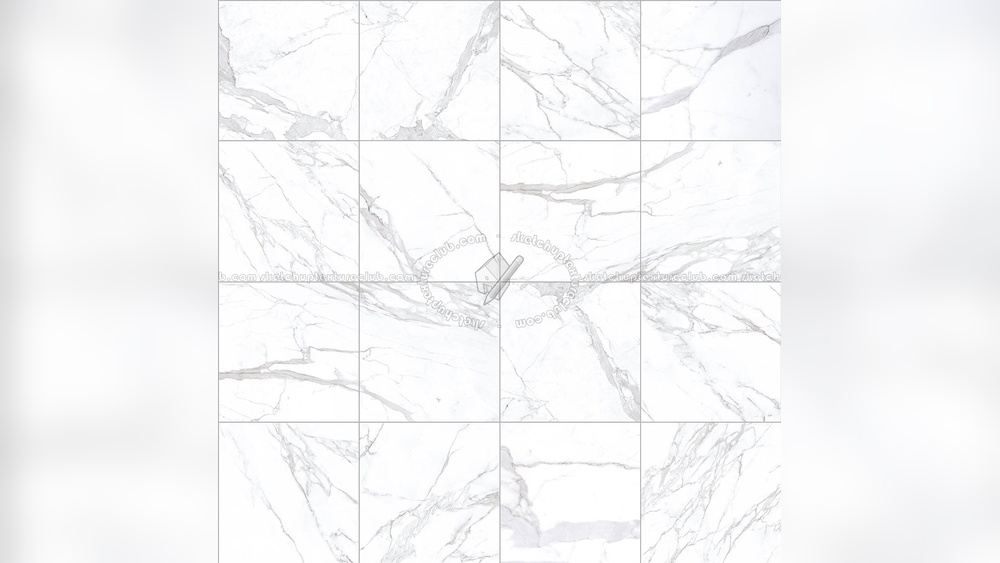
Classic white marble is timeless and popular. It gives a clean and bright look to floors. The surface often features subtle gray veins. White marble suits both modern and traditional interiors. It reflects light well, making rooms appear larger.
Elegant Black And Grey Variants
Black and grey marbles add sophistication and depth. These darker tones create a bold contrast in any room. They often have intricate white or lighter veins. Grey marble is versatile and matches many color schemes. Black marble floors provide a luxurious and dramatic effect.
Exotic Colored Marble
Colored marble types include green, pink, red, and brown shades. These offer a unique and exotic appearance. Colors come from natural minerals in the stone. Exotic marble floors make a statement with their rich hues. They are perfect for standout spaces and artistic designs.
Veining Patterns And Effects
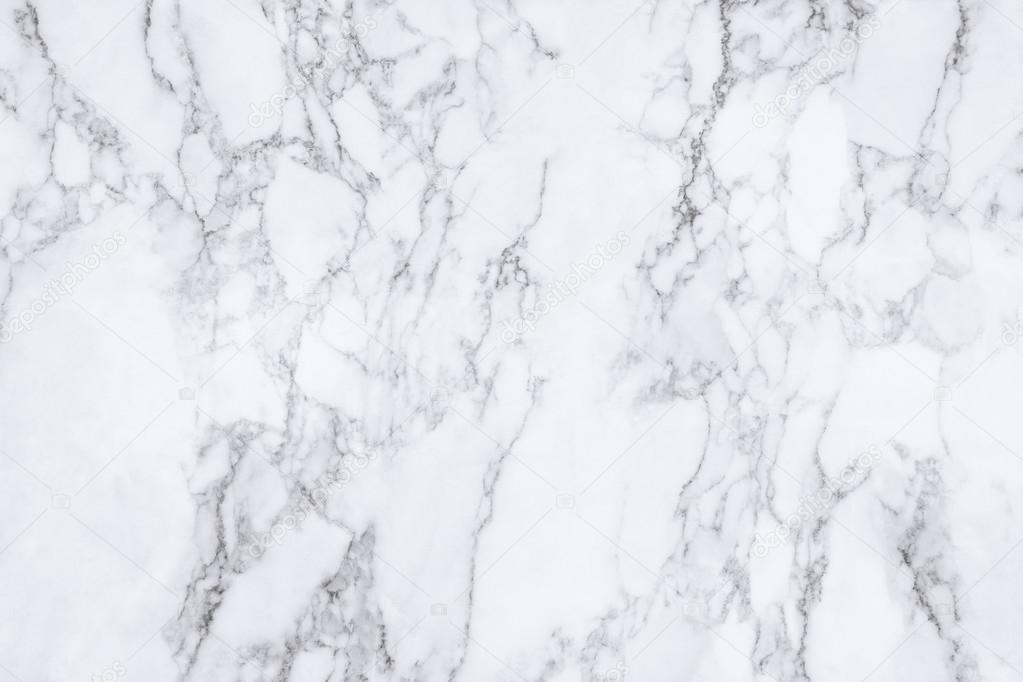
Veining is a key feature of marble texture. It varies from thin, delicate lines to bold, thick streaks. Veins create movement and character on the floor surface. Some veining looks soft and subtle, others are sharp and striking. The pattern affects the marble’s overall style and mood.
Credit: depositphotos.com
Design Styles Using Marble
Marble floors bring timeless beauty and elegance to any space. Their natural veins and smooth texture create a luxurious feel. Different design styles using marble can suit various tastes and interiors. From sleek modern looks to classic vintage patterns, marble adapts well.
Choosing the right style helps highlight marble’s unique appeal. It also enhances room ambiance and functionality. Explore popular design styles using marble floors below.
Modern Minimalist Floors
Modern minimalist floors use marble with clean lines and simple patterns. Light-colored marble like white or gray is common. Large, unbroken slabs create a smooth, seamless look. This style fits well in contemporary homes and offices. It emphasizes space and light with minimal decoration.
Traditional And Vintage Patterns
Traditional marble floors often feature classic patterns like herringbone or checkerboard. Rich colors such as deep browns and greens add warmth. Intricate borders and inlays give a vintage charm. This style suits historic homes and formal areas. It reflects craftsmanship and timeless elegance.
Geometric And Mosaic Designs
Geometric marble floors use shapes like hexagons, triangles, or diamonds. Mosaic designs combine small marble pieces for detailed patterns. These floors add artistic flair and texture. They work well in entryways, kitchens, and bathrooms. This style offers a bold statement with natural materials.
Large Slab Versus Tile Layouts
Large slab marble floors showcase continuous veins and fewer grout lines. They create a spacious, high-end appearance. Tiles, on the other hand, allow for more pattern variety and easier installation. Tile layouts can mix colors and shapes for creative designs. Choice depends on budget, space size, and style preference.
Benefits Of Marble Flooring
Marble flooring offers many benefits that make it a popular choice for homes and commercial spaces. Its natural beauty and unique texture create a stunning look. Beyond aesthetics, marble floors provide practical advantages that enhance any environment. Discover why marble remains a top flooring option.
Timeless Elegance And Luxury
Marble floors bring a classic and refined style to any room. Their smooth, shiny surface reflects light beautifully. Each slab has unique patterns, adding character to your space. This natural stone conveys sophistication and grace that never goes out of style.
Durability And Longevity
Marble is a strong and long-lasting material. It resists scratches and cracks better than many other flooring options. Proper care helps it maintain its look for decades. This durability makes marble a smart investment for busy homes and offices.
Natural Cooling Effect
Marble floors stay cool underfoot, especially in warm climates. They help reduce indoor temperatures without extra energy use. This natural cooling effect makes rooms more comfortable during hot days. It also benefits spaces with heavy foot traffic.
Increase In Property Value
Homes with marble flooring often see higher market value. Buyers appreciate the elegance and durability marble offers. It signals quality and good taste, which can attract more interest. Installing marble floors can be a smart way to boost your property’s appeal.
Challenges Of Marble Floors
Marble floors add timeless beauty and elegance to any space. Despite their charm, they present unique challenges. Understanding these issues helps maintain their beauty for years.
Susceptibility To Scratches And Chips
Marble is a soft natural stone. It scratches easily from heavy furniture or sharp objects. Dropping items can cause chips or cracks. Regular care is essential to avoid damage.
Porous Nature And Stain Risks
Marble absorbs liquids quickly due to its porous surface. Spills from wine, coffee, or oil leave stains. Sealing marble regularly reduces stain risks. Prompt cleaning prevents permanent marks.
Slipperiness When Wet
Marble floors become very slippery when wet. This creates a risk of falls and injuries. Using rugs or non-slip mats improves safety. Extra caution is needed in wet areas like kitchens.
Cold Surface And Comfort Issues
Marble remains cold underfoot, especially in winter. This can feel uncomfortable in living areas. Adding area rugs or underfloor heating improves warmth. Comfort matters for everyday living spaces.
Maintenance Tips
Marble floors add elegance and charm to any space. Keeping them beautiful requires proper care. Maintenance helps marble stay smooth and shiny for years. Follow simple steps to protect your marble floor texture effectively.
Regular Cleaning Methods
Clean marble floors often to prevent dust buildup. Use a soft broom or vacuum with a brush attachment. Mop the floor with warm water and a gentle cleaner. Avoid harsh scrubbing to protect the surface. Dry the floor with a soft cloth to avoid water spots.
Protective Sealants And Treatments
Apply sealants to marble floors to prevent stains and damage. Sealants create a barrier against moisture and dirt. Reapply sealant every 6 to 12 months for best results. Choose a high-quality product made for natural stone. Follow the instructions carefully during application.
Avoiding Acidic Cleaners
Never use acidic cleaners like vinegar or lemon on marble. Acids can dull and etch the marble surface. Stick to pH-neutral or stone-specific cleaning products. Test any cleaner on a small area before full use. Protect marble floors by using safe cleaning solutions only.
Handling Stains And Repairs
Act quickly on spills to avoid stains on marble. Blot liquids gently without rubbing to prevent spreading. For stubborn stains, use a poultice made for marble. Small chips or cracks may need professional repair. Regular care minimizes damage and keeps marble looking fresh.
Credit: stock.adobe.com
Installation Considerations
Installing marble floor texture requires careful attention to detail. Proper installation ensures a durable, beautiful surface that lasts for years. Consider several key factors before starting the project to avoid common issues.
Professional Versus Diy Installation
Marble installation demands skill and precision. Professionals have experience with cutting, laying, and sealing marble tiles. They use specialized tools and techniques to prevent damage. DIY installation saves money but carries risks. Mistakes can lead to cracked tiles or uneven surfaces. Choose professional help for large areas or complex patterns. Small projects may suit confident DIYers with proper guidance.
Subfloor Preparation
A smooth, stable subfloor is critical for marble floors. Remove old flooring and clean the area thoroughly. Check for cracks or uneven spots and repair them. Use a moisture barrier if the subfloor is concrete. An unprepared subfloor can cause tiles to shift or crack. Proper preparation extends the life of your marble floor.
Choosing The Right Adhesives
Select adhesives designed specifically for marble. These adhesives offer strong bonding without damaging the stone. Avoid acidic or harsh chemicals that can etch marble surfaces. Use thin-set mortar or epoxy-based adhesives for best results. Apply adhesive evenly for a secure fit and long-lasting hold. Follow manufacturer instructions carefully during application.
Grouting And Finishing Touches
Grout fills gaps between marble tiles and adds stability. Choose grout colors that complement the marble texture. Use non-abrasive grout to avoid scratching the surface. Apply grout carefully, removing excess before it dries. Seal grout lines to prevent stains and moisture damage. Finish with a marble sealer to protect the floor and enhance its shine.
Innovative Marble Flooring Ideas
Innovative marble flooring ideas bring fresh styles and textures to classic marble floors. These ideas enhance beauty and create unique spaces. Simple marble floors transform into stunning features with creative touches. Experimenting with textures, materials, and lighting changes the entire feel of a room. Discover ways to make marble floors stand out and fit modern interiors.
Combining Marble With Other Materials
Mix marble with wood or metal for contrast. Wood adds warmth to the cold, smooth marble surface. Metal accents create a sleek, modern look. Combining materials gives floors a layered, rich texture. Use marble with concrete for an industrial style. This mix balances elegance and ruggedness in any space.
Textured And Matte Finishes
Marble floors do not always have to be shiny. Matte finishes offer a subtle, soft appearance. Textured marble adds grip and reduces slipperiness. These finishes suit high-traffic or wet areas well. They also reduce glare from strong lighting. Textured marble brings a natural, earthy vibe to floors.
Marble Look-alike Alternatives
Marble look-alike tiles offer budget-friendly options. Porcelain and vinyl tiles mimic marble veins and colors. These alternatives resist stains and scratches better than real marble. They work well in kitchens and bathrooms. Choosing look-alike materials keeps the marble style without the high cost.
Lighting Effects On Marble Floors
Lighting changes how marble floors appear dramatically. Soft, warm lights highlight marble’s natural veins. Spotlights create reflections and depth on polished surfaces. Colored lighting can add mood and drama. Position lights to emphasize texture and patterns. Good lighting enhances marble’s luxurious feel.

Credit: www.freepik.com
Frequently Asked Questions
What Are The Disadvantages Of Marble Floors?
Marble floors scratch and stain easily due to their softness and porosity. They can be slippery when wet. Marble costs more and needs professional installation. Maintenance is high, and the surface feels cold, which may be uncomfortable in cooler climates.
What Is The Texture Of A Marble?
Marble has a smooth, cool, and polished texture with natural veins. It feels luxurious and slightly porous.
How Do I Make My Floor Look Like Marble?
Apply marble-look vinyl or epoxy flooring for realistic texture. Use marble paint techniques or peel-and-stick marble tiles. Seal floors to enhance shine and durability. Choose high-quality materials for authentic appearance and long-lasting finish.
Is Marble Texture Easy To Maintain?
Marble texture requires regular sealing and gentle cleaning to prevent stains and scratches. It demands consistent care but stays elegant with proper maintenance.
Conclusion
Marble floor texture adds beauty and style to any space. It offers a natural, elegant look with unique patterns. This texture suits homes and offices well. Cleaning and maintenance keep it looking fresh and bright. Choosing the right marble texture can enhance your room’s feel.
It blends easily with different design themes. Overall, marble floors bring timeless charm and a touch of luxury. Consider durability and care before selecting this flooring option. Marble textures remain a popular choice for those seeking classic beauty.