
Imagine stepping into a bathroom where water flows freely without barriers, creating a sleek, open space that feels both modern and inviting. That’s the magic of wet bathroom design.
If you’re looking to transform your bathroom into a stylish, accessible, and easy-to-clean haven, wet rooms might just be what you need. Whether your space is small or you want to make bathing easier for everyone in your home, this design offers practical benefits and a fresh, contemporary look.
Keep reading to discover how you can bring this innovative bathroom style into your life and why it’s gaining popularity across homes in Austin, Texas, and beyond.

Credit: blacklinerenovations.com
Wet Bathroom Basics
Wet bathrooms offer a modern and practical approach to bathroom design. This style removes traditional barriers, creating a seamless wet area. The floor and walls are fully waterproofed, allowing water to flow freely without damage. Wet bathrooms suit small spaces well and provide easy access for everyone.
Key Features
- Open-plan layout with no shower trays or enclosures
- Fully waterproofed floors and walls to prevent leaks
- Floor slopes gently toward a central drain
- Non-slip surfaces for safety
- Easy access, ideal for people with mobility issues
- Simple, clean design that makes the space look larger
How Wet Bathrooms Work
The entire bathroom floor acts as the shower base. Water drains away through a hidden, central drain. The floor slopes slightly to guide water flow. Waterproof membranes protect the structure under the floor and walls. Materials like tiles or sealed concrete keep the surfaces water-resistant. This design stops water damage and mold growth. Proper ventilation helps keep the space dry after use.
Design Benefits
Wet bathroom design offers many benefits beyond style. It creates a functional and modern space. This design improves daily living by focusing on accessibility, space use, and cleaning ease. Wet bathrooms suit various needs and preferences. They combine form and function in a simple layout. Understanding the design benefits helps homeowners make smart choices.
Accessibility Advantages
Wet bathrooms are easier to enter and move around in. They remove barriers like shower trays or steps. This helps people with limited mobility or seniors. The open floor plan allows safe use of wheelchairs or walkers. It reduces the risk of slips and falls. Accessibility is a key benefit that improves comfort for all users.
Space Optimization
The wet room design uses every inch wisely. Without bulky shower enclosures, the bathroom feels larger. It suits small homes or apartments well. The open layout creates a seamless flow. This design makes compact spaces look modern and airy. It maximizes the usable area for storage or movement.
Ease Of Maintenance
Cleaning is simpler in wet bathrooms. The smooth, waterproof floor and walls resist mold and mildew. There are fewer corners and crevices to trap dirt. Water drains quickly thanks to the sloped floor. This design reduces the time and effort needed for upkeep. It keeps the bathroom fresh and hygienic with less work.
Waterproofing Essentials
Waterproofing is the backbone of any wet bathroom design. It keeps water contained and protects the structure from damage. Without proper waterproofing, moisture can seep into walls and floors. This causes mold, rot, and costly repairs.
Effective waterproofing ensures the bathroom stays dry and safe. It extends the life of your wet room. Understanding key waterproofing essentials helps you create a durable and functional space.
Floor Waterproofing Techniques
Start with a clean, smooth floor surface. Apply a liquid waterproof membrane or sheet membrane evenly. Cover corners, joints, and seams carefully. Use waterproof tape on any gaps or cracks. Allow the membrane to dry fully before tiling.
Ensure the floor has a gentle slope toward the drain. This helps water flow away quickly. Avoid puddles that cause slipping and damage. Use waterproof underlayment under tiles for extra protection.
Drainage Solutions
Choose a drain that fits your wet room layout. Linear drains work well with modern designs. Place drains at the lowest point of the floor slope. This directs water efficiently out of the space.
Install a waterproof channel around the drain area. Connect the drain to the plumbing system securely. Check that water flows freely and does not back up. Proper drainage prevents standing water and leaks.
Choosing Materials
Select water-resistant materials for floors and walls. Porcelain tiles and natural stone are popular choices. Use grout with added waterproofing properties. Avoid porous materials that absorb water easily.
For walls, moisture-resistant plasterboard or cement boards are best. Paint or seal surfaces with waterproof coatings. Fixtures like faucets and showerheads should resist corrosion.
:max_bytes(150000):strip_icc()/319838796_220754503623403_6893050155634621253_n-a05b080f37614543a94fa2106f650cf7.jpg)
Credit: www.thespruce.com
Safety Tips
Safety is a key concern when designing a wet bathroom. Wet areas can be slippery and cause accidents. Taking simple precautions can reduce risks and make the space safer for everyone. This section highlights important safety tips to consider during your wet bathroom design.
Slip-resistant Flooring
Choose flooring that prevents slipping. Materials like textured tiles or vinyl with grip help reduce falls. Avoid smooth, shiny surfaces that become slippery when wet. Adding non-slip mats or strips near the shower area adds extra protection.
Proper Ventilation
Good ventilation controls moisture and prevents mold growth. Install an exhaust fan or keep a window open to let fresh air in. Proper airflow keeps floors dry and reduces slippery surfaces. It also improves air quality for a healthier bathroom.
Lighting Considerations
Bright lighting improves visibility and prevents accidents. Use waterproof LED lights that spread light evenly across the room. Avoid dark corners and shadows near wet areas. Well-lit bathrooms make it easier to spot hazards and move safely.
Stylish Design Ideas
Stylish design ideas can transform any wet bathroom into a modern and inviting space. Choosing the right elements creates a fresh and clean look. These ideas help balance function and beauty, making the bathroom a relaxing retreat.
Minimalist Fixtures
Minimalist fixtures keep the space simple and uncluttered. Slim faucets and wall-mounted controls save room and add elegance. Clear glass shower screens maintain openness and light flow. Simple shapes and smooth surfaces promote a calm atmosphere. These fixtures reduce visual noise, enhancing the wet bathroom’s sleek style.
Color Schemes
Soft, neutral colors suit wet bathrooms perfectly. Shades like white, beige, and light gray reflect light well. They make the space look bigger and brighter. Adding a pop of color with towels or accessories brings life without crowding. Dark tones can add drama but use them sparingly to avoid heaviness. A balanced color scheme keeps the room fresh and inviting.
Incorporating Natural Elements
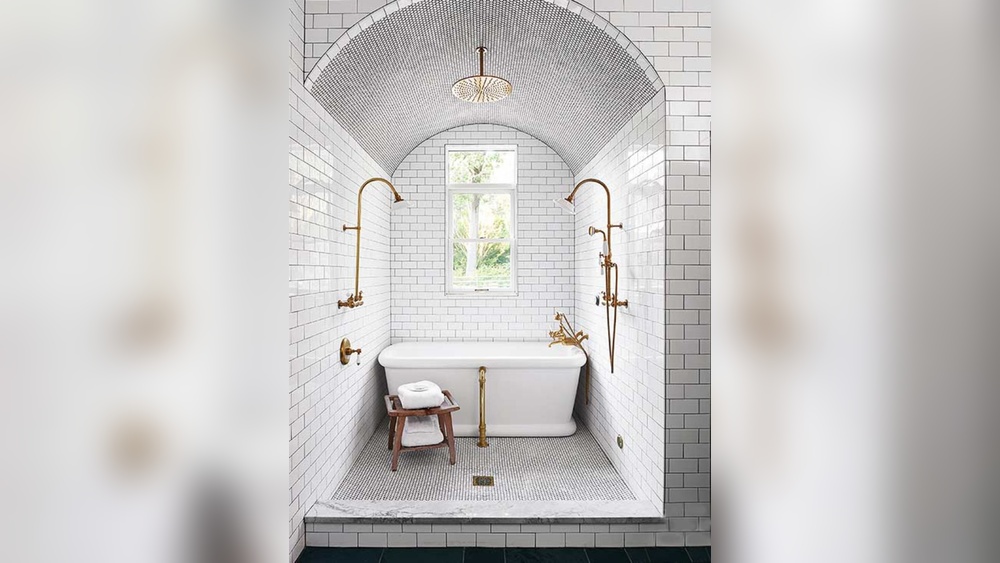
Natural elements add warmth and texture to wet bathroom design. Wood accents, like shelves or benches, bring an organic feel. Stone tiles or pebble floors create a spa-like vibe. Plants improve air quality and add a touch of green. These elements soften the hard surfaces and connect the space to nature. The result is a cozy and stylish bathroom environment.

Credit: www.fireclaytile.com
Space Planning
Space planning is essential for creating a functional wet bathroom design. It ensures efficient use of space while maintaining comfort and style. Proper planning helps avoid clutter and maximizes the room’s flow. Wet bathrooms benefit from thoughtful layout choices to keep the area safe and accessible.
Open-plan Layouts
Open-plan layouts remove barriers, creating a seamless space. This design makes the bathroom feel larger and more inviting. Without shower trays or enclosures, water flows naturally toward the drain. Open layouts improve accessibility for all users. They also simplify cleaning and maintenance.
Furniture And Storage
Choosing the right furniture is vital in wet bathroom spaces. Opt for water-resistant materials like treated wood or metal. Wall-mounted cabinets save floor space and keep items dry. Open shelves offer easy access but need good organization. Storage should keep essentials handy without crowding the room.
Zoning Wet And Dry Areas
Zoning separates wet and dry areas to enhance safety and comfort. The shower zone uses waterproof flooring and walls. Dry zones include vanities and toilets with moisture-resistant finishes. Clear zoning prevents water from spreading and reduces slip risks. It helps keep towels and clothes dry and fresh.
Budgeting And Installation
Budgeting and installation are crucial steps in creating a wet bathroom design. Knowing the costs and planning the setup ensures a smooth project. Proper budgeting helps avoid surprises during the work. Installation requires attention to detail to prevent leaks and water damage.
Cost Factors
Several elements affect the total cost of a wet bathroom. Waterproofing materials and labor make up a large part. Drainage systems designed for wet rooms can be more expensive. Tiles, non-slip flooring, and fixtures add to the budget. The size of the bathroom also impacts the price. Custom designs or luxury finishes increase costs. Planning the budget carefully avoids overspending.
Hiring Professionals
Professional installers bring experience to wet bathroom projects. They understand how to waterproof floors and walls effectively. Experts ensure slopes direct water to drains correctly. Hiring plumbers and tilers reduces risks of leaks. Licensed professionals follow building codes and safety rules. Their work often comes with warranties for peace of mind. Investing in skilled workers saves money on future repairs.
Diy Considerations
Some homeowners choose to install wet bathrooms themselves. Basic plumbing and tiling skills are necessary for this. Mistakes in waterproofing can cause costly water damage. DIY can reduce labor expenses but may take longer. Proper tools and quality materials are essential. Watching tutorials and reading guides helps build confidence. Knowing when to call a professional is very important.
Common Challenges
Designing a wet bathroom brings unique challenges that need careful attention. These challenges affect the room’s durability and comfort. Understanding common issues helps create a functional and long-lasting space.
Each challenge requires specific solutions to keep the bathroom safe and dry. Ignoring these can cause costly repairs and reduce the room’s usability.
Preventing Water Damage
Water damage is a major risk in wet bathrooms. The entire floor and walls are exposed to water. Waterproof materials and sealants are essential. Proper installation of waterproof membranes prevents leaks. Regular checks for cracks or gaps help avoid damage. Using water-resistant paint and tiles adds extra protection. Prevention is better than fixing after damage occurs.
Managing Humidity
Humidity levels rise quickly in wet bathrooms. High humidity can cause mold and mildew. Good ventilation is vital to reduce moisture. Installing exhaust fans improves air circulation. Opening windows also helps lower humidity. Using dehumidifiers keeps the air dry in damp climates. Monitoring humidity prevents health issues and maintains the bathroom’s condition.
Maintaining Drainage
Drainage must handle all the water efficiently. The floor slope directs water to the drain. A poorly planned slope causes puddles and slips. Choosing the right drain system is crucial. Regular cleaning prevents blockages and overflow. Proper drainage protects the floor and walls from water damage. Good drainage keeps the wet bathroom safe and functional.
Frequently Asked Questions
Are Wet Bathrooms A Good Idea?
Wet bathrooms enhance accessibility with a barrier-free, waterproof design. They save space, ease cleaning, and suit mobility challenges well.
What Is A Wet Room Style Bathroom?
A wet room bathroom features a fully waterproofed floor with an open, level shower area. It lacks separate trays or enclosures, using a slight floor slope to drain water efficiently. This design enhances accessibility, saves space, and simplifies cleaning while creating a modern, open feel.
What Are The Disadvantages Of A Wet Room?
Wet rooms can have higher installation costs and require expert waterproofing. Water may splash outside the shower area. They may reduce privacy and need regular drainage maintenance to prevent blockages or odors.
Are Wet Wall Bathrooms Any Good?
Wet wall bathrooms offer excellent accessibility, save space, and are easy to clean. Their open design suits small areas and mobility needs. Waterproof floors and central drains prevent water damage. Overall, they provide a stylish, practical, and low-maintenance bathroom solution.
Conclusion
Wet bathroom design offers a sleek, modern look with practical benefits. It creates an open, easy-to-clean space without barriers. The waterproof floor and central drain help manage water effectively. This design suits small areas and improves bathroom accessibility. Choosing simple fixtures keeps the room tidy and functional.
A well-planned wet bathroom blends style with convenience. It can make daily routines smoother and safer. Consider your space and needs before starting your design. Wet bathrooms bring comfort and efficiency to any home.