When it comes to transforming your space, the texture of your carpet can make all the difference. You might think a carpet is just a soft surface to walk on, but its texture affects how your room feels and looks—from cozy and inviting to sleek and modern.
Imagine sinking your feet into a plush, velvety carpet after a long day or adding a subtle pattern that catches the light just right. Choosing the right carpet floor texture isn’t just about style; it’s about creating a space that speaks to your comfort and personality.
Ready to discover how the perfect carpet texture can elevate your home or office? Keep reading, and you’ll learn everything you need to know to pick the ideal texture for your floors.
Types Of Carpet Textures
Carpet textures add comfort and style to any room. They affect the look and feel underfoot. Choosing the right texture can improve durability and maintenance. Different textures suit different spaces and needs. Here are common carpet texture types to know.
Cut Pile Varieties
Cut pile carpets have fibers that are cut at the ends. This creates a soft, plush surface. Varieties include plush, saxony, and frieze. Plush cut pile looks smooth and dense. Saxony has a formal, velvety feel. Frieze features twisted fibers for a casual look. Cut pile carpets hide footprints well.
Loop Pile Options
Loop pile carpets have fibers looped and uncut. This texture is durable and resists crushing. It works well in high-traffic areas. Popular types are level loop and multi-level loop. Level loop offers a flat, even surface. Multi-level loop has loops of different heights for texture. Loop pile resists dirt and stains.
Cut And Loop Combinations
This texture mixes cut and loop fibers. It creates patterns and designs in the carpet. The combination adds visual interest and depth. It can highlight rooms with unique floor styles. Cut and loop carpets balance softness and durability. They work well in both homes and offices.
Patterned Textures
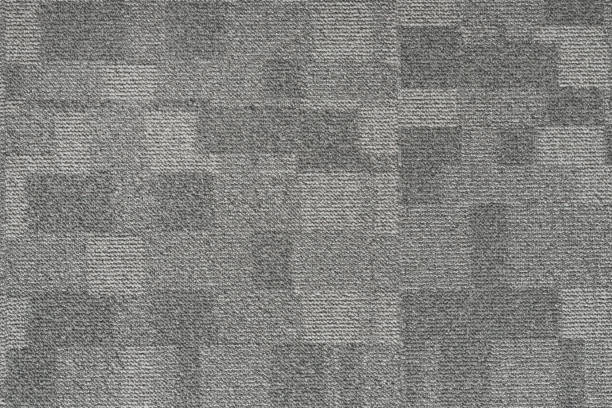
Patterned textures use different pile types to form shapes. These carpets add style and dimension to floors. Patterns can be geometric, floral, or abstract. They add personality without extra décor. Patterned textures often combine cut and loop piles. They hide dirt and wear effectively.
Materials And Fibers
The materials and fibers used in carpet floor textures greatly affect their look and feel. Different fibers offer unique qualities like softness, durability, and stain resistance. Choosing the right material depends on the room’s use and style preferences.
Carpets made from natural fibers bring warmth and a cozy atmosphere. Synthetic fibers provide strength and easy maintenance. Blended materials combine the benefits of both for balanced performance.
Natural Fibers
Natural fibers come from plants and animals. Wool is the most popular natural fiber, known for its softness and resilience. It naturally repels dirt and resists crushing. Cotton offers a soft texture but is less durable. Sisal and jute are plant-based fibers that add a rustic look. They are eco-friendly and biodegradable but may wear faster in heavy traffic areas.
Synthetic Fibers
Synthetic fibers are man-made, designed for durability and stain resistance. Nylon is strong and resists wear and tear well. Polyester offers vibrant colors and is resistant to fading. Olefin is moisture-resistant and easy to clean, ideal for basements or outdoor spaces. These fibers are budget-friendly and maintain their appearance for years.
Blended Materials
Blended carpets mix natural and synthetic fibers to balance comfort and durability. Wool blended with nylon offers softness with added strength. These blends improve resistance to stains and fading. They also provide a variety of textures and styles. Blended materials suit busy households and commercial spaces needing both beauty and performance.
Choosing Texture For Different Rooms
Choosing the right carpet texture for each room improves comfort and style. Different rooms have unique needs. Texture affects how a carpet feels and performs. It also impacts the room’s look and atmosphere. Selecting the correct texture helps your carpet last longer and suit your lifestyle.
Living Room Comfort
Soft, plush textures work well in living rooms. They create a cozy, welcoming space. Thick piles feel gentle underfoot, perfect for relaxing. Textures like cut pile or frieze add warmth and softness. These textures hide footprints and vacuum marks easily. Choose a texture that matches your furniture and décor.
Bedroom Warmth
Bedrooms need warm and soft carpet textures. A high-pile carpet gives a luxurious, cushioned feel. It helps keep feet warm in colder months. Textures such as Saxony or plush are ideal. They add a sense of calm and comfort. Avoid rough or flat textures here for best coziness.
High Traffic Areas
Durability is key in busy spaces like hallways and stairs. Loop pile carpets resist crushing and matting well. Textures like Berber are tough and hide dirt. Low-pile carpets are easier to clean and maintain. Choose a texture that stands up to daily wear. This keeps your carpet looking fresh longer.
Office And Commercial Spaces
Offices need carpets that balance comfort and durability. Low-pile loop textures work best here. They handle heavy foot traffic without showing wear. Commercial-grade carpets often use tight loops for strength. Patterns and textures can reduce visible stains. Select textures that support productivity and professional appearance.
Credit: www.istockphoto.com
Benefits Of Textured Carpets
Textured carpets add more than just style to your floors. They bring several practical benefits that improve your living space. These carpets combine design and function to make rooms more inviting and comfortable. Understanding these benefits can help you choose the right carpet for your home or office.
Aesthetic Appeal
Textured carpets create visual interest with patterns and depth. They hide dirt and stains better than flat carpets. This makes your floor look cleaner for longer. Their unique designs complement many decor styles. Textured carpets add warmth and character to any room.
Durability And Maintenance
Textured carpets are often more durable than smooth ones. Their fibers are tightly woven, resisting wear and tear. They handle foot traffic well in busy areas. Cleaning is easier because dirt stays on the surface. Regular vacuuming keeps them looking fresh and new.
Noise Reduction
Carpet texture helps absorb sound and reduce echo. Rooms feel quieter and more peaceful with textured carpets. They block noise from footsteps and moving furniture. This creates a calm atmosphere in homes and offices. Textured carpets improve sound quality in any space.
Comfort And Insulation
Textured carpets feel soft and cozy underfoot. They provide extra cushioning compared to hard floors. These carpets trap warmth, helping to insulate rooms. This can lower heating costs in cold weather. They create a comfortable and inviting environment year-round.
Color And Pattern Coordination
Choosing the right carpet floor texture involves more than just touch and feel. Color and pattern coordination plays a key role in creating a balanced and stylish space. The carpet sets the tone for the room’s entire look. It can either blend smoothly with other elements or stand out as a bold statement.
Understanding how carpet colors and patterns work with walls and furniture helps in making smart design choices. The right coordination can make a room feel bigger, cozier, or more vibrant. It enhances the overall atmosphere and comfort.
Matching Wall And Furniture
Select carpet colors that complement your walls and furniture. Neutral walls pair well with carpets in soft tones like beige, gray, or light brown. These colors create harmony and a calm feel.
If furniture has rich colors, choose carpet shades that balance but do not clash. For example, a blue sofa looks great with a carpet in warm gray or soft cream. This matching makes the room feel united and complete.
Using Contrast For Style
Contrast adds excitement and style to a room. A dark carpet with light walls creates a striking look. This contrast draws attention to the floor and adds depth.
Bright or patterned carpets work well in simple rooms. They bring personality and energy without overwhelming the space. Using contrast carefully can highlight furniture and décor effectively.
Trends In Carpet Colors
Modern carpet colors focus on earth tones and muted shades. Soft greens, warm taupes, and gentle blues are popular choices. These colors fit well with natural and minimalist styles.
Bold colors like navy, charcoal, or burgundy are also trending. They suit rooms that aim for a cozy and dramatic feel. Patterns with subtle textures add interest without being too busy.
Installation Tips
Installing carpet floor texture requires careful steps for a smooth finish. Proper installation improves durability and appearance. Follow these tips for best results.
Preparing The Floor
Start by cleaning the floor thoroughly. Remove dust, dirt, and old adhesives. Make sure the surface is dry and level. Repair any cracks or holes. A smooth base prevents bumps and wrinkles in the carpet.
Choosing Padding
Select padding that matches your carpet type and room use. Padding adds comfort and extends carpet life. Thicker padding suits low-traffic areas. Dense padding works best for high-traffic zones. Check the padding thickness and material for breathability and durability.
Seam Placement
Plan seam locations carefully. Place seams away from high-traffic areas. Align seams with room corners or walls for a cleaner look. Use a carpet seaming tape or adhesive to secure seams tightly. Proper seam placement reduces wear and visible lines.
Professional Vs Diy
DIY installation can save money but requires skill and tools. Mistakes may cause wrinkles, bubbles, or uneven texture. Professionals bring experience and proper equipment. They ensure precise cutting, padding, and stretching. Choose professional help for large or complex areas. For small rooms and simple layouts, DIY is possible with patience.
Maintenance And Cleaning
Proper maintenance and cleaning keep carpet floor textures looking fresh and lasting longer. Carpets trap dust, dirt, and allergens, so regular care improves indoor air quality. Simple steps help preserve the texture and color of your carpet, making your space more inviting.
Regular Vacuuming
Vacuum carpets at least twice a week to remove dirt and dust. Use a vacuum with strong suction and a rotating brush for best results. Focus on high-traffic areas to prevent dirt buildup. Regular vacuuming stops particles from settling deep into the fibers.
Spot Cleaning Techniques
Act quickly to clean spills and spots on your carpet. Blot the area gently with a clean cloth or paper towel. Avoid rubbing, which can spread the stain or damage fibers. Use mild carpet cleaners or a mix of water and vinegar for effective spot removal.
Deep Cleaning Methods
Schedule deep cleaning every 12 to 18 months for thorough dirt removal. Steam cleaning or hot water extraction works well to clean deep fibers. Professional cleaning helps maintain carpet texture and removes stubborn dirt. Renting cleaning machines is a cost-effective option for deep cleaning at home.
Handling Stains And Odors
Treat stains promptly to prevent permanent damage. Use baking soda to absorb odors before vacuuming. For tough stains, specialized carpet stain removers work best. Ensure the carpet dries completely after cleaning to avoid mold or mildew growth.
Credit: www.textures.com
Eco-friendly Carpet Options
Choosing eco-friendly carpet options helps protect the environment and improve indoor air quality. These carpets use materials and processes that reduce waste and harmful emissions. They offer a green alternative without sacrificing comfort or style.
Recycled Materials
Carpets made from recycled materials reduce landfill waste. They often include fibers from plastic bottles or old carpets. This process saves natural resources and lowers energy use. Recycled carpets are durable and look great in any room.
Low Voc Carpets
Low VOC carpets release fewer harmful chemicals into the air. VOC stands for volatile organic compounds, which can cause health issues. Choosing low VOC options creates a safer home environment. These carpets meet strict air quality standards.
Sustainable Manufacturing
Sustainable manufacturing uses eco-friendly methods and renewable energy. It minimizes water use and reduces carbon emissions. Companies focus on ethical labor and waste reduction. This approach supports a healthier planet and community.
Latest Trends In Carpet Texture
Carpet textures have evolved with fresh styles and innovative designs. These trends bring comfort and visual appeal to any room. Textures now combine softness with artistic patterns. This makes carpets not just floor coverings but focal points in home decor.
Luxury Plush Styles
Luxury plush carpets offer deep, soft piles that feel like clouds underfoot. Their thick texture creates warmth and coziness in living spaces. These styles come in neutral and rich colors. They suit bedrooms and lounges where comfort is key.
Plush carpets also help reduce noise. Their dense fibers absorb sound, making rooms quieter. This texture adds a touch of elegance without overwhelming the room.
Geometric Patterns
Geometric carpet textures bring modern shapes and lines to floors. Triangles, diamonds, and hexagons create eye-catching designs. These patterns add structure and rhythm to minimalist or contemporary interiors.
They often use contrasting colors to highlight the shapes. This style works well in hallways and offices. It adds interest without cluttering the space.
Textured Rugs And Layering
Layering different textured rugs is a popular trend. Combining smooth and rough surfaces creates depth and dimension. This technique allows mixing colors and patterns freely.
Textured rugs like shag, loop pile, or woven add tactile variety. Layering helps define areas in open-plan homes. It also enhances warmth and visual richness.

Credit: www.buildersinteriors.com
Frequently Asked Questions
What Is Carpet Floor Texture?
Carpet floor texture refers to the surface feel and appearance of carpet fibers. It affects comfort, aesthetics, and durability. Common textures include plush, loop, and cut-pile, each offering unique looks and performance suitable for different spaces.
How Does Carpet Texture Affect Room Ambiance?
Carpet texture impacts the room’s visual appeal and comfort level. Soft textures create a cozy atmosphere, while looped textures add durability. Choosing the right texture enhances both the style and function of your flooring.
Which Carpet Textures Are Best For High Traffic Areas?
Loop pile and Berber carpet textures are ideal for high traffic. Their tightly woven fibers resist wear and conceal dirt better than plush textures. These options maintain appearance longer in busy spaces.
Can Carpet Texture Influence Cleaning And Maintenance?
Yes, carpet texture affects cleaning ease. Smooth, low-pile textures trap less dirt and are easier to clean. Thick, plush carpets require more frequent vacuuming and professional cleaning to maintain their look.
Conclusion
Choosing the right carpet floor texture can change a room’s feel. Soft textures add warmth and comfort underfoot. Loop pile carpets offer durability and a neat look. Plush carpets give a luxurious and smooth surface. Consider your space’s use when picking texture types.
Maintenance is easier with certain carpet textures. Texture also affects the style and color appearance. Explore options to find what suits your home best. A well-chosen carpet texture brings both style and function. Enjoy the cozy and inviting atmosphere it creates.