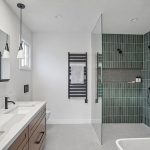
Are you looking to transform your space with a stylish and practical flooring option? Understanding tiled floor texture can make all the difference in achieving the look and feel you want.
Whether you want something sleek and modern or rustic and natural, the texture of your tile floor affects not just appearance but also comfort and safety. You’ll discover how different tile textures work, why they matter, and how to choose the perfect one for your home or project.
Keep reading to unlock the secrets that will help your floors stand out while fitting perfectly with your lifestyle.
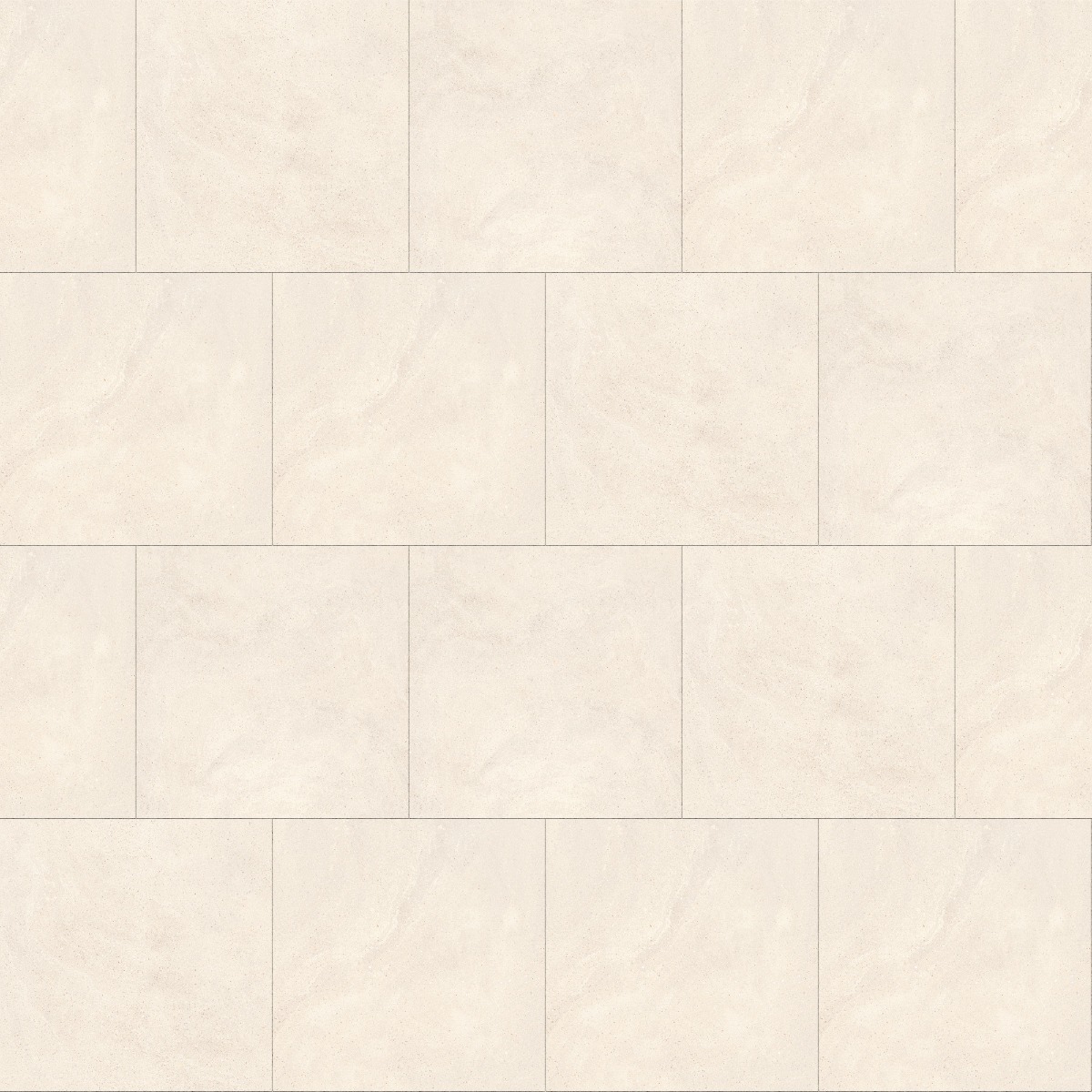
Credit: architextures.org
Tile Texture Basics
Tile texture plays a key role in the look and feel of tiled floors. It affects safety, comfort, and style. Understanding tile texture basics helps in choosing the right floor for any space. Texture can change how a tile looks and how it feels underfoot. It also impacts cleaning and maintenance.
Types Of Tile Textures
Tiles come in several texture types. Smooth tiles have a flat and shiny surface. They reflect light and feel cool to touch. Matte tiles have a dull finish with little shine. They hide dirt and scratches well. Textured tiles have raised patterns or rough surfaces. These add grip and can look like natural materials.
Some tiles mimic wood grain or stone surfaces. Others have geometric or abstract designs. Textured tiles often create a rustic or natural appearance. Choosing the right texture depends on the room’s use and style.
Materials For Textured Tiles
Textured tiles are made from many materials. Ceramic and porcelain are popular choices. They can be shaped and glazed with different textures. Natural stone tiles like slate and travertine have natural rough surfaces. These add an earthy look and feel to floors.
Other materials include glass and metal tiles. These offer unique texture options but are less common for floors. Wood-look tiles use porcelain or ceramic with wood grain textures. They combine wood’s beauty with tile’s durability.
Benefits Of Textured Floors
Textured floors provide better slip resistance. This makes them safer, especially in wet areas. They also hide dirt and marks better than smooth floors. Textured tiles add depth and character to rooms. They can make spaces feel warm and inviting.
These floors often require less frequent cleaning. The texture helps disguise wear and tear. Textured tiles offer a blend of beauty and function. They suit many spaces, from kitchens to outdoor patios.
Popular Tile Texture Styles
Tiled floor textures add character and depth to any room. They bring life to plain surfaces and create a unique atmosphere. Different tile textures fit different styles and preferences. Here are some popular tile texture styles that many homeowners and designers choose.
Stone-look Textures
Stone-look tiles mimic the appearance of natural stones like marble, slate, or granite. They offer a rugged and timeless look. These tiles often have a matte or slightly rough surface, simulating real stone. Stone textures provide durability and a classic feel. They suit kitchens, bathrooms, and outdoor areas well.
Wood-look Textures
Wood-look tiles resemble real wood planks but offer better water resistance. They show wood grain patterns and knots in various shades and finishes. These tiles bring warmth and coziness to spaces without the maintenance of wood. Ideal for living rooms and bedrooms, they blend style with practicality.
Geometric And Patterned Tiles
Geometric and patterned tiles display bold shapes and repeated designs. They create visual interest and dynamic floor layouts. Patterns range from simple lines to complex mosaics. These tiles brighten up spaces and add personality. Perfect for entryways or accent areas, they make floors stand out.
Creating A Textured Floor
Creating a textured floor adds depth and character to any space. Textured tile floors do not just look good; they also improve safety by reducing slipperiness. This section explores practical ways to create different textures on tiled floors. It helps you understand how to choose the right technique for your project.
Techniques For Adding Texture
One common method is hand-troweling, which leaves subtle ridges and patterns. Another approach is using textured rollers that imprint designs on the tile surface. Sandblasting can also roughen tiles, giving a natural stone effect. Each technique changes the floor’s feel and appearance in unique ways.
Using Molds And Impressions
Molds shape tiles during production, creating raised or recessed patterns. Impressions press into wet tiles to form textures like wood grain or brick. These methods allow consistent and repeatable designs. They work well for both ceramic and concrete tiles.
Matte Vs Glossy Finishes
Matte finishes offer a soft, natural look with less shine. They hide dirt and scratches better than glossy tiles. Glossy finishes reflect light and make spaces look larger and brighter. Choosing the right finish depends on style preference and room use.
Design Ideas For Different Spaces
Tiled floor texture can change how a room feels. Different spaces need different tile styles. Texture adds depth and character to floors. It also helps with safety by reducing slipperiness. Here are some ideas for using textured tiles in various rooms.
Textured Floors In Kitchens
Kitchens benefit from tiles that hide dirt and spills. Rough or matte textures work well here. They provide grip to prevent slips during cooking. Patterns like small stones or wood grain add warmth. Choose durable tiles that withstand heavy foot traffic. Textured tiles also help mask scratches and stains.
Bathroom-friendly Tile Textures
Bathrooms need tiles that resist water and stay safe. Textured finishes prevent slipping on wet floors. Pebble or wave patterns feel natural and soothing. Light colors with texture brighten small spaces. Avoid very smooth tiles to reduce accident risks. Tiles with a slight grip improve bathroom safety.
Living Room And Hallway Options
Living rooms and hallways welcome stylish tile textures. Large-format tiles with subtle texture create a modern look. Wood-look tiles add warmth without maintenance. Textures like leather or fabric impressions bring softness. Choose textures that match your room’s theme. Textured floors can guide flow through hallways.
Color And Pattern Choices
Choosing the right color and pattern for tiled floor texture shapes the room’s entire mood. These choices set the tone for the space, making it feel warm, cool, calm, or lively. Thoughtful selection enhances the room’s style and makes the flooring a key design feature.
Mixing Colors And Textures
Combining different colors creates depth and interest on tiled floors. Soft tones paired with bold shades add contrast without overwhelming the space. Mixing smooth and rough textures offers a tactile experience that draws attention. Use muted colors to balance vivid patterns for a harmonious look.
Creating Visual Interest With Patterns
Patterns add character to tiled floors and guide the eye across the room. Geometric shapes bring modern flair, while classic motifs offer timeless charm. Large patterns open up small rooms, making them feel larger. Small, intricate designs give cozy spaces a detailed touch.
Balancing Texture With Room Decor
Tile texture should complement the furniture and walls. Rough tiles pair well with soft fabrics and simple decor. Smooth tiles work best with textured rugs and layered accessories. Keep a consistent color palette to avoid visual clutter. Balance is key to a well-designed room.
Maintenance And Durability
Tiled floor textures add style and character to any space. Their maintenance and durability affect long-term appearance and safety. Proper care keeps tiles looking fresh. Durable tiles withstand daily use without damage. Understanding maintenance needs helps preserve tile beauty over time.
Cleaning Textured Tiles
Textured tiles need regular cleaning to avoid dirt buildup. Use a soft brush to reach grooves and uneven surfaces. Mild detergent mixed with warm water works best. Avoid harsh chemicals that can damage the texture. Rinse with clean water and dry with a soft cloth. Regular cleaning prevents stains and keeps tiles bright.
Wear And Tear Considerations
Textured tiles are generally strong but may show wear on high-traffic areas. Choose high-quality tiles for better resistance. Inspect tiles often for cracks or chips. Repair damaged tiles quickly to prevent further issues. Proper installation also improves tile durability. Avoid dragging heavy furniture to reduce surface scratches.
Slip Resistance And Safety
Textured tiles offer better grip than smooth tiles. This reduces the risk of slipping, especially in wet areas. Check the tile’s slip resistance rating before purchase. Use anti-slip treatments if needed for extra safety. Keep floors dry and clean to maintain traction. Proper safety measures protect everyone in your space.
Innovations In Tile Textures
Tile textures have seen many new ideas in recent years. These changes make floors look better and feel different underfoot. Designers and manufacturers use new methods to create unique tile surfaces. This boosts both style and function in tiled floors.
Innovations focus on how tiles look and how they work in homes and buildings. Technology plays a big role in making tile textures more interesting and useful. Here are some key advances changing the tile industry.
Digital And Procedural Textures
Digital tools help create tile textures with great detail. Designers use software to craft patterns that look very real. Procedural textures are made by algorithms, not just by hand. This allows for endless variations and precise control. These textures can mimic wood, stone, or other natural materials. The result is tiles that fit many styles and tastes.
Eco-friendly Textured Materials
New tile textures also focus on the environment. Manufacturers use recycled materials to create textured tiles. Some textures come from natural fibers or plant-based ingredients. These eco-friendly tiles reduce waste and pollution. They provide a green option without losing style or quality. Such materials also often add a warm, natural feel to floors.
Smart Tiles With Texture Features
Smart tiles combine texture with technology. These tiles may change texture based on touch or temperature. Some have sensors that improve safety, like anti-slip surfaces activating when wet. Others can clean themselves or adjust their temperature. Smart textured tiles offer new comfort and protection in homes and public spaces.
Credit: www.craiyon.com

Credit: www.freepik.com
Frequently Asked Questions
Can You Add Texture To A Tile Floor?
Yes, you can add texture to tile floors using molded finishes or surface treatments. Textured tiles improve grip and add visual appeal.
What Is The 1/3 Rule For Tile?
The 1/3 rule for tile means offsetting each row by one-third of a tile’s length. This creates a balanced, staggered pattern. It reduces visual monotony and hides grout lines better, enhancing the floor’s overall appearance and durability.
What Is A Textured Floor Tile?
Textured floor tiles have raised patterns or matte finishes that enhance grip and add visual interest. They prevent slipping and mimic natural surfaces.
What Is Tileable Texture?
A tileable texture repeats seamlessly across surfaces, creating consistent, continuous patterns without visible edges or breaks. Designers use it for easy, uniform backgrounds.
Conclusion
Tiled floor texture adds style and function to any space. It improves safety by reducing slips. Textured tiles come in many designs and materials. They fit well in kitchens, bathrooms, and living rooms. Cleaning and maintenance stay simple with the right choice.
Choose a texture that matches your décor and needs. This small detail can change a room’s entire look. Explore options to find the perfect tiled floor texture for you.