

Are you ready to transform your kitchen while making a smart, eco-friendly choice? Recycling luxury kitchens is more than just a trend—it’s a powerful way to save money, reduce waste, and give your home a fresh, stylish look.
Imagine turning your old cabinets and fixtures into something beautiful again, without the high cost or environmental impact of starting from scratch. You’ll discover how you can recycle your luxury kitchen effectively, where to take your old materials, and how this simple step can make a big difference for your wallet and the planet.
Keep reading to unlock the secrets of recycling luxury kitchens and see how easy it is to upgrade your space responsibly.
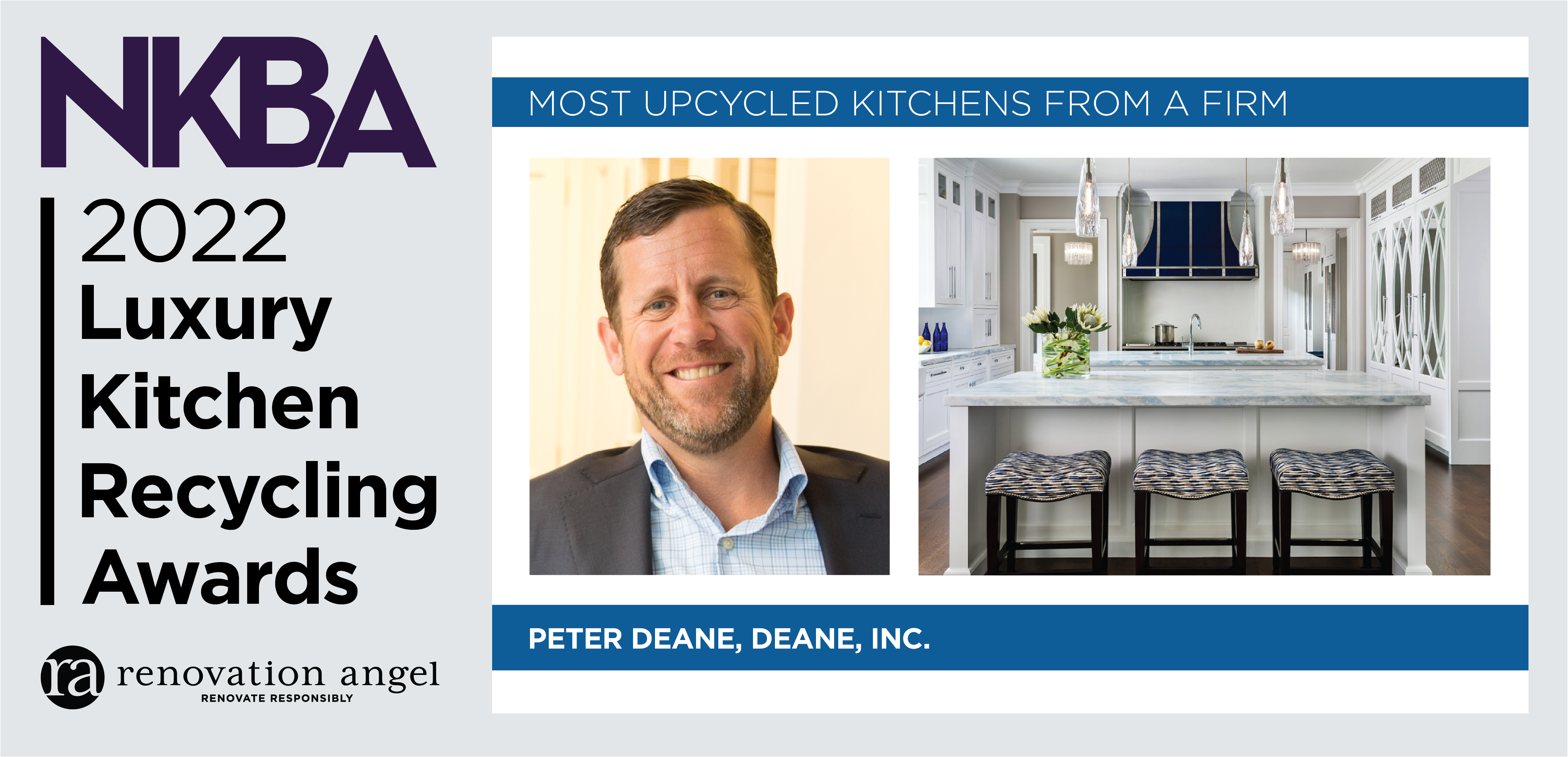
Credit: deaneinc.com
Benefits Of Recycling Luxury Kitchens
Recycling luxury kitchens offers many benefits beyond simply reducing waste. It supports environmental health, saves money, and can provide financial incentives. Choosing to recycle old kitchen materials helps extend their life and reduce demand for new resources.
Luxury kitchen components often use high-quality materials. Recycling them ensures these valuable materials are reused instead of discarded. This approach benefits homeowners and the planet alike.
Environmental Impact
Recycling luxury kitchens reduces landfill waste significantly. Materials like wood, metal, and stone get a second life. This lowers the need for new raw materials and decreases pollution. It also saves energy that would be used to produce new items. Recycling helps protect forests and reduces carbon emissions from manufacturing processes.
Cost Savings
Recycling kitchen components can cut renovation costs. Salvaged cabinets and countertops cost less than buying new ones. It reduces disposal fees and the need for additional materials. Reusing parts also shortens renovation time, saving labor costs. These savings make luxury kitchen upgrades more affordable.
Tax Incentives
Some regions offer tax benefits for recycling or donating kitchen materials. Homeowners may claim deductions for donated cabinets and appliances. These incentives encourage sustainable choices and reduce renovation expenses. Check local laws to learn about available tax credits or rebates. Claiming these benefits can make recycling even more rewarding.
Materials To Recycle
Recycling materials from luxury kitchens helps reduce waste and saves resources. Many parts of these kitchens can be reused or recycled. Knowing which materials to recycle makes the process easier and more effective.
Cabinets And Woodwork
Kitchen cabinets are often made from high-quality wood or composite materials. Solid wood cabinets can be refurbished or broken down for recycling. Untreated wood can be taken to local recycling centers. Veneer or laminated wood may need special disposal methods. Some parts of cabinets can be reused in new projects or donated.
Countertops And Surfaces
Countertops use materials like granite, quartz, marble, or laminate. Stone countertops can be crushed and reused in construction. Laminate surfaces are harder to recycle but may be repurposed. Recycled countertops reduce the demand for new raw materials. Proper disposal keeps harmful chemicals out of landfills.
Appliances And Fixtures
Kitchen appliances include ovens, refrigerators, and dishwashers. Many have metal and plastic parts that recycling centers accept. Old appliances can be refurbished or sold if still working. Fixtures like sinks and faucets are often made of metal. Metals are valuable and recyclable through scrap metal programs.
Methods For Recycling Kitchen Components
Recycling kitchen components reduces waste and saves valuable materials. Luxury kitchens often contain high-quality parts that deserve a second life. Choosing the right recycling method helps protect the environment and supports sustainable living. Here are some effective ways to recycle your kitchen components.
Donation And Resale Options
Donate gently used kitchen cabinets, appliances, and fixtures to local charities. Many organizations accept luxury kitchen items in good condition. Resale platforms also offer a way to sell parts and earn extra money. This extends the life of your kitchen materials and helps others renovate affordably.
Recycling Centers And Services
Recycling centers accept materials like wood, metal, and glass from kitchens. Specialized services handle appliances and electronic kitchen gadgets safely. Check local centers for accepted items and drop-off guidelines. Professional removal services ensure proper disposal and recycling of bulky kitchen parts.
Diy Repurposing Ideas
Turn old cabinets into shelves or storage units with simple tools. Countertops can become tabletops or garden work surfaces. Doors and drawer fronts can transform into picture frames or decorative wall art. Repurposing adds charm and reduces landfill waste creatively.
Challenges In Luxury Kitchen Recycling
Recycling luxury kitchens presents unique challenges. These kitchens use high-end materials and custom designs. Their recycling requires special care and planning. Different factors complicate the process and affect its success. Understanding these challenges helps improve recycling efforts and sustainability.
Material Complexity
Luxury kitchens combine many materials. Wood, metal, glass, and stone often appear together. Some materials have special finishes or treatments. Separating these materials for recycling is difficult. Some components need careful handling to avoid damage. The variety increases sorting time and cost.
Logistics And Removal
Removing luxury kitchen elements is not simple. Cabinets and appliances are often heavy and bulky. They need skilled labor to dismantle safely. Transporting these parts requires large vehicles. Many kitchens are in tight or hard-to-reach spaces. Proper planning ensures safe and efficient removal.
Market Demand For Used Components
Not all recycled kitchen parts find buyers easily. Luxury kitchen pieces are often custom-made. This limits their appeal to a small market. Some materials degrade over time or use. Finding buyers who want used parts can be challenging. Market demand influences how much can be reused or resold.
Case Studies From Austin, Texas
Austin, Texas shows how luxury kitchens can get a second life through recycling. This city combines innovation with care for the environment. Local projects highlight practical ways to recycle kitchen materials and reduce waste. These case studies offer useful examples for homeowners and businesses alike.
Local Recycling Centers
Austin has several centers that accept kitchen cabinets and fixtures. The Austin Recycle & Reuse Drop-off Center welcomes untreated wood and metal parts. They make sure materials go to proper recycling streams. Residents find it easy to drop off bulky kitchen items here. This helps keep landfills less crowded.
Success Stories
Many homeowners in Austin have transformed their kitchens by recycling old parts. One family reused cabinets to build new shelves in their garage. Another project involved donating gently used luxury fixtures to local charities. These actions saved money and reduced waste. Each story inspires others to think twice before tossing kitchen materials.
Community Initiatives
Groups in Austin promote recycling through workshops and events. They teach how to dismantle kitchens safely for recycling. Volunteers collect kitchen waste to give to artisans and woodworkers. This creates a cycle of reuse within the community. Such initiatives strengthen local bonds and support sustainability.
Choosing Sustainable Luxury Kitchen Brands
Choosing sustainable luxury kitchen brands helps reduce environmental impact. It supports eco-conscious living and brings elegance to your home. Sustainable brands focus on quality and responsibility. They use materials and designs that last longer and recycle better. This choice benefits your kitchen and the planet.
Eco-friendly Materials
Sustainable brands use natural and renewable materials. Bamboo, recycled wood, and reclaimed metals are common choices. These materials require less energy to produce. They avoid toxic chemicals that harm the environment. Using eco-friendly materials means less waste and pollution.
Modular And Recyclable Designs
Modular kitchens allow easy updates and repairs. Parts can be replaced without discarding the entire kitchen. Recyclable designs ensure components return to the production cycle. This reduces landfill waste and conserves resources. A modular, recyclable kitchen adapts to your needs and helps the planet.
Brand Certifications
Certifications prove a brand’s commitment to sustainability. Look for labels like FSC, GREENGUARD, or Cradle to Cradle. These ensure responsible sourcing and low emissions. Certified brands meet strict environmental and health standards. Choosing certified brands guarantees a truly sustainable luxury kitchen.
Future Trends In Kitchen Sustainability
The future of kitchen sustainability is bright and full of promise. Recycling luxury kitchens is evolving with new methods and ideas. These trends focus on reducing waste and reusing materials smartly. They aim to make kitchens eco-friendly without losing style or quality.
Innovations and changes in consumer behavior are shaping this future. People want kitchens that look good and help the planet. These trends will guide how kitchens are built, used, and recycled in the years to come.
Innovative Recycling Technologies
New recycling technologies are making kitchen waste easier to handle. Machines now break down old cabinets and countertops into reusable parts. Advanced sorting tools separate materials like wood, metal, and plastic. This means less waste ends up in landfills. Some companies even turn kitchen waste into raw materials for new products. These technologies save energy and reduce pollution. They help recycle kitchens with less effort and more success.
Circular Economy Models
Circular economy models focus on reusing and sharing kitchen materials. Instead of throwing away old parts, they get refurbished or recycled. Luxury kitchens can have components that are designed to be reused. This lowers the need for new raw materials. Businesses now offer kitchen leasing or take-back programs. These models reduce waste and lower costs for consumers. The circular economy helps create kitchens that last longer and harm the environment less.
Consumer Awareness And Behavior
Consumers are becoming more aware of kitchen sustainability. They choose brands that offer eco-friendly options. Many want kitchens made from recycled or sustainable materials. People also recycle their old kitchen parts instead of discarding them. Awareness drives demand for greener products and services. This pushes manufacturers to improve their recycling efforts. Consumers play a key role in making luxury kitchens sustainable for the future.

Credit: kbis.com

Credit: ediblejersey.ediblecommunities.com
Frequently Asked Questions
Where Can I Take My Old Kitchen Cabinets?
Take old kitchen cabinets to local recycling centers, donation spots, or eco-friendly junk removal services for proper disposal.
How To Dispose Of An Old Kitchen?
Donate usable cabinets, sell online, or give them away. Recycle materials at local centers. Use junk removal services for disposal.
How To Dispose Of Old Kitchen Cabinets?
Donate old kitchen cabinets if in good condition or sell them online. Reuse wood panels for DIY projects. Otherwise, dismantle and take them to a local recycling center or landfill. Contact eco-friendly junk removal services for convenient disposal. Always check local regulations for proper cabinet disposal.
Why Is Renovation Angel Closed?
Renovation Angel closed due to heavy debt with suppliers and conflicts between founder and employees. Its shutdown remains disputed.
Conclusion
Recycling luxury kitchens helps protect the environment and saves resources. Old cabinets and materials get a new life instead of waste. Choosing eco-friendly disposal reduces landfill impact and pollution. Many local centers accept untreated wood and kitchen parts. Donating or selling usable pieces supports others and cuts waste.
This approach also brings cost benefits and tax savings. Small changes in kitchen renovation create big environmental impacts. Embrace recycling to make your luxury kitchen greener and smarter.