
When it comes to designing your luxury kitchen, knowing the right measurements is more than just a detail—it’s the foundation of creating a space that feels spacious, functional, and truly elegant. You want a kitchen that not only looks stunning but works perfectly for your lifestyle.
Whether you dream of a grand island for entertaining or multiple work zones for smooth cooking flow, the size and layout can make all the difference. You’ll discover the essential measurements and design tips that will help you plan a luxury kitchen tailored to your needs—so you can enjoy every moment spent in your heart of the home.
Keep reading to unlock the secrets of perfect kitchen dimensions and transform your space into a masterpiece.
Luxury Kitchen Sizes
Luxury kitchen sizes vary widely based on the home’s scale and style. Space affects comfort, functionality, and design options. A larger kitchen offers room for top appliances and multiple work areas. Understanding typical dimensions helps plan a kitchen that meets lifestyle needs and aesthetic goals.
Luxury kitchens go beyond basic cooking spaces. They become social hubs and showcase areas. The size influences the number of features and how easily people can move around. Homeowners often choose sizes that allow for cooking, dining, and entertaining in one place.
Typical Dimensions
Most luxury kitchens range between 200 and 500 square feet. This size supports high-end appliances and multiple work zones. Designers often include three work zones: prep, cooking, and cleaning. Each zone usually has at least four feet of counter space. This layout keeps tasks organized and efficient.
A kitchen with 300 square feet allows a large island and extra storage. It provides enough room for family and guests. This size fits well in upscale homes without overwhelming the floor plan.
Mega-mansion Kitchens
Mega-mansion kitchens can exceed 1,000 square feet. These kitchens serve as grand entertaining spaces. They often include multiple islands, walk-in pantries, and separate dining areas. The large size accommodates many chefs and guests at once. Movement is easy, and every feature has room to shine.
Such kitchens may have specialized zones like wine storage, coffee bars, or dessert stations. The sheer space invites creativity in design and function. These kitchens are the heart of luxury estates.
Features That Expand Size
Several features add to a kitchen’s footprint. A spacious central island is common and often includes seating and appliances. Butler’s pantries provide extra storage and prep space. Separate breakfast nooks create casual dining areas close to the kitchen.
Integrated dining rooms or open plans blend the kitchen with living spaces. These design choices increase the kitchen’s usable area. They enhance flow and allow for versatile use. Such features make a kitchen feel larger and more welcoming.

Credit: www.amazon.com
Work Zones In Luxury Kitchens
Work zones in luxury kitchens create order and improve efficiency. These zones divide the kitchen into specific areas for different tasks. Each zone has enough space to allow smooth movement and easy access to tools and appliances. This layout supports multitasking and reduces clutter.
Luxury kitchens often follow a design guideline that includes three main work zones. Each zone has a dedicated countertop area of about four feet. This setup helps maintain a clean and organized kitchen while making cooking more enjoyable.
Prep Zone
The prep zone is for chopping and preparing ingredients. It is usually located near the refrigerator to keep fresh items close. This zone needs enough counter space for cutting boards and bowls. Good lighting and easy access to knives and utensils are essential here.
Cooking Zone
The cooking zone centers around the stove or cooktop. It requires space for pots, pans, and cooking tools. The area should have heat-resistant surfaces and proper ventilation. This zone is designed for safe and efficient meal preparation.
Cleaning Zone
The cleaning zone includes the sink and dishwasher. It needs sufficient space for washing dishes and cleaning up. Placing the trash bin nearby adds convenience. This zone helps keep the kitchen tidy during and after cooking.
Countertop Space Guidelines
Countertop space is crucial in luxury kitchen design. It affects both function and style. Proper measurements ensure smooth workflow and elegant appearance. Well-planned surfaces provide enough room for cooking, prepping, and cleaning tasks.
Designers recommend clear guidelines for countertop lengths and placement. These help create efficient zones while maintaining a spacious feel. Surfaces that serve multiple purposes add flexibility to the kitchen.
Minimum Lengths
Each countertop zone should be at least four feet long. This length provides enough space for food preparation and appliance use. A minimum of four feet supports comfortable working without crowding.
Shorter countertops limit movement and reduce efficiency. Luxury kitchens often exceed this minimum for extra comfort. Ample countertop length encourages neat and organized cooking areas.
Zone Placement
Countertops should be arranged to create distinct zones. Prep areas work best near the refrigerator. Cooking zones are located beside the stove or oven. Cleaning zones sit close to the sink and dishwasher.
Correct zone placement reduces unnecessary steps during meal preparation. It improves the kitchen’s flow and usability. Grouping related tasks within easy reach enhances productivity.
Multi-functional Surfaces
Multi-use countertops save space and add convenience. Surfaces can double as dining spots or baking stations. Installing durable materials supports various kitchen activities.
These flexible surfaces adapt to changing needs. They help maintain a clean and organized kitchen environment. Multi-functional countertops blend practicality with luxury style.

Credit: www.bkciandre.com
Work Triangle And Flow
The work triangle and flow are key concepts in luxury kitchen design. They focus on the relationship between the three main work areas: the refrigerator, stove, and sink. This layout helps reduce unnecessary movement, making cooking smoother and faster.
Good flow means moving easily between these zones without obstacles. It keeps the kitchen organized and comfortable. Proper measurements ensure the triangle is balanced, supporting efficient workflows in the kitchen.
Efficiency Principles
The work triangle aims to minimize walking distance between key areas. Each leg of the triangle should be between four and nine feet. This size helps speed up meal preparation and cleaning tasks.
Countertop space near each zone allows for easy access to tools and ingredients. Clear paths without clutter improve safety and comfort. These principles create a kitchen that feels natural and easy to use.
Flexibility In Design
Luxury kitchens vary in size and shape. The work triangle can adapt to open or closed layouts. Islands, peninsulas, and multiple cooking stations add flexibility.
Designers often adjust the triangle to fit personal habits and family needs. Some kitchens use zones instead of a strict triangle. This approach supports multiple cooks and diverse activities.
Adapting To Space Constraints
Small kitchens challenge the traditional work triangle. Designers use creative solutions like corner sinks or compact appliances. Vertical storage and pull-out counters maximize space.
Even with limited space, maintaining flow is possible. Grouping related tasks close together saves steps. Clever layouts keep the kitchen efficient without feeling cramped.
Layout Options
Choosing the right layout is vital for a luxury kitchen. It affects comfort, style, and workflow. Different layouts suit different spaces and lifestyles. Understanding popular options helps create a kitchen that feels spacious and efficient.
U-shape Kitchens
U-shape kitchens use three connected walls or counters. This creates a cozy work triangle between stove, sink, and fridge. The design offers plenty of countertop space. Storage is easy to organize along the three sides. It fits well in medium to large rooms. Chefs enjoy having all tools within arm’s reach. It also allows for multiple cooks without crowding.
Island Kitchens
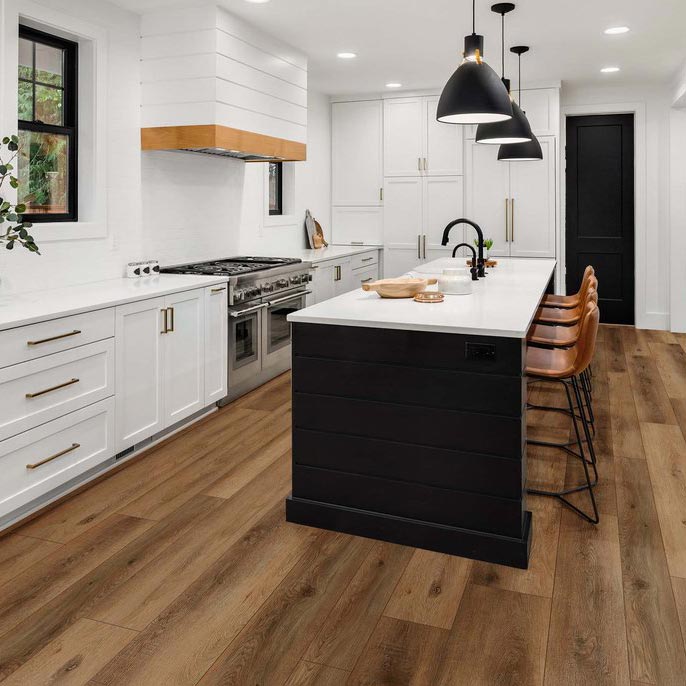
Island kitchens feature a central island apart from counters. The island adds workspace and storage in the middle. It can hold a sink, stove, or seating area. This layout works well in large kitchens. The island creates a social hub for family and guests. It improves flow by separating prep and cooking zones. Careful measurement ensures enough clearance around the island for easy movement.
Open Plan Designs
Open plan designs blend the kitchen with dining or living areas. This creates a spacious and airy feel. It encourages interaction while cooking or entertaining. The kitchen island or peninsula often divides the spaces. Open plans require smart layout choices to keep zones functional. They benefit from clear work triangles and defined prep areas. This style suits modern homes that value connection and flexibility.
Clearance And Walkways
Clearance and walkways play a crucial role in luxury kitchen design. These spaces ensure safety, comfort, and ease of movement. Proper measurements create a functional and inviting environment. They allow multiple people to work without crowding. Thoughtful planning of clearance enhances the kitchen’s usability and style.
Minimum Clearances
Minimum clearance standards prevent cramped spaces. Walkways between counters should be at least 42 inches wide. This width allows one person to move freely. For two people passing by, 48 inches is ideal. Clearance in front of appliances needs attention too. For example, a 30-inch clearance in front of ovens or refrigerators gives enough space to open doors fully.
Comfortable Movement
Comfortable movement means no obstacles in the way. Designers plan walkways to avoid tight corners and narrow paths. Spaces around islands should be wide enough for easy access. At least 48 inches around kitchen islands ensure smooth navigation. This space helps chefs work and guests move without bumping into each other. It also supports carrying hot dishes or large pots safely.
Accessibility Considerations
Luxury kitchens must be accessible to all users. Clearances should accommodate wheelchairs and mobility aids. A minimum of 36 inches wide walkways helps wheelchair users move comfortably. Lower countertops and reachable shelves improve accessibility. Thoughtful design includes easy-to-use appliances and controls. These features make the kitchen welcoming and practical for everyone.
Appliance And Storage Needs
Luxury kitchens demand careful planning for appliances and storage. Proper measurements ensure each appliance fits perfectly. Storage solutions keep the kitchen organized and clutter-free. These elements combine to create a functional and elegant space.
High-end Appliances
Luxury kitchens often include appliances with larger dimensions. Professional-grade ovens, wide refrigerators, and built-in coffee machines require ample space. Precise measurements prevent installation issues and allow for smooth workflow. Choosing the right size supports kitchen efficiency and style.
Pantry Options
Pantries in luxury kitchens offer abundant storage for food and supplies. Walk-in pantries provide easy access and organization. Custom shelving helps maximize space and keep items visible. Measuring pantry size carefully ensures it fits well within the kitchen layout.
Integrated Storage Solutions
Integrated storage blends seamlessly with kitchen design. Pull-out drawers, hidden cabinets, and built-in organizers save space. These solutions keep utensils, pots, and pans within reach but out of sight. Accurate dimensions maintain a clean and cohesive look in the kitchen.
Credit: floorzz.com
Cooking And Entertaining Factors
Designing a luxury kitchen means balancing cooking needs with space for entertaining. The kitchen must fit the number of cooks and their style. It should also provide a welcoming area for guests. These factors affect the size and layout of the kitchen.
Understanding these cooking and entertaining needs helps create a kitchen that works well and feels comfortable. Let’s explore key points to consider.
Number Of Cooks
The number of people cooking impacts kitchen measurements greatly. A kitchen for one cook needs less space than one for several cooks. Multiple cooks require more countertop space and wider walkways. This allows easy movement without bumping into each other. More cooks also mean multiple workstations for prep, cooking, and cleanup. Planning for this keeps the kitchen efficient and enjoyable.
Frequent Cooking Styles
Different cooking styles require different kitchen setups. For example, baking needs large counter space for dough and cooling racks. Cooking meals with many pots and pans requires more burner space and storage for utensils. Casual cooking might need fewer appliances and simpler layouts. Knowing the main cooking style helps decide appliance size and countertop length. This ensures the kitchen supports daily tasks smoothly.
Space For Guests
Luxury kitchens often serve as social hubs. Space for guests means adding seating areas or a large island. A kitchen island with bar stools invites guests to gather and chat. Open layouts connect the kitchen with dining or living areas. This creates a welcoming atmosphere. Allow enough room for guests to move comfortably without crowding the cooks. Ample space enhances both cooking and entertaining experiences.
Design Tips For Perfect Fit
Designing a luxury kitchen requires careful attention to measurements. The perfect fit means balancing space with usability. This section shares tips to help you create a kitchen that feels both spacious and practical. Planning ensures every inch serves a purpose.
Balancing Size And Function
Luxury kitchens often have large spaces. But size alone does not guarantee comfort. The kitchen must support daily tasks smoothly. Divide the space into zones for prep, cooking, and cleaning. Each zone should have enough countertop area to work comfortably. Avoid wasting space on oversized islands or cabinets.
Incorporating Personal Habits
Your lifestyle should shape the kitchen layout. Consider how many people cook at once. Think about preferred cooking styles and appliance use. Place frequently used items within easy reach. Customize storage to fit your habits, such as pull-out drawers for pots or spice racks near the stove. Personal touches improve flow and convenience.
Maximizing Efficiency
Efficiency reduces effort and saves time. Position the sink, stove, and fridge in a tight triangle. This layout minimizes walking distance. Use vertical space for extra storage without crowding counters. Choose appliances that fit the kitchen scale. Keep pathways wide enough for movement. Smart lighting and clear surfaces support fast, easy meal prep.
Frequently Asked Questions
What Is The Size Of A Luxury Kitchen?
A luxury kitchen typically ranges from 200 to 400+ square feet. It includes multiple work zones, high-end appliances, and spacious islands for efficiency and entertaining.
What Is The 3×4 Kitchen Rule?
The 3×4 kitchen rule suggests having three separate countertop zones, each at least four feet long, for prep, cooking, and cleaning tasks. This design improves workflow by creating distinct areas for food preparation, stove use, and washing, enhancing kitchen efficiency and organization.
What Size Is A Mansion Kitchen?
A mansion kitchen typically ranges from 300 to 600 square feet. It includes multiple work zones, large islands, and luxury appliances.
What Are Good Dimensions For A Kitchen?
Good kitchen dimensions include at least three separate countertop areas, each about four feet long, for prep, cooking, and cleaning zones. Ensure enough space for appliances and movement, typically a minimum of 150 to 200 square feet for efficiency and comfort.
Conclusion
Luxury kitchens combine style with smart measurements for comfort. Proper spacing creates smooth flow between prep, cooking, and cleaning zones. Ample countertop space, especially in each zone, helps keep tasks organized. Including features like islands or pantries adds function and elegance.
Choosing the right size fits your needs and home size. Thoughtful design makes cooking and entertaining a pleasure. Remember, balance between space and usability leads to the best kitchen experience.