Imagine having a helper who listens carefully, understands your every word, and acts instantly—without you lifting a finger. That’s exactly what virtual voice-controlled assistant devices do for you.
Whether you want to play your favorite song, check the weather, or control your smart home gadgets, these devices make it effortless. But have you ever wondered how they work or which one fits your lifestyle best? Keep reading, and you’ll discover everything you need to know to bring this smart technology into your daily routine—and make your life easier than ever before.
Voice-controlled Devices Basics
Voice-controlled devices are changing how we interact with technology. These devices respond to spoken commands, making tasks easier and faster. They use advanced technology to understand and act on what you say. Many homes now include these assistants to control lights, play music, or answer questions. Understanding the basics helps you use them better and choose the right device.
Core Technologies
Voice-controlled devices rely on three main technologies. First, voice recognition captures your spoken words. Next, natural language processing (NLP) helps the device understand your intent. Finally, speech synthesis allows the device to respond with human-like voice. These technologies work together to create a smooth user experience.
How They Work
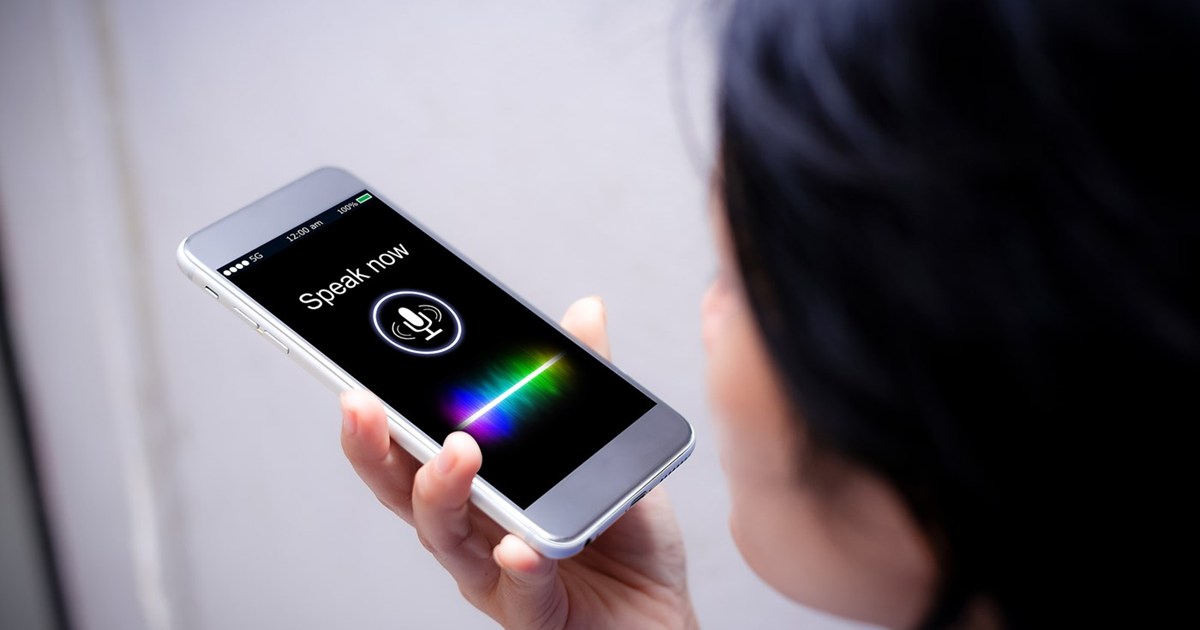
Devices wait for a wake word, like “Hey Siri” or “OK Google.” Once activated, they record your command and send it to cloud servers. There, the voice is analyzed, and the correct response is generated. The device then speaks or performs the requested action. This process happens quickly, often in seconds.
Popular Device Types
Smart speakers are the most common voice assistants. Examples include Amazon Echo and Google Home. Smartphones also have built-in assistants like Siri and Google Assistant. Other types include smart plugs, doorbells, and TVs with voice control. Each device offers unique features suited for different needs.

Credit: www.ft.com
Top Virtual Assistants
Virtual voice-controlled assistant devices have become part of daily life. They help with tasks using simple voice commands. These assistants work on smart speakers, phones, and other gadgets. Choosing the right assistant can improve convenience and productivity. The most popular virtual assistants stand out for their features and ease of use.
Amazon Alexa
Amazon Alexa is a widely used assistant found in Echo devices. It answers questions, controls smart home gadgets, and plays music. Alexa supports many skills, adding extra functions. Users can shop, get news, and set reminders with voice commands. It works well with many third-party apps and devices.
Google Assistant
Google Assistant is known for its powerful search and accurate answers. It runs on Android phones and Google Home speakers. Google Assistant helps with navigation, calendar events, and translations. It can control smart home devices and play media easily. Its voice recognition is fast and natural.
Apple Siri
Apple Siri is built into iPhones, iPads, and Macs. It helps with messaging, calls, and setting alarms. Siri integrates closely with Apple apps and services. Users can ask Siri to send texts or check the weather. It supports voice commands for smart home control via HomeKit.
Other Notable Assistants
Bixby is Samsung’s assistant, designed for Galaxy devices. It offers device control and personalized suggestions. Cortana by Microsoft helps with work tasks and reminders. It integrates with Windows and Office apps. There are also emerging assistants tailored for business and specialized needs.
Smart Home Integration
Smart home integration transforms everyday living spaces into connected hubs. Virtual voice-controlled assistant devices link various home gadgets. This connection allows easy and hands-free management of multiple functions. These assistants use simple voice commands to operate devices and improve daily routines.
Controlling Appliances
Voice assistants control lights, fans, and other appliances quickly. Say a command to turn devices on or off. Adjust settings like brightness or temperature with ease. This hands-free control saves time and effort. It also adds convenience for all family members.
Security Enhancements
Virtual assistants improve home security systems. They can lock doors or arm alarms by voice. Receive alerts about unusual activities on your phone. Some devices connect with cameras for live viewing. This helps keep your home safer and monitored.
Energy Management
Manage energy use efficiently with voice-controlled devices. Set schedules to turn off devices when not needed. Monitor real-time energy consumption through connected apps. This reduces waste and lowers electricity bills. Smart energy use benefits both wallet and environment.
Daily Uses And Benefits
Virtual voice-controlled assistant devices help simplify daily routines. They respond to spoken commands and perform many tasks. These assistants save time and reduce effort. They work through smart speakers, phones, or other gadgets connected to the internet. Using voice commands makes activities easier and hands-free.
Entertainment And Media
Assistants play music, radio, and podcasts on request. They can control TV shows and movies by voice commands. Users ask for news updates or weather reports anytime. These devices provide a hands-free way to enjoy media. They adjust volume and skip tracks without touching controls.
Scheduling And Reminders
Voice assistants manage calendars and set alarms quickly. They remind users about appointments and important dates. You can create to-do lists just by speaking. These features keep daily plans organized and on track. They help avoid missed meetings or forgotten tasks.
Communication And Information
They make phone calls or send messages using voice. Users get answers to questions from the internet instantly. Assistants translate languages or spell words aloud. They provide traffic updates and nearby places information. These devices improve communication and access to knowledge.
Choosing The Right Device
Choosing the right virtual voice-controlled assistant device is key to enjoying smart home benefits. Many options exist, each with unique strengths. Selecting one that fits your needs can improve daily tasks and convenience. Focus on device compatibility, privacy, and budget to find the best match for your home.
Compatibility Considerations
Check if the device works with your current gadgets. Some assistants pair better with certain smartphones or smart home products. For example, Apple users often prefer Siri, while Android users lean toward Google Assistant. Confirm the device supports your smart lights, plugs, or security cameras. Compatibility ensures smooth operation and fewer frustrations.
Privacy And Security
Privacy matters when using voice assistants. Review what data the device collects and how it is stored. Some brands offer options to delete recordings or limit data sharing. Choose devices with strong security features to protect your information. Trustworthy privacy policies help keep your home and data safe.
Budget And Features
Decide how much you want to spend on a voice assistant device. Budget models offer basic functions like setting timers or playing music. Higher-end devices add features such as better sound quality, smart home control, or screen displays. Balance your budget with the features you need most. Avoid paying extra for functions you will not use.

Credit: www.pcmag.com
Future Trends
The future of virtual voice-controlled assistant devices promises exciting changes. These devices will become smarter, more personal, and widely connected. Users will enjoy faster responses and better help in daily tasks. The following trends highlight what to expect next in this technology.
Ai Advancements
Artificial intelligence will improve the understanding of human speech. Devices will better recognize different accents and languages. They will handle complex questions and provide clearer answers. AI will also learn from users’ habits to offer smarter suggestions. This will make interactions smoother and more natural.
Enhanced Personalization
Voice assistants will adapt more closely to individual users. They will remember preferences, routines, and interests. This will allow devices to offer tailored reminders and recommendations. Personalization will extend to voices and responses, making devices feel more friendly. Privacy controls will grow, letting users choose what data to share.
Expanded Device Ecosystems
More devices will connect to voice assistants, creating larger ecosystems. Smart home gadgets, cars, and wearables will work together seamlessly. Users can control lighting, security, and entertainment with simple voice commands. Integration with other apps and services will increase. This will create a unified and convenient user experience.
Credit: www.discovertec.com
Frequently Asked Questions
What Are Voice-controlled Devices?
Voice-controlled devices respond to spoken commands using assistants like Alexa, Siri, or Google Assistant. They control smart home gadgets, play media, set reminders, and answer questions instantly. These devices use AI and internet connectivity to understand and execute user requests efficiently.
What Is The Best Virtual Assistant Device?
The best virtual assistant device depends on your needs. Amazon Echo suits home use, Google Assistant offers free versatility, and Siri works best for Apple users.
What Is A Voice-controlled Virtual Assistant?
A voice-controlled virtual assistant uses AI and voice recognition to perform tasks through spoken commands. It understands natural language and provides information or controls smart devices instantly.
What Is A Virtual Assistant Device?
A virtual assistant device uses AI and voice recognition to perform tasks via voice commands. Examples include smart speakers and smartphones. It connects to the internet to play music, set reminders, control smart home devices, and provide information instantly.
Conclusion
Virtual voice-controlled assistant devices offer easy, hands-free help daily. They listen, understand, and act on your commands quickly. These devices make tasks like playing music, setting reminders, or controlling smart homes simple. They work well with many gadgets and apps to fit your needs.
As technology grows, voice assistants become smarter and more useful. Trying one can save time and reduce effort in many ways. Embrace this tech to make your life smoother and more connected.