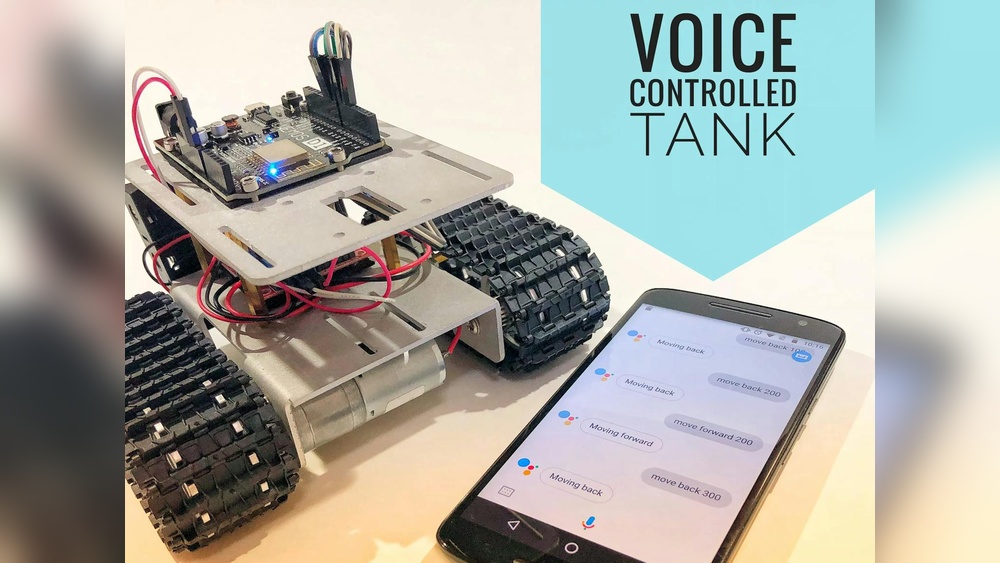

Imagine controlling your home, gadgets, or even your phone just by speaking to them. No more fumbling for remotes or tapping screens—your voice becomes the ultimate command.
Voice controlled electronic devices are changing the way you interact with technology, making life simpler, faster, and more convenient. Whether you want to turn on the lights, play your favorite song, or check the weather, everything is just a word away.
Curious how this works and what devices can transform your daily routine? Keep reading to discover how voice control can unlock a smarter, hands-free lifestyle tailored just for you.
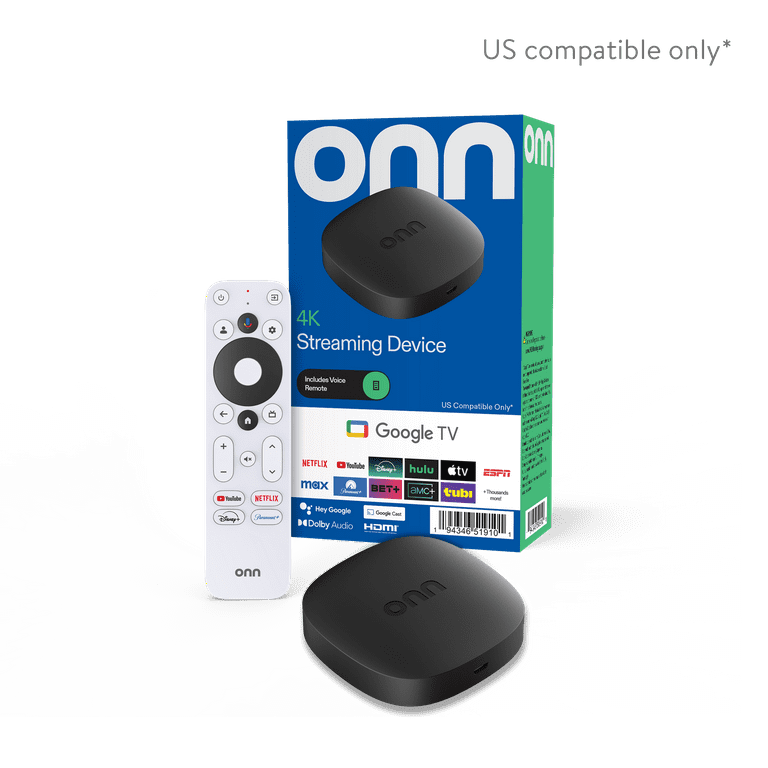
Credit: www.walmart.com
Voice Control Basics
Voice control basics introduce how electronic devices respond to spoken commands. These devices simplify tasks and improve accessibility. Voice control uses sound recognition and smart software to act on your requests.
Understanding the core elements of voice control helps users interact confidently with technology. It involves voice assistants, different types of devices, and how commands are processed. Each part plays a key role in the voice control system.
Common Voice Assistants
Voice assistants are software that recognize and respond to speech. Popular ones include Amazon Alexa, Google Assistant, and Apple Siri. They help manage tasks, answer questions, and control smart devices.
These assistants work on many devices like phones, speakers, and TVs. They listen for “wake words” to start processing commands. Their popularity grows as they become more accurate and useful.
Types Of Voice Devices
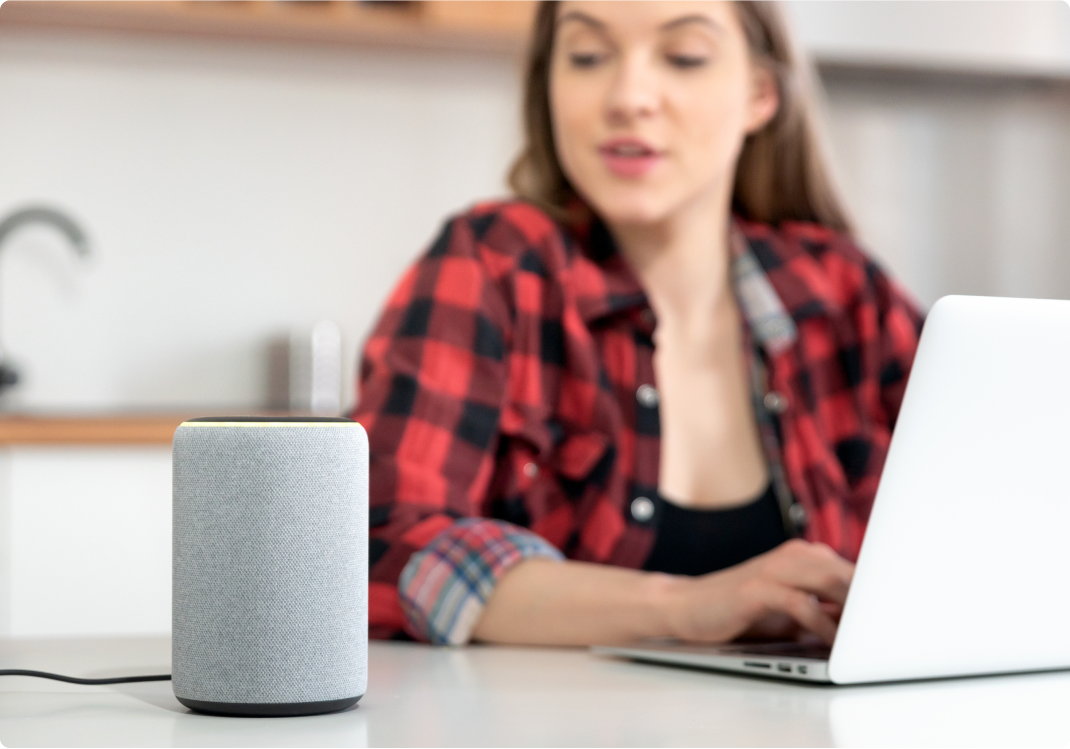
Voice devices vary from smart speakers to home appliances. Smart speakers like Amazon Echo or Google Nest are common. They play music, set timers, and control smart homes.
Other devices include smart TVs, thermostats, and security cameras. Some phones also have built-in voice control features. Even lights and plugs can respond to voice commands now.
How Voice Commands Work
Voice commands start when a device hears a wake word. It records the command and sends it to a cloud server. There, the speech is converted into text and analyzed.
The system identifies the user’s intent and sends back instructions. The device then performs the requested action. This process happens quickly, making voice control feel natural.
Smart Home Integration
Smart home integration brings voice controlled electronic devices together into one connected system. It allows easy management of household appliances using simple voice commands. This technology helps create a more convenient and efficient living space.
With smart home integration, users can control lights, thermostats, and security systems without touching a single switch. The devices communicate with each other through a central hub or app, making home automation seamless and accessible for everyone.
Compatible Appliances
Many appliances work well with voice control systems. Smart lights, plugs, and thermostats are the most common. Kitchen gadgets like coffee makers and ovens can also connect. Security cameras and door locks respond to voice commands too. Always check if your device supports popular platforms like Alexa, Google Assistant, or Siri.
Setting Up Devices
Start by connecting your voice assistant to the home Wi-Fi network. Then link compatible appliances through the assistant’s app. Follow simple steps to add devices and assign them to rooms. This setup allows easy voice commands for specific areas. Regular updates keep your system secure and working smoothly.
Automation With Voice
Automation lets you perform tasks hands-free with a single command. You can turn off all lights by saying, “Goodnight.” Schedule routines like morning coffee or adjusting the thermostat automatically. Voice commands can trigger multiple devices at once. This saves time and adds comfort to daily life.
Voice Devices For Seniors
Voice controlled electronic devices offer seniors an easy way to manage daily activities. These tools respond to simple voice commands, reducing the need to use complex controls. They help seniors stay independent, connected, and safe in their own homes. Voice devices are designed to be user-friendly, with clear responses and helpful functions tailored to older adults.
Simplifying Daily Tasks
Voice devices help seniors perform tasks without physical effort. They can turn on lights, adjust thermostats, or play music by speaking. Setting reminders for medication or appointments is simple and fast. These devices reduce the need to handle small buttons or screens, making daily routines smoother. Seniors can control appliances and get information easily, improving their quality of life.
Popular Devices For Seniors
Many voice assistants work well for seniors. Amazon Alexa and Google Home are among the most popular. Both offer clear voice interaction and easy setup. Devices like the Amazon Echo Show add a screen for video calls and visual aids. Some phones come with built-in voice control to help with calling and messaging. These tools are affordable and designed with seniors’ needs in mind.
Enhancing Safety And Connectivity
Voice devices improve home safety for seniors. They can call for help during emergencies by voice command. Smart locks and cameras can be controlled without touching them. Staying connected with family and friends is easier with voice-activated video calls. These devices provide peace of mind and support social interaction, reducing feelings of loneliness.
Privacy And Security
Voice controlled electronic devices bring ease to daily tasks. Their convenience raises important questions about privacy and security. Understanding these issues helps users stay safe while enjoying smart technology.
Always Listening Concerns
Most voice devices listen continuously for wake words. This means microphones are always active in the background. Users worry about unintended recording or spying. The device processes sounds locally until it hears its trigger word. Yet, this constant listening can feel intrusive to some people.
Data Protection Measures
Manufacturers use encryption to secure voice data. Data is sent to secure servers only after activation. Companies often anonymize recordings to protect identity. Regular software updates fix security vulnerabilities. Users should choose brands that prioritize strong data protection.
User Control Options
Users can mute microphones to stop listening. Many devices offer clear settings to delete voice recordings. Some allow voice commands to manage privacy preferences. Reviewing and adjusting these options gives users more control. Understanding settings helps keep personal data safe.
Voice Phones And Accessibility
Voice phones improve accessibility for many users. They help people with limited mobility or vision use phones easily. Voice commands let users call, text, and navigate without touching the screen. These features make phones more inclusive and user-friendly. Voice technology continues to grow, making communication simpler for everyone.
Built-in Voice Features
Most modern smartphones include built-in voice assistants. Google Assistant, Siri, and Alexa respond to simple voice commands. Users can make calls, send messages, and open apps hands-free. These features help people who struggle with traditional phone use. Voice control also speeds up everyday tasks.
Specialized Voice Phones
Specialized voice phones target users with specific needs. These phones have large buttons and easy-to-read screens. They often include a dedicated voice command button. The interface is simple for quick access to calling and texting. These devices support users with disabilities or seniors.
Setting Up Voice Access
To set up voice access, go to your phone’s settings. On Android, open Settings > Accessibility > Voice Access. Enable the feature and follow prompts to grant permissions. On iPhone, open Settings > Accessibility > Voice Control. Turn on Voice Control and customize commands. Setup is quick and guides users step-by-step.
Credit: www.ahs.com
Diy Voice Control Projects
DIY voice control projects allow tech enthusiasts to create personalized smart devices. These projects help users control electronics using simple voice commands. Building your own voice-controlled devices saves money and adds custom features. It also enhances learning about programming and electronics.
Many DIY projects use affordable hardware and open-source software. They work without relying on big companies or cloud services. This keeps your data private and improves response speed. Below are some popular DIY voice control project ideas.
Arduino Voice Appliances
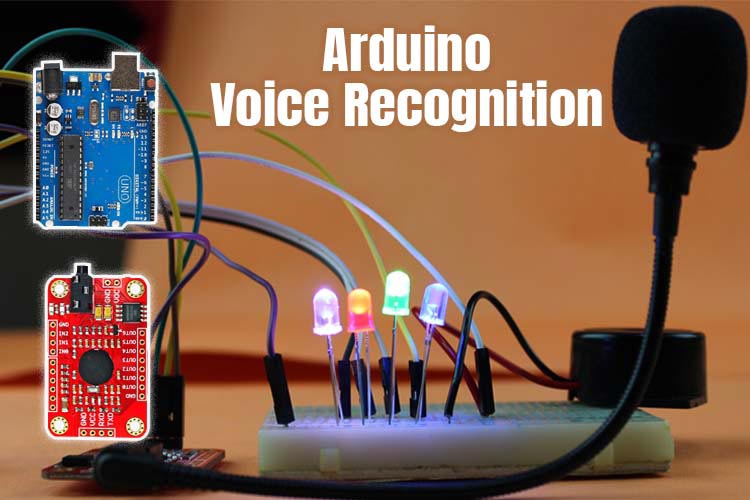
Arduino boards are perfect for voice-controlled gadgets. They are low-cost and easy to program. Using Arduino, you can build voice-activated lights, fans, or alarms. Simple voice recognition modules connect directly to Arduino. This setup works well for beginners and hobbyists.
Arduino voice appliances do not need an internet connection. You can control devices by speaking short commands. Many tutorials and code examples are available online. These projects help users understand how voice signals translate into actions.
Offline Voice Control
Offline voice control means your device does not rely on the internet. This protects your privacy and reduces delays. You can use open-source voice recognition software like PocketSphinx. These tools run directly on small computers or microcontrollers.
Offline voice control is ideal for sensitive environments or areas with poor internet. It allows you to control home devices without sending data to the cloud. Many DIY kits include offline voice modules for secure operation.
Custom Smart Home Solutions
Custom smart home solutions let you tailor voice control to your needs. You can integrate multiple devices like lights, thermostats, and locks. Use platforms like Home Assistant or OpenHAB to connect voice commands to your appliances.
Building your own smart home system offers flexibility and control. You decide what commands to use and which devices to connect. It also lets you add unique features not found in commercial products.
Future Trends
The future of voice controlled electronic devices holds exciting possibilities. These devices will become smarter, faster, and more useful. Many industries will adopt voice technology to improve daily life. Expect new features and better performance that make interactions easier.
Developers work to make voice commands more natural and accurate. Device makers aim to create seamless connections between gadgets. User experience remains a top priority with constant improvements.
Advancements In Voice Tech
Voice recognition will become more precise and faster. Devices will understand different accents and languages better. Noise reduction will improve, allowing commands in busy places. Artificial intelligence will predict user needs and respond proactively. These advances will make voice control more reliable and convenient.
Expanding Device Ecosystems
Voice control will spread to more types of devices. Smart homes, cars, and wearable tech will link through voice commands. Businesses will use voice assistants for customer service and operations. Interoperability between brands will improve, letting devices work together smoothly. This growth will create a fully connected, voice-enabled world.
Improving User Experience
Interfaces will become more intuitive and user-friendly. Devices will learn from user habits to offer personalized responses. Privacy and security features will advance to protect data. Voice assistants will handle complex tasks with fewer errors. These changes will make voice control more accessible and enjoyable for everyone.
Credit: quartzcomponents.com
Frequently Asked Questions
What Are Voice-controlled Devices?
Voice-controlled devices respond to spoken commands using assistants like Alexa, Google Assistant, or Siri. They include smart speakers, plugs, and appliances. These devices simplify tasks by enabling hands-free operation and smart home control through natural voice interaction.
What Are The Voice Activated Devices For Seniors?
Voice-activated devices for seniors include Amazon Alexa, Google Home, and smart speakers. They simplify tasks and enhance independence.
Are Voice-activated Devices Always Listening?
Voice-activated devices constantly listen for wake words like “Alexa” or “Hey Siri. ” They only start recording after detecting these triggers. This background listening enables quick responses without recording all conversations.
Which Phones Are Voice Activated?
Voice-activated phones include modern smartphones with Google Assistant or Siri. Specialized devices like RealSAM and Samsung Haven aid users with limited mobility. Enable voice control via Settings > Accessibility on Android or iPhone for hands-free operation and voice commands.
Conclusion
Voice controlled electronic devices make daily tasks simpler and faster. They respond quickly to your voice commands without needing hands. These devices improve convenience at home and work. Many models support various languages and accents. Privacy concerns exist but can be managed with settings.
As technology grows, voice control will become even more common. Trying these devices can help you stay connected and efficient. Embrace the ease of voice control and enjoy smart living.