

Imagine your smart home getting even smarter. Amazon is shaking things up by amplifying its Alexa line of voice-controlled devices, promising a new wave of innovation powered by advanced AI.
If you rely on Alexa to manage your daily tasks, control your gadgets, or simply entertain you, this shift could change how you interact with your home technology. But what does this mean for your current devices, your privacy, and your wallet?
Keep reading to discover how Amazon’s bold move with Alexa Plus might transform your experience—and why it’s time to rethink what you expect from your voice assistant.

Credit: www.amazon.com
Alexa’s Financial Challenges
Amazon’s Alexa has transformed many homes with voice-controlled convenience. Yet behind its popularity lies a tough financial reality. Alexa’s division has struggled to turn a profit despite strong market demand. Amazon faces rising costs and fierce competition in the smart speaker space. These challenges have pushed the company to rethink its approach and explore new ways to make Alexa financially sustainable.
Billions In Losses
Alexa has generated billions in losses for Amazon over several years. The cost of hardware, cloud services, and research adds up fast. Amazon sells many Echo devices at low prices or even at a loss to attract users. This strategy helped grow Alexa’s user base but hurt the bottom line. Significant investments in AI and voice technology also increase expenses. These financial pressures highlight the need for a more balanced business model.
Need For New Revenue Models
Amazon now aims to shift Alexa’s business toward new revenue streams. The company is focusing on subscription services like “Alexa Plus.” This paid service offers advanced AI features and cloud-based processing. Subscription fees could provide steady income to offset hardware losses. Amazon is also scaling back support for older, less profitable devices. These moves show a clear focus on generating sustainable revenue beyond device sales.
Shift To Subscription Model
Amazon is changing how it offers Alexa services. The company is moving from one-time device sales to a subscription model. This shift aims to create steady income and improve Alexa’s smart capabilities. Users will access better features through a paid plan called Alexa Plus. This change affects both hardware and software.
Introduction Of Alexa Plus
Alexa Plus is a new subscription service from Amazon. It provides advanced AI features and faster responses. Subscribers get access to generative AI tools that older devices do not support. This service requires users to pay monthly fees for premium Alexa functions. Amazon hopes this model will reduce financial losses from Alexa devices. Alexa Plus also encourages users to stay connected with cloud-based updates.
Cloud-based Processing Focus
Amazon is shifting Alexa’s processing power to the cloud. Older devices processed commands locally, limiting their capabilities. Now, Alexa uses cloud servers for smarter and faster responses. This change helps Amazon improve AI learning and voice recognition. Cloud processing also allows easier updates and new feature releases. Users must have a strong internet connection to use Alexa Plus effectively. This focus on cloud technology supports Amazon’s subscription goals and future expansions.
Changes In Devices And Features
Amazon is changing its Alexa devices and features to focus on new technology. These changes affect both hardware and software. The goal is to improve Alexa’s AI and service quality. Some older devices and features will no longer be supported. Users may see a shift towards cloud-based services and subscription models.
The company is simplifying its product line. It wants to deliver better performance with fewer device types. This means some familiar features will disappear. The changes also reflect Amazon’s effort to cut costs and boost profits.
Discontinuation Of Older Echo Devices
Amazon is stopping the production of many older Echo devices. These devices will no longer receive updates or new features. Users with these models might experience reduced functionality over time. The focus is now on newer, more powerful Echo models. This move helps Amazon allocate resources to better products.
Removal Of On-device Processing
Some newer Echo devices have lost on-device processing capabilities. This means Alexa no longer processes commands locally. Instead, all voice data is sent to the cloud for analysis. Cloud processing allows more advanced AI functions. However, it may cause concerns about privacy and speed.
Streamlining Hardware For Ai
Amazon is focusing its hardware on supporting advanced AI features. Devices are now designed to work better with cloud-based AI systems. This streamlining reduces device complexity and cost. It also helps deliver a more consistent user experience. The new focus is on AI-powered services, not just hardware.

Credit: www.amazon.com
User Experience Impact
Amazon’s new direction for Alexa changes how users interact with their devices. The focus shifts to cloud-based services and subscription plans. These changes affect privacy, functionality, and costs for many users.
Users notice differences in device performance and feature access. Some enjoy new AI capabilities, but others face limitations on older gadgets. Understanding these impacts helps users adapt to the evolving Alexa ecosystem.
Privacy Concerns With Cloud Dependency
Alexa now relies more on cloud processing than before. This means user data moves to remote servers for analysis. Some users worry about data security and personal information safety.
Cloud dependency can increase risks of data breaches or unauthorized access. Users who value privacy may hesitate to use new Alexa features. Transparency about data use becomes more important.
Loss Of Functionality On Older Devices
Many older Echo devices no longer receive updates or new features. Basic functions on some models have been removed. This leaves some users with limited device capabilities.
Older devices may feel slow or less responsive compared to newer models. Users might need to replace devices to access full Alexa functions. This shift can cause frustration and inconvenience.
Subscription Push For Latest Features
Amazon introduces “Alexa Plus,” a subscription for advanced AI features. Free users get fewer updates and basic service only. Paying customers gain access to the latest tools and improvements.
This subscription model changes how users pay for Alexa. Some may find it costly to keep up with new features. Others might choose to stick with older versions or simpler functions.
Alexa Vs Echo Devices
Amazon’s Alexa and Echo devices often cause confusion. Many people think they are the same. Alexa is the voice assistant software. Echo devices are the physical gadgets that use Alexa. Understanding the difference helps in choosing the right product.
Voice Assistant Vs Hardware
Alexa is a smart voice assistant powered by artificial intelligence. It listens to commands and answers questions. Alexa can control smart home devices, play music, and provide news updates.
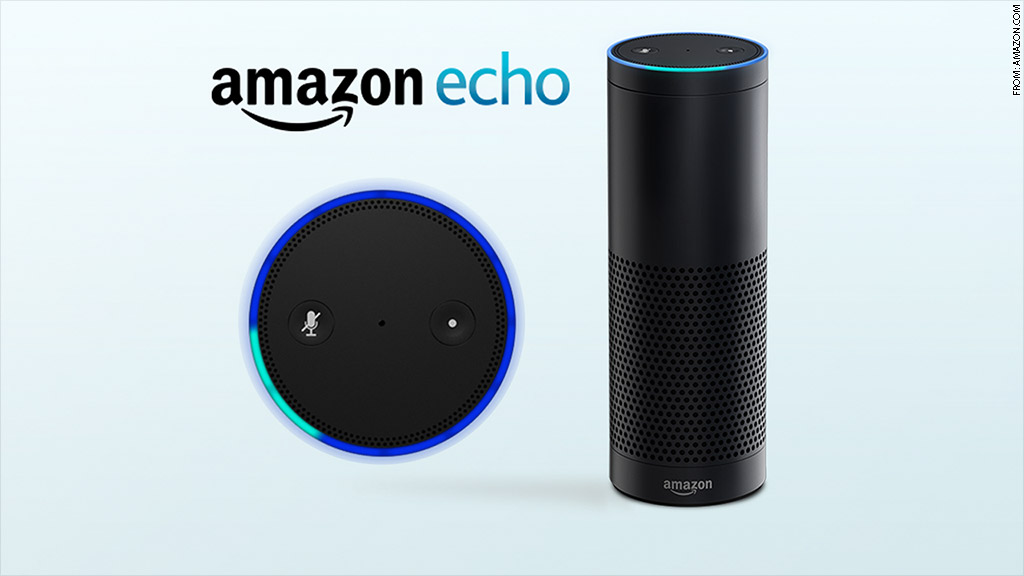
Echo devices are the hardware that hosts Alexa. These include speakers, displays, and smart clocks. The devices have microphones to hear Alexa’s wake word and speakers to respond. They come in various shapes and sizes to fit different needs.
Simply put, Alexa is the brain, and Echo devices are the body. Alexa works on many devices, not only Echo, such as some smart TVs and headphones.
Device Compatibility With Alexa Features
Not all Echo devices support every Alexa feature. Newer models usually have the latest updates. Older devices may lose some functions over time.
Alexa features like voice calls, routines, and smart home control work best on recent Echo devices. Some features require more powerful hardware or cloud support.
Amazon focuses on subscription services like Alexa Plus to enhance features. This means users with older Echo devices might miss out on new tools.
Check device compatibility before buying to ensure full Alexa experience. Compatibility depends on device age, model, and software updates.
Alexa Plus Pricing
Amazon has introduced a new pricing model for its Alexa Plus service. This update changes how users access advanced Alexa features. Alexa Plus offers more AI-driven capabilities and cloud processing power. Understanding the pricing details helps users decide if the service fits their needs.
Free Access For Prime Members
Amazon offers free access to a basic Alexa version for Prime members. This version includes standard voice commands and skills. Prime users can enjoy many Alexa features without extra cost. However, the free version has limits on AI capabilities and cloud processing. It suits users who want simple smart home control and entertainment options.
Comparison With Free Alexa Version
Alexa Plus requires a subscription fee, unlike the free version. The paid service adds advanced AI features and faster response times. It improves voice recognition and personalized routines. Alexa Plus also supports more smart home devices and integrations. The free version lacks these enhanced functions. Users who want deeper Alexa interaction may find Alexa Plus worth the price.
Future Of Alexa’s Ai Integration
Amazon is shifting Alexa towards deeper AI integration. This change aims to enhance Alexa’s intelligence and interaction. The new focus is on making Alexa smarter and more helpful every day.
Alexa will use more advanced AI models to understand users better. This will create more natural conversations and faster responses. The future Alexa will feel more like a personal assistant than just a device.
Generative Ai-powered Enhancements
Alexa will soon include generative AI capabilities. This means Alexa can create unique content, like stories or personalized suggestions. It will help users with creative tasks and daily routines.
Generative AI allows Alexa to generate responses beyond pre-set answers. This makes interactions richer and more flexible. Users can expect more intelligent and context-aware replies.
Focus On Ai-driven User Experiences
Amazon is designing Alexa to learn user habits and preferences. This AI-driven approach will offer more tailored assistance. Alexa will predict needs and suggest helpful actions proactively.
Voice commands will become more conversational and less rigid. Alexa will understand follow-up questions and complex requests better. The experience will feel smoother and more natural for users.
Credit: 9to5toys.com
Frequently Asked Questions
Why Are People Getting Rid Of Alexa?
People are getting rid of Alexa due to discontinued features, privacy concerns, and Amazon pushing a paid AI subscription model.
What Is The Monthly Fee For Alexa?
Alexa’s basic version is free to use. Alexa Plus, the AI-powered subscription, comes included with Amazon Prime at no extra monthly fee.
What’s The Difference Between An Alexa And An Echo?
Alexa is Amazon’s voice assistant software. Echo is the smart speaker device that uses Alexa to perform tasks and answer questions.
What Are The Changes To Alexa In March 2025?
In March 2025, Amazon discontinues many older Alexa devices and features. It launches “Alexa Plus,” a subscription AI service focusing on cloud-based processing. Users must subscribe for advanced features. Older devices lose updates and some functions, raising privacy concerns due to increased cloud dependency.
Conclusion
Amazon is reshaping its Alexa device lineup with clear focus. Older Echo models lose some features as new AI-powered options rise. Users face changes, including subscription needs for advanced functions. Privacy concerns grow with more cloud-based processing involved. This shift shows Amazon’s plan to build a smarter, subscription-driven Alexa experience.
Staying updated means adapting to these changes in voice tech. Alexa’s future will depend on how users accept this new path. The evolution continues, blending convenience with fresh challenges for all.