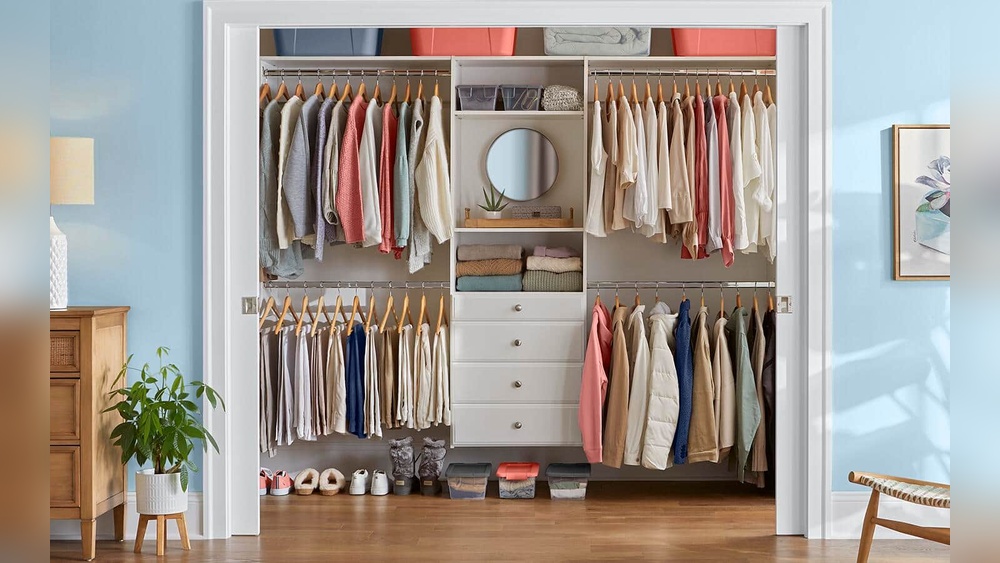

Is your small closet bursting at the seams, making it hard to find what you need? You’re not alone.
Organizing a small closet space can feel like solving a tricky puzzle, but with the right approach, you can transform your cramped area into a neat, functional haven. Imagine opening your closet and instantly spotting your favorite outfit without the frustration.
This guide will show you simple, smart ways to maximize every inch of your closet. You’ll learn how to declutter, use vertical space wisely, and pick storage solutions that fit your lifestyle. Ready to turn your small closet into a well-organized space that works for you? Keep reading and discover easy steps to make your closet feel bigger and more inviting.
:strip_icc()/toiletry-towel-storage-closet-5EwTK-qWKAS9odZU8wCPlU-2-a4ffcd03c95841bc949ff56b156a0812.jpg)
Credit: www.bhg.com
Declutter And Sort
Decluttering and sorting form the foundation of organizing a small closet space. This step frees up room and makes it easier to find your clothes. Begin by taking everything out of the closet. This helps you see all items clearly and decide what to keep.
Remove Unnecessary Items
Start by removing clothes and accessories you no longer wear. Check for damaged or outdated pieces. Donate or recycle items in good condition. Toss anything that is stained or torn beyond repair. This creates space and reduces clutter.
Group Clothes By Type
Sort your clothes into categories like shirts, pants, dresses, and jackets. Keep similar items together for easy access. This method helps you spot duplicates or items you rarely use. Grouping also allows you to plan storage better.
Separate By Frequency Of Use
Divide clothes based on how often you wear them. Place everyday items at eye level or within easy reach. Store special occasion and seasonal clothes higher up or in bins. This system saves time and keeps your closet tidy.
Maximize Vertical Space
Maximizing vertical space transforms a small closet from cramped to roomy. Walls hold more than just paint and hooks. Using height efficiently creates extra storage without clutter.
Look up instead of out. Fill tall spaces with smart solutions that fit your needs. This approach frees floor and shelf areas for other items. Vertical organization keeps clothes and accessories neat and easy to reach.
Add A Second Hanging Rod
Installing a second hanging rod doubles your hanging space. Use the lower rod for shorter items like shirts and pants. The top rod holds longer pieces such as dresses and coats.
This simple addition divides your closet vertically. It helps keep clothes organized by type. You save room by stacking hanging areas instead of spreading out.
Install Floating Shelves
Floating shelves use wall space without bulky supports. They hold folded clothes, shoes, or boxes. Shelves can be placed at any height to fit your needs.
Choose narrow shelves to keep the closet airy. Arrange items by frequency of use. This method keeps essentials within easy reach. It also adds style and order to the closet.
Use Shelf Dividers
Shelf dividers keep stacks of clothes tidy. They stop piles from toppling and mixing. Dividers help you separate different types of items clearly.
Place them on any shelf to create sections. This makes it easier to find what you need quickly. Shelf dividers also improve the overall look of the closet.
Utilize Door And Wall Space
Small closets often lack space for all your items. Using door and wall space adds valuable storage without crowding. These areas are perfect for keeping accessories and small items organized. Making use of vertical and hidden spaces keeps the closet neat and easy to access.
Over-the-door Organizers
Over-the-door organizers hang on the back of the closet door. They hold shoes, scarves, or cleaning supplies in clear pockets or shelves. These organizers save floor and shelf space by using an often ignored area. Choose slim designs to avoid blocking the door from closing fully.
Install them easily without tools or damage to walls. Look for sturdy materials that hold weight well. Over-the-door racks can also store hats, belts, or jewelry. This keeps frequently used items within reach and off crowded shelves.
Install Hooks For Accessories
Hooks on walls or the closet door hold bags, hats, and jewelry. They keep these items visible and untangled. Install hooks at different heights to fit various accessories. Use adhesive hooks if you want a no-damage option.
Hooks create extra spots for things that usually get lost or cluttered. Group similar items on one hook for easy finding. This simple step adds storage without needing extra shelves or drawers. Hooks work well for small spaces and keep your closet organized.
Choose Space-saving Hangers
Choosing the right hangers can change how much space your small closet holds. Space-saving hangers keep clothes neat and make your closet look bigger. They help you fit more items without clutter. This simple switch can improve organization and ease of use every day.
Switch To Slim, Uniform Hangers
Slim hangers take up less room than thick, bulky ones. Using the same type of hanger creates a clean, uniform look. It also helps clothes hang evenly and prevents overcrowding. Slim hangers made of velvet or thin plastic keep clothes from slipping. This small change frees up extra space and makes your closet easier to browse.
Hang Clothes By Category
Group similar clothes together on your hangers. Keep shirts, pants, dresses, and jackets in separate sections. This method speeds up finding outfits and keeps clothes from mixing. Hanging by category also helps spot items you no longer wear. Organizing this way maximizes your closet’s space and keeps it tidy.
Organize Folded Clothes
Organizing folded clothes in a small closet helps save space and keeps items easy to find. Proper folding and storage methods prevent mess and wrinkles. This section shows simple ways to arrange your folded clothes neatly.
Use Vertical Folding Techniques
Fold clothes vertically instead of stacking them. This method lets you see all items at once. It also saves drawer and shelf space. Vertical folding works well for t-shirts, sweaters, and pants. Try folding clothes into small rectangles that stand up. This keeps your closet tidy and clothes easy to access.
File Fold Shirts And Pants
File folding means placing clothes upright, like files in a drawer. It lets you pull out one item without disturbing the rest. Fold shirts and pants into slim, uniform shapes. Arrange them side by side in drawers or on shelves. This method reduces clutter and helps find clothes faster.
Use Drawer Dividers
Drawer dividers separate folded clothes into sections. They keep shirts, pants, and accessories organized. Use adjustable dividers for different clothing sizes. Dividers prevent piles from mixing and falling over. This keeps your small closet neat and maximizes every inch.
Credit: www.youtube.com
Use Bins And Baskets
Bins and baskets offer simple solutions to organize small closet spaces effectively. They help group items, reduce clutter, and make it easier to find things quickly. Using these containers can create a neat and tidy look, even in the smallest closets.
Choose bins and baskets that fit your closet size and style. Clear or labeled bins improve visibility and accessibility. Stackable baskets save vertical space. Lightweight options make it easy to move items around as needed.
Store Small Items And Accessories
Small items like scarves, belts, and jewelry can easily get lost in a crowded closet. Bins and baskets keep these accessories in one place. Use smaller baskets inside larger ones to separate different types of items. This prevents tangling and damage. It also saves time when selecting accessories to wear.
Place these bins on shelves or at the bottom of your closet. This keeps small items off the floor and out of sight. Clear labels help quickly identify what is inside each basket. This makes daily outfit choices faster and less stressful.
Keep Seasonal Clothes Off-season
Seasonal clothes take up valuable closet space. Store off-season items like winter coats or summer dresses in bins or baskets. Keep them on high shelves or under the bed to free up closet space. This reduces clutter and keeps your current wardrobe easy to access.
Use airtight or fabric bins to protect clothes from dust and moisture. Label these bins with the season or clothing type. This makes it simple to switch clothes when the weather changes. Organized storage means your closet stays neat all year round.
Add Drawers And Small Dressers
Adding drawers and small dressers is a smart way to organize a small closet. They create extra storage without taking much space. Drawers keep items neat and easy to find. Small dressers fit well in tight corners or under hanging clothes. These pieces help keep your closet tidy and clutter-free.
Store Underwear And Socks
Drawers are perfect for underwear and socks. These small items can easily get lost on shelves. Use drawer dividers to separate pairs and keep them visible. This prevents mess and saves time while dressing. Keeping underwear and socks in a drawer also protects them from dust and damage.
Keep Lesser-used Items Tidy
Small dressers offer space for items you use less often. Store seasonal clothes, hats, or scarves here. This keeps your daily wear area free and organized. Label the drawers for quick access and better order. This method reduces clutter and makes your closet feel larger.
Label And Maintain Order
Keeping a small closet organized requires clear labels and consistent upkeep. Labels help you find items quickly. They keep everything in its place. Maintaining order prevents clutter from building up again.
Simple labels on bins and shelves save time. Regular checks help you remove things you no longer need. This keeps your closet neat and easy to use every day.
Label Bins And Shelves
Label each bin and shelf clearly. Use large, easy-to-read fonts. Choose words that describe what is inside. For example, “Winter Hats” or “T-Shirts.” This stops you from searching through every container.
Labels also help others keep the closet tidy. Family members know where to put items back. This reduces mess and keeps your space organized.
Regularly Reassess Closet Contents
Set a schedule to review your closet contents. Every few months, check what you use and what you don’t. Remove clothes that no longer fit or are worn out.
This habit stops your closet from becoming overcrowded. It makes space for new items and keeps it functional. Regular reassessment keeps your small closet manageable and clutter-free.
:max_bytes(150000):strip_icc()/small-closet-organization-floor-storage-getty-0923-72cb8f9482fe42bf8279c4d3ee2c2250.jpg)
Credit: www.marthastewart.com
Frequently Asked Questions
How Do You Organize A Small Closet With A Lot Of Stuff?
Declutter items first, sorting by use and type. Use vertical space with shelves and hanging organizers. Choose slim, matching hangers. Store off-season clothes in labeled bins. Add drawer dividers for small items and use door hooks for accessories to maximize every inch efficiently.
What Is The 90 90 Rule To Declutter Closet?
The 90 90 rule means if you haven’t worn an item in 90 days, donate or discard it. This keeps your closet clutter-free and organized.
What Is The Rule Of 3 In Declutter Closet?
The rule of 3 in decluttering a closet means keeping only three categories: items you love, need, or wear regularly. Discard or donate the rest. This simplifies decisions and frees up space efficiently.
Which Clothes Should Go In Which Drawer?
Store daily wear like socks and underwear in top drawers. Reserve bottom drawers for off-season or less-used clothes. Use drawer dividers to keep items neat and accessible. Fold heavier items like sweaters and jeans to prevent wrinkles. Keep accessories in small, labeled compartments for easy finding.
Conclusion
Organizing a small closet takes patience and smart planning. Start by sorting and removing items you no longer need. Use vertical space with shelves and hanging organizers to store more. Choose slim hangers to fit more clothes neatly. Label bins and dividers to keep things easy to find.
Keep daily items within reach and store seasonal clothes away. Small changes can make your closet feel larger and tidy. A well-organized closet helps you save time and reduce stress. Try these simple steps to enjoy a neat, functional space every day.


