
Struggling to create a smooth, productive homeschool environment in a small space? You’re not alone.
When every square foot counts, organizing your homeschooling area can feel overwhelming. But what if you could transform even the tiniest corner into a functional, inspiring learning zone? You’ll discover simple, practical tips to maximize your space, reduce clutter, and keep everything you need within easy reach.
Get ready to reclaim your home and make homeschooling easier and more enjoyable for you and your kids—no matter how small your space is. Keep reading to unlock smart solutions that truly work.
Space-saving Furniture
Space-saving furniture transforms small homeschooling areas into efficient learning zones. It helps keep materials organized and accessible. Smart furniture choices save room and boost productivity. Choose pieces that serve more than one purpose. This strategy maximizes limited space without clutter.
Multi-functional Desks
Multi-functional desks combine work surface with storage options. Desks with built-in shelves or drawers keep supplies handy. Some models fold up against the wall to free space. Use desks with adjustable heights for growing kids. These desks adapt to different activities and needs.
Rolling Carts And Bins
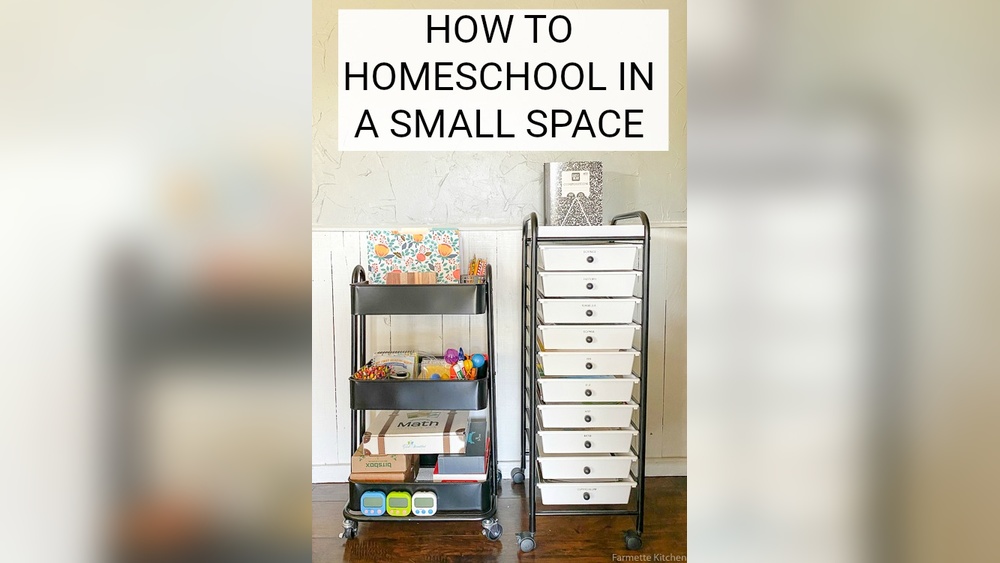
Rolling carts offer mobile storage that moves easily around the room. Use bins on carts to sort books, art supplies, and tools. Carts fit into tight spots and tuck away when unused. They keep materials organized and ready for quick lessons. Rolling carts create flexible learning zones in small spaces.
Foldable Tables
Foldable tables save space by collapsing when not in use. They provide extra workspace for projects or group activities. Lightweight tables move easily and store in closets or corners. Use foldable tables for temporary setups and small rooms. They offer versatility without sacrificing floor space.
Vertical Storage Solutions
Vertical storage solutions make the most of small homeschool areas. They help keep supplies neat and accessible without using floor space. Using the walls creatively creates room for books, papers, and tools. Vertical options keep your area tidy and efficient. Here are some easy ways to add vertical storage to your homeschool space.
Wall Shelves
Wall shelves are simple to install and hold many items. Use them for books, bins, or display projects. Choose sturdy shelves that fit your space and style. Open shelves allow quick access and visibility. Floating shelves create a clean look and keep the floor clear. Stack items vertically to save desk or table space.
Hanging Baskets
Hanging baskets add storage without taking up room on tables. Hang them on walls or under shelves. Use them for pencils, markers, or small tools. Baskets come in different sizes and materials. They keep supplies organized and easy to find. Hanging baskets also bring texture and warmth to the space.
Pegboards And Hooks
Pegboards offer flexible storage options on any wall. Attach hooks, baskets, or shelves to hold supplies. Rearrange items as needed to fit changing needs. Hang scissors, rulers, or clipboards for quick use. Pegboards keep your tools visible and off surfaces. This system makes your homeschool space adaptable and neat.
Decluttering Strategies
Decluttering is key to managing a homeschool space in a small area. A tidy space helps kids focus and reduces stress. Clear out what is not needed and keep only useful items. Follow simple strategies to keep your space neat and organized every day.
Minimalist Supplies
Keep only essential school supplies. Choose multi-use items to save space. Avoid buying extra materials that add clutter. A few good-quality pencils, notebooks, and markers work best. This approach keeps your shelves clear and easy to manage.
Regular Purging
Set a schedule to clean and remove unused items. Every month, check for broken or old supplies. Donate or recycle what is no longer useful. This habit prevents piles of clutter from building up. It also helps refresh the learning area regularly.
Organizing By Frequency
Store items based on how often you use them. Keep daily materials within easy reach. Place less-used items in higher shelves or boxes. This method saves space and makes finding things faster. It keeps the area neat and functional for learning.
Credit: everydaythrifty.com
Creative Use Of Small Areas
Using small spaces creatively can make homeschooling easier and more fun. Every corner can become a learning spot. Smart ideas help keep supplies neat and within reach. This way, you save space and reduce clutter. Let’s explore some clever ways to use small areas for school.
Closet Classrooms
Closets can become mini classrooms. Remove some shelves for a desk and chair. Add hooks or small shelves for books and supplies. Use light colors to make the space feel bigger. A closet classroom offers privacy and focus. It keeps school materials out of sight when not in use.
Under-table Storage
Use the space under tables for storage. Bins or baskets fit perfectly under desks. Store notebooks, pencils, and art supplies there. This keeps the tabletop clear and tidy. Under-table storage makes it easy to grab what you need fast. It helps keep small spaces organized without extra furniture.
Repurposed Spaces
Turn unused areas into learning zones. A corner of the living room or hallway can work well. Place a small desk or foldable table there. Use wall-mounted shelves for books and tools. Repurposed spaces avoid cluttering main rooms. They help create a calm spot dedicated to studying.
Organizing Learning Materials
Organizing learning materials in small homeschool spaces helps keep lessons smooth and stress-free. A tidy area saves time and boosts focus. When materials have a set place, children learn better and enjoy their work more.
Smart storage ideas make small spaces work harder. Clear labels and easy access prevent clutter. Each item should have a home that fits the space and the child’s needs.
Labeled Containers
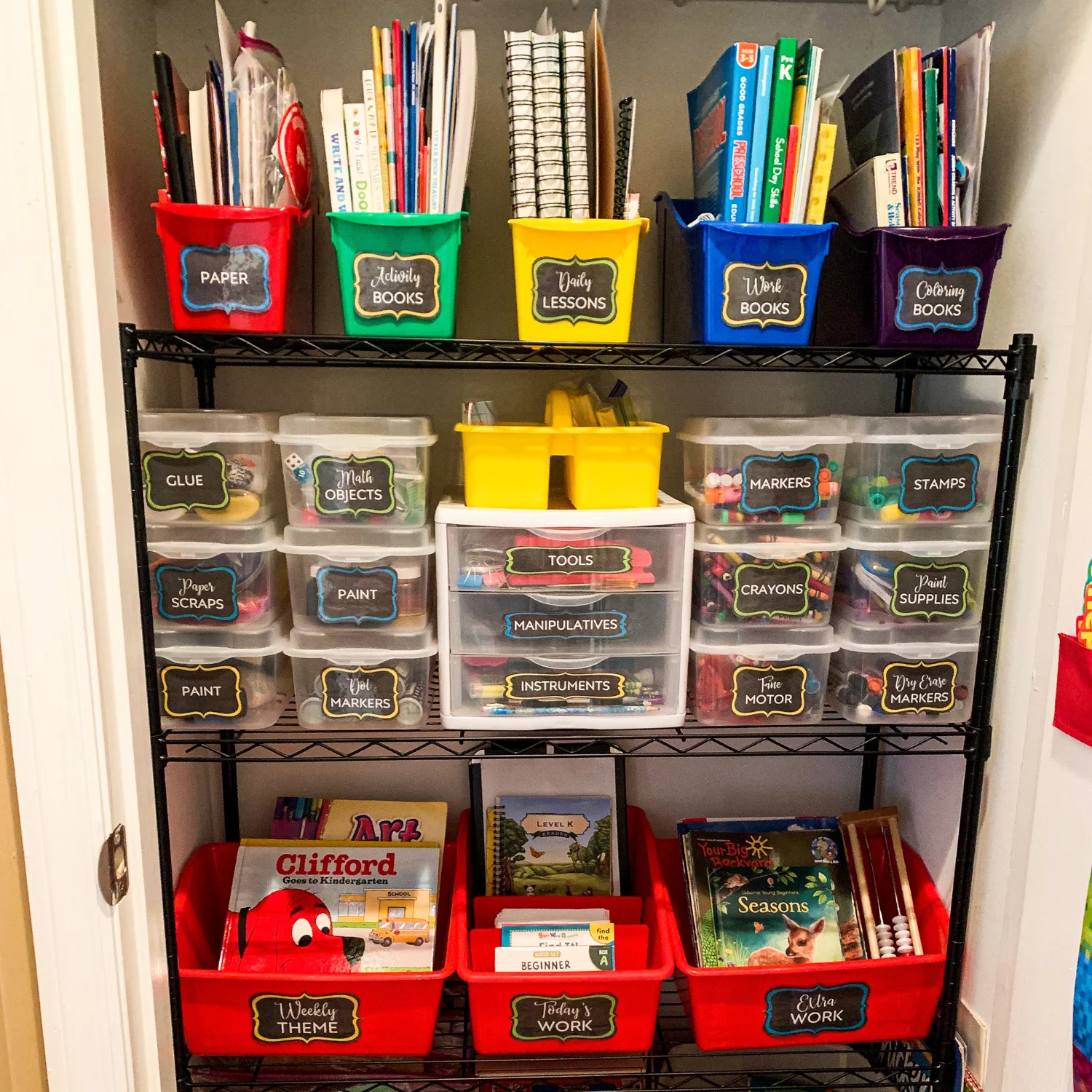
Use containers with clear labels to separate supplies. Mark boxes for crayons, pencils, scissors, and paper. Labels help kids find items fast and return them correctly. This cuts down on mess and keeps things neat. Choose stackable containers to save floor and shelf space.
Color-coded Systems
Color coding sorts materials by subject or child. Use colored bins, folders, or tape to mark items. For example, blue for math, red for reading. This system makes organization simple and visual. Kids quickly learn which color holds what. It adds fun and order to the learning area.
Accessible Bookshelves
Bookshelves within easy reach encourage reading and independence. Low shelves allow kids to grab books without help. Arrange books by topic or reading level for quick picks. Keep shelves tidy and not overcrowded. Open shelves work better than closed cabinets in small spaces.

Credit: homeschoolon.com
Incorporating Decor And Function
In small homeschool spaces, combining decor with function is essential. It creates a learning area that feels both welcoming and useful. Thoughtful design helps keep materials organized and the room inviting. This balance supports focus and creativity for students. Below are some simple ways to add style and function to your homeschool nook.
Blending Storage With Style
Choose storage solutions that look good and save space. Use baskets, bins, or boxes that match your room’s color scheme. Open shelves keep books and supplies easy to reach. Label containers clearly to keep everything in order. Vertical storage units use wall space without crowding the floor. This keeps the area neat and visually pleasing.
Using Whiteboards And Chalkboards
Whiteboards and chalkboards add both decor and utility. Mount one on the wall for notes, schedules, or drawing. They brighten the space and encourage interaction. Use colorful markers or chalk to make lessons fun. These boards save paper and reduce clutter. They also create a dynamic learning environment.
Creating Inspiring Walls
Decorate walls with educational and motivational items. Hang posters with alphabets, maps, or science facts. Use framed art that sparks curiosity and joy. Create a rotating display for your child’s artwork or projects. This personal touch makes the space feel special. Inspiring walls keep children engaged and excited to learn.
Budget-friendly Organization
Organizing a homeschool area in a small space does not need to be costly. Budget-friendly organization keeps learning materials neat and accessible. It helps reduce clutter without spending much. Smart choices and simple projects create an efficient and inviting space for kids.
Diy Storage Projects
Create your own storage solutions using materials around the house. Use cardboard boxes to make colorful bins. Cover them with wrapping paper for a fresh look. Build simple shelves from wood scraps or old crates. Label each storage container to keep things tidy. These projects save money and add a personal touch.
Affordable Finds
Search for low-cost organizers at thrift stores or discount shops. Plastic bins, drawer organizers, and baskets often come at great prices. Use stackable containers to maximize vertical space. Simple rolling carts can hold supplies and move easily. Keep an eye out for sales on school supplies and storage items.
Repurposing Household Items
Look around the home for items that can serve as storage. Old jars make perfect holders for pens and brushes. Shoe boxes can organize papers and notebooks. Use muffin tins to sort small craft supplies. A hanging shoe organizer can store scissors, glue, and markers. Repurposing saves money and reduces waste.
Maintaining Organization
Maintaining organization in a small homeschool space is key to a smooth learning day. It keeps the area tidy and reduces stress. A well-organized space helps children focus better and saves time searching for supplies. Consistency and simple habits make a big difference in keeping the space functional and inviting.
Daily Clean-up Routines
Set a short time for clean-up each day. Encourage children to put away books and supplies after use. Clear the work area before the next lesson starts. Small daily efforts prevent clutter from building up. Use labeled bins or baskets for quick sorting. This routine makes the space ready for learning every day.
Involving The Whole Family
Make organization a family effort. Assign simple tasks to each member based on age and ability. Teach children to respect shared spaces and materials. Celebrate small wins to keep everyone motivated. When all help, the space stays neat longer. Teamwork turns chores into a shared habit.
Adjusting Systems As Needed
Review your organization methods regularly. Notice what works and what does not. Be ready to change storage or routines to fit new needs. Flexible systems adapt to growing children and changing supplies. Keep it simple and practical. Adjustments keep the homeschool space efficient and stress-free.
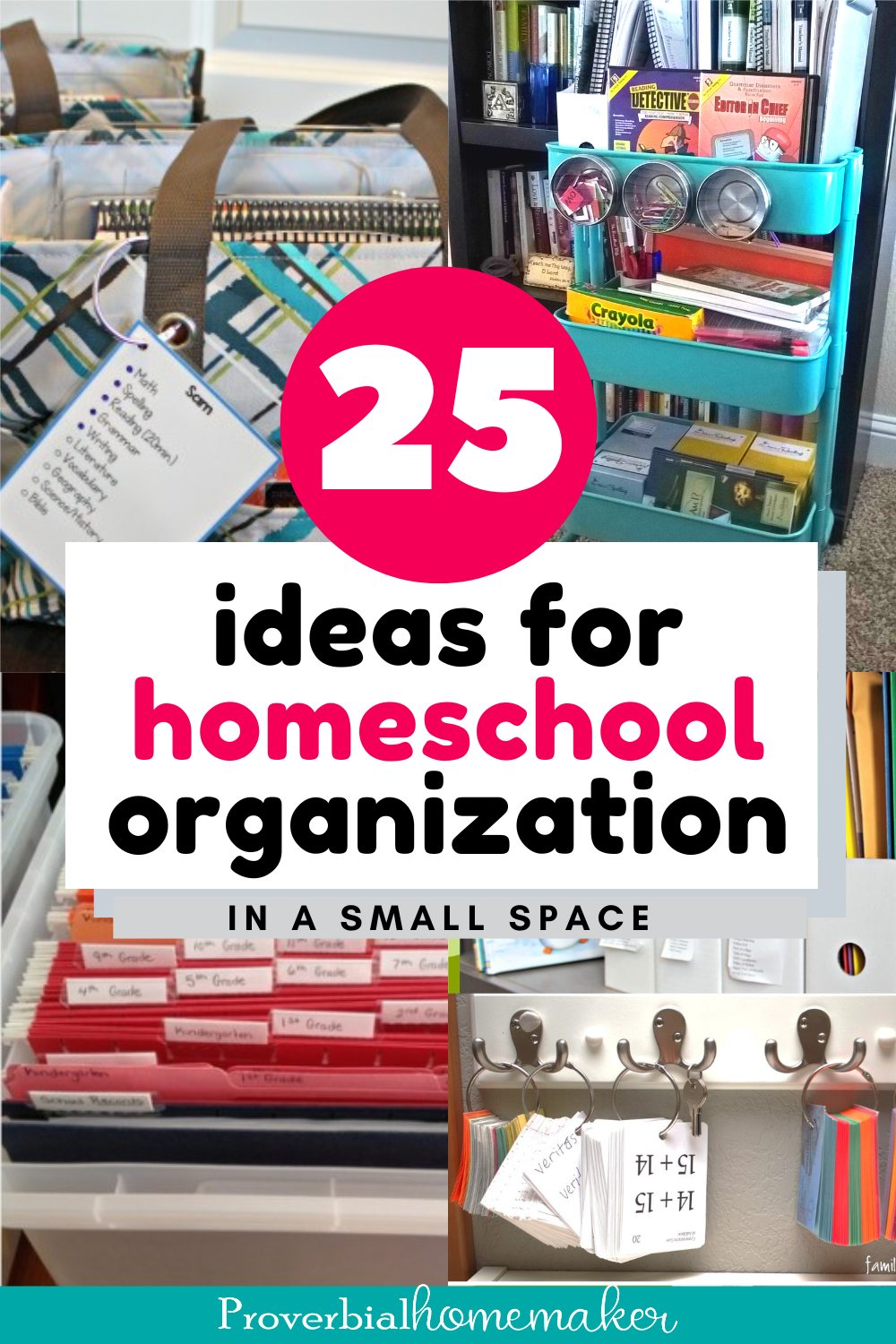
Credit: www.proverbialhomemaker.com
Frequently Asked Questions
How Can I Organize Homeschool Supplies In Small Spaces?
Use vertical storage like wall shelves and hanging baskets. Declutter often and keep only essentials. Multi-functional furniture helps maximize limited space effectively.
What Are The Best Storage Ideas For Small Homeschool Areas?
Rolling carts, cube shelves, and stackable bins work well. Label containers for easy access. Utilize closet spaces creatively to store books and materials neatly.
How To Create A Homeschool Area Without A Dedicated Room?
Carve out a nook in common areas like dining or living rooms. Use portable desks or foldable tables. Keep materials compact and organized for quick setup and teardown.
How To Keep Homeschool Spaces Clutter-free In Small Homes?
Limit materials to what’s necessary. Regularly sort and donate unused items. Use clear containers and labels to maintain order and simplify cleanup routines.
Conclusion
Creating an organized homeschool space in a small area takes planning. Use vertical storage to save floor space. Keep only essential supplies within easy reach. Label bins and shelves for quick access. Rotate materials to avoid clutter. Bright lighting helps keep the area inviting.
A tidy space supports focus and learning. Small spaces can feel big with smart organization. Try different setups to find what works best. Enjoy the process of making your space functional.