
When an emergency strikes, your ability to respond quickly and effectively can make all the difference. That’s exactly why the CMS Rule on Emergency Preparedness exists—to ensure healthcare providers like you are ready for any crisis.
This rule isn’t just a set of guidelines; it’s a lifeline that helps protect patients, staff, and your facility when every second counts. You’ll discover the core components of the CMS Emergency Preparedness Rule, what it means for your daily operations, and how to stay fully compliant while keeping everyone safe.
Don’t wait for disaster to test your readiness—let’s dive into how you can build a solid emergency plan that works.
Credit: web.nwrpca.org
Cms Emergency Preparedness Rule
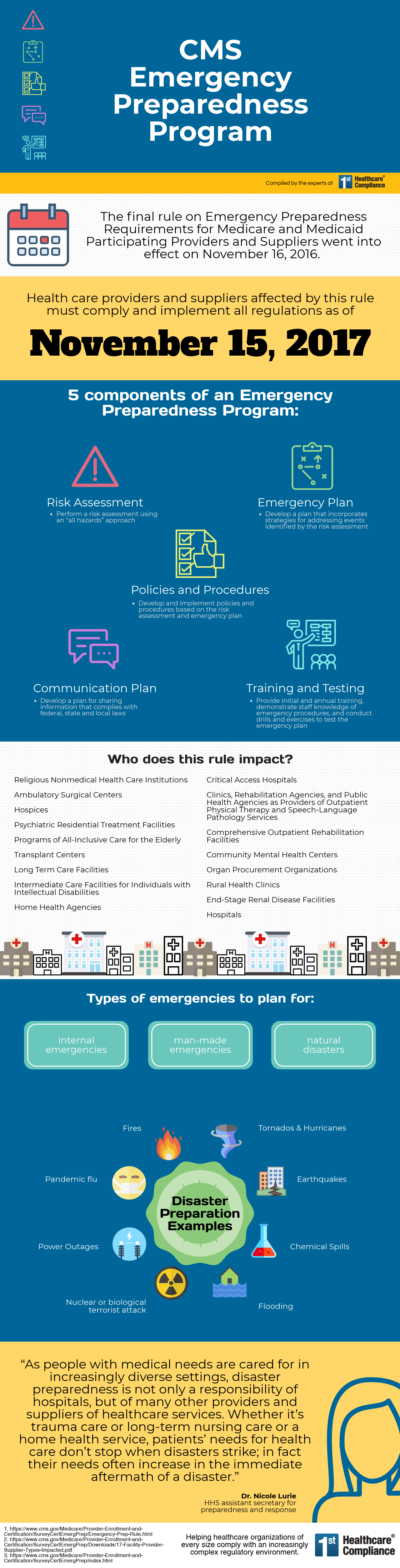
The CMS Emergency Preparedness Rule sets clear standards for healthcare facilities. It ensures readiness for all types of emergencies. Facilities must build and keep a strong emergency program. This helps protect patients, staff, and visitors during crises.
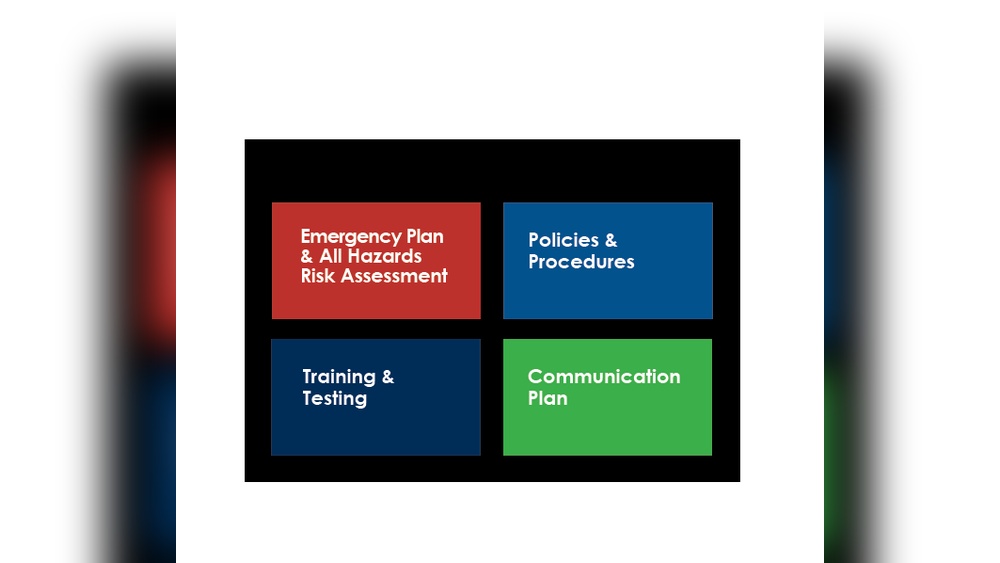
The rule focuses on four main parts. These guide facilities in making thorough and effective plans. Training and communication are also key areas. The goal is to improve safety and reduce risks.
Core Components
Facilities must develop an Emergency Plan based on all types of hazards. This plan identifies risks and ways to respond to emergencies. Policies and Procedures support the plan with clear actions. They cover care for patients and staff, evacuation, and tracking. A Communications Plan ensures smooth contact with families, staff, and agencies. Training and Testing Programs prepare staff through drills and exercises.
Facilities Covered
The rule applies to many healthcare providers. Hospitals, nursing homes, and clinics must comply. Long-Term Care facilities have extra requirements. Home health agencies and dialysis centers are also included. This wide coverage helps protect vulnerable populations in various settings.
Annual Updates
Emergency plans and communication plans need yearly reviews. Facilities must update these plans to stay current. Long-Term Care providers may need more frequent updates. Regular updates keep plans effective and ready for new threats. This ensures ongoing safety for everyone in the facility.
Emergency Plan Essentials
Policies and procedures form the foundation of CMS Rule Emergency Preparedness. They guide healthcare facilities on how to act during emergencies. Clear, detailed policies help protect patients and staff. Procedures ensure consistent, effective responses to different situations. These documents must be practical and easy to follow. They cover key areas like staff and patient care, evacuation, and sheltering.
Staff And Patient Subsistence
Policies must ensure enough food and water for everyone. Staff need supplies to work during emergencies. Patients require special care, including medications and medical equipment. Facilities should plan for power outages and supply shortages. Regular checks keep subsistence resources ready and fresh. Clear rules help staff provide continuous care under stress.
Evacuation Protocols
Evacuation plans must be simple and easy to follow. They include routes, transportation, and patient prioritization. Staff roles and responsibilities should be clear. Communication tools must be ready to alert everyone quickly. Drills help staff practice evacuation safely and efficiently. Policies must address different emergencies, like fires or floods.
Sheltering In Place Guidelines
Sheltering in place means staying inside safely during a threat. Policies should define when and how to shelter. Facilities need supplies for extended stays, like food and medications. Staff must secure the environment and maintain patient care. Guidelines include ventilation, sanitation, and communication procedures. Training ensures everyone understands sheltering steps clearly.
Policies And Procedures
A solid communications plan is vital for effective emergency preparedness under the CMS rule. It ensures clear, timely information flow during crises. This plan covers communication within the facility, coordination with outside partners, and engagement with public health agencies. These elements keep everyone informed and prepared to respond quickly.
Internal Communication
Internal communication keeps staff informed and coordinated during emergencies. Clear roles and contact lists help avoid confusion. Use multiple channels like phones, emails, and radios. Share updates often to keep everyone aware of the situation. Staff must know how to report issues and seek help promptly.
External Coordination
External coordination links the facility with other healthcare providers and emergency responders. Establish contacts with local hospitals, fire departments, and law enforcement. Share critical information about patient status and resource needs. This collaboration speeds up response efforts and resource sharing. Maintain updated contact lists and communication methods.
Engaging Public Health Agencies
Public health agencies play a key role in emergencies. Facilities must connect with local, state, and federal health departments. Share data on outbreaks, patient care, and supply shortages. Follow guidance and report incidents as required. Regular communication builds trust and ensures support during crises.
Credit: 1sthcc.com
Communications Plan
Training and testing form the backbone of the CMS Emergency Preparedness Rule. They ensure every staff member knows their role during an emergency. Regular practice makes response efforts smooth and effective. Drills and exercises reveal gaps in plans that need fixing. Testing emergency plans in real conditions helps facilities stay ready. This section breaks down key parts of training and testing requirements.
Staff Training Requirements
All staff must receive emergency preparedness training. The training covers policies, communication, and evacuation procedures. New employees need training before starting work. Refresher training happens at least once each year. Training must be clear, simple, and easy to follow. Staff should feel confident to act during emergencies. Documentation of all training sessions is mandatory for compliance.
Drills And Exercises
Drills let staff practice emergency steps in a controlled setting. They focus on specific scenarios like fire or severe weather. Drills test communication, evacuation, and safety procedures. Facilities must conduct drills at regular intervals. After drills, leaders review performance and discuss improvements. Drills keep teams alert and prepared for real events.
Full-scale And Tabletop Testing
Full-scale exercises simulate real emergencies with all staff involved. These exercises test the entire emergency plan under pressure. Tabletop exercises are discussion-based sessions. Staff talk through responses to hypothetical emergencies. Both exercise types highlight strengths and weaknesses. They help update plans and train staff effectively. Testing must happen at least annually to maintain readiness.
Training And Testing
Risk assessment factors form the backbone of the CMS Rule Emergency Preparedness. They guide healthcare providers to identify and evaluate risks that could impact their facility. A thorough risk assessment ensures the emergency plan fits the unique needs of the facility and its patients.
Understanding these factors helps create strong, practical emergency plans. It allows providers to prepare for real threats and respond effectively to emergencies.
Location And Environment
The location of a facility greatly affects its emergency risks. Coastal areas face hurricanes and flooding. Urban centers might encounter fires or hazardous material spills. Rural facilities may struggle with limited access to emergency services.
Environmental features like nearby factories, rivers, or fault lines add to the risk profile. Knowing these details helps tailor emergency plans to local threats.
Patient Population Needs
Every patient group has special needs during emergencies. Elderly patients may need extra help with evacuation. Children and people with disabilities require specific care and equipment. Chronic illness patients need continuous access to medications and treatments.
Assessing patient needs ensures the plan protects all individuals. It also supports smooth operations during crises.
Potential Hazards
Facilities must identify all possible hazards that may occur. These include natural disasters, like storms and earthquakes. Man-made hazards such as power outages or cyberattacks also pose risks. Infectious disease outbreaks can disrupt normal care delivery.
Listing potential hazards prepares the facility for varied emergencies. It drives the development of detailed response strategies.
Risk Assessment Factors
Providers must address unique challenges in emergency preparedness under the CMS Rule. Each healthcare setting faces different risks and needs. Tailored plans ensure safety and compliance. Understanding these special considerations helps providers protect patients and staff effectively.
Long-term Care Facilities
Long-term care facilities care for vulnerable patients daily. Emergencies can disrupt essential services quickly. Facilities must update emergency plans at least yearly. Plans should focus on evacuation, sheltering, and tracking residents. Staff training must cover these procedures thoroughly. Communication with families and authorities is critical. Preparedness reduces risks to residents during crises.
Outpatient Providers
Outpatient providers see many patients but have limited inpatient capacity. Their emergency plans must address quick patient transfers. Staff must be ready for sudden evacuations or sheltering. Communication plans should include local hospitals and emergency agencies. Training ensures staff know their roles during emergencies. Regular drills help test these protocols. Outpatient settings must stay compliant and safe.
Ambulatory Surgical Centers
Ambulatory surgical centers perform same-day surgeries with short patient stays. Emergencies may require rapid evacuation or sheltering of patients post-operation. Emergency plans must detail these specific needs. Staff should train on patient monitoring during crises. Communication with emergency responders is vital. Regular testing of plans helps identify weaknesses. These centers must maintain readiness to protect patients.
Coordination With Authorities
Emergency preparedness resources are vital for healthcare providers to meet CMS rule requirements. These resources help facilities plan and respond effectively to emergencies. They support patient safety and ensure continuous care during crises. Understanding and using these resources strengthens emergency programs.
Durable Medical Equipment Tips
Durable medical equipment (DME) requires special attention in emergencies. Providers should maintain an updated inventory of all equipment. Check batteries and backup power sources regularly. Store equipment in safe, accessible locations. Train staff on proper use and maintenance. Have a plan to replace or repair equipment quickly if damaged.
Healthcare Coalitions
Healthcare coalitions bring together providers, public health, and emergency agencies. They share resources and information to improve response efforts. Joining a coalition enhances communication during disasters. Coalitions offer training, exercises, and support for emergency plans. Collaborating with others builds stronger, coordinated care networks.
Community Lifelines
Community lifelines focus on essential services like healthcare, safety, and utilities. Identifying these lifelines helps prioritize resources in emergencies. Providers should work with local officials to understand lifeline status. This knowledge guides decision-making during crises. Protecting lifelines ensures critical services remain available to patients and staff.

Credit: compliancy-group.com
Frequently Asked Questions
What Is The Cms Emergency Preparedness Rule?
The CMS Emergency Preparedness Rule requires healthcare providers to create, update, and test emergency plans. It includes four core components: an emergency plan, policies and procedures, a communications plan, and staff training with drills. Providers must coordinate with local and federal emergency officials annually.
Does The Cms Require Healthcare Providers To Have An Emergency Preparedness Plan?
Yes, CMS requires healthcare providers to have a comprehensive emergency preparedness plan. It must include risk assessment, policies, communication, training, and annual updates. Providers must coordinate with local and federal agencies and conduct regular drills to ensure readiness for emergencies.
What Are The Four Components Of Emergency Preparedness Requirements As Outlined By Cms?
The four CMS emergency preparedness components are: Emergency Plan, Policies and Procedures, Communications Plan, and Training and Testing Program.
What Is 42 Cfr 483.73 Emergency Preparedness?
42 CFR 483. 73 emergency preparedness requires healthcare providers to create, maintain, and test comprehensive emergency plans. It ensures effective communication, staff training, risk assessments, and coordination with local agencies to protect patients during emergencies.
Conclusion
CMS emergency preparedness rules protect patients and staff during crises. Creating clear plans helps handle all possible hazards. Regular training keeps staff ready to act fast. Communication with local agencies ensures smooth coordination. Updating plans yearly strengthens response efforts. Following these steps builds safer healthcare facilities.
Preparedness is a continuous, essential process for everyone. Stay informed, stay ready, and keep your community safe.

