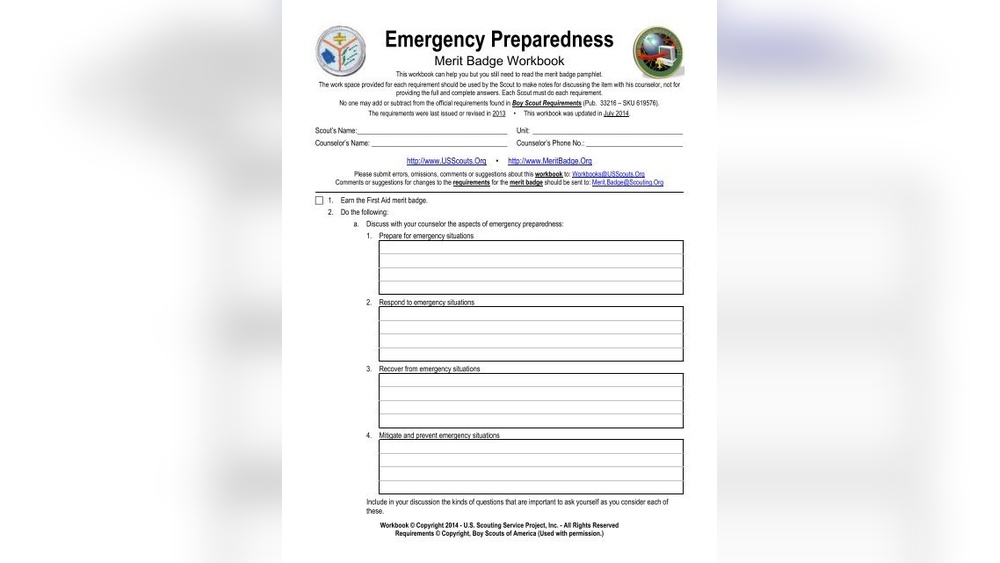

Are you ready to take control of your safety and your family’s well-being when disaster strikes? An Emergency Preparedness Workbook is your key to staying calm, organized, and fully equipped for any unexpected situation.
This simple, easy-to-follow guide helps you plan ahead, gather essential supplies, and create clear action steps tailored to your needs. By working through this workbook, you’ll gain confidence and peace of mind, knowing you’ve done everything possible to protect yourself and those you care about.
Keep reading to discover how this powerful tool can transform your approach to emergencies and make sure you’re never caught off guard.

Credit: www.yumpu.com
Essentials For Survival Kits
Preparing a survival kit is a crucial step in emergency readiness. A well-packed kit keeps you safe and comfortable during unexpected events. Each item in your kit serves a specific purpose. Choosing the right essentials can make a big difference.
Water And Food Supplies
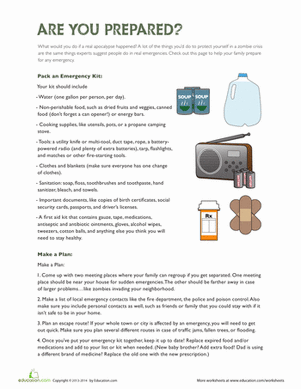
Water is the most vital resource for survival. Store at least one gallon per person per day. Keep a supply for three days or more. Non-perishable food items last longer and require no refrigeration. Choose easy-to-prepare foods like canned goods and energy bars. Don’t forget a manual can opener to access canned food.
Tools For Communication
Staying informed is key during emergencies. A flashlight with extra batteries helps you see in the dark. A battery-powered or hand-crank radio lets you receive weather alerts. A whistle is useful to signal for help if needed. These tools keep you connected and safe.
Health And Hygiene Items
A first-aid kit should include bandages, antiseptic wipes, and essential medications. Pack enough prescription medicines for several days. Hygiene items like moist towelettes, garbage bags, and plastic ties help maintain cleanliness. These items prevent infection and support well-being.
Shelter And Important Documents
Blankets or sleeping bags keep you warm in cold conditions. Carry copies of important documents such as IDs, insurance cards, and emergency contacts. Protect these papers in a waterproof container. Shelter and documentation provide comfort and security during crises.
Building Your Emergency Kit
Building your emergency kit is a crucial step in staying safe during unexpected situations. A well-prepared kit provides essential items that can support you and your family. It helps you manage basic needs like food, water, and safety until help arrives. Preparing this kit carefully ensures you are ready for various emergencies.
Choosing The Right Containers
Select containers that are sturdy and waterproof. Use plastic bins with secure lids to protect items from moisture. Clear containers allow easy visibility of contents. Choose sizes that fit your storage space and can be carried if needed. Label each container to find items quickly in a crisis.
Stocking Non-perishable Foods
Pick foods that last long without refrigeration. Canned goods, dried fruits, nuts, and energy bars are excellent choices. Include a manual can opener for canned foods. Avoid items that need cooking or refrigeration. Ensure you have enough food for at least three days per person.
Selecting Reliable Tools
Gather tools that assist in emergencies and daily survival. A flashlight with extra batteries is essential. Include a battery-powered or hand-crank radio to get news updates. Add a whistle to signal for help. A multi-tool can help with various tasks. Keep these items easily accessible in your kit.
Organizing Medical Supplies
Prepare a first-aid kit with bandages, antiseptic wipes, and pain relievers. Include any prescription medicines needed by family members. Add hygiene items like moist towelettes and plastic bags. Keep supplies in a waterproof pouch. Regularly check expiration dates and replace used or outdated items.
Emergency Planning Steps
Emergency planning steps help families prepare for unexpected situations. These steps create a clear guide to follow during a crisis. Having a plan reduces fear and confusion. It improves safety and speeds up response time. Each step focuses on communication, movement, and task management. These are key to effective emergency readiness.
Creating Family Communication Plans
Decide how family members will contact each other. Choose a primary phone number and a backup contact outside the area. Share this information with everyone. Include text messaging and social media options. Practice using these methods before an emergency. Clear communication keeps everyone informed and calm.
Mapping Evacuation Routes
Identify safe paths out of your home and neighborhood. Plan multiple routes in case one is blocked. Mark these routes on a map. Share the map with all family members. Practice walking or driving these routes together. Knowing where to go saves time and reduces panic.
Designating Meeting Points
Choose safe spots where family members will gather after evacuating. Pick locations both near your home and outside your neighborhood. Make sure everyone knows these places. Meeting points help confirm everyone is safe. They also guide emergency responders if needed.
Assigning Roles And Responsibilities
Give each family member a specific task during an emergency. Tasks can include gathering supplies, helping children, or securing pets. Assign roles based on age and ability. Write down these duties and review them regularly. Clear roles improve teamwork and efficiency.

Credit: worksheets.clipart-library.com
Safety Skills To Master
Safety skills are crucial for handling emergencies calmly and effectively. Learning these skills helps protect yourself and others. This section covers key safety skills everyone should know. Practice these skills regularly to stay prepared.
Basic First Aid Techniques
First aid skills save lives in accidents and injuries. Learn how to stop bleeding with pressure and clean wounds properly. Know how to treat burns, sprains, and fractures. Practice CPR and rescue breathing to help someone who stops breathing. Keep a first aid kit ready and know how to use it.
Using Emergency Equipment
Emergency tools can make a big difference in crises. Learn how to use a fire extinguisher to stop small fires. Understand how to operate a flashlight and change its batteries. Know how to use a whistle to signal for help. Familiarize yourself with a battery-powered radio to get alerts and news.
Fire Safety And Prevention
Fire safety skills protect lives and property. Learn how to check smoke detectors and replace batteries. Practice safe ways to use stoves and heaters. Know how to create and follow an escape plan during a fire. Avoid placing flammable items near heat sources. Teach children about fire dangers and safety rules.
Water And Food Safety
Clean water and safe food prevent illness in emergencies. Store at least one gallon of water per person daily. Choose non-perishable food that needs little or no cooking. Use a manual can opener safely. Learn how to boil water to kill germs. Keep food covered and protected from pests.
Maintaining Your Preparedness
Maintaining your emergency preparedness is an ongoing effort. It keeps your family safe and ready for unexpected events. Regular care and attention ensure your supplies and plans work well when needed. This section explains key steps to stay prepared over time.
Regular Kit Inspections
Check your emergency kit every three months. Look for expired food and damaged items. Replace used or broken supplies quickly. Keep batteries fresh and test flashlights often. This habit keeps your kit reliable and ready for action.
Updating Supplies Seasonally
Change supplies to match each season’s needs. Add extra water and sunblock in summer. Include warm clothes and blankets for winter. Update medications and check for allergy triggers. Seasonal updates help you face different weather safely.
Practicing Drills And Simulations
Run practice drills with your family regularly. Simulate different emergency scenarios at home. Teach children how to use safety tools and follow plans. Drills build confidence and reduce panic during real emergencies.
Reviewing And Revising Plans
Review your emergency plan twice a year. Update contact lists and meeting points. Adjust plans if family members change or move. Keep important documents current and easy to find. Revising plans improves your chances of success in a crisis.
Special Considerations
Special considerations play a crucial role in emergency preparedness. They ensure that every member of your household stays safe and cared for. Emergencies affect people differently. Personal needs require tailored planning. This section covers key groups and situations needing special attention.
Preparing For Pets
Pets need food, water, and shelter during emergencies. Keep a pet emergency kit with supplies. Include food, water bowls, and medications. Carry vaccination records and identification tags. Plan for safe transportation and shelter options. Pets depend on you for their safety.
Addressing Medical Needs
Medical needs must be prioritized in any emergency plan. Keep an updated list of medications and dosages. Store extra medications in a safe place. Include first-aid supplies and equipment like inhalers or insulin. Know where to find emergency medical help nearby.
Planning For Children And Seniors
Children and seniors need special care during emergencies. Prepare comfort items like toys or blankets for children. Ensure seniors have easy access to medications and mobility aids. Create clear communication plans for both groups. Their safety depends on thoughtful preparation.
Handling Power Outages
Power outages often happen during emergencies. Have flashlights and extra batteries ready. Consider a battery-powered or hand-crank radio. Store backup power for essential medical devices. Keep refrigerators closed to preserve food longer. Stay calm and use power wisely.
Resources And Tools
Having the right resources and tools can make emergency preparedness easier and more effective. This section covers essential apps, websites, contacts, and community networks. These help you stay informed, connected, and ready for unexpected events.
Recommended Emergency Apps
Emergency apps provide real-time alerts and safety tips. Apps like FEMA, Red Cross, and Weather Channel offer weather warnings and evacuation routes. Many apps work offline, ensuring access during power loss. Download these apps ahead of time. Regularly update them for the latest features.
Useful Websites And Guides
Trusted websites offer detailed emergency plans and checklists. Ready.gov and American Red Cross provide clear instructions for various disasters. These sites include printable worksheets and survival tips. Bookmark these pages for quick access. Use them to build your emergency plan step by step.
Local Emergency Contacts
Keep a list of local emergency numbers in your workbook. Include police, fire department, hospitals, and utility companies. Add nearby shelters and community centers. Store contacts both digitally and on paper. This helps you reach help quickly during a crisis.
Community Support Networks
Strong community ties improve safety and response times. Join neighborhood groups or local emergency teams. Share resources and information with neighbors. Participate in community drills or training sessions. These networks provide support and increase preparedness for all members.
Credit: www.education.com
Frequently Asked Questions
What Are The 5 P’s Of Preparedness?
The 5 P’s of preparedness are: People, Places, Plans, Parts, and Practice. They ensure readiness for emergencies.
What Are The 10 Essential Survival Kit Items?
The 10 essential survival kit items include water, non-perishable food, first-aid kit, flashlight with extra batteries, radio, manual can opener, sanitation supplies, whistle, important documents, and warm blankets or sleeping bags.
What Are The 5 Stages Of Emergency Preparedness?
The five stages of emergency preparedness are: mitigation, preparedness, response, recovery, and prevention. Each stage helps reduce risks and improve safety during emergencies.
What To Stockpile For 72 Hours?
Stockpile one gallon of water per person daily, non-perishable food, first-aid kit, flashlight with extra batteries, battery-powered radio, manual can opener, hygiene supplies, whistle, important documents, and warm blankets for 72 hours.
Conclusion
Creating an emergency preparedness workbook helps you stay ready for any situation. It guides you to gather essential supplies like water, food, and first-aid items. Planning ahead reduces stress during emergencies. Keep your important documents and communication tools handy. Regularly update your workbook to match your family’s needs.
A simple plan can protect lives and property. Start today and build your confidence for tomorrow. Being prepared is a smart and caring choice for everyone.


