
When it comes to your daycare, the safety of the children in your care is your top priority. But have you thought about what will happen if an emergency strikes?
Having a clear and reliable Emergency Preparedness Plan for your daycare isn’t just a good idea—it’s essential. This plan guides you on how to act quickly and confidently, protecting every child and staff member when every second counts. You’ll discover the must-have elements of an effective emergency plan, how to tailor it to your daycare’s unique needs, and simple steps to make sure everyone is ready when the unexpected happens.
Keep reading to ensure your daycare is truly prepared for any emergency.
Credit: www.continued.com
Evacuation Routes
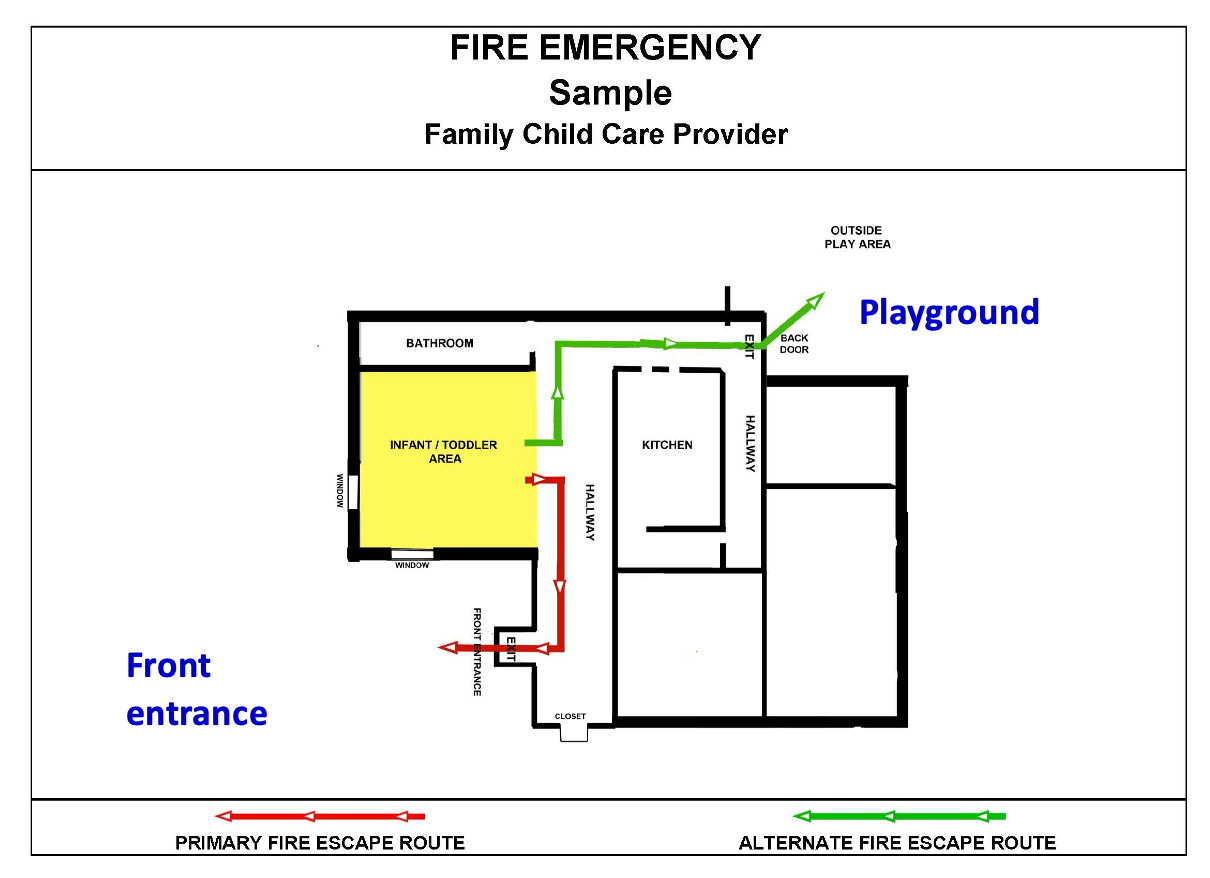
Evacuation routes are vital in an emergency preparedness plan for daycares. They guide children and staff to safety quickly and safely. Clear, simple routes reduce confusion and speed up evacuation. Everyone must know these routes well before any emergency occurs.
Pre-determined Paths
Pre-determined paths are planned routes for exiting the daycare building. They should be easy to follow and marked clearly. Paths must avoid hazards and be accessible for all children. Staff should practice these routes often to ensure smooth evacuations. Signage helps guide both children and adults during an emergency.
Assembly Points
Assembly points are safe locations outside the building where everyone gathers. These points should be a safe distance from danger. They help staff take attendance and check that all children are present. Assembly points must be known to all staff and children. Clear instructions about these spots must be included in the emergency plan.
Family And Staff Meeting Places
Family and staff meeting places are separate from assembly points. They provide designated areas for parents and staff to reunite after evacuation. These locations must be easy to find and secure. Having a set meeting place reduces panic and confusion. Communication plans should inform families of these meeting spots ahead of time.
Emergency Contacts
Emergency contacts play a vital role in any daycare’s emergency preparedness plan. They provide a clear line of communication during crises. Having updated and accessible contact lists can save precious time. Staff, parents, and emergency responders rely on these contacts for coordination. Proper planning ensures everyone stays informed and safe.
Local And Out-of-area Contacts
Local contacts include nearby emergency services, such as fire, police, and medical facilities. Daycare staff must have quick access to these numbers. Out-of-area contacts act as a backup if local lines are busy. These may include relatives or trusted friends in a different region. This system ensures messages get through despite local disruptions.
Communication Protocols
Clear communication protocols help manage information flow during emergencies. Staff should know who to call first and how to relay messages. Designate a primary and secondary contact person for emergencies. Use multiple communication methods like phone, text, or email. Regular drills reinforce these protocols and improve response times.
Emergency Supplies
Emergency supplies are vital for any daycare’s preparedness plan. These supplies keep children safe and comfortable during unexpected events. Having the right items ready can reduce stress and help staff respond quickly. Each daycare should carefully choose and maintain these supplies to meet children’s needs.
Go-bag Essentials
A go-bag is a portable emergency kit. It should include basic medical supplies like bandages and antiseptic wipes. Pack extra clothing, blankets, and face masks. Include a flashlight with extra batteries. Don’t forget a whistle to signal for help. Small toys or books can calm children. Keep a first-aid manual or instruction card inside.
Important Documents
Store copies of important documents in a waterproof bag. Include emergency contact lists for each child. Add allergy and medication information. Keep daycare licenses and staff certifications handy. Also include evacuation plans and maps. These documents help staff make quick decisions. They ensure children get the right care during emergencies.
Food And Water
Provide enough non-perishable food for all children and staff. Choose easy-to-eat items like granola bars and crackers. Store bottled water to last at least 72 hours. Use sealed containers to keep water clean. Check expiration dates regularly and replace expired items. Having food and water ready prevents hunger and dehydration during a crisis.
Credit: www.etsy.com
Roles And Responsibilities
Clear roles and responsibilities form the backbone of any Emergency Preparedness Plan for daycare centers. Each staff member must know their specific duties. This clarity helps avoid confusion and ensures quick, effective responses in emergencies. Assigning these roles ahead of time saves lives and maintains order. Below are key roles vital for daycare safety.
Emergency Coordinator Duties
The Emergency Coordinator leads the entire emergency response. They create, update, and practice the emergency plan regularly. They assign roles and ensure all staff understand their tasks. During an emergency, they guide staff and manage communication. The coordinator also contacts emergency services and oversees evacuation or shelter procedures. This role demands calmness and strong decision-making skills.
First-aid Responders
First-Aid Responders provide immediate medical help to injured children or staff. They maintain the first-aid kit and ensure it is fully stocked. These responders attend regular training on CPR and basic first aid. They quickly assess injuries and treat minor wounds. In serious cases, they assist emergency personnel upon arrival. Their swift care reduces panic and prevents further harm.
Notification Procedures
Notification procedures define how to alert staff, parents, and emergency services. Staff must know who to call first and how to share information clearly. The plan includes phone numbers and backup contacts. It also outlines steps for informing parents about their child’s safety. Timely and accurate notifications keep everyone informed and calm. This system supports smooth communication during stressful situations.
Special Considerations
Planning for emergencies in a daycare means thinking about special needs. These needs affect how children and staff stay safe. Preparing for unique situations helps protect everyone. It keeps the daycare ready for any challenge.
Needs Of Children And Disabilities
Children have different needs during emergencies. Some may require extra help or special equipment. Staff must know each child’s health and mobility limits. Plans should include clear steps for helping children with disabilities. This ensures no child is left behind or confused.
Pet Care Plans
Some daycares have pets that need care in emergencies. A plan must outline how to keep pets safe and calm. Staff should know where to move pets during evacuation. Food, water, and shelter for pets must be ready. Pets are part of the daycare family and need protection too.
Power And Equipment
Power outages can stop important daycare functions. Emergency plans should include backup power solutions. Equipment like lights, heating, and communication devices must stay on. Batteries and chargers should be checked regularly. Keeping power ensures children stay comfortable and safe during emergencies.
Training And Drills
Training and drills are essential parts of an emergency preparedness plan for daycare centers. These activities help staff and children understand what to do during emergencies. They build confidence and reduce panic in real situations.
Regular training ensures everyone stays updated on procedures. Drills simulate real events so participants can practice their responses. This preparation saves precious time and protects lives.
Regular Practice Sessions
Practice sessions should happen often and follow clear schedules. Frequent drills help staff remember steps without confusion. Children also learn how to stay calm and follow instructions.
Each session should cover different scenarios, such as fire or severe weather. Staff must check if all safety equipment works during drills. After each drill, reviewing performance helps find areas to improve.
Role Familiarization
Every staff member must know their specific duties in emergencies. Clear roles prevent chaos and ensure smooth action. For example, one person may lead evacuation, while another manages first aid.
Children also benefit from understanding who to listen to and where to go. Role familiarization builds teamwork and quick decision-making. It reduces confusion and helps maintain order during emergencies.
Scenario-specific Plans
Emergency preparedness plans must address specific scenarios to protect children and staff. Each type of emergency requires clear, detailed steps. These scenario-specific plans help daycares respond quickly and safely. Staff training and regular drills ensure everyone understands the procedures. This section covers the main types of emergencies daycares should prepare for.
Fire Emergencies
Fire emergencies need fast action. Staff must know all evacuation routes. Children should be guided calmly and quickly outside. Designated meeting points help ensure no one is left behind. Fire drills practiced often build confidence and speed. Smoke alarms and fire extinguishers must be checked regularly. Communication with emergency services should be clear and immediate.
Natural Disasters
Natural disasters like storms, earthquakes, or floods can happen suddenly. Daycares should have safe areas for shelter inside the building. Supplies like water, food, and blankets must be ready. Staff should monitor weather alerts continuously. Plans must include how to care for children during and after the disaster. Evacuation plans must consider blocked roads or unsafe routes. Parents need timely updates about their children’s safety.
Lockdowns And Shelter-in-place
Lockdowns protect children from external threats. Staff must secure all entrances and windows quickly. Children should be moved to safe, hidden areas. Silence and calm behavior are critical. Communication devices should remain on for updates and instructions. Shelter-in-place plans protect against environmental hazards like chemical spills. Daycares must practice these drills regularly to ensure readiness. Clear roles help staff act without confusion.
Credit: www.etsy.com
Frequently Asked Questions
What Should An Emergency Preparedness Plan Include?
An emergency preparedness plan should include evacuation routes, meeting places, emergency contacts, communication methods, emergency supplies, roles, and special needs provisions. It must cover alerting authorities, procedures for different hazards, and regular training to ensure everyone understands their responsibilities and actions during emergencies.
What Are The 5 P’s Of Preparedness?
The 5 P’s of preparedness are: People, Places, Procedures, Planning, and Practice. They ensure readiness for emergencies.
What Are The 5 Stages Of Emergency Preparedness?
The five stages of emergency preparedness are: prevention, preparedness, response, recovery, and mitigation. Each stage ensures safety and effective disaster management.
What Are The 5 Components Of An Emergency Plan?
The five components of an emergency plan are evacuation routes, emergency contacts, communication protocols, emergency supplies, and assigned roles.
Conclusion
Creating a clear emergency preparedness plan keeps everyone safe at daycare. It helps staff act quickly and calmly during crises. Regular practice ensures children and adults know what to do. Having supplies ready and communication lines open supports smooth handling of emergencies.
Plans should fit all possible situations and the needs of every child. Staying prepared is a simple way to protect your daycare community. Safety starts with good planning and teamwork every day.

