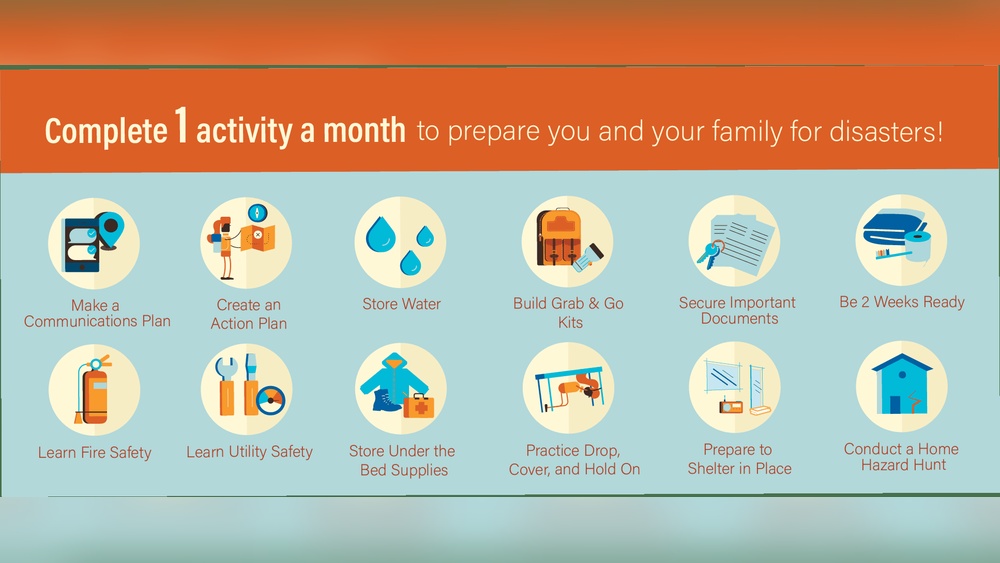

When it comes to keeping you and your loved ones safe, having a solid emergency preparedness plan is essential. But do you know which hazards should be included to make your plan truly effective?
From natural disasters like hurricanes and earthquakes to man-made threats such as chemical spills or cyber attacks, each hazard demands specific actions to protect your home, workplace, and community. Understanding these risks and how to prepare for them can be the difference between chaos and control when an emergency strikes.
You’ll discover the key hazards that every emergency preparedness plan must cover—and why addressing each one is critical for your safety. Keep reading to make sure your plan has all the bases covered before disaster hits.
Credit: www.eldoradocounty.ca.gov
Natural Disasters
Natural disasters pose serious threats to communities worldwide. Preparing for these hazards helps protect lives and property. Emergency plans must address various types of natural disasters. Each disaster requires specific precautions and response actions.
Hurricanes And Tornadoes
Hurricanes bring strong winds and heavy rain. They can cause flooding and power outages. Tornadoes produce violent windstorms with spinning funnels. Both require early warning systems and safe shelter areas. Plans should include evacuation routes and emergency supplies.
Earthquakes And Floods
Earthquakes shake the ground suddenly and without warning. They can damage buildings and roads. Floods occur from heavy rain or rising water bodies. Floodwaters can destroy homes and disrupt transportation. Emergency plans must identify safe zones and include water rescue measures.
Wildfires And Winter Storms
Wildfires spread quickly, fueled by dry conditions and wind. They threaten homes, wildlife, and air quality. Winter storms bring snow, ice, and freezing temperatures. These conditions can block roads and cause power failures. Preparedness includes evacuation plans and keeping warm supplies ready.
Public Health Emergencies
Public health emergencies pose serious threats to communities. These emergencies disrupt daily life and strain healthcare systems. Planning for these hazards ensures quicker, effective responses. It helps save lives and reduce illness.
Disease Pandemics
Disease pandemics spread rapidly across large areas. They affect many people and overwhelm health services. A preparedness plan must include detection and containment strategies. Clear communication and social distancing rules are vital. Vaccination plans and public awareness campaigns reduce transmission.
Biological Hazards
Biological hazards include harmful bacteria, viruses, and toxins. These can enter the environment accidentally or intentionally. Preparedness involves identifying sources and controlling exposure. Proper training for first responders is essential. Stockpiling protective gear and decontamination tools saves lives.
Medical Resource Management
Managing medical resources is critical during public health crises. Supplies like medicines, ventilators, and hospital beds must be tracked. Efficient allocation prevents shortages and delays in care. Plans should include staff training for surge capacity. Partnerships with suppliers ensure steady resource flow.
Man-made Incidents
Man-made incidents pose serious threats to communities and businesses. These events result from human actions or errors. They require careful planning and response in any emergency preparedness plan. Understanding these hazards helps reduce risks and protect lives and property.
Chemical Spills And Hazardous Materials
Chemicals can leak or spill during transport or storage. These spills cause fires, explosions, or toxic exposure. Emergency plans must include quick evacuation and decontamination steps. Proper training and equipment help responders act fast and safely.
Terrorist Attacks
Terrorist attacks aim to cause harm and chaos. They include bombings, shootings, or use of dangerous substances. Preparedness plans should cover communication, lockdown, and evacuation procedures. Coordination with law enforcement increases community safety and response effectiveness.
Cyber Attacks
Cyber attacks target computer systems and data. They disrupt services and steal sensitive information. Emergency plans need steps for detection, containment, and recovery. Training staff on cyber risks and safe practices strengthens defenses against attacks.
Evacuation And Shelter Plans
Evacuation and shelter plans form a vital part of any emergency preparedness plan. They guide people on how to leave dangerous areas safely or stay protected indoors. Clear instructions reduce panic and improve safety during emergencies. A well-prepared plan can save lives and reduce injuries by ensuring everyone knows their role and location.
Evacuation Routes And Assembly Points
Evacuation routes must be easy to follow and free of obstacles. Mark these routes clearly with signs and maps. Choose assembly points that are safe and accessible. These points should be far from hazards and large enough to hold everyone. Regular drills help people remember routes and assembly spots. This practice ensures a quick, orderly evacuation during an emergency.
Shelter-in-place Procedures
Shelter-in-place means staying indoors during certain emergencies. This plan protects people from hazards outside, like chemical spills or severe weather. Identify safe rooms with few windows and strong walls. Stock these rooms with emergency supplies such as water, food, and first aid kits. Teach everyone how to seal doors and windows to keep harmful air out. Practice shelter-in-place drills to build confidence and readiness.
Special Needs Considerations
Emergency plans must address the needs of all individuals. People with disabilities or medical conditions need extra support. Include ways to assist those who use wheelchairs or have mobility issues. Prepare for individuals who need medications or special equipment. Assign helpers and ensure communication methods work for everyone. Tailored plans increase safety and ensure no one is left behind.
Communication Strategies
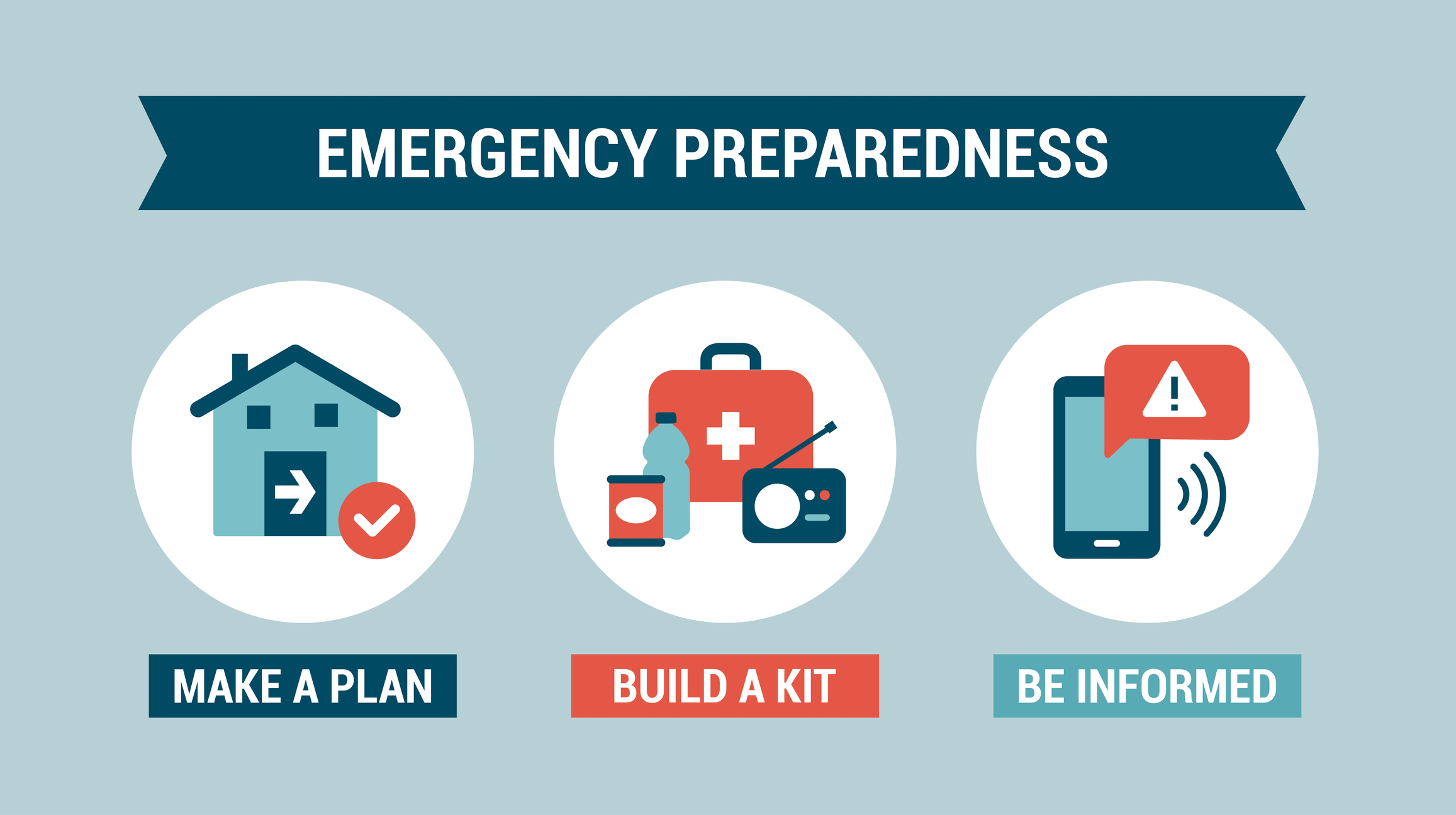
Effective communication is vital in any emergency preparedness plan. It ensures timely information flow and clear instructions. Well-planned communication strategies reduce confusion and enhance safety. These strategies focus on reliable contact methods and proper coordination.
Emergency Contact Lists
Emergency contact lists include phone numbers and emails of key people. They cover employees, emergency responders, and important partners. Keeping these lists updated is crucial. Everyone should have easy access to them. Quick contact saves lives and speeds up response.
Notification Systems
Notification systems alert people during emergencies. These can be alarms, text messages, or phone calls. Using multiple channels increases the chance of reaching everyone. Systems must be tested regularly for reliability. Fast notification helps people act quickly and stay safe.
Coordination With Authorities
Coordination with local authorities ensures proper emergency handling. It includes police, fire departments, and medical teams. Sharing information helps avoid delays and confusion. Clear roles and communication lines must be established. Working together improves response and recovery efforts.
Credit: www.domesticpreparedness.com
Roles And Responsibilities
Clear roles and responsibilities are vital in any emergency preparedness plan. They ensure every person knows what to do during a crisis. This clarity helps reduce confusion and speeds up response times. Defined roles improve team coordination and increase safety for everyone involved. Assigning tasks ahead of time prepares the organization for various hazards effectively.
Incident Command Structure
The Incident Command Structure (ICS) organizes leadership during emergencies. It creates a clear chain of command. Each leader has specific duties and decision-making power. ICS helps manage resources and communication efficiently. It supports quick, organized responses to hazards. Everyone understands who to report to and follow. This structure fits all types of emergencies and hazards.
Team Assignments
Teams receive assignments based on skills and hazards faced. Each team handles tasks like evacuation, medical aid, or communication. Proper assignments prevent overlap and missed duties. Team members must know their roles before an emergency. This preparation saves time and lives. Assignments should cover all key areas of the emergency plan. Teams work better when roles are clear and specific.
Training And Drills
Training prepares teams for their emergency roles. Drills test readiness and highlight needed improvements. Regular practice builds confidence and skills. Training includes hazard recognition and response actions. Drills simulate real emergencies to check plans. They help teams act quickly and correctly under pressure. Consistent training keeps everyone prepared for any hazard.
Resource Management
Effective resource management is vital in any emergency preparedness plan. It ensures that all necessary materials and systems are ready and available during a crisis. Proper management helps reduce confusion and delays when emergencies occur. It involves organizing supplies, medical tools, and backup systems. Each plays a crucial role in maintaining safety and supporting response teams.
Emergency Supplies
Emergency supplies include food, water, and basic necessities. Stock enough to last several days for all people involved. Keep supplies in easy-to-access locations. Regularly check expiration dates and replace items as needed. Include items like flashlights, batteries, blankets, and hygiene products. Planning ahead helps prevent shortages during critical times.
Medical Equipment
Medical equipment must be ready for immediate use. Include first aid kits, stretchers, and essential medicines. Train staff on how to use each item properly. Keep extra supplies for common injuries and illnesses. Regular maintenance and restocking are important. Quick access to medical tools saves lives and reduces complications.
Backup Systems
Backup systems support critical functions when primary systems fail. This includes power generators, communication devices, and data storage. Test these systems regularly to ensure they work correctly. Have clear protocols for switching to backups during emergencies. Reliable backup systems keep operations running smoothly. They help maintain contact with emergency services and coordinate responses effectively.
Risk Prioritization
Risk prioritization is a key step in an emergency preparedness plan. It helps identify which hazards need the most attention. This process ensures resources focus on the most serious threats. Prioritizing risks makes response efforts more effective and efficient.
Assessing Hazard Impact
Evaluate how each hazard could affect people, property, and services. Consider the potential damage and the number of people at risk. Use data from past events and expert opinions. This helps estimate the severity of each hazard. High-impact hazards demand more preparation and quick response.
Focusing On Significant Threats
Not all hazards pose the same level of danger. Focus on those that could cause major harm or disrupt essential services. Examples include floods, fires, and chemical spills. Ignoring minor threats saves time and resources. Prioritizing significant threats improves overall safety.
Updating Risk Profiles
Risk profiles change over time due to new information or changing conditions. Review and update them regularly. Include new hazards or changes in community vulnerability. Keep the emergency plan current and relevant. This ensures readiness for evolving risks and threats.
Credit: www.hernandocounty.us
Frequently Asked Questions
What Hazards Should Be Included In An Emergency Preparedness Plan?
Include natural disasters, pandemics, chemical spills, terrorist attacks, and cyber attacks in an emergency preparedness plan.
Which Of These Hazards Is Not Considered In An Emergency Preparedness Plan?
A thunderstorm warning is not considered a standalone hazard in emergency preparedness plans. Plans focus on major threats like natural disasters, pandemics, chemical spills, and attacks. Thunderstorm warnings usually fall under broader severe weather categories without separate response actions.
What Is Included In An Emergency Preparedness Plan?
An emergency preparedness plan includes evacuation routes, emergency contacts, supply lists, communication procedures, and hazard-specific response actions.
What Is The All Hazard Preparedness Plan?
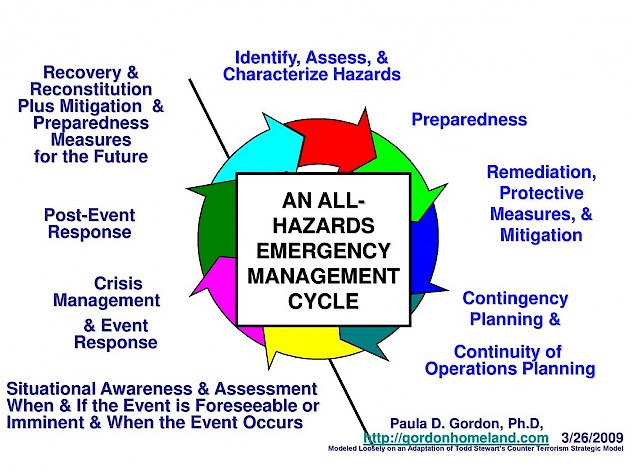
An all hazard preparedness plan identifies natural, man-made, and health emergencies. It outlines response steps, resources, and communication to ensure safety and minimize damage.
Conclusion
Emergency preparedness plans cover many possible hazards. Natural disasters, disease outbreaks, chemical spills, and cyber attacks are key threats. Each hazard needs clear steps for quick response. Plans help protect lives and reduce damage. Staying aware and ready makes a big difference.
A well-built plan keeps communities safer and stronger. Always review and update your plan regularly. Preparedness is a shared responsibility for everyone.


