
When it comes to emergencies, your child’s safety depends on how prepared you both are. Imagine a sudden storm, a power outage, or even a fire—do you know how to keep your kids calm and safe?
Teaching your children emergency preparedness isn’t just about having a plan; it’s about giving them confidence and the skills to protect themselves when it matters most. You’ll discover simple, effective ways to prepare your kids for unexpected situations. Stick with me, and you’ll learn how to turn anxiety into action, helping your family stay safe no matter what comes your way.
Credit: news.va.gov
Why Kids Need Emergency Plans
Kids need emergency plans to stay safe during unexpected situations. Emergencies can be scary and confusing for children. Having a plan helps them feel more secure and know what to do. It teaches children how to act calmly and confidently. Emergency plans give kids clear steps to follow. This reduces panic and helps protect them from harm. Planning also supports parents and caregivers by making sure everyone is prepared together.
Teaching kids about emergencies early builds important life skills. It encourages responsibility and awareness. Kids learn how to recognize danger and seek help. Emergency plans can make a big difference in how children respond. Being prepared means kids can help themselves and others. It also makes it easier for adults to assist them quickly.
Benefits Of Early Preparation
Preparing children early improves their safety. They remember important instructions better. Early preparation reduces fear and confusion during real emergencies. Kids develop confidence in handling tough situations. It also builds trust between children and adults. Practice drills help kids understand the plan clearly. This practice makes it easier to follow the steps when needed. Early preparation can save time and lives.
Common Emergencies For Children
Children may face many types of emergencies. Fires, storms, and earthquakes are common natural disasters. Power outages and accidents can happen at home or school. Medical emergencies like allergies or injuries need quick action. Kids may get lost or separated from family in crowds. Knowing what to do in these events is vital. Emergency plans prepare children for these situations. They learn how to stay safe and get help fast.
Credit: news.va.gov
Building A Family Emergency Kit
Building a family emergency kit is a key step in keeping children safe during a crisis. A well-prepared kit provides comfort and meets basic needs. It helps families stay calm and focused in emergencies.
Each family member has unique needs. Kids need supplies suited to their age and comfort. Planning ahead makes a big difference when time is short.
Essential Supplies For Kids
Include water and snacks that children like and can eat easily. Pack small toys or books to keep them calm. Add extra clothes and blankets for warmth. A flashlight with fresh batteries helps during power outages. Include wipes and hand sanitizer for cleanliness. A child’s favorite comfort item can ease fear. Don’t forget important documents like ID and medical info.
Special Items For Babies And Toddlers
Babies and toddlers need extra care in an emergency kit. Pack formula, baby food, and bottles. Include diapers and changing pads for hygiene. Bring baby wipes and gentle soap. A small first aid kit with baby-safe items is important. Add a favorite blanket or pacifier for comfort. Make sure to have a supply of any needed medications. Keep everything in a waterproof bag for safety.
Teaching Safety Skills
Teaching safety skills to children is a vital part of emergency preparedness. Kids who understand basic safety rules feel more confident during crises. They can react calmly and protect themselves and others. Start by making lessons simple and clear. Use examples they can relate to and practice regularly. Safety skills build a strong foundation for handling unexpected events.
Recognizing Hazards
Children must learn to spot dangers around them. Teach them to identify common hazards like fire, sharp objects, and unsafe places. Use pictures or real-life examples to explain each hazard. Encourage kids to ask an adult if they are unsure about something. Teach them to move away from hazards quickly and tell a trusted adult. This awareness helps prevent accidents before they happen.
Basic First Aid For Kids
Basic first aid skills are useful for children. Show them how to clean small cuts with soap and water. Teach them to apply pressure to stop bleeding. Explain when to use a bandage and how to keep wounds clean. Practice calling for help and giving clear information. Knowing simple first aid builds confidence and helps children stay calm during injuries.
Creating A Communication Plan
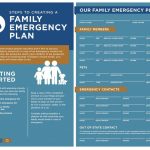
Creating a communication plan is an important step in emergency preparedness for kids. It helps children know how to reach family members or trusted adults during an emergency. A clear plan reduces fear and confusion in stressful situations. Teaching kids whom to contact and where to meet brings peace of mind for parents and children alike.
A good communication plan is simple and easy to remember. Practice it often with your child. Make sure they understand each step and feel comfortable asking for help. Keep contact information updated and accessible to everyone in the family.
Emergency Contacts
Emergency contacts are the people your child can call for help. Start with parents or guardians, then include close relatives or trusted neighbors. Write down phone numbers on a card or a small notebook your child can carry.
Teach children how to dial emergency services like 911. Explain when and how to use these numbers carefully. Encourage them to stay calm and speak clearly when making a call.
Update emergency contacts regularly. Make sure your child knows who to call if someone on the list is unavailable. This helps avoid confusion during an emergency.
Safe Meeting Spots
Safe meeting spots are places your family agrees to gather after an emergency. Choose locations both near your home and outside your neighborhood. This ensures a safe place to meet if you cannot return home immediately.
Pick spots that are easy for children to remember and reach. Parks, schools, or a neighbor’s house can be good options. Walk through these places with your child so they feel familiar and safe.
Discuss what to do if your child cannot reach the meeting spot. Have a backup plan and share it with your child. This helps keep everyone connected and safe during emergencies.
Practicing Emergency Drills
Practicing emergency drills helps children learn how to stay safe during real emergencies. Regular drills build their confidence and reduce fear. Kids remember what to do when they practice often. This practice turns knowledge into quick action. It also helps families work as a team.
Fire Drill Tips
Teach kids to recognize the sound of a fire alarm. Show them the safest escape routes from each room. Practice crawling low under smoke to breathe cleaner air. Choose a safe meeting spot outside the house. Remind children not to hide during a fire. Run the drill at different times and days. Praise children for following instructions quickly and calmly.
Earthquake And Weather Drills
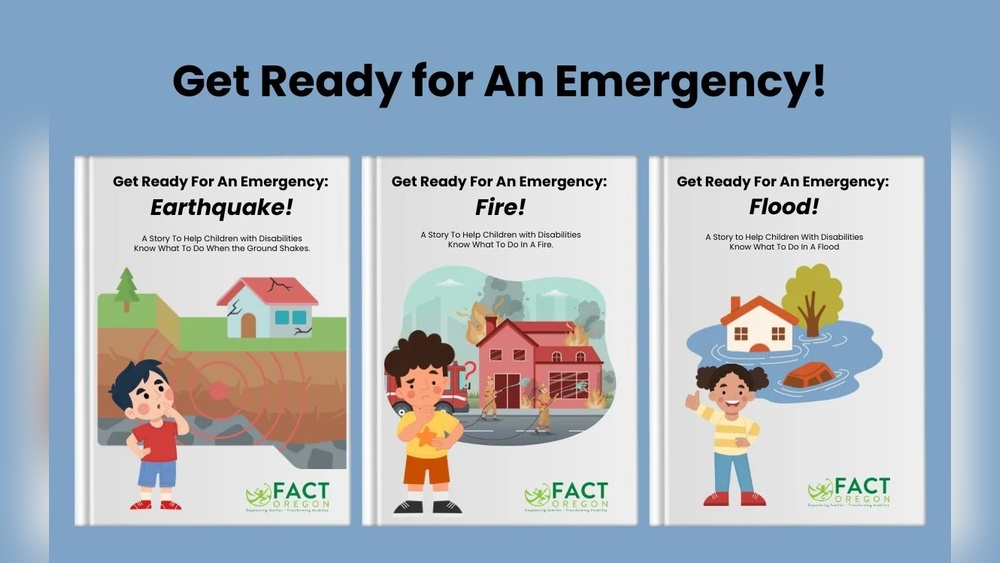
Explain the “Drop, Cover, and Hold On” method for earthquakes. Practice dropping to knees, covering head and neck, and holding on. Teach kids to stay indoors until shaking stops. For weather drills, role-play seeking shelter during storms. Point out safe places like basements or interior rooms. Practice staying calm and listening to adults. Repeat drills often to build strong habits.
Using Check, Call, And Care
Teaching kids to use the “Check, Call, and Care” method helps them stay calm and act smart during emergencies. This simple step-by-step plan guides children on what to do first at any emergency scene. It builds confidence and can save lives. Each step focuses on safety and quick action.
Checking The Scene And Victim
First, kids should look around carefully. They must find any dangers like fire, broken glass, or traffic. If it is unsafe, they should not get closer.
Next, they check the person who needs help. Are they awake? Are they breathing? Kids should look for signs of injury or if more people need help.
If the person is awake, kids should ask if they can help. If the person cannot answer, kids can assume it is okay to help.
Calling For Help
After checking, kids should call emergency services. They must speak clearly and stay calm. Kids should say exactly where they are and what happened.
Giving clear details helps emergency workers come fast. It also helps them bring the right kind of help.
Providing Basic Care
While waiting for help, kids can give simple care. They can help the person stay calm and still.
If the person is bleeding, kids can press gently on the wound with a clean cloth. They should not move the person unless there is danger.
Kids should stay with the person and keep watching them until adults or emergency workers arrive.
Resources For Parents And Kids
Parents play a vital role in teaching kids how to stay safe during emergencies. Access to the right resources helps families prepare effectively. Resources designed for both parents and children make learning about safety easier and more engaging. These tools guide families in creating plans and understanding risks. Below are some helpful resources that support emergency preparedness for kids.
Online Tools And Apps
Online tools and apps offer interactive ways to learn about emergencies. Many apps use games and quizzes to teach safety skills. These tools help kids remember important steps during emergencies. Parents can find apps that explain first aid and emergency contacts clearly. Some apps allow families to create and share emergency plans. Using these digital resources keeps kids interested and informed.
Local Emergency Services
Local emergency services provide valuable support and information. Parents can contact fire departments, police, and medical services to learn about local risks. Many departments offer free safety workshops for families and children. Visiting local stations can help kids feel comfortable with emergency responders. Knowing who to call and what to expect can reduce fear during real emergencies. Local services often provide materials and advice tailored to the community.
Credit: www.yumpu.com
Frequently Asked Questions
How Do You Teach Children Emergency Preparedness?
Teach children emergency preparedness by explaining safety rules, practicing drills, creating family plans, and assembling emergency kits. Use simple language and role-play scenarios to build confidence and awareness. Reinforce learning regularly to ensure children remember actions during emergencies.
What Are The 5 P’s Of Preparedness?
The 5 P’s of preparedness are: Proper Planning Prevents Poor Performance. They emphasize planning, preparation, practice, persistence, and personal responsibility. These elements ensure effective emergency readiness and response.
What Are 10 Items In An Emergency Kit For Kids?
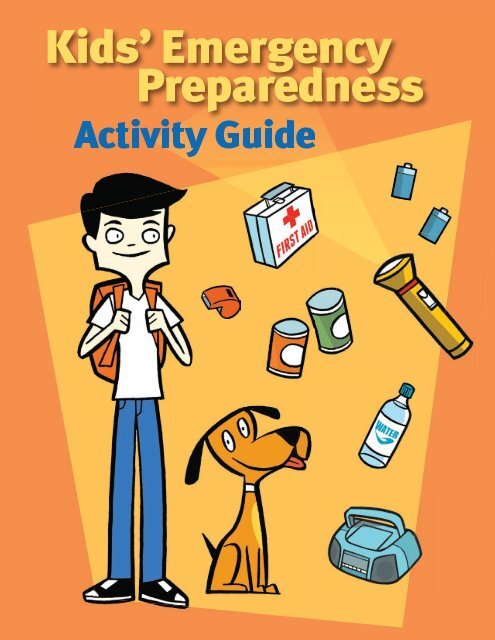
An emergency kit for kids should include water, non-perishable food, first aid supplies, flashlight, batteries, whistle, blanket, clothes, toys, and important documents.
What Are The 3 C’s In An Emergency Situation?
The 3 C’s in an emergency are Check, Call, and Care. Check the scene and victim’s safety. Call emergency services. Care for the victim until help arrives.
Conclusion
Teaching kids emergency preparedness builds their confidence and safety. Simple steps like knowing when to call for help matter. Practice plans often so children remember them easily. Keep emergency supplies ready and accessible for quick use. Talking openly about emergencies reduces fear and confusion.
Families who prepare together feel stronger during crises. Start early and keep lessons clear and fun. Safety skills learned now protect kids for life. Stay calm, stay ready, and help your child stay safe.