Are you ready to take charge when emergencies strike? The BSA Emergency Preparedness Merit Badge Workbook is your key to mastering vital skills that can save lives and protect your community.
Whether you’re just starting or looking to sharpen your knowledge, this workbook guides you step-by-step through important tasks like planning for disasters, signaling for help, and providing first aid. By working through it, you’ll gain confidence and practical know-how that go beyond the badge—skills you can rely on anytime, anywhere.
Dive in now and discover how easy and rewarding it is to be truly prepared!

Credit: www.yumpu.com
Merit Badge Basics
The Emergency Preparedness Merit Badge teaches Scouts how to plan for unexpected events. It builds skills to stay safe during emergencies. This badge encourages responsibility and readiness in everyday life.
Understanding the basics helps Scouts complete the badge successfully. This section covers the purpose, who can earn it, and what materials are needed.
Purpose And Benefits
The badge aims to prepare Scouts for emergencies. It helps them learn safety skills and planning strategies. Earning this badge builds confidence and awareness. Scouts become valuable helpers in their families and communities.
Eligibility Criteria
Any Scout in Boy Scouts or Scouts BSA can earn this badge. They must be active members in good standing. Scouts should be ready to learn and complete all requirements. Age or rank may affect when they can start.
Required Materials
Scouts need the official merit badge pamphlet and workbook. A notebook or paper helps to record answers and plans. Access to first aid kits, emergency supplies, and a map is useful. Guidance from a merit badge counselor supports their progress.
Emergency Preparedness Skills
Emergency preparedness skills are essential for every scout. These skills help handle unexpected situations safely and calmly. Learning these abilities builds confidence and readiness for various emergencies. The BSA Emergency Preparedness Merit Badge Workbook guides scouts through key skills needed in real-life scenarios.
First Aid Essentials
First aid is the first step in emergency care. Scouts learn how to treat cuts, burns, and sprains. Knowing how to perform CPR and stop bleeding saves lives. The workbook teaches how to gather first aid supplies and use them properly. These skills prepare scouts to act quickly and confidently during injuries.
Survival Techniques
Survival techniques help scouts stay safe in the wild. Skills include building shelters, finding food, and purifying water. Scouts learn how to signal for help and navigate without a map. The workbook covers ways to stay calm and think clearly under pressure. These lessons improve a scout’s chance to survive outdoors.
Disaster Planning
Disaster planning means preparing for events like storms or fires. Scouts learn to create emergency kits and family communication plans. The workbook guides scouts in recognizing local hazards and safe places. Planning ahead reduces panic and confusion during a disaster. Scouts gain knowledge to protect themselves and others effectively.
Workbook Structure
The BSA Emergency Preparedness Merit Badge Workbook is designed to guide Scouts through the badge requirements clearly. Its structure divides the material into manageable parts, making it easier to study and complete. The workbook supports learning by combining reading, exercises, and reflection. This approach helps Scouts understand emergency preparedness deeply.
The workbook’s layout encourages active participation. It invites Scouts to write answers and think critically about each topic. This makes the learning process more effective and enjoyable. The clear sections help Scouts stay organized and track progress easily.
Section Breakdown
The workbook is split into key sections, each covering important topics. These include understanding emergencies, planning, and safety skills. Each section has questions and tasks related to the topic. This helps Scouts apply what they learn immediately. The structure follows the official merit badge requirements closely.
Sections build on each other. Early parts focus on basic knowledge. Later parts involve practical plans and actions. This step-by-step format supports steady learning and confidence building.
How To Use The Workbook
Begin by reading the merit badge pamphlet carefully. Use the workbook to write answers and notes. Follow each section’s instructions closely. Complete all exercises to show your understanding.
Write clearly and keep answers brief but complete. Use extra paper if needed for longer responses. Review your answers with your merit badge counselor. This helps ensure you meet all requirements.
Tips For Completing Exercises
Take your time with each question. Think about real-life examples related to emergencies. Use simple language in your answers. Check your work for accuracy and completeness.
Ask for help if you find a question confusing. Practice skills like making an emergency kit or plan. These activities make the workbook more practical and fun. Staying organized and focused helps finish the badge faster.
Credit: usscouts.org
Key Requirements
The key requirements of the BSA Emergency Preparedness Merit Badge focus on practical skills and knowledge. Scouts learn how to prepare for emergencies with proper planning, communication, and safety measures. These skills help Scouts stay ready for unexpected situations and assist others in need.
Planning Emergency Kits
Scouts must understand what to include in an emergency kit. Basic items include water, food, first aid supplies, and tools. Kits should be tailored to specific needs and environments. Scouts learn to pack kits that can support themselves and others during emergencies. Regularly checking and updating the kit is important to keep it ready.
Communication Methods
Effective communication is essential during emergencies. Scouts explore different ways to send and receive messages. This includes using radios, cell phones, and signal devices. Scouts practice clear and calm communication to avoid confusion. They also learn how to create a communication plan with family or group members.
Safety Protocols
Knowing safety protocols can save lives. Scouts study how to protect themselves and others in various emergency scenarios. This includes fire safety, first aid, and natural disaster responses. They learn to assess risks and act quickly with care. Following safety rules helps prevent injuries and ensures a safer outcome.
Signaling And Rescue
Signaling and rescue are critical skills taught in the BSA Emergency Preparedness Merit Badge Workbook. Scouts learn how to attract help and communicate during emergencies. Effective signaling can save lives in dangerous situations. Understanding different types of signals ensures a Scout can respond properly and get rescued quickly.
Visual Signals
Visual signals use light, color, or movement to send messages. Scouts practice using mirrors to reflect sunlight. They also learn how to create ground signals with rocks or logs. Flags and flashlights serve as common tools to catch attention. Bright colors and clear shapes help rescuers spot signals from far away.
Audible Signals
Audible signals rely on sound to alert others. Scouts use whistles, horns, and calls to send messages. Three short blasts often mean “help” or “emergency.” Scouts learn to use Morse code with sound for detailed communication. Loud, repeated noises are easier to hear over distances.
Emergency Communication Devices
Modern devices improve emergency signaling and rescue chances. Scouts study how to use radios and cell phones effectively. They learn to keep devices charged and know emergency numbers. GPS devices help rescuers find exact locations. Knowing how to operate communication gear is vital in emergencies.

Credit: worksheets.clipart-library.com
Incident Command System
The Incident Command System (ICS) is a key part of emergency management. It helps organize teams and resources during crises. ICS creates a clear chain of command. This system ensures quick and efficient response to emergencies. Learning ICS is essential for Scouts working on the Emergency Preparedness Merit Badge.
Nims Overview
The National Incident Management System (NIMS) supports ICS. NIMS provides a common framework for all agencies to work together. It standardizes roles, responsibilities, and procedures. This helps different groups coordinate better. NIMS improves communication and resource sharing during incidents.
Roles And Responsibilities
ICS defines specific roles for team members. The Incident Commander leads the response and makes key decisions. Section chiefs manage operations, planning, logistics, and finance. Each person has clear duties to avoid confusion. Everyone knows who to report to and what tasks to perform.
Coordination In Emergencies
ICS promotes teamwork among various agencies. Firefighters, police, medical staff, and volunteers work as one unit. This system allows fast sharing of information and resources. Coordinated actions reduce risks and save lives. ICS keeps the emergency response organized and effective.
Practical Exercises
Practical exercises form the heart of the BSA Emergency Preparedness Merit Badge Workbook. Scouts gain real-world skills through hands-on activities. These exercises build confidence and readiness for actual emergencies. Each exercise targets a specific skill needed in crisis situations.
Scenario Planning
Scenario planning helps Scouts think ahead. They create detailed plans for different emergencies. This could be a natural disaster or a home accident. Scouts learn to identify risks and prepare steps to stay safe. Planning ahead reduces panic and improves decision-making.
Mock Drills
Mock drills simulate real emergencies in a safe setting. Scouts practice what to do during fires, floods, or power outages. These drills teach quick thinking and proper responses. Repeating drills helps Scouts remember important safety actions. It also shows areas that need improvement.
Emergency Response Practice
Emergency response practice trains Scouts to act fast and correctly. They learn skills like first aid, using emergency kits, and calling for help. Practicing these tasks makes Scouts more capable in real crises. They gain the confidence to protect themselves and others effectively.
Additional Resources
Finding the right resources helps Scouts succeed in earning the Emergency Preparedness Merit Badge. These tools guide Scouts through requirements and build confidence. They cover important safety skills and knowledge for real-life emergencies.
Below are key additional resources that support learning and completion of the badge. Each resource offers valuable information and practical tools.
Official Merit Badge Pamphlet
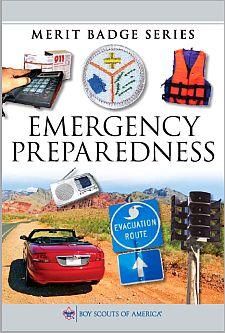
The official pamphlet explains all merit badge requirements clearly. It includes detailed instructions and safety tips. Scouts can study the pamphlet to understand expectations. It also provides examples and helpful illustrations. This pamphlet is a trusted source from the Boy Scouts of America.
Online Tools And Worksheets
Online worksheets help Scouts organize their answers and track progress. Many sites offer free downloadable workbooks tailored to this merit badge. These tools encourage Scouts to think through each step carefully. Interactive quizzes and checklists reinforce important concepts. Using online resources makes preparation easier and more structured.
Local Scouting Support
Local Scout leaders and councils provide guidance and hands-on training. Merit badge counselors offer personalized advice and feedback. Troops often hold workshops or group sessions for this badge. Scouts benefit from learning with peers and experienced mentors. Local support creates a positive and motivating environment for earning the badge.
Frequently Asked Questions
What Is The Bsa Emergency Preparedness Merit Badge Workbook?
The workbook is a guided tool to help Scouts complete the Emergency Preparedness merit badge. It organizes answers and activities based on official requirements. Using the workbook ensures Scouts cover all key emergency readiness topics effectively.
How Does The Workbook Help Scouts Prepare?
It breaks down merit badge requirements into manageable sections. Scouts can track their progress and record answers clearly. The workbook complements the official pamphlet, enhancing understanding of emergency plans, safety skills, and preparedness.
Where Can I Find The Official Emergency Preparedness Workbook?
The workbook is available on trusted Scouting websites like U. S. Scouting Service Project and official BSA portals. Many councils provide downloadable PDFs to assist Scouts and leaders with merit badge completion.
What Topics Are Covered In The Emergency Preparedness Workbook?
The workbook covers signaling for rescue, first aid, emergency planning, NIMS/ICS systems, and personal preparedness plans. These topics ensure Scouts develop practical skills for various emergency situations.
Conclusion
Earning the Emergency Preparedness Merit Badge teaches vital safety skills. Scouts learn how to plan for emergencies and help others. The workbook guides you step-by-step through important tasks. Completing it builds confidence and readiness for real situations. Keep practicing what you learn to stay safe and prepared.
This badge is a great way to serve your community. Stay alert, be ready, and help when needed.