
Are you truly ready for an unexpected emergency? Taking a few moments now to organize your plan can make all the difference when every second counts.
An Emergency Preparedness Worksheet is your powerful tool to gather vital information, list essential supplies, and map out clear actions for you and your loved ones. By using this worksheet, you gain confidence and control over unpredictable situations, reducing stress and ensuring safety.
Keep reading to discover how to create a simple yet effective emergency plan that fits your needs and keeps you prepared no matter what comes your way. Your peace of mind starts here.
Emergency Basics
Emergency preparedness starts with understanding the basics. Knowing what emergencies might happen helps you plan better. It is important to learn about types of emergencies, local risks, and how to receive alerts. This knowledge keeps you safe and ready to act quickly.
Using an emergency preparedness worksheet helps organize your plan. It guides you to list supplies, contacts, and steps to take. This simple tool can make a big difference during a crisis.
Types Of Emergencies
Emergencies can be natural or man-made. Natural ones include storms, floods, and wildfires. Man-made emergencies may involve power outages or accidents. Each type needs a specific response plan. Preparing for different emergencies helps reduce panic and damage.
Common Risks In Austin, Texas
Austin faces several common risks. Flooding occurs during heavy rains and storms. Tornadoes also pose a threat in certain seasons. Heatwaves are frequent in summer months. Knowing these risks helps residents prepare with the right tools and plans.
Emergency Alerts And Warnings
Emergency alerts provide crucial information fast. Austin uses sirens, text messages, and radio broadcasts. Signing up for local alerts ensures you get warnings immediately. Always follow instructions from authorities during emergencies.
Creating Your Plan
Creating your emergency preparedness plan is the first step to staying safe during a crisis. It helps your family know what to do and where to go. A clear plan reduces panic and confusion. Every member should understand their role and responsibilities.
Use an emergency preparedness worksheet to organize your plan. Write down important information like contacts, supplies, and steps to follow. Review and update your plan regularly to keep it current.
Family Communication Strategy
Decide how your family will stay in touch during an emergency. Choose a primary method like phone calls or text messages. Have a backup plan if phones do not work.
Pick a relative or friend outside your area as a central contact. Everyone should call or message this person to report their status. Share all important phone numbers with each family member.
Evacuation Routes
Identify safe routes out of your home, neighborhood, and city. Plan at least two ways to leave in case one is blocked. Practice these routes with your family.
Mark these routes on a map and keep copies in accessible places. Know where gas stations and rest stops are along the way. Plan for how to evacuate with pets and special needs family members.
Meeting Points
Choose several safe places for your family to meet after evacuating. Pick one near your home and one outside your neighborhood. This helps if you get separated.
Make sure everyone knows these locations and how to get there. Use public places like parks or community centers. Confirm these spots work for all family members.
Essential Supplies
Essential supplies form the backbone of any emergency preparedness plan. Being ready means having the right items on hand before a disaster strikes. These supplies cover basic needs such as shelter, food, water, and medical care. Organizing and maintaining these essentials can improve safety and comfort during emergencies.
Emergency Kit Checklist
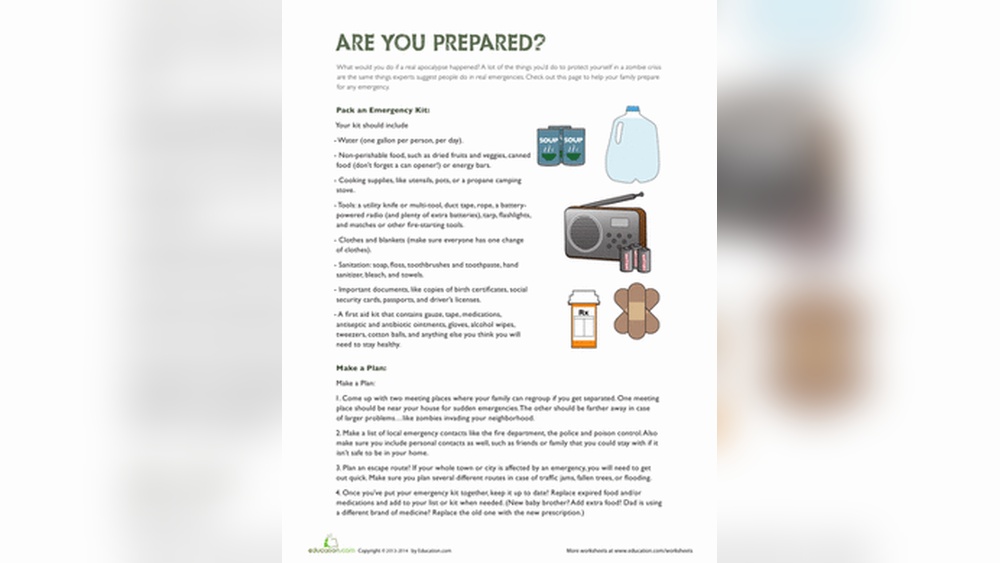
An emergency kit should contain all the necessary items to survive for at least 72 hours. Include a flashlight with extra batteries, a battery-powered radio, and a whistle for signaling. Pack important documents like IDs, insurance papers, and cash. Don’t forget personal hygiene items such as soap, hand sanitizer, and feminine products. A multi-tool or Swiss army knife also comes in handy for many tasks.
Food And Water Storage
Store at least one gallon of water per person per day for drinking and sanitation. Choose non-perishable foods like canned goods, dried fruits, nuts, and energy bars. Rotate food supplies regularly to keep them fresh. Consider easy-to-prepare meals that require little or no cooking. Keep a manual can opener accessible in your kit.
Medical Supplies
First aid supplies can treat minor injuries and prevent infections. Include adhesive bandages, sterile gauze, antiseptic wipes, and antibiotic ointment. Pack pain relievers, allergy medication, and any prescription drugs needed. Add items like tweezers, scissors, and medical tape. A first aid manual can guide you through basic treatments during emergencies.
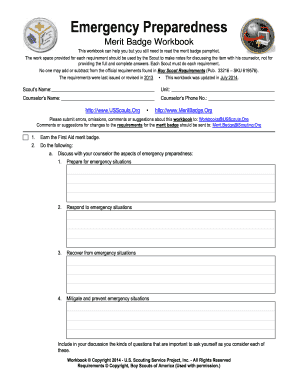
Credit: worksheets.clipart-library.com
Special Considerations
Special considerations are vital in emergency preparedness. Different family members have unique needs that require attention. Planning ahead ensures safety and comfort for everyone involved. This section highlights key areas to focus on for a comprehensive emergency plan.
Caring For Children And Pets
Children need clear instructions and comfort during emergencies. Prepare simple explanations about what might happen. Pack favorite toys or blankets to help ease anxiety. Pets also need supplies like food, water, and medications. Include pet carriers and leashes for safe transport. Keep a list of pet-friendly shelters or boarding options nearby.
Supporting Elderly Or Disabled Family Members
Elderly and disabled individuals may need extra help in emergencies. Plan for mobility aids such as wheelchairs or walkers. Ensure access to hearing aids or communication devices. Prepare a list of emergency contacts and medical information. Assign a family member to assist with evacuation or daily needs.
Managing Special Medical Needs
Special medical needs demand careful planning. Keep an updated list of medications and dosages. Store extra supplies like insulin, inhalers, or oxygen tanks. Have copies of medical records and doctor’s contact information. Know the locations of nearby hospitals or urgent care centers. Regularly check and replace expired medications in your kit.
Home Safety Measures
Home safety measures form the foundation of any emergency preparedness plan. Protecting your home reduces risks and helps everyone stay safe. Simple steps can prevent accidents and minimize damage during emergencies.
Focus on areas that often cause harm or injury. Fire hazards, heavy objects, and utility lines need attention. Taking action early can save lives and property.
Fire Prevention Tips
Keep flammable materials away from heat sources. Check smoke detectors monthly and replace batteries yearly. Store matches and lighters out of children’s reach. Avoid overloading electrical outlets to reduce fire risk. Have fire extinguishers easily accessible in key areas.
Securing Heavy Items
Anchor tall furniture to walls to prevent tipping. Use safety straps for TVs and large appliances. Store heavy items on lower shelves to avoid falls. Secure mirrors and picture frames to keep them from falling. These steps protect against injuries during shakes or bumps.
Shutting Off Utilities
Learn how to turn off water, gas, and electricity quickly. Label shut-off valves and switches for easy access. Practice shutting off utilities with family members. This helps stop leaks, fires, or electrical hazards after disasters. Keep tools nearby to assist in shutting off utilities fast.

Credit: worksheets.clipart-library.com
Practice Drills
Practice drills are essential for emergency preparedness. They help families act quickly and calmly during a crisis. Drills make sure everyone knows their role and the steps to stay safe. Regular practice increases confidence and reduces panic. These drills reveal any weak points in your plan. This section covers how to conduct family drills, evaluate your plan, and make improvements.
Conducting Family Drills
Gather your family and explain the drill’s purpose. Choose a type of emergency to practice, such as fire or earthquake. Set a time and start the drill without warning. Everyone should follow the plan exactly as written. Practice exiting the house, meeting at a safe spot, and checking on each other. Repeat drills at least twice a year. Keep drills short but realistic.
Evaluating Your Plan
After each drill, talk about what went well. Ask each family member for their thoughts and feelings. Note any confusion or delays during the drill. Check if all emergency supplies were easy to find and use. Look for obstacles that slowed down the process. Write down these observations clearly. This feedback helps you see where the plan needs work.
Adjusting For Improvement
Use your evaluation notes to update the plan. Fix any unclear instructions or missing steps. Make sure emergency contacts and meeting spots are current. Train family members on new or changed parts. Practice drills again to test the updates. Keep improving the plan until everyone feels confident. A strong plan saves lives and reduces stress during real emergencies.
Community Resources
Community resources play a key role in emergency preparedness. They offer support and information that help individuals and families stay safe. Knowing what resources are available can make a big difference during a crisis. This section covers local emergency services, shelters and aid centers, and educational materials and workshops. Each resource helps build a stronger, safer community.
Local Emergency Services
Local emergency services respond quickly to disasters. Fire departments, police, and medical teams work around the clock. They provide rescue, medical help, and safety information. Keep their contact numbers handy in your emergency preparedness worksheet. Knowing who to call can save precious time in an emergency.
Shelters And Aid Centers
Shelters and aid centers offer safe places during disasters. They provide food, water, and temporary housing. Many centers also offer medical care and emotional support. Your emergency worksheet should list nearby shelters and aid centers. Being aware of these locations helps you plan evacuation routes and stay calm.
Educational Materials And Workshops
Educational materials teach essential skills for emergencies. Workshops offer hands-on training for disaster response. Many community centers and local agencies provide free classes. These resources improve your ability to react safely and confidently. Add dates and details of upcoming workshops to your worksheet. Learning ahead helps reduce panic during real events.
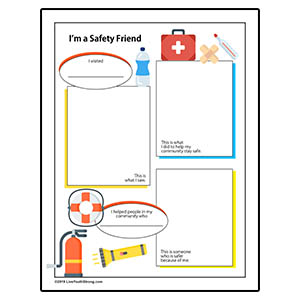
Credit: youthsquad.makingfriends.com
Using Worksheets
Worksheets help organize emergency plans clearly and simply. They break down important tasks into easy steps. Using worksheets makes it easier to stay ready for any crisis. Each section targets key areas to improve your safety and response. Focus on tracking contacts, listing supplies, and saving crucial details.
Tracking Emergency Contacts
Keep all vital phone numbers in one place. Include family, friends, doctors, and local emergency services. Write down addresses and alternative contacts. This helps you reach help fast during emergencies. Update contacts regularly to avoid outdated information.
Inventorying Supplies
List all emergency items you have at home. Include food, water, first aid kits, and tools. Note quantities and expiration dates to avoid surprises. This list shows what you need to buy or replace. Review your supplies often to stay prepared.
Documenting Important Information
Write down medical conditions, allergies, and medications for each family member. Keep copies of insurance papers and identification cards. Include evacuation routes and meeting points. Clear documentation saves time and stress in emergencies. Store this information in an easy-to-find spot.
Frequently Asked Questions
What Is An Emergency Preparedness Worksheet?
An Emergency Preparedness Worksheet is a tool to organize plans and resources. It helps individuals or families outline steps to take before, during, and after emergencies. This worksheet improves readiness and ensures critical information is accessible when disasters occur.
Why Use An Emergency Preparedness Worksheet?
Using a worksheet helps you stay organized and proactive. It ensures important contacts, supplies, and evacuation plans are documented. This reduces confusion and stress during emergencies, increasing your safety and response efficiency.
What Information Should An Emergency Preparedness Worksheet Include?
It should list emergency contacts, medical information, evacuation routes, and supply checklists. Also include communication plans and special needs details. Comprehensive info supports quick decision-making in crisis situations.
How Often Should I Update My Worksheet?
Review and update your worksheet at least twice a year. Update after major life changes, like moving or new family members. Keeping it current ensures your plan remains effective and relevant.
Conclusion
Preparing for emergencies saves lives and reduces stress. Use the worksheet to list your important contacts and supplies. Keep it updated and share it with family members. Practice your plan often to stay confident and ready. Simple steps today can protect you tomorrow.
Stay safe by planning ahead and staying informed.