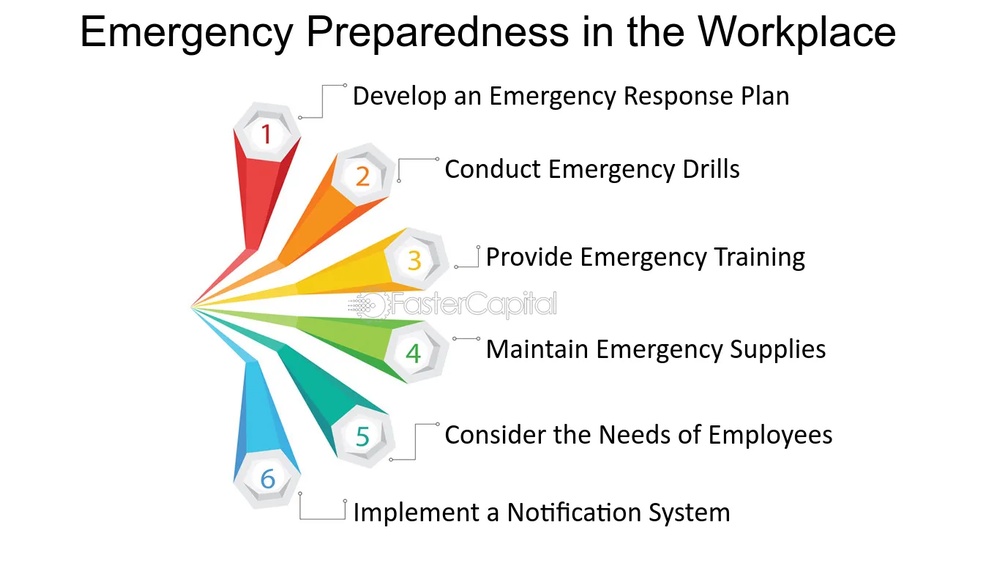

When it comes to keeping you, your family, or your team safe, knowing how to act during an emergency is crucial. But how do you make sure everyone is truly ready when a crisis strikes?
That’s where emergency preparedness drills come in. These drills aren’t just routine exercises—they’re powerful tools that can be used in two key ways to sharpen your response and boost your confidence. Whether you prefer hands-on practice or thoughtful discussion, understanding these two types of drills can make all the difference in a real emergency.
Keep reading to discover how these drills work and how you can use them to protect what matters most to you.
Types Of Emergency Drills
Emergency preparedness drills are vital for training individuals and teams. These drills help practice responses to different crises. There are two main types of emergency drills used in many organizations and communities. Each type serves a unique purpose in preparing people for real emergencies.
Active Drills
Active drills involve hands-on practice of emergency procedures. Participants perform actions as if the emergency is happening. This type of drill tests physical readiness and decision-making under pressure. For example, during a fire drill, everyone must evacuate the building quickly and safely. Active drills build muscle memory and improve reaction time in real events.
Tabletop Drills
Tabletop drills are discussion-based exercises. Participants sit around a table and discuss how to respond to a scenario. These drills focus on planning, communication, and problem-solving. Tabletop drills help identify gaps in emergency plans without physical activity. They allow teams to think through challenges and improve coordination before an actual crisis.
Hands-on Practice Benefits
Hands-on practice is a vital part of emergency preparedness drills. It lets participants actively engage in emergency scenarios. This type of training helps people learn by doing, not just listening or reading. Practical experience builds confidence and reduces panic during real emergencies.
Realistic Scenario Training
Hands-on drills create realistic emergency situations. Participants face challenges that mimic real-life events. This realism helps them understand what to expect. It also highlights the importance of quick decision-making and teamwork. Such training prepares people for the stress of actual emergencies.
Improved Response Skills
Repeated hands-on practice sharpens emergency skills. Participants learn how to act fast and correctly. They improve their use of safety equipment and communication methods. These drills boost muscle memory, making responses automatic. Better skills mean higher chances of safety and survival.
Discussion-based Drill Advantages
Discussion-based drills focus on talking through emergency situations. They help teams think ahead and prepare without physical action. These drills improve understanding and coordination. Participants explore possible challenges and solutions. This type of drill is less stressful and easier to organize. It allows more people to join in and share ideas.
Scenario Planning
Scenario planning guides participants through imagined emergencies. Teams discuss roles, decisions, and steps to take. This method helps identify gaps in current plans. It builds confidence by simulating real situations mentally. Teams can test different responses and see what works best. This planning sharpens problem-solving skills before an actual emergency occurs.
Communication Enhancement
Discussion-based drills improve how team members talk during crises. Clear communication is vital to avoid confusion and mistakes. These drills practice sharing information quickly and accurately. They highlight the importance of listening and confirming messages. Teams learn to use communication tools effectively. Strong communication boosts overall emergency response success.
Preparing For Natural Disasters
Natural disasters happen without warning. Preparing for them saves lives and reduces damage. Emergency preparedness drills teach people what to do during these events. They build confidence and quick thinking. Practicing these drills regularly helps communities stay safe and ready.
Drills focus on different disasters like earthquakes, floods, and tornadoes. Each type requires specific actions. Knowing these steps lowers panic and confusion. Preparation makes a big difference in emergency situations.
Earthquake Drills
Earthquake drills train people to protect themselves quickly. The common method is “Drop, Cover, and Hold On.” This means dropping to the ground, taking cover under sturdy furniture, and holding on until shaking stops. Practicing this helps reduce injuries.
Schools and offices often run earthquake drills. These drills show the safest places to stay during shaking. They also teach how to evacuate buildings safely after the quake. Regular practice makes people calm and ready.
Flood And Tornado Drills
Flood and tornado drills focus on moving to safe areas fast. For floods, drills teach people to avoid water and go to higher ground. Tornado drills guide people to basements or interior rooms without windows.
These drills also cover how to listen to weather alerts and warnings. Knowing when and where to move saves lives. Practicing escape routes and safety steps helps everyone act quickly and safely.
Active Shooter Protocols
Active shooter protocols form a critical part of emergency preparedness drills. These protocols train individuals to act quickly and safely during an active shooter event. Practicing these drills reduces panic and confusion. It also helps save lives by preparing people to respond effectively.
Safety Procedures
Safety procedures guide people on how to protect themselves. They teach actions like hiding, locking doors, or evacuating if possible. Drills emphasize staying quiet and out of sight. Knowing these steps beforehand increases survival chances. Everyone learns to stay calm and follow instructions.
Response Coordination
Response coordination ensures teamwork during an emergency. It involves communication between staff, law enforcement, and emergency responders. Drills help participants understand their roles clearly. Coordinated response speeds up help and controls the situation. Practicing together builds trust and reduces mistakes in real events.
Credit: www.gauthmath.com
Meeting Regulatory Standards
Meeting regulatory standards is a key reason organizations conduct emergency preparedness drills. These drills help ensure compliance with laws and guidelines set by safety authorities. Regular practice proves an organization’s commitment to safety and readiness. It also prepares employees to act quickly and correctly in real emergencies.
Regulatory bodies often require documented evidence of drills. This includes details about the drill type, participation, and outcomes. Meeting these standards reduces legal risks and improves overall safety culture. Two common ways to meet regulatory standards are through annual disaster drills and community-based exercises.
Annual Disaster Drills
Annual disaster drills are mandatory in many industries and workplaces. They simulate emergencies such as fires, earthquakes, or chemical spills. These drills test emergency plans and employee knowledge. Regular repetition helps identify weaknesses and improve response times.
Organizations report drill results to regulators as proof of compliance. They also use these drills to train new staff and refresh skills. Consistent annual drills build confidence and reduce panic during actual events.
Community-based Exercises
Community-based exercises involve multiple organizations and local agencies. These drills prepare entire communities to respond to disasters together. They promote coordination between emergency services, government, and citizens.
Regulators encourage community drills to enhance public safety networks. These exercises test communication systems and resource sharing. They also raise awareness among residents about emergency procedures.
Participation in community drills helps organizations meet regulatory expectations for public safety. It strengthens partnerships that prove vital during real emergencies.
Common Challenges In Drills
Emergency preparedness drills are vital for effective crisis response. These drills help individuals and teams practice their roles during emergencies. Despite their importance, drills often face common challenges that reduce their effectiveness. Understanding these challenges can improve future drills and emergency readiness.
Ignoring Warnings
One major challenge is ignoring warnings during drills. People may treat drills as unimportant or routine events. This attitude causes slow or no response, defeating the drill’s purpose. Taking warnings seriously is key to building real emergency habits. Clear instructions and emphasis on drill importance can help overcome this issue.
Communication Gaps
Communication gaps often hinder drill success. During emergencies, fast and clear communication is crucial. In drills, missed or misunderstood messages can cause confusion and delays. These gaps highlight weak points in communication plans. Testing and improving communication tools and protocols during drills strengthens overall emergency response.

Credit: www.sciencedirect.com
Maintaining Drill Effectiveness
Maintaining the effectiveness of emergency preparedness drills is crucial for ensuring safety during real emergencies. Drills must be clear, consistent, and regularly updated to keep participants engaged and informed. Without ongoing attention, the impact of these drills can quickly diminish, reducing readiness and confidence.
Clear Signage
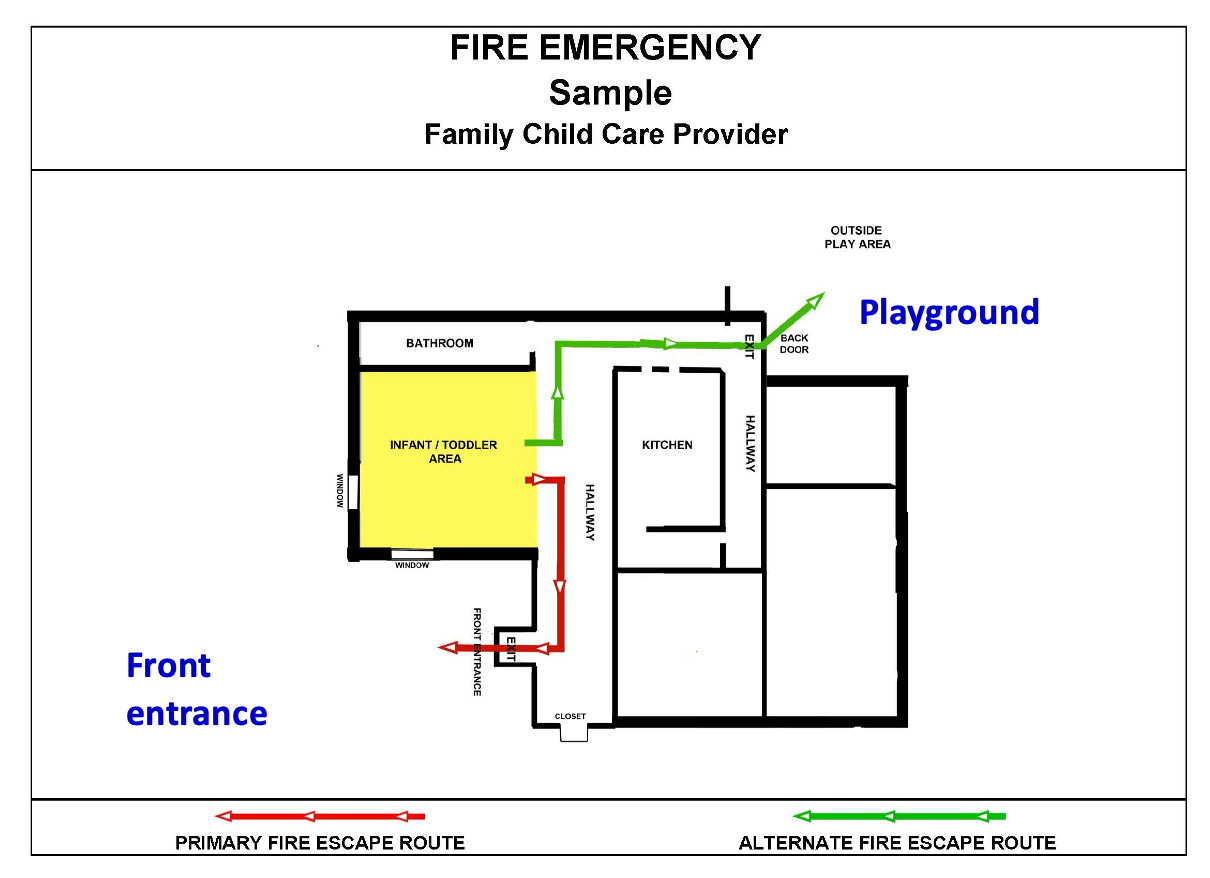
Clear signage guides participants during drills. Signs should mark exits, assembly points, and hazard areas. Well-placed signs reduce confusion and speed up response times. Visual cues help everyone understand the drill steps quickly. Signage must be easy to read and visible in all lighting conditions.
Regular Practice And Updates
Regular practice keeps skills sharp and responses quick. Drills should happen often enough to build muscle memory. Updating drills reflects changes in procedures or building layouts. Practice sessions reveal weaknesses or gaps in plans. Consistent training improves confidence and teamwork under stress.
Credit: www.continued.com
Frequently Asked Questions
What Is An Example Of An Emergency Drill?
An example of an emergency drill is a fire drill. Participants practice evacuating safely and quickly during simulated fire alerts.
When Should Emergency Preparedness Drills Be Conducted?
Emergency preparedness drills should be conducted regularly, at least annually, and after any plan updates or organizational changes.
What Are Three Main Actions For Emergency Preparedness?
The three main actions for emergency preparedness are: 1) Create a detailed emergency plan. 2) Build and maintain an emergency kit. 3) Practice regular drills to improve response skills.
How Many Types Of Emergency Drills Are There?
There are two main types of emergency drills: Active Drills, involving hands-on practice, and Tabletop Drills, focusing on discussion and planning. Both help improve response skills and preparedness for real emergencies.
Conclusion
Emergency preparedness drills serve two key purposes: practicing real actions and discussing plans. Active drills let people physically act out emergency steps. Tabletop drills focus on talking through scenarios to improve understanding. Both types build confidence and skills for real emergencies.
Regular drills help individuals and groups react faster and safer. Preparedness means fewer mistakes and better teamwork during crises. Keeping these drills frequent and clear supports community safety. Practicing now can save lives later.