
When disaster strikes, having a clear and reliable emergency preparedness plan can make all the difference for you and your loved ones. But where do you start?
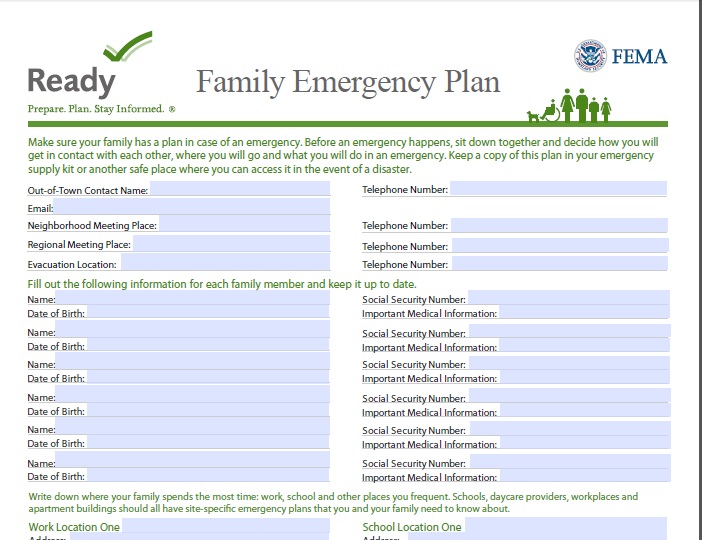
That’s where a FEMA Emergency Preparedness Plan Template comes in handy. This tool helps you organize your thoughts and actions before an emergency happens, so you’re not scrambling when time is critical. Whether you’re planning for your family or your organization, using a FEMA-based template ensures you cover the most important details—like evacuation routes, communication methods, and special needs considerations.
Keep reading to discover how you can create a customized emergency plan that keeps everyone safe and connected when it matters most.

Credit: reusabletournamentbrackets.com
Fema Plan Resources
Planning for everyone ensures no one is left behind during emergencies. Preparing a FEMA Emergency Preparedness Plan Template requires thinking about all family members. Each person has unique needs that must be addressed. This approach increases safety and reduces stress during a crisis.
Including Children And Pets
Children need clear, simple instructions they can understand. Keep favorite toys and comfort items ready to ease anxiety. Pets require food, water, and a safe place to stay. Plan for pet carriers, leashes, and vaccination records. Include emergency contacts for pet care if separated.
Supporting Access And Functional Needs
People with disabilities need tailored support in emergencies. Identify mobility aids, communication devices, and service animals in your plan. Arrange extra time and assistance during evacuation. Keep important documents and medication easy to reach. Ensure emergency shelters can accommodate specific needs.
Addressing Special Medical Requirements
Medical conditions demand careful planning and preparation. Maintain an updated list of medications and dosages. Include medical equipment such as oxygen tanks or insulin supplies. Share this information with emergency responders if possible. Plan for regular medication refills and power sources for devices.
Common Emergency Scenarios
Creating an effective emergency preparedness plan requires including key elements that address safety, communication, and specific actions. These essential plan components help families and organizations stay organized during a crisis. Clear steps improve response times and reduce confusion.
Each part of the plan plays a critical role. Identifying safe locations ensures everyone knows where to go. Communication methods keep people connected. Reunion procedures outline how to find each other. Situation-specific actions guide responses for different emergencies.
Safe Location Identification
Safe location identification means choosing secure spots for shelter or evacuation. Pick places inside and outside your home. Include a meeting point nearby and another far away. Locations must be easy to reach and safe from hazards.
Mark these spots clearly in your plan. Make sure all family members or team members know them well. This reduces panic and confusion during emergencies.
Communication Methods
Communication methods explain how to share information quickly and clearly. List phone numbers, email addresses, and emergency contacts. Include backup ways to communicate if phones fail, such as radios or text messages.
Agree on a primary contact person outside the area. This person can pass messages between separated family or team members. Regularly update contact details to keep the plan effective.
Reunion Procedures
Reunion procedures describe how to meet up after an emergency. Plan where and when to reunite. Choose safe, easy-to-find locations. Consider different scenarios, such as being separated at school or work.
Teach everyone the steps to follow if separated. This helps reduce worry and speeds up reunions. Keep these instructions clear and simple in your plan.
Situation-specific Actions
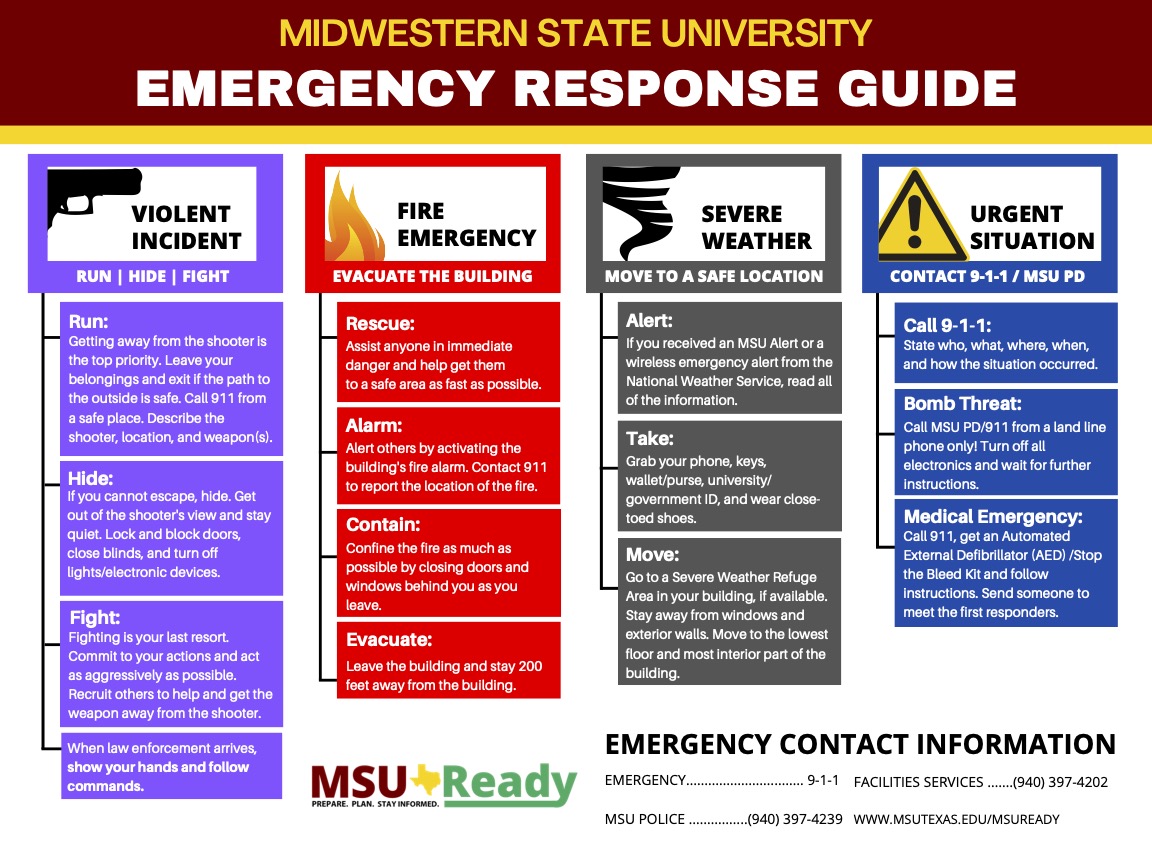
Situation-specific actions cover what to do for different types of emergencies. Include instructions for fires, floods, earthquakes, and severe weather. Tailor actions to risks common in your area.
Describe how to evacuate, shelter in place, or use emergency supplies. Update these steps as local conditions or risks change. Being prepared for specific situations saves lives and property.
Planning For Everyone
An Emergency Supplies Checklist is vital for any FEMA Emergency Preparedness Plan Template. It ensures you have necessary items ready for unexpected events. Preparing these supplies ahead saves time and reduces stress during emergencies.
Focus on key categories to cover all basic needs. Stockpile food and water, maintain hygiene, care for pets, and gather essential tools. Each group supports your safety and well-being in tough situations.
Food And Water Stockpile
Store non-perishable food items like canned goods and dry grains. Choose foods with long shelf life and easy preparation. Keep at least one gallon of water per person daily. Water is crucial for drinking, cooking, and hygiene. Rotate supplies to keep them fresh and safe.
Hygiene And Sanitation Items
Include soap, hand sanitizer, and disinfecting wipes. Stock toilet paper, feminine products, and diapers if needed. Cleanliness prevents illness and improves comfort. Pack a first-aid kit with bandages and antiseptics. These items help maintain health during disruptions.
Pet Supplies
Prepare food and water for your pets. Have extra leashes, collars, and carriers ready. Include any medications or special needs items. Pets rely on you, so plan their care carefully. Their safety is part of your emergency readiness.
Emergency Tools And Equipment
Gather flashlights, batteries, and a battery-powered radio. Add multi-tools, duct tape, and a whistle for signaling. Keep a manual can opener for canned food. These tools aid communication and survival. They help you stay informed and handle challenges effectively.
Essential Plan Components
Organizational preparedness is crucial for any group facing emergencies. It ensures the team knows roles and actions before a crisis strikes. A clear plan reduces confusion and helps protect people and assets. FEMA provides templates to help organizations build strong emergency plans. These templates guide the creation of tailored plans that fit unique needs.
Using these resources boosts confidence and readiness. Every organization, big or small, benefits from structured preparation. This section explores how to adapt FEMA templates, key elements to include, and how to keep essential functions running during emergencies.
Adapting Fema Templates
FEMA offers various templates to suit different types of organizations. Customizing these templates is essential. Each group faces unique risks and resources. Adjust the plan sections to reflect your specific hazards and capabilities. Use simple language and clear instructions. Keep the format easy to follow for all team members.
Include contact lists, evacuation routes, and communication plans. Update the template regularly to stay current. Training and drills will help test the adapted plan. This process ensures the plan works in real situations.
Key Elements Of Emergency Operations Plans
An effective emergency operations plan includes several core elements. First, risk assessment identifies potential threats. Next, define roles and responsibilities for staff. Communication strategies must detail how information flows during a crisis. Resource management covers equipment and supplies needed. Evacuation procedures explain safe exit routes and shelter locations.
Recovery plans help restore normal operations after an event. Including these elements creates a comprehensive guide. It supports quick decision-making and coordinated responses.
Maintaining Essential Functions
During emergencies, keeping critical operations running is vital. Identify which functions are essential to your organization’s mission. Develop backup plans to support these functions if usual methods fail. Assign staff to cover key tasks. Prepare alternative work locations and communication tools.
Regularly review and update these plans. Practice continuity exercises to ensure effectiveness. This preparation minimizes disruption and helps the organization survive difficult times.
Emergency Supplies Checklist
Maintaining and updating your FEMA Emergency Preparedness Plan Template is vital. A plan must stay current to be effective during emergencies. Changes in environment, personnel, or resources require plan revisions. Regular updates help identify gaps and improve response strategies.
Regular Review Schedule
Set a fixed schedule to review your emergency plan. Monthly or quarterly reviews work well. Check for outdated information and new risks. Update contact details and resource lists. Keep the plan aligned with local regulations and standards.
Training And Drills
Train your team on the emergency plan regularly. Practice drills simulate real situations and test readiness. Drills highlight weaknesses and areas needing improvement. Consistent training builds confidence and ensures swift action during crises. Document each drill and note lessons learned.
Incorporating Feedback
Collect feedback from all participants after drills and real events. Listen to suggestions and concerns. Adjust the plan based on practical experiences. Feedback helps create a plan that fits your team’s needs. Encourage open communication to strengthen your preparedness.
Credit: www.jbcharleston.jb.mil
Credit: msutexas.edu
Frequently Asked Questions
How Do I Write An Emergency Preparedness Plan?
Write an emergency preparedness plan by identifying likely emergencies, outlining evacuation routes, communication methods, and reunification steps. Include provisions for all family members, pets, and special needs. Use templates from FEMA or Ready. gov for guidance and customize to your specific situation.
What Are The 5 Components Of An Emergency Plan?
The five components of an emergency plan are risk assessment, communication, evacuation, resource management, and recovery procedures. Each ensures safety, coordination, and effective response during emergencies.
What To Stockpile For 72 Hours?
Stockpile water (one gallon per person per day), non-perishable food, flashlight, batteries, first aid kit, medications, hygiene items, and important documents for 72 hours. Include clothing, blankets, and pet supplies. Keep a battery-powered radio and phone charger for emergencies.
What Are The 5 P’s Of Preparedness?
The 5 P’s of preparedness are: People, Places, Plans, Procedures, and Practice. They ensure effective emergency readiness and response.
Conclusion
Creating a FEMA emergency preparedness plan helps protect your family and property. Use available templates to guide your planning process. Include details like emergency contacts, evacuation routes, and supply lists. Keep your plan simple and update it regularly. Being ready reduces stress during emergencies and saves lives.
Start planning today to stay safe tomorrow.

