
Imagine you’re surrounded by nature’s beauty, ready to enjoy a peaceful camping trip. But what if an unexpected emergency strikes?
Are you prepared to keep yourself and your loved ones safe? Campground emergency preparedness isn’t just about packing a tent and snacks—it’s about having a clear plan and the right tools to handle any situation. In this guide, you’ll discover simple yet powerful steps to protect yourself from surprises like sudden storms, injuries, or getting lost.
By taking these precautions, you’ll not only enjoy your time outdoors but also gain confidence knowing you can face emergencies calmly and effectively. Keep reading to learn how to make your camping experience safer and stress-free.

Credit: crrhospitality.com
Emergency Essentials
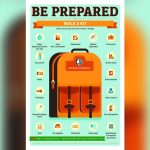
Being prepared for emergencies is crucial when camping. Emergencies can happen anytime. Having the right essentials helps you stay safe and calm. Prepare your gear carefully. Each item has a purpose in keeping you ready.
First Aid Kit
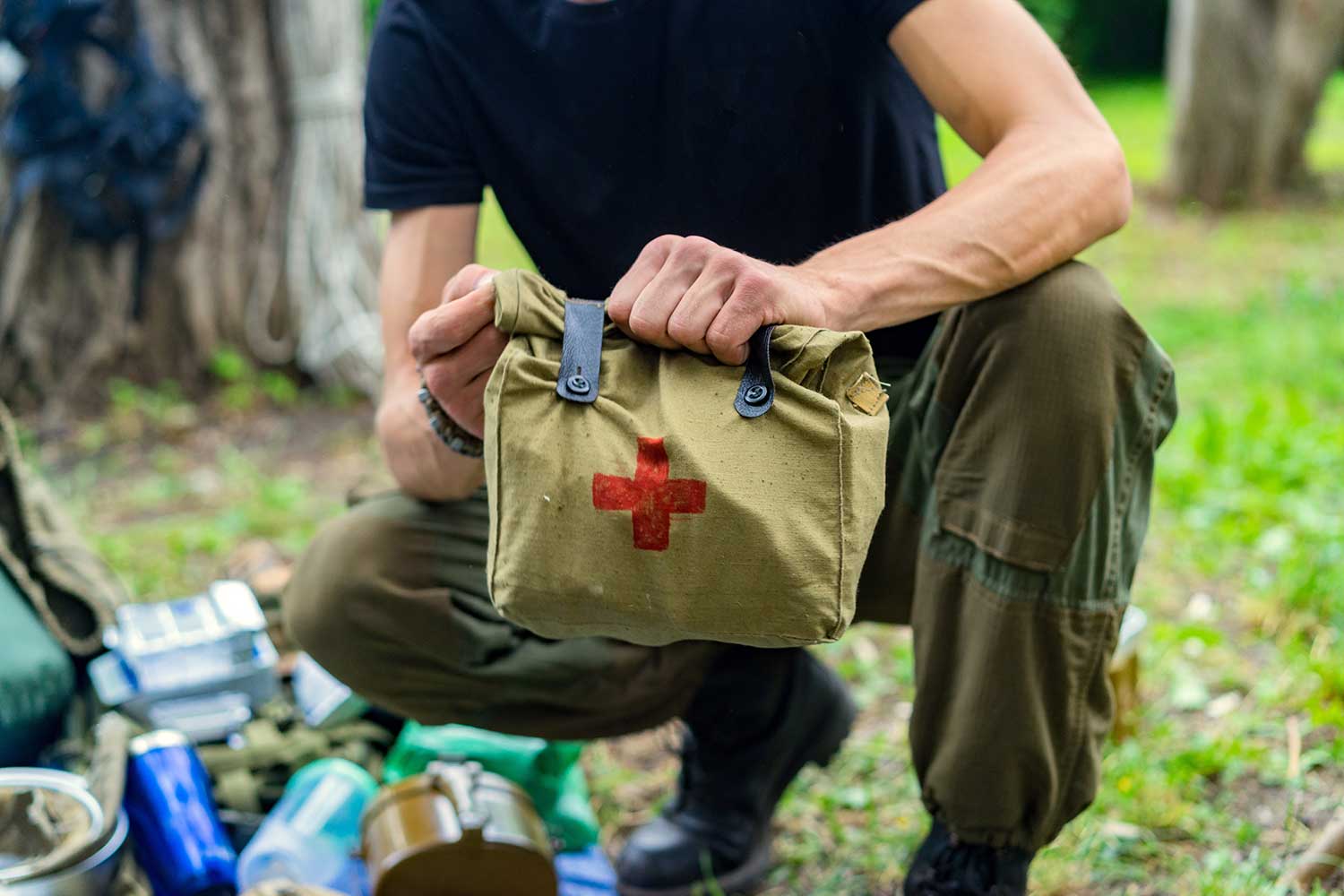
A first aid kit is a must-have for all campers. It helps treat cuts, scrapes, and minor injuries fast. Include bandages, antiseptic wipes, pain relievers, and tweezers. Check the kit before every trip. Replace used or expired items quickly.
Emergency Preparedness Kit
This kit holds items needed in serious situations. Pack a flashlight with extra batteries, a whistle, and a waterproof matches or lighter. Add a space blanket to keep warm. A portable phone charger also helps if you lose power.
Extra Food And Water
Always carry more food and water than planned. Store non-perishable snacks like nuts, granola bars, and dried fruit. Bring bottled water or purification tablets. Extra supplies ensure you stay nourished during delays or unexpected events.
Multi-tool And Compass
A multi-tool provides many tools in one compact device. It usually includes a knife, pliers, and screwdrivers. These tools help fix gear or prepare food. A compass guides you if GPS fails. Learn to use it before your trip.

Credit: crrhospitality.com
Planning Ahead
Effective communication is vital during emergencies at campgrounds. It ensures everyone stays informed and safe. Choosing the right methods helps you respond quickly and correctly. Prepare multiple ways to communicate since signals can fail or devices can break.
Portable Weather Radio
A portable weather radio provides timely updates on weather conditions. It works without cell towers, using radio waves. You can hear alerts about storms, floods, or other dangers. Many models run on batteries, solar power, or hand cranks. Carry one to stay ahead of sudden weather changes. This device is small and easy to pack.
Cell Phone And Backup
Cell phones offer direct contact with emergency services and family. Always charge your phone fully before camping. Bring a portable charger or power bank as backup. Signal strength may vary, so move to higher ground if needed. Keep important numbers saved offline for quick access. Use text messages if calls do not go through.
Signaling Devices
Signaling devices help attract attention in remote areas. A whistle can be heard from a long distance. Bright flashlights or headlamps can signal during night hours. Reflective mirrors send light signals to rescuers or passing vehicles. Carry these tools to alert others if you are lost or hurt. They require no power source and are easy to use.
Communication Methods
Staying safe at a campground starts with proper shelter and safety planning. Shelter protects you from harsh weather and keeps you secure. Safety measures reduce risks from fire and other hazards. Preparing for emergencies means knowing your options and having the right gear ready.
Emergency Shelter Options
Choose emergency shelters that are quick to set up and sturdy. Tents with strong poles and waterproof fabric work best. Tarps can create a simple, reliable shelter from rain and wind. Carry a lightweight emergency bivvy or space blanket for extra protection. Always pick a safe spot away from flood areas and falling branches.
Waterproof And Windproof Gear
Waterproof gear keeps you dry during rain and storms. Use rain jackets, pants, and boots made from waterproof materials. Windproof gear shields you from cold gusts and helps maintain body heat. Pack an emergency blanket or poncho to add a layer of defense. Keeping dry and warm prevents hypothermia and illness.
Fire Safety Measures
Campfires need careful attention to prevent accidents. Use established fire rings or pits for your fire. Keep water or a fire extinguisher nearby at all times. Never leave a fire unattended, even for a short time. Fully extinguish fires before sleeping or leaving the site. Follow all campground fire rules and bans to stay safe.
Credit: thedyrt.com
Shelter And Safety
Training and practice form the backbone of effective campground emergency preparedness. They help ensure everyone knows how to respond calmly and correctly during a crisis. Consistent drills and proper training build confidence and reduce panic. This section highlights key areas to focus on for a safer camping experience.
Emergency Drills
Regular emergency drills prepare campers and staff for various situations. These drills simulate real emergencies like fires, severe weather, or medical incidents. Practice helps people learn evacuation routes and safe meeting points. Drills also test communication systems to ensure clear alerts. Repeating drills improves reaction times and teamwork during actual events.
Basic First Aid Training
First aid training equips individuals with skills to handle injuries on site. Learning how to treat cuts, burns, sprains, or insect bites can save lives. Campers and staff should know how to use first aid kits properly. Basic training covers CPR, wound care, and recognizing serious symptoms. This knowledge reduces the risk of complications before professional help arrives.
Campground Staff Preparedness
Staff play a crucial role in campground safety and emergency response. They must receive thorough training on emergency plans and protocols. Staff should know how to operate safety equipment and guide campers during evacuations. Regular refresher courses keep staff updated on best practices. Prepared staff create a secure environment and boost camper confidence.
Frequently Asked Questions
What Essential Items Should I Pack For Campground Emergencies?
Always pack a first aid kit, extra food, water, a compass, and a map. Include a portable weather radio and multi-tool for added safety.
How Can I Create An Effective Campground Emergency Plan?
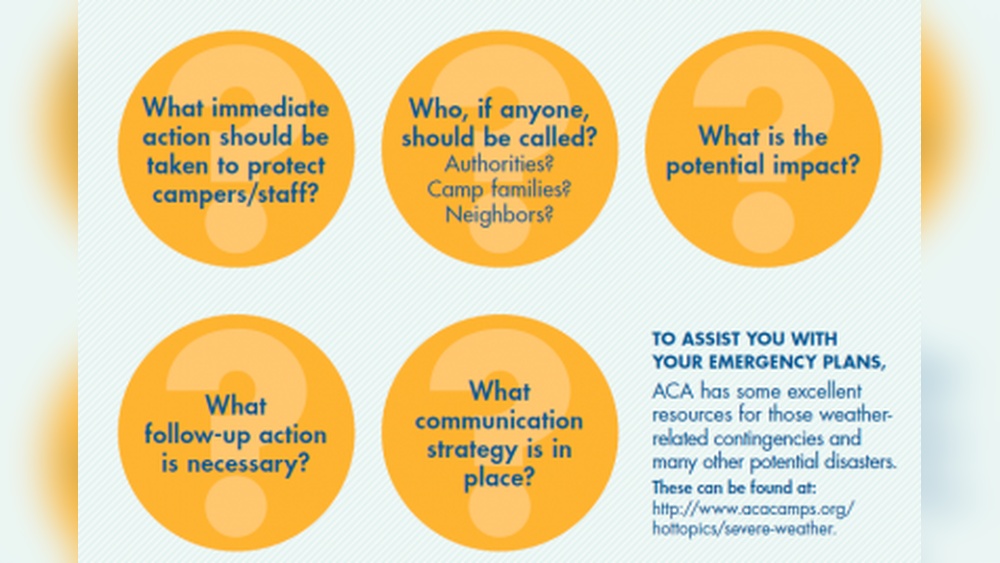
Identify local natural disasters, establish evacuation routes, and communicate the plan clearly to all campers. Regularly practice and update the plan.
What Are The Best Evacuation Procedures In A Campground?
Know all exits, designate a safe meeting area, and ensure everyone understands the route. Follow official instructions during emergencies for a quick evacuation.
How Do I Stay Informed About Campground Weather Emergencies?
Carry a portable weather radio or use a weather app for real-time updates. Monitor conditions frequently and be prepared to act quickly.
Conclusion
Being ready for emergencies keeps everyone safe at campgrounds. Pack essential items like food, water, and a first aid kit. Know the emergency plan and evacuation routes before camping. Keep communication tools handy to stay informed during any situation. Practice safety habits and stay alert to weather changes.
Preparedness helps prevent panic and ensures quick action. Stay calm, follow the plan, and help others if needed. Camping is more enjoyable when safety comes first.