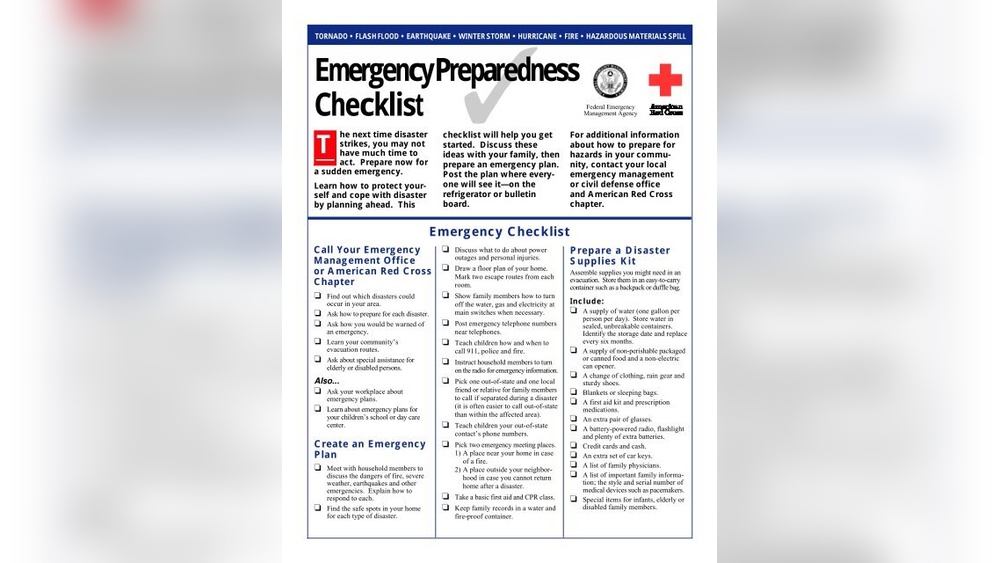

Are you truly ready for an emergency? When disaster strikes, every second counts—and having the right supplies and plan can make all the difference for you and your loved ones.
The Emergency Preparedness Checklist from FEMA is designed to guide you step-by-step in gathering essential items and creating a plan that keeps you safe no matter what happens. You’ll discover exactly what you need to prepare your home and family, so you can face emergencies with confidence and peace of mind.
Keep reading to make sure you don’t miss a critical item that could help protect your life and wellbeing.
Fema Emergency Kit Essentials
The FEMA Emergency Kit Essentials form the backbone of any effective disaster preparedness plan. These items help you survive for several days after an emergency strikes. Having a well-stocked kit ensures safety and comfort during uncertain times.
FEMA recommends gathering supplies that cover basic needs, hydration, nourishment, tools, and hygiene. This careful preparation reduces stress and supports health while waiting for help or conditions to improve. Below are key categories to focus on.
Basic Supplies To Include
- Flashlight with extra batteries
- Battery-powered or hand-crank radio
- First aid kit
- Whistle to signal for help
- Copies of important documents
- Cash in small bills
- Emergency blanket
- Local maps
These items provide light, communication, safety, and essential information. They form the foundation of your emergency kit.
Water And Food Storage
- At least one gallon of water per person per day for three days
- Non-perishable food such as canned goods, granola bars, and dried fruit
- Manual can opener
- Disposable plates, cups, and utensils
Water and food are vital for survival. Store enough supplies to last for several days without access to stores or clean water sources.
Tools And Equipment
- Multi-purpose tool or knife
- Matches or lighter in a waterproof container
- Plastic sheeting and duct tape for shelter
- Work gloves
- Extra clothing and sturdy shoes
Tools help with repairs, shelter building, and safety. Keep equipment ready to use in various situations.
Personal Hygiene Items
- Moist towelettes and hand sanitizer
- Toothbrush and toothpaste
- Soap and feminine hygiene products
- Garbage bags for waste
Maintaining hygiene prevents illness and improves comfort. Pack enough items for each family member.
Creating A Family Emergency Plan
Creating a family emergency plan is a crucial step to stay safe during disasters. It helps every member know what to do, where to go, and how to stay connected. Planning ahead reduces panic and confusion. It also increases the chances of keeping your family safe.
Communication Strategies
Decide how your family will communicate during emergencies. Choose a primary contact outside your area. Text messages often work better than calls. Make a list of important phone numbers. Share this list with everyone. Practice sending messages and making calls. Agree on simple words or signals to show safety.
Meeting Places And Evacuation Routes
Pick safe places to meet after a disaster. Choose one near your home and another outside your neighborhood. Know the fastest routes to these places. Plan several evacuation routes in case one is blocked. Make sure all family members understand these routes. Review and practice the meeting spots and routes regularly.
Roles And Responsibilities
Assign tasks to each family member. One person can gather emergency supplies. Another can help pets or younger children. Make sure everyone knows their role. Practice these roles during drills. Adjust roles as needed based on age and ability. Clear roles help the family work as a team.
Pet And Special Needs Planning
Include pets in your emergency plan. Prepare food, water, and carriers for them. Know pet-friendly shelters or hotels. Plan for family members with special needs. Include medications and medical devices in your kit. Make sure helpers are assigned to assist them. This ensures no one is left behind.
Financial Preparedness Tips
Financial preparedness is a vital part of any emergency plan. It helps you stay secure during unexpected events. Having clear steps to protect your money and documents reduces stress. This section guides you through simple, effective financial tips from FEMA’s Emergency Preparedness Checklist.
Protecting Important Documents
Keep all important documents in a safe place. Use waterproof and fireproof containers for extra protection. Include items like IDs, insurance policies, bank statements, and property deeds. Make sure family members know where to find these documents. Regularly update copies to reflect any changes. Physical copies are important but do not rely on them alone.
Emergency Funds And Insurance
Set aside money for emergencies in an easily accessible account. Aim for enough funds to cover basic needs for at least three months. Review your insurance policies regularly to confirm coverage. Include health, home, and car insurance in your review. Understand what your policies cover and any gaps that exist. Quick access to funds and proper insurance helps speed up recovery.
Digital Backup Strategies
Create digital copies of all important financial documents. Store them on secure cloud services that you can access anywhere. Use strong passwords and two-factor authentication for added security. Keep backup devices like USB drives in a separate secure location. Check your digital backups regularly to ensure files are current. Digital backups provide an extra layer of safety during emergencies.

Credit: www.wfae.org
Home Safety Measures
Home safety is a key part of emergency preparedness. Taking simple steps can protect your family and property during a disaster. These measures reduce risks and make your home safer. Follow these easy tips to prepare your home effectively.
Smoke Detectors And Fire Extinguishers
Install smoke detectors on every level of your home. Test them monthly to ensure they work properly. Replace batteries at least once a year. Keep a fire extinguisher in the kitchen and near exit doors. Learn how to use it correctly. These tools help detect fires early and control small flames.
Securing Heavy Items
Fasten heavy furniture and appliances to walls. Use brackets or straps designed for safety. Secure items that could fall during an earthquake or storm. This prevents injuries and damage in your home. Keep heavy objects on lower shelves. Clear walkways to avoid tripping hazards.
Shutting Off Utilities
Know how to turn off your gas, water, and electricity. Locate shut-off valves and switches before an emergency. Practice turning them off safely with family members. Shutting off utilities can stop leaks, fires, and electrical hazards. Keep tools nearby for quick access during a crisis.
Car Emergency Readiness
Being prepared for emergencies on the road is crucial for safety and peace of mind. Car emergency readiness ensures you can handle unexpected situations like breakdowns or severe weather. A well-equipped vehicle can make a big difference during a crisis.
Essential Supplies For Vehicles
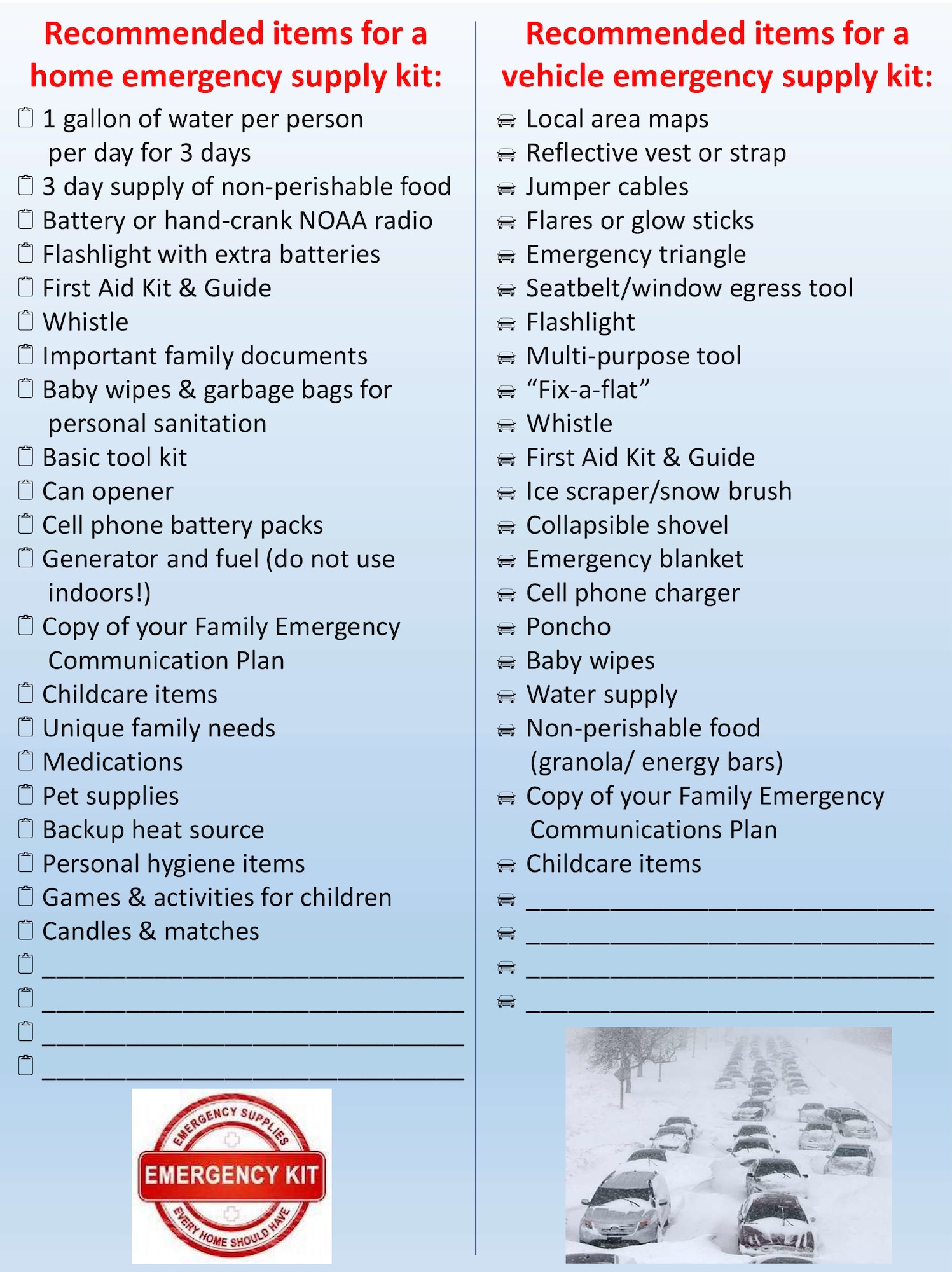
Keep a basic emergency kit in your car at all times. Include items like a flashlight with extra batteries, first aid supplies, bottled water, and non-perishable snacks. Add jumper cables, a tire repair kit, and reflective warning triangles. A blanket and warm clothing help during cold weather. These supplies support you until help arrives.
Maintenance Checks
Regular vehicle maintenance prevents many emergencies. Check tire pressure and tread depth often. Inspect fluid levels, including oil, coolant, and brake fluid. Ensure windshield wipers and lights work well. Keep your gas tank at least half full. Routine checks reduce risks and keep your car ready for any journey.
Emergency Communication Devices
Communication devices are vital in emergencies. Carry a fully charged mobile phone and a car charger. A portable power bank offers extra battery life. Consider a two-way radio for areas without cell service. These devices help you call for help and stay informed during an emergency.
Credit: www.dover.af.mil
Staying Informed During Disasters
Staying informed during disasters is vital for safety and quick decision-making. Reliable information helps you understand the situation and act wisely. It reduces panic and guides you to the nearest help or shelter.
Emergency updates come from various sources. Knowing which ones to trust can save lives. Keep communication lines open and devices ready to receive alerts.
Emergency Alert Systems
Emergency Alert Systems (EAS) send official warnings during disasters. These alerts appear on your phone, TV, and radio. They inform you about severe weather, evacuation orders, and other urgent news.
Make sure your devices are set to receive these alerts. Do not ignore any alert messages. They provide instructions that can protect you and your family.
Reliable News Sources
Turn to trusted news sources for up-to-date disaster information. Local government websites and official social media pages are good options. They provide facts without rumors or panic.
Avoid unverified social media posts. False information can cause confusion. Stick to sources recommended by emergency agencies like FEMA or the Red Cross.
Using Emergency Radios
Emergency radios work without the internet or power. They receive weather and disaster updates even during outages. Battery-powered or hand-crank radios are best for emergencies.
Keep a radio in your emergency kit. Test it regularly to ensure it works. Listening to these radios can keep you informed when other devices fail.
First Aid And Medical Preparedness
Being ready for medical emergencies is vital in any disaster situation. First aid and medical preparedness reduce risks and save lives. Knowing what to include and how to manage your supplies keeps you safe and calm. This section guides you through the essentials of first aid readiness.
Building A First Aid Kit
A well-stocked first aid kit is the foundation of medical preparedness. Include items like bandages, antiseptic wipes, adhesive tape, and sterile gauze. Add scissors, tweezers, and disposable gloves. Keep pain relievers and allergy medicine handy. Store the kit in a waterproof container. Check and replace expired items regularly.
Medication Management
Keep an updated list of all medications for each family member. Store extra doses of prescription medicines safely. Note the dosage and expiration dates. Include common over-the-counter medicines like pain relievers and cold remedies. Have a plan for refilling prescriptions during emergencies. Keep medications in a cool, dry place.
Basic First Aid Skills
Learning simple first aid skills can save lives. Know how to treat cuts, burns, and sprains. Practice CPR and how to stop bleeding. Understand how to use an epinephrine injector if needed. Attend local first aid classes or use online tutorials. Regular practice builds confidence and readiness.
Special Considerations For Different Disasters
Different disasters require unique preparation steps. Awareness of these differences helps create a stronger emergency plan. Each disaster type demands specific supplies, actions, and safety measures. Understanding these special considerations improves your chances of staying safe and secure.
Preparing For Natural Disasters
Natural disasters like hurricanes, floods, and earthquakes need tailored supplies. Store extra water, non-perishable food, and warm clothing. Secure heavy furniture and prepare an evacuation route. Include a flashlight, batteries, and a first aid kit in your emergency supplies. Monitor weather alerts and follow local safety instructions carefully. Protect important documents in waterproof containers to avoid loss.
Handling Technological Emergencies
Technological emergencies such as power outages or chemical spills require quick action. Keep a battery-powered radio to receive updates. Have backup power sources like portable chargers ready. Avoid contaminated areas and follow evacuation orders if needed. Store emergency masks and gloves for chemical exposure. Keep communication devices charged to stay connected with family and emergency services.
Planning For Terrorism Threats
Terrorism threats demand heightened vigilance and specific precautions. Know safe places in your home and community for sheltering. Prepare a “go bag” with essentials like water, food, and medications. Stay informed through official channels and report suspicious activities. Practice evacuation drills and maintain calm during emergencies. Keep emergency contacts and identification documents accessible at all times.

Credit: www.amazon.com
Frequently Asked Questions
What Is The Fema Emergency Preparedness Checklist?
The FEMA Emergency Preparedness Checklist is a guide that helps individuals prepare for disasters. It lists essential supplies, plans, and safety measures to ensure survival and reduce risks during emergencies.
How Do I Build An Emergency Kit With Fema Guidelines?
FEMA recommends including water, non-perishable food, flashlight, batteries, first aid kit, medications, and important documents. These items support survival for several days after a disaster.
Why Is Having A Family Emergency Plan Important?
A family emergency plan ensures everyone knows what to do during a disaster. It includes communication methods, meeting places, and evacuation routes for safety and quick reunification.
How Often Should I Update My Emergency Supplies?
Update emergency supplies at least every six months. Check expiration dates on food, water, and medications to keep your kit effective and ready for use.
Conclusion
Preparing for emergencies saves lives and reduces stress during crises. Follow FEMA’s checklist to gather essential supplies and create a plan. Keep your emergency kit updated and easy to access at all times. Share your plan with family members and practice it regularly.
Staying informed about local risks helps you respond quickly and safely. Taking these simple steps ensures you are ready for unexpected situations. Stay safe, stay prepared, and protect what matters most.

