
When disaster strikes, being prepared isn’t just smart—it can save your life. You might think emergencies won’t happen to you, but storms, power outages, and other crises can affect anyone, anywhere, including right here in Austin, Texas.
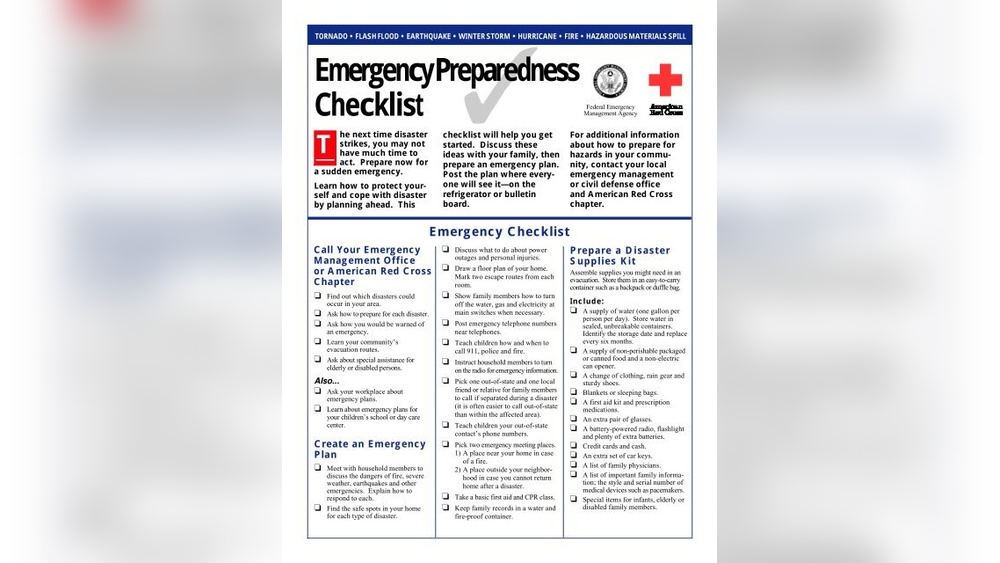
That’s why having a FEMA Emergency Preparedness List is so important. It gives you a clear, easy-to-follow guide to gather the essentials you and your family need to stay safe and secure. Imagine knowing exactly what to pack in your emergency kit—water, food, first-aid supplies, and more—so you’re ready for anything.
Keep reading, and you’ll discover how simple steps today can protect you tomorrow. Your safety starts with the right preparation.
Essential Water And Food
Having the right water and food supplies is vital for emergency readiness. FEMA’s list emphasizes these essentials for survival. Proper planning ensures you stay nourished and hydrated during crises. Stocking the correct items prevents unnecessary stress and health risks.
Water Requirements
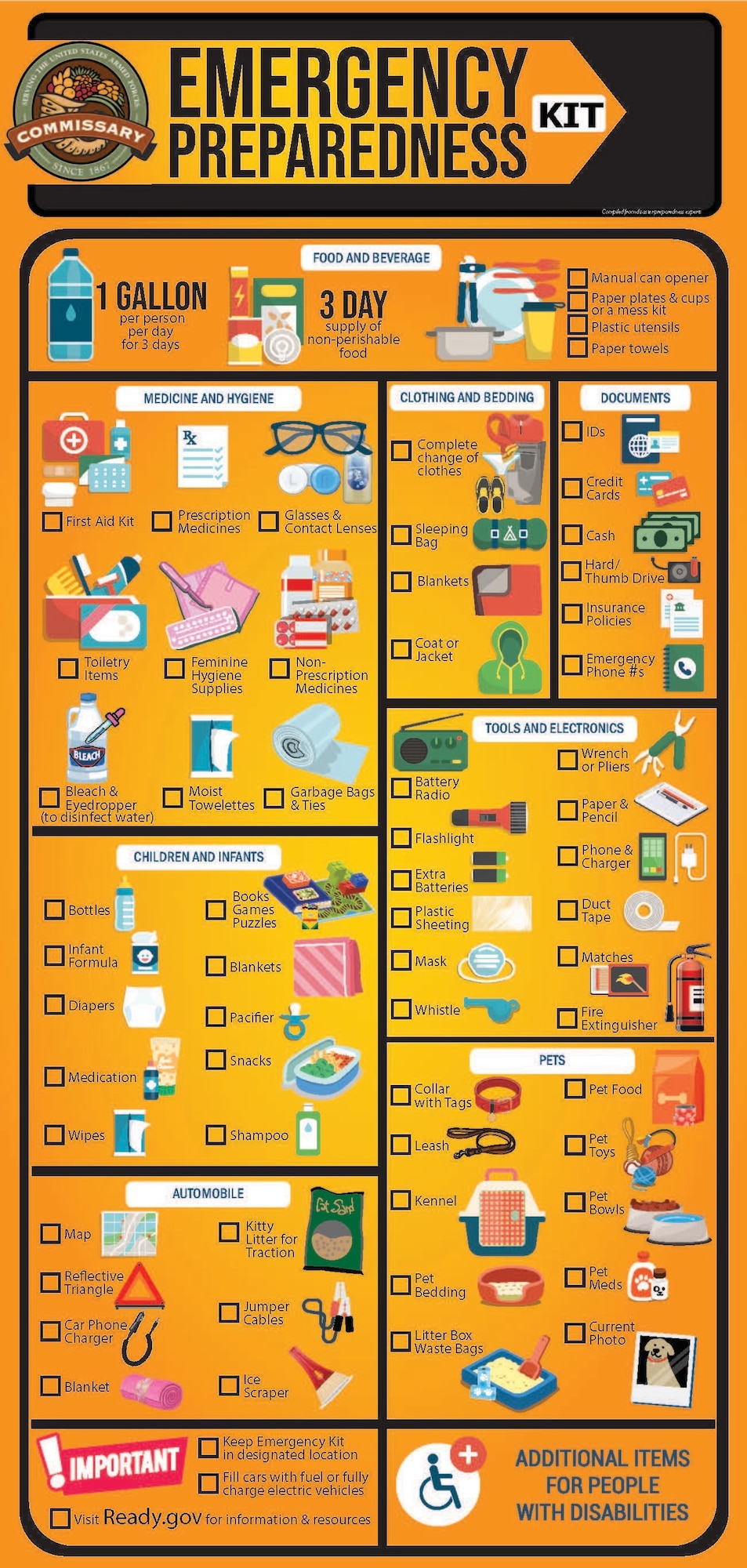
Store at least one gallon of water per person daily. This amount covers drinking and basic hygiene needs. Plan for a minimum of three days of supply. Use clean, sealed containers for safe storage. Replace stored water every six months to keep it fresh.
Non-perishable Food Choices
Select foods that last long without refrigeration. Canned vegetables, fruits, and meats work well. Dry goods like rice, beans, and pasta are excellent options. Choose items that need little or no cooking. High-energy snacks such as nuts and granola bars help maintain strength.
Manual Can Opener Importance
A manual can opener is essential for opening canned food. Battery-powered openers may fail during power outages. Keep a sturdy, easy-to-use can opener in your emergency kit. Practice using it before an emergency occurs to avoid frustration.
Additional Food Items
Include comfort foods to boost morale during tough times. Powdered milk and juice boxes add variety. Instant coffee or tea can provide warmth and relaxation. Don’t forget baby formula and pet food if needed. Rotate supplies regularly to prevent spoilage.
Tools And Communication Devices
Tools and communication devices are crucial in any emergency kit. They help you see, hear, and call for help when power and phone lines fail. Having reliable tools ensures safety and keeps you informed during disasters.
Flashlight And Batteries
A flashlight provides essential light in dark situations. Choose a bright, durable model that fits easily in your hand. Keep extra batteries on hand to avoid being left in the dark. Check batteries regularly to ensure they work when needed.
Battery-powered Or Hand-crank Radio
A battery-powered or hand-crank radio receives emergency alerts and weather updates. It works without electricity, perfect for power outages. A NOAA Weather Radio with an alert feature is best for local warnings. Stay connected to vital information with this simple device.
Whistle For Signaling
A whistle lets you signal for help if trapped or lost. It uses less energy than shouting and can be heard over long distances. Choose a loud, durable whistle and keep it within easy reach in your emergency kit. It can save lives by attracting attention quickly.
Health And Sanitation Supplies
Health and sanitation supplies are vital for any emergency kit. They help prevent illness and manage injuries during disasters. Keeping these items ready ensures safety and comfort for you and your family. Proper health care and cleanliness reduce risks of infection and disease.
First-aid Kit Essentials
A first-aid kit must include bandages, gauze pads, and adhesive tape. Antiseptic wipes and antibiotic ointment help clean wounds. Include scissors, tweezers, and safety pins for various uses. Pain relievers like ibuprofen or acetaminophen ease discomfort. Don’t forget gloves to protect against germs. A first-aid manual can guide basic treatments in emergencies.
Medications To Include
Store a supply of prescription medications for each family member. Keep extra doses of common medicines such as allergy pills and antacids. Include over-the-counter pain relievers and fever reducers. Bring medicines for upset stomachs and dehydration. Label all medications clearly and check expiration dates regularly. Having the right medicines avoids health problems during a disaster.
Sanitation And Hygiene Items
Sanitation items help maintain cleanliness and prevent sickness. Pack moist towelettes for hand cleaning without water. Garbage bags and plastic ties keep waste contained and reduce germs. Include soap or hand sanitizer for personal hygiene. Toothbrushes and toothpaste keep mouths healthy. Feminine hygiene products are necessary for comfort. Cleanliness supports health and well-being in emergencies.
Credit: www.dover.af.mil
Shelter And Warmth
Staying safe during an emergency means having shelter and warmth ready. These essentials protect you from cold, rain, and wind. Without proper shelter and warmth, health risks rise quickly. A good emergency kit always includes items to keep you warm and comfortable.
Blankets
Warm blankets are crucial during emergencies. They hold body heat and protect against cold air. Choose blankets made from materials like wool or fleece. These dry quickly and keep you warm even if damp. Pack one blanket per person in your emergency supplies. Blankets are lightweight and easy to carry. They also help create a cozy shelter if needed.
Sleeping Bags
Sleeping bags offer more warmth than blankets. They trap heat around your body and block cold air. Look for sleeping bags rated for low temperatures. They are designed to keep you warm all night. Sleeping bags are great for outdoor or shelter use. They fold compactly and fit well in an emergency kit. Having a sleeping bag improves your chances of staying warm and safe.
Important Documents And Records
Keeping important documents and records safe and accessible is a key part of emergency preparedness. These papers help prove your identity, claim insurance, and stay connected with loved ones. Prepare copies and store them where you can reach them quickly during a crisis.
Insurance And Identification Copies
Make copies of health, home, and auto insurance policies. Include the front and back of each card. Scan and save digital versions on a secure device or cloud. Add copies of your driver’s license, passport, and social security card. These documents prove who you are and protect your assets.
Emergency Contact Information
Write down phone numbers and addresses for family, friends, and neighbors. Include local emergency services and your doctor’s contact details. Keep a printed list with your documents and save it on your phone. Quick access to contacts helps you get help and support fast.

Credit: www.wfae.org
Additional Emergency Kit Items
Emergency kits need more than the basic supplies. Extra items help meet personal and family needs. These additional items make life easier during tough times. Preparing these items ahead ensures comfort and safety.
Pet Supplies
Pets need care during emergencies. Include food and water for at least three days. Pack bowls, leashes, and carriers for easy transport. Also add any medicine your pet requires. Don’t forget waste bags and familiar toys. These items keep pets safe and calm.
Cleaning And Hygiene Products
Cleanliness prevents illness in emergencies. Pack moist towelettes, hand sanitizer, and soap. Include extra toothbrushes and toothpaste. Add feminine hygiene products and diapers if needed. Garbage bags help manage waste and keep areas clean. These items support health and comfort.
Specialty Items For Unique Needs
Some people have special needs. Include extra hearing aid batteries or glasses. Pack supplies for babies like formula and bottles. Consider mobility aids or medical equipment. Keep important medical documents and prescriptions handy. Tailoring kits to unique needs ensures everyone stays safe.
Kit Preparation Tips
Preparing an emergency kit takes careful thought and planning. A well-prepared kit can provide safety and comfort during a disaster. Focus on smart packing and organization. This helps you access items quickly when needed. Follow these kit preparation tips for better readiness.
Storage Recommendations
Store your emergency kit in a cool, dry place. Choose an easy-to-reach location in your home. Use waterproof containers to protect items from moisture. Label the kit clearly for quick identification. Keep the kit off the floor to avoid water damage.
Regular Maintenance And Updates
Check your kit every six months to replace expired items. Update food and water supplies regularly. Test batteries and replace them if needed. Adjust the kit according to seasonal changes. Keep medications current and check first-aid supplies often.
Customizing Kits For Family Members
Consider the needs of each family member when packing. Include prescription medicines and special dietary foods. Add comfort items for children or elderly members. Prepare separate kits for pets with food and supplies. Tailor the kit to cover allergies or medical conditions.
Fema Resources And Guidelines
FEMA provides essential resources and guidelines for emergency preparedness. These tools help individuals and families create effective disaster plans. Knowing where to find official information supports better readiness. FEMA’s guidance covers what items to include in emergency kits. It also points to reliable sources for local alerts and updates. Following these resources reduces risks during storms or other crises.
Official Fema Lists
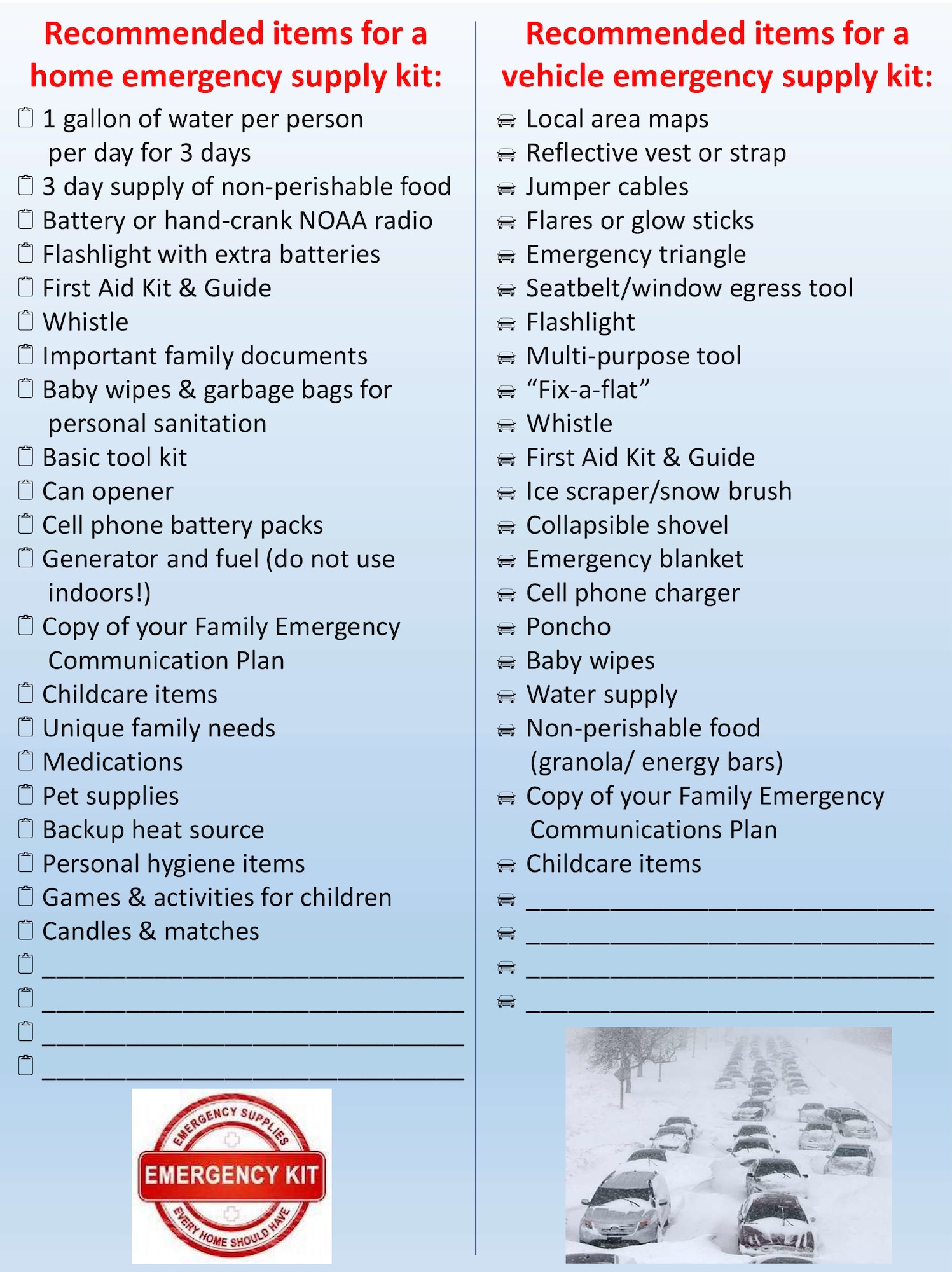
FEMA offers detailed lists of emergency supplies to keep at home. These lists include water, food, and first-aid materials. They also recommend tools like flashlights and battery-powered radios. The lists are clear and easy to follow. They ensure you have the most important items for survival. Checking FEMA’s official lists is a good first step in planning.
Using Ready.gov For Planning
Ready.gov is a FEMA-supported website with planning guides. It helps you build emergency kits and make family communication plans. The site offers printable checklists and step-by-step instructions. Ready.gov covers various types of disasters, from floods to wildfires. It is user-friendly and updated regularly. Using this site improves your preparedness and confidence.
Accessing Local Emergency Information
Local emergency details come from government and weather agencies. FEMA encourages people to sign up for alerts in their area. These alerts provide warnings about severe weather or other dangers. Local offices may also offer community-specific advice. Staying informed helps you react quickly and safely. Use official apps, websites, or text alerts to get updates fast.
Credit: www.dover.af.mil
Frequently Asked Questions
What Are The 10 Essential Survival Kit Items?
The 10 essential survival kit items are water, non-perishable food, first-aid kit, flashlight with batteries, radio, manual can opener, hygiene supplies, whistle, important documents, and warm blankets.
What To Stockpile For 72 Hours?
Stockpile one gallon of water per person daily, non-perishable food, a first-aid kit, flashlight with batteries, radio, sanitation supplies, whistle, important documents, warm blankets, and necessary medications for 72 hours.
What Should I Stock Up On Before War?
Stock water (one gallon per person daily), non-perishable food, first-aid kit, flashlight with batteries, battery-powered radio, sanitation supplies, medications, important documents, and warm blankets.
What Does Fema Recommend You Purchase?
FEMA recommends purchasing water (one gallon per person daily), non-perishable food, a first-aid kit, flashlight with batteries, battery-powered radio, manual can opener, sanitation supplies, whistle, important documents, and warm blankets or sleeping bags.
Conclusion
Preparing a FEMA emergency kit helps protect you and your family. Keep water and non-perishable food for at least three days. Include a flashlight, extra batteries, and a radio for communication. Don’t forget a first-aid kit and necessary medications. Sanitation items and important documents are essential too.
A warm blanket or sleeping bag adds comfort during emergencies. Regularly check and update your supplies. Being ready means staying safer during disasters. Start building your kit today and stay prepared for whatever comes your way.