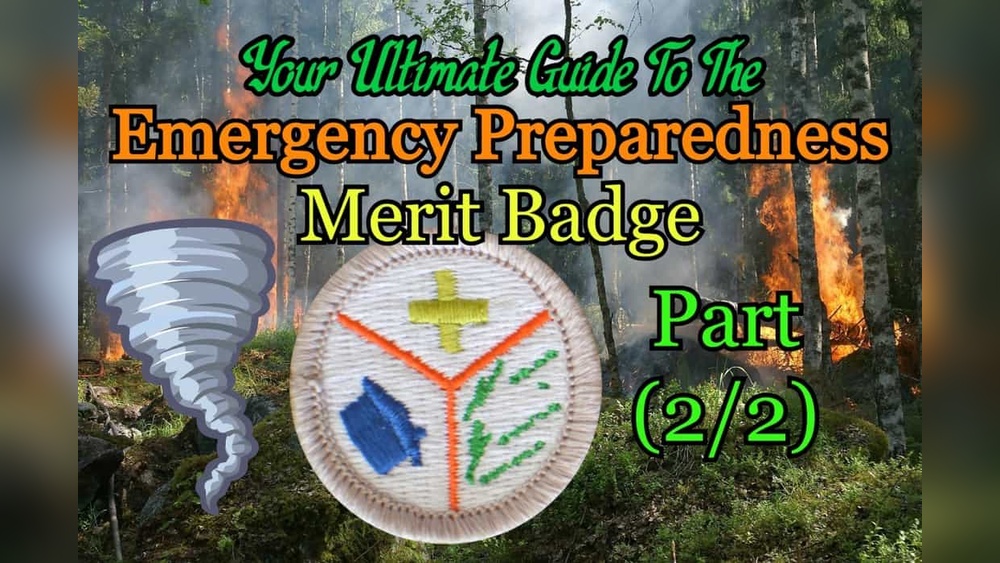

Are you ready to take on the Emergency Preparedness Merit Badge but feeling overwhelmed by all the requirements? You’re not alone.
Knowing exactly what answers you need can save you time and stress. This guide breaks down every key point you must understand to earn your badge confidently. Whether you want to be prepared for any disaster or simply want to impress your scout leader, these clear and simple answers will help you get there faster.
Keep reading, and you’ll be equipped with everything you need to succeed.
Merit Badge Basics
The Emergency Preparedness Merit Badge teaches Scouts how to stay safe in crises. It covers skills that help protect themselves, family, and community. Scouts learn to plan for different emergencies and act wisely under pressure.
This badge builds confidence and readiness for unexpected situations. It encourages Scouts to think ahead and be responsible. Understanding the basics is the first step to earning this important badge.
Badge Purpose
The purpose of the Emergency Preparedness Merit Badge is to teach Scouts how to prepare for emergencies. It focuses on building knowledge and skills for disaster readiness. Scouts learn how to create emergency plans and gather important supplies.
The badge helps Scouts become active helpers in their homes and neighborhoods. It encourages safety awareness and quick thinking during crises.
Key Requirements
Scouts must complete several tasks to earn this badge. They need to understand different types of emergencies. Scouts learn to make a family disaster plan and assemble an emergency supply kit.
They also develop accident prevention plans for common family activities. Scouts practice communication and response skills. Finally, Scouts must participate in a community emergency service or drill.
Eligibility Criteria
Any Scout registered in the Boy Scouts of America can earn this badge. Scouts should be ready to commit time to learn and practice emergency skills. Adult leaders or counselors guide the process and verify completed tasks.
Scouts of all ages can benefit from the knowledge gained through this badge. It is suitable for beginners and those with some emergency training.
Disaster Types
Understanding different disaster types is essential for earning the Emergency Preparedness Merit Badge. Scouts must know how to recognize and respond to various emergencies. Knowing these categories helps build strong skills for safety and survival.
Natural Disasters
Natural disasters happen due to Earth’s forces. Examples include earthquakes, floods, hurricanes, tornadoes, and wildfires. Each disaster has unique dangers and requires specific preparation steps. Scouts learn to identify warning signs and plan safe responses.
Weather changes often trigger natural disasters. Staying informed about local weather alerts can save lives. Scouts also practice using emergency kits and evacuation routes suited for different natural threats.
Man-made Emergencies
Man-made emergencies result from human actions or accidents. Fires, chemical spills, power outages, and terrorism are common examples. These events need quick thinking and calm behavior.
Scouts study how to protect themselves and others during such crises. Skills include fire safety, first aid, and communication strategies. Being prepared for man-made emergencies helps reduce panic and harm.
Community-specific Risks
Every community faces unique risks based on location and environment. Coastal towns may face hurricanes, while urban areas might have higher fire risks. Scouts research local hazards and resources.
Understanding community-specific risks improves readiness. Scouts learn to work with local emergency services and create tailored plans. This knowledge ensures they can help their families and neighbors effectively.
Emergency Plans
Emergency plans are essential for staying safe during unexpected events. They help individuals and families act quickly and calmly. A clear plan reduces confusion and increases chances of safety. Preparing in advance saves lives and limits damage. Every family should have a plan that covers key areas like preparedness, evacuation, and communication.
Family Preparedness
Family preparedness means knowing what to do during emergencies. Each member should understand their role. Create a list of emergency supplies, including food, water, and medicine. Practice safety drills regularly to build confidence. Keep important documents in a safe and accessible place. Discuss potential risks and how to handle them as a family.
Evacuation Strategies
Evacuation strategies guide families on how to leave safely. Identify multiple routes out of your home and neighborhood. Choose safe destinations such as relatives’ homes or shelters. Plan for pets and special needs of family members. Pack an emergency bag with essentials for quick departure. Know where to meet if separated during evacuation.
Communication Plans
Communication plans keep families connected during a crisis. Designate an out-of-town contact for everyone to check in with. Share important phone numbers and addresses with all family members. Use text messages or social media if phone lines are busy. Agree on a meeting spot to gather after an emergency. Regularly update your communication plan and test it.
Disaster Kits
Disaster kits play a vital role in emergency preparedness. They contain supplies needed to survive during disasters. Having a well-stocked disaster kit can make a difference in staying safe and comfortable. Preparing a disaster kit requires thoughtful selection and regular care.
Essential Supplies
Start with water and food that last long. Include one gallon of water per person daily for three days. Pack non-perishable foods like canned goods and energy bars. Add a manual can opener to access canned food.
Include a flashlight with extra batteries and a first aid kit. Pack necessary medications and personal hygiene items. Add important documents sealed in waterproof bags. Carry a whistle to signal for help.
Customizing Kits
Adjust your kit based on family size and needs. Include supplies for babies, elderly, or pets. Think about allergies and medical conditions. Add comfort items like blankets or small toys for children.
Consider the types of disasters common in your area. Customize your kit for hurricanes, earthquakes, or floods. Include tools like a multi-tool or dust masks if needed. Tailoring your kit improves readiness and response.
Maintenance Tips
Check your disaster kit every six months. Replace expired food, water, and batteries promptly. Update medications and personal documents regularly. Keep the kit in an easy-to-access location.
Practice using the kit with your family. Make sure everyone knows where it is and how to use items. Regular maintenance ensures your disaster kit works when needed most.
First Aid Skills
First aid skills are essential for everyone. They help you act fast during emergencies. Knowing how to treat injuries can save lives. These skills build confidence and prepare you for unexpected situations.
Learning basic techniques, handling common injuries, and knowing when to seek help are key parts of first aid. This knowledge is crucial for earning the Emergency Preparedness Merit Badge.
Basic Techniques
Start by checking the scene for safety. Call for help if needed. Use gloves to protect yourself. Clean wounds with water to prevent infection. Apply pressure to stop bleeding. Keep the injured person calm and still. Learn how to perform CPR to help someone who is not breathing.
Handling Common Injuries
For cuts and scrapes, clean the area and cover with a bandage. Use ice packs for sprains or bruises to reduce swelling. Treat burns by cooling the skin with cold water. Avoid breaking blisters. For insect bites, clean the spot and apply a cold compress. Watch for allergic reactions like swelling or difficulty breathing.
When To Seek Help
Seek help if bleeding is heavy or won’t stop. Call emergency services if the person is unconscious or has trouble breathing. Get medical care for severe burns or deep wounds. If someone shows signs of a heart attack or stroke, act immediately. Always trust your instincts if a situation feels serious.

Credit: worksheets.clipart-library.com
Safety At Home And Outdoors
Safety at home and outdoors is key for every scout earning the Emergency Preparedness Merit Badge. Knowing how to stay safe helps prevent accidents and ensures quick reactions during emergencies. This knowledge builds confidence and keeps everyone secure in daily life and outdoor activities.
Home Hazard Prevention
Check your home for dangers like loose wires, slippery floors, or blocked exits. Keep fire extinguishers and smoke detectors in working order. Store sharp objects and chemicals out of reach of children. Create clear paths for quick evacuation. Teach family members emergency plans and safe habits to avoid accidents.
Outdoor Safety Measures
Prepare for outdoor activities by dressing properly and carrying first aid kits. Learn how to identify poisonous plants and dangerous animals. Stay on marked trails to avoid getting lost. Inform someone about your plans and expected return time. Carry enough water and snacks to prevent dehydration and fatigue.
Accident Prevention Programs
Develop simple plans for common family activities like picnics or sports. Identify potential risks and how to avoid them. Practice safe behaviors such as wearing helmets or using sunscreen. Teach everyone basic first aid skills. Review these programs regularly to keep safety top of mind for all family members.
Community Resources
Community resources play a vital role in emergency preparedness. Scouts must know where to find help and support in their local area. These resources provide guidance, shelter, and chances to volunteer. Learning about these helps Scouts prepare better for emergencies.
Emergency Management Contacts
Every community has emergency management officials. They coordinate disaster planning and response. Scouts should find out who leads emergency management in their town. Keep phone numbers and emails handy. These contacts provide important alerts and instructions during crises.
Local Shelters And Services
Local shelters offer safe places during disasters. They provide food, water, and a place to rest. Scouts should know where shelters are located nearby. Public services like fire, police, and hospitals are also key. Knowing these helps Scouts stay safe and assist others.
Volunteer Opportunities
Volunteering supports emergency preparedness efforts. Scouts can join local groups like the Red Cross or CERT teams. These groups train volunteers to help in emergencies. Volunteering builds skills and strengthens community resilience. Scouts learn teamwork and gain valuable experience.

Credit: www.coursehero.com
Communication Tools
Communication tools play a vital role in emergency preparedness. They help share important information quickly. Good communication can save lives and reduce confusion during crises. Scouts must understand different ways to receive and send alerts. Learning about radios, technology, and family contact plans is crucial. These tools keep everyone connected and informed when emergencies happen.
Emergency Alerts
Emergency alerts warn people about dangers nearby. These alerts come from local governments or weather services. They use sirens, text messages, and phone calls. Alerts can notify about storms, fires, or other hazards. Scouts should know how to receive and respond to these alerts. Staying aware helps protect yourself and others.
Radio And Technology Use
Radios are important when other communication fails. Battery-powered or hand-crank radios work without electricity. They receive news and emergency updates. Technology like smartphones and apps also help during emergencies. Apps can send alerts and give safety tips. Scouts should learn to use radios and apps properly. Always have backup power sources ready.
Family Contact Methods
Having a family contact plan is key in emergencies. Families must choose a meeting spot and contact person. This person is often outside the affected area. Phones may not work, so text messages are useful. Scouts should practice how to communicate with family members. Clear plans reduce worry and confusion during disasters.
Merit Badge Project Ideas
Exploring project ideas for the Emergency Preparedness Merit Badge can make learning practical and fun. These projects help Scouts understand real-world emergency readiness and safety. Each idea focuses on skills that build confidence and knowledge for unexpected situations. Choose a project that fits your interests and local needs to make a positive impact.
Creating Preparedness Plans
Design a detailed emergency plan for your family or community. Include steps for different types of emergencies like fires, floods, or storms. List important contacts, evacuation routes, and meeting points. Practice updating the plan regularly to keep it current. This project teaches planning and communication skills.
Conducting Safety Workshops
Organize a workshop to teach basic safety and first aid skills. Invite friends, family, or neighbors to join. Cover topics like how to call 911, use a fire extinguisher, and perform CPR. Use simple demonstrations and handouts. This helps spread important knowledge and builds leadership abilities.
Organizing Drill Exercises
Plan and lead emergency drills at school or in your neighborhood. Simulate scenarios such as fire evacuations or earthquake responses. Time the drills and review what worked well and what needs improvement. Drills prepare everyone to react quickly and calmly during real emergencies.
Tips For Success
Preparing for the Emergency Preparedness Merit Badge requires focus and good planning. Success comes from understanding the requirements and staying organized. Following practical tips helps Scouts complete the badge efficiently and confidently. The advice below will guide you through effective methods to study, communicate, and track your progress.
Study Strategies
Break your study time into small, manageable sessions. Focus on one requirement at a time to avoid feeling overwhelmed. Use simple notes and highlight key points. Practice safety skills regularly to remember them better. Use real-life examples to connect the information to your daily life. Review your notes often to keep knowledge fresh. Ask questions when you find something unclear. Stay consistent with your study routine for steady progress.
Working With Merit Badge Counselors
Choose a counselor who is friendly and experienced. Schedule meetings ahead to prepare your questions. Listen carefully to their advice and follow instructions. Show your work and share your progress openly. Be honest about what you understand and where you need help. Use counselor feedback to improve your skills. Thank them for their time and support. Building a good relationship helps you learn faster and easier.
Tracking Progress
Keep a checklist of all badge requirements. Mark off each task after completing it. Use a notebook or app to record dates and notes. Track your practice sessions for hands-on skills. Review your progress weekly to stay on track. Identify areas that need more effort early. Celebrate small wins to stay motivated. Staying organized reduces stress and helps finish the badge on time.

Credit: worksheets.clipart-library.com
Frequently Asked Questions
What Is The Emergency Preparedness Merit Badge?
The Emergency Preparedness Merit Badge teaches Scouts how to prepare for disasters. It covers planning, first aid, and safety skills. Scouts learn to create family emergency kits and develop response strategies. This badge helps build confidence for handling emergencies effectively.
How Do I Create A Family Disaster Kit?
A family disaster kit should include water, non-perishable food, first aid supplies, flashlights, and batteries. Add important documents, medications, and clothing. Customize the kit for your family’s needs. This kit ensures you have essentials during emergencies.
Who Is The Emergency Management Director?
The emergency management director coordinates local disaster response and preparedness. They plan prevention, protection, mitigation, response, and recovery efforts. Knowing this person helps Scouts understand community safety resources and procedures.
What First Aid Skills Are Required For The Badge?
Scouts must learn basic first aid like treating cuts, burns, and fractures. They should know how to perform CPR and handle choking incidents. These skills are vital for immediate care during emergencies.
Conclusion
Earning the Emergency Preparedness Merit Badge builds important life skills. Scouts learn how to stay safe during disasters. Preparing a plan and kit can save lives. Knowing your community’s emergency resources helps you respond fast. Practice these skills regularly to stay ready.
This badge teaches responsibility and care for others. Use this knowledge to protect yourself and your family. Stay calm, act quickly, and help when needed. Emergency preparedness is a smart step for everyone. Keep learning and stay safe every day.