
Your home should be a safe place where you and your loved ones feel protected. But fires can start unexpectedly, turning safety into danger in seconds.
That’s why having the right fire prevention devices is not just smart—it’s essential. You might wonder which devices truly make a difference and how they work to keep your home secure. You’ll discover the key tools every home needs to prevent fire disasters and how they can save precious time when it matters most.
Keep reading to learn how to protect your home and peace of mind with the right fire prevention devices.
Credit: www.ppines.com
Smoke Detectors
Smoke detectors play a vital role in protecting homes from fire hazards. They alert occupants early, giving crucial time to escape. Installing reliable smoke alarms can save lives and reduce property damage.
Types Of Smoke Alarms
There are two main types of smoke alarms used in homes: ionization and photoelectric. Ionization alarms detect fast, flaming fires. Photoelectric alarms are better at sensing slow, smoldering fires. Some models combine both technologies for wider detection. Choosing the right type depends on your home layout and risk factors.
Placement Tips
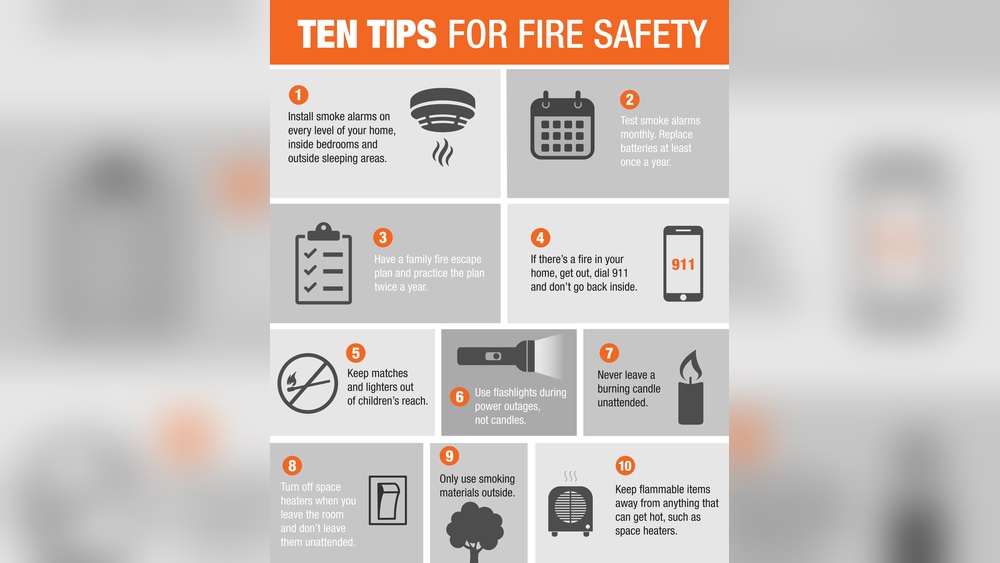
Install smoke detectors on every level of your home. Place them inside bedrooms and outside sleeping areas. Avoid kitchens and bathrooms to prevent false alarms. Mount alarms on ceilings or high on walls, at least 10 feet from cooking appliances. Proper placement ensures early detection and timely warning.
Maintenance And Testing
Test smoke detectors monthly to confirm they work properly. Replace batteries at least once a year or when low-battery alerts sound. Clean alarms regularly by gently vacuuming dust and debris. Replace smoke detectors every 10 years to maintain reliability. Proper upkeep keeps your home safe and alarms effective.
Fire Extinguishers
Fire extinguishers are vital tools for stopping small fires quickly at home. They help reduce damage and keep family members safe. Every household should have at least one extinguisher ready to use in emergencies.
Knowing the right type of extinguisher and how to use it can make a big difference. Proper placement also ensures easy access when needed most.
Common Types For Homes
There are several extinguisher types designed for different fires. The most common home types include:
- Class A: For fires with wood, paper, or cloth.
- Class B: For fires involving flammable liquids like gasoline.
- Class C: For electrical fires.
- ABC: Multi-purpose, suitable for most home fires.
ABC extinguishers are the best choice for general home use. They cover most fire types found in homes.
How To Use Them
Using a fire extinguisher is simple if you remember the P.A.S.S. method.
- Pull the pin to unlock the extinguisher.
- Aim the nozzle at the fire’s base.
- Squeeze the handle to release the agent.
- Sweep the nozzle side to side until the fire stops.
Always stand a safe distance from the fire and back away once it is out. If the fire grows, leave immediately and call for help.
Where To Install
Place extinguishers in key areas where fires are likely to start. Good spots include:
- Kitchen, near the stove but away from heat.
- Garage or workshop with flammable materials.
- Near electrical panels.
- Hallways or main living areas for quick access.
Mount extinguishers on walls at a height easy for adults to reach. Check them regularly for pressure and damage.
Carbon Monoxide Detectors
Carbon monoxide detectors play a crucial role in home fire prevention. This device senses the presence of carbon monoxide gas, which is invisible and odorless. Carbon monoxide can cause serious health problems and even death if undetected. Installing these detectors helps keep your family safe by alerting you early.
Importance In Fire Safety
Carbon monoxide is a silent killer produced by burning fuels. It can build up quickly in homes without proper ventilation. Detectors warn you before the gas reaches dangerous levels. This early warning allows you to evacuate and call for help. They complement smoke detectors, covering a vital safety gap.
Installation Guidelines
Place carbon monoxide detectors near sleeping areas for quick alerts. Install one on each floor of your home. Avoid placing them right next to fuel-burning appliances. Keep them away from humid places like bathrooms. Test detectors monthly and change batteries at least once a year.
Signs Of Alarm Activation
The detector emits a loud, continuous beeping sound when triggered. This alarm means dangerous carbon monoxide levels are present. Evacuate your home immediately and seek fresh air. Do not ignore the alarm or assume it is false. Call emergency services to inspect your home before re-entry.
Fire Sprinkler Systems
Fire sprinkler systems protect homes by quickly controlling fires before they spread. These systems sense heat and release water automatically. They work quietly and effectively to reduce fire damage and keep families safe.
Benefits For Residential Use
Sprinkler systems lower fire risks in homes. They activate only near the fire source, limiting water damage. These systems can save lives by controlling fires early. Insurance companies may offer discounts for homes with sprinklers. Sprinklers also give occupants more time to escape safely.
Types Of Sprinklers
There are several types of fire sprinklers for homes. The most common are wet pipe systems, which hold water in pipes ready to spray. Dry pipe systems fill pipes with air, releasing water when heat triggers them. Other options include deluge and pre-action sprinklers for special needs. Choose the type that fits your home’s design and climate.
Maintenance Considerations
Regular checks keep sprinkler systems working well. Test the water pressure and inspect sprinkler heads for damage. Clear any dust or paint that blocks spray nozzles. Hire professionals for yearly inspections and repairs. Proper maintenance ensures the system activates quickly during a fire.
Fire Blankets
Fire blankets are simple yet effective tools for home fire safety. They can smother small fires quickly. Fire blankets are made from fire-resistant materials that cut off oxygen to flames. These blankets are easy to use and require no special training.
They are especially useful in kitchen fires or when clothing catches fire. Fire blankets provide a safe way to control fire without using chemicals. Every home should have a fire blanket accessible for emergencies.
When To Use
Use a fire blanket to cover small fires on stoves or countertops. Wrap it around a person if their clothes catch fire. Avoid using fire blankets on large or spreading fires. They work best on grease or electrical fires that are just starting. Always call emergency services if the fire grows or does not stop.
Proper Storage
Store fire blankets in an easy-to-reach spot near high-risk areas. Kitchens and utility rooms are ideal locations. Keep the blanket in a clear, labeled container or pouch. Avoid placing it behind doors or in cluttered spaces. Regularly check the blanket for damage and replace if worn out.
Safety Precautions
Do not use a fire blanket on fires involving flammable liquids that spread quickly. Never use a fire blanket on large fires or in confined spaces. Ensure you know how to unfold and place the blanket calmly. Keep children away from fire blankets and fire areas. Always follow up by calling for professional help after use.

Credit: www.amazon.com
Fire Escape Ladders
Fire escape ladders are vital devices for home fire safety. They provide a safe exit route when stairs or doors become unusable. These ladders help occupants escape quickly from upper floors during emergencies. Having a reliable fire escape ladder can save lives and reduce panic.
Choosing The Right Ladder
Select a ladder based on your home’s height and window size. Metal and fire-resistant materials offer durability and safety. Check weight capacity to support all family members. Folding or telescoping ladders save space and are easy to store.
Placement And Accessibility
Install the ladder near a window on each upper floor. Keep it within easy reach but out of children’s reach. Store it where smoke or flames cannot block access. Make sure the ladder can be quickly and safely deployed.
Practice Drills
Regular practice with your fire escape ladder improves confidence and speed. Teach all household members how to use it correctly. Run drills at different times to simulate real emergencies. Practice helps reduce fear and ensures everyone knows what to do.
Smart Fire Safety Devices
Smart fire safety devices bring modern technology to home fire prevention. These devices detect fires early and alert homeowners instantly. They improve safety by using sensors and connectivity. Smart devices offer more than traditional alarms. They connect to your phone and other smart home systems. This connection helps keep your family safe, even when you are away.
Smart Smoke And Heat Sensors
Smart smoke and heat sensors detect smoke and high temperatures quickly. They use advanced technology to reduce false alarms. These sensors can tell the difference between cooking smoke and real fire. They send alerts to your phone if danger appears. Installing these sensors in key areas helps catch fires early. This early warning can save lives and property.
Integration With Home Systems
Smart fire devices often connect with other smart home systems. They link with security cameras, lights, and voice assistants. This integration allows automatic actions during emergencies. For example, lights can turn on to guide you out. Doors may unlock to help escape. Systems work together to make your home safer and smarter.
Benefits Of Remote Alerts
Remote alerts notify you instantly on your smartphone or tablet. These alerts keep you informed, even if you are not home. You can call emergency services right away. Early action reduces fire damage and risk to life. Remote alerts also provide peace of mind for families. Knowing you will be warned fast helps protect your home.
Credit: www.galvestontx.gov
Fireproof Storage Solutions
Fireproof storage solutions protect your important items from fire damage. These devices offer peace of mind by securing valuables during emergencies. Choosing the right fireproof safe can save crucial documents and keepsakes from destruction.
Safes designed for fire resistance come in various types. Each type suits different needs and budgets. Knowing what to store helps maximize their effectiveness. Proper installation ensures the safe works as intended during a fire.
Types Of Fireproof Safes
Fireproof safes vary by size, rating, and locking mechanism. Small safes suit documents and digital media. Larger safes store jewelry, cash, and valuables. Fire ratings show how long safes resist high temperatures. Common ratings include 30 minutes to 2 hours of protection. Choose a safe with certification from trusted testing labs.
What To Store
Store important papers like passports, birth certificates, and wills. Keep digital backups on fireproof USB drives or hard disks. Jewelry, family heirlooms, and cash also deserve protection. Avoid storing flammable or bulky items inside the safe. Organize items neatly for quick access during emergencies.
Installation Tips
Place safes on the ground floor to avoid heat rising. Secure safes to walls or floors to prevent theft. Avoid damp or humid areas to protect contents. Keep the safe away from direct sunlight and heat sources. Regularly check the safe’s condition and locking system. Follow manufacturer instructions for best results.
Frequently Asked Questions
What Are The Devices Used To Prevent Fire?
Fire prevention devices include smoke detectors, fire extinguishers, fire blankets, sprinklers, and carbon monoxide alarms. These devices detect fires early and help control or extinguish flames quickly, ensuring safety and reducing damage. Regular maintenance ensures they work effectively during emergencies.
What Two Lifesaving Devices Should You Have In Your Home To Prepare For A Fire?
Install smoke alarms to detect fires early and fire extinguishers to control small flames quickly. Both save lives.
What Are The 5 E’s Of Fire Prevention?
The 5 E’s of fire prevention are Education, Engineering, Enforcement, Emergency response, and Environmental management. They work together to reduce fire risks effectively.
What Are The Safety Devices Used In Homes?
Common home safety devices include smoke detectors, carbon monoxide alarms, fire extinguishers, deadbolt locks, burglar alarms, and CCTV cameras. These devices alert occupants to dangers like fire, gas leaks, and intrusions, ensuring timely response and protection. Regular maintenance keeps them effective and reliable.
Conclusion
Essential fire prevention devices protect your home and loved ones daily. Smoke alarms alert you early to danger, saving valuable time. Fire extinguishers help stop small fires before they spread. Carbon monoxide detectors warn of invisible, deadly gases. Regularly check and maintain each device for best performance.
Simple tools make a big difference in fire safety. Stay prepared, stay safe—your family depends on it.