
Are you struggling to find a home that fits your lifestyle without taking up too much space? Space saving modular homes could be the perfect solution for you.
These innovative homes are designed to maximize every square foot while offering comfort, style, and flexibility. Imagine having a living space that adapts to your needs, saves you money, and reduces construction time. If you want to discover how modular homes can transform your living experience and make the most out of your property, keep reading—your ideal home might be closer than you think.

Credit: www.designcafe.com
Modular Homes And Compact Living
Modular homes offer a smart solution for compact living. These homes are built in sections in a factory, then assembled on-site. The design focuses on maximizing space without sacrificing comfort. Compact living means using every inch wisely. It suits people who want a smaller home that feels spacious and organized.
Key Features Of Modular Homes
Modular homes are made with precision in controlled environments. This reduces waste and speeds up construction. They come with flexible floor plans that fit small lots. High-quality materials and energy-efficient designs are common. Many modular homes include built-in storage to save space. The homes are durable and meet local building codes. Customization options allow for personal style and needs.
Benefits Of Compact Living Spaces
Compact living spaces reduce utility costs and maintenance time. Smaller homes encourage simpler lifestyles and less clutter. They promote efficient use of furniture and storage solutions. Living in a compact space often means closer family interaction. It helps reduce your environmental footprint with less energy use. Compact homes can be easier to clean and organize. They offer affordable housing options in busy cities.
Innovative Space Saving Designs
Innovative space saving designs make modular homes perfect for small plots. These designs maximize every inch of space. They create homes that feel open and comfortable despite limited size.
Space saving techniques focus on clever use of furniture, storage, and room layouts. Each element serves multiple purposes. This approach helps keep homes tidy and organized without clutter.
Multi-functional Furniture
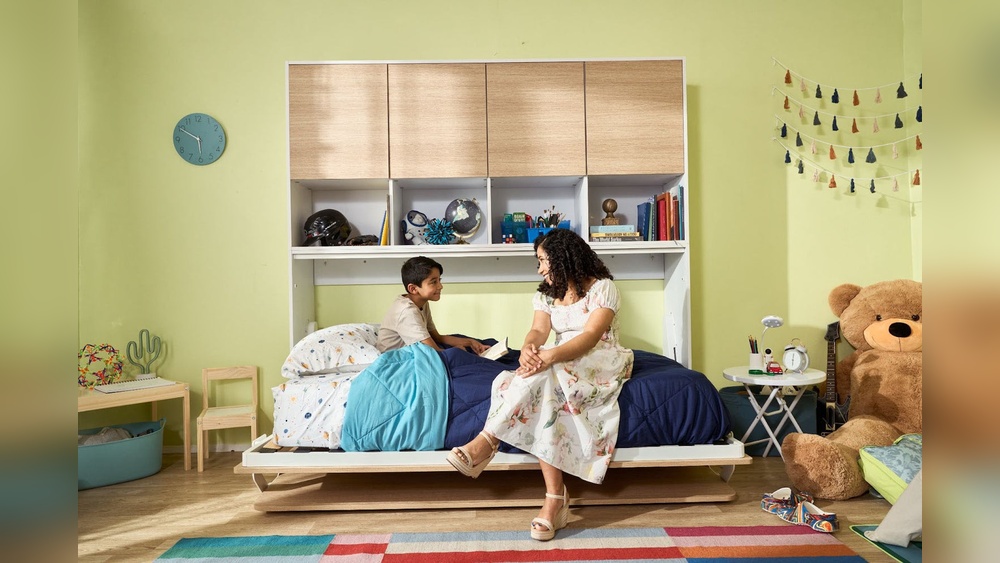
Furniture that serves more than one function saves room. For example, a sofa can turn into a bed. Tables may fold or expand depending on need. Chairs can include hidden storage compartments. These pieces reduce the need for extra furniture.
Smart Storage Solutions
Storage that fits into small spaces is key in modular homes. Built-in shelves use wall space efficiently. Under-bed drawers hold clothes or linens. Staircases can hide cabinets or closets. These ideas keep belongings out of sight yet easy to reach.
Flexible Room Layouts
Rooms that change use add great flexibility. Sliding walls or partitions create private or open areas. A living room can quickly become a guest bedroom. Kitchen islands with wheels can move to open space. This flexibility adapts to changing needs and activities.
Construction Efficiency
Construction efficiency is a key benefit of space saving modular homes. These homes are designed and built with methods that reduce waste and speed up the building process. Efficient construction saves money and time, making modular homes an attractive option for many buyers. The approach focuses on quality while using fewer resources compared to traditional building methods.
Factory-built Advantages
Modular homes are built in factories under controlled conditions. This setting protects materials from weather damage. It also allows for precise measurements and consistent quality. Factory work reduces delays often seen in on-site construction. This streamlined process ensures faster completion of homes.
Material Savings
Building in a factory allows for better use of materials. Leftover materials are often reused or recycled. This reduces waste significantly. Modular construction uses exact amounts of resources. This cuts down on unnecessary spending and helps the environment.
Labor Cost Reduction
Labor costs are lower for modular homes. Factory workers specialize in specific tasks, increasing productivity. The controlled setting minimizes mistakes and rework. Fewer workers are needed on-site, lowering overall labor expenses. Faster build times also reduce labor hours needed.
Cost Comparison
Understanding the costs of space saving modular homes helps in making smart decisions. These homes often offer savings but knowing details is key. Comparing modular homes with traditional ones reveals clear differences in price and value.
Modular Vs Traditional Homes
Modular homes usually cost less per square foot than traditional homes. Factory building cuts labor and material waste costs. Construction time is shorter, reducing overall expenses. Traditional homes often face delays and extra charges. Modular homes come with set prices, which help avoid surprise costs. Customization can raise prices for both types but modular homes stay competitive.
Additional Expenses To Consider
Both modular and traditional homes need land purchase and preparation. Foundation work, utility hookups, and permits add to the total cost. Modular homes require delivery and on-site assembly fees. Site work and landscaping costs apply to both home types. High-end finishes or upgrades increase expenses regardless of building method. Budgeting for these extras prevents financial stress later.
Financing Options
Modular homes qualify for many standard home loans. Some lenders treat modular homes like traditional properties. Construction loans and mortgages depend on project details and location. Lower build times can mean faster loan approval and closing. Check with local banks for specific modular home financing. Knowing your options helps secure the best rates and terms.
Customization And Finishes
Space saving modular homes offer flexible options for customization and finishes. These homes adapt to your style and needs without wasting space. You can choose materials, colors, and layouts that fit your taste. Custom finishes make a modular home feel unique and personal. They also add value and comfort to the living space.
Balancing Cost And Style
Choosing finishes impacts the overall budget and look of your home. Basic materials keep costs low but may limit style options. Upgrading finishes can improve aesthetics but raise expenses. It is important to find a balance between cost and personal style. Planning upgrades early helps avoid surprises during construction. This approach ensures your home stays within budget and looks great.
High-end Finishes Impact
High-end finishes create a luxurious and durable environment. Premium flooring, cabinetry, and countertops enhance the home’s appeal. These finishes often last longer and require less maintenance. They can also increase the home’s resale value significantly. However, high-end options may extend the build time and cost. Consider which upgrades provide the most benefit for your lifestyle and budget.
Credit: www.dubaigardenglow.com
Land And Site Preparation
Preparing land and site is crucial for space saving modular homes. Proper preparation ensures stability and comfort. It also supports quick assembly and long-term durability. This stage sets the foundation for a smooth building process.
Foundation Requirements
Modular homes need strong foundations. The foundation type depends on soil and home design. Concrete slabs or piers are common choices. The foundation must be level and secure. This prevents shifting or damage after installation.
Utility Hookups
Utility connections are essential for modular homes. Water, electricity, gas, and sewage must be connected. Planning utility hookups early avoids delays later. The site must have access to these services. Proper hookups ensure comfort and safety.
Site Work Considerations
Site work includes clearing, grading, and drainage. Trees or rocks may need removal for a flat surface. Proper drainage prevents water damage to the home. Access roads should allow delivery trucks to reach easily. These steps prepare the land for modular home delivery.
Resale And Market Value
Space saving modular homes offer unique advantages in today’s housing market. Their resale and market value depend on various factors. Buyers and sellers must understand these to make smart decisions.
These homes combine efficient design with modern construction. Understanding how value is influenced helps owners protect their investment.
Factors Influencing Value
The value of modular homes depends on size, design, and quality. Homes with flexible layouts often attract more buyers. Energy-efficient features can increase worth. The materials used also play a key role. Well-maintained homes typically sell faster and for higher prices. Market trends affect demand for modular homes too.
Location And Build Quality Effects
Location remains a top factor in home value. Modular homes in good neighborhoods tend to hold value better. Proximity to schools, shops, and transport boosts appeal. Build quality impacts durability and buyer confidence. High-quality construction reduces repair needs and increases resale price. Homes built with superior craftsmanship often sell at a premium.
Credit: www.rochstgeorges.ca
Popular Modular Home Builders In Austin
Austin is a growing city with a strong demand for modular homes. These homes save space and offer flexible designs. Several builders in Austin specialize in creating modular homes that fit various needs and budgets.
These companies focus on quality and efficiency. They use modern methods to build homes quickly and cost-effectively. Here are some popular modular home builders in Austin that stand out.
Backyard Pod
Backyard Pod builds small, efficient modular homes. They focus on maximizing space in compact designs. Their homes are perfect for extra living areas or guest houses. Backyard Pod uses sustainable materials to reduce environmental impact. They offer custom options to match personal styles. Many clients praise their attention to detail and craftsmanship.
Premier Homes Of Cedar Creek
Premier Homes of Cedar Creek is known for quality modular homes. They provide affordable housing without sacrificing style or comfort. Their homes are built with durable materials to last long. Premier Homes offers various floor plans to suit different families. Customers appreciate their clear communication and reliable service. The company aims to deliver homes quickly and efficiently.
Village Homes Austin
Village Homes Austin focuses on mobile and modular homes. They offer homes that fit tight budgets and small spaces. Their team helps buyers choose the best layout and features. Village Homes Austin is known for friendly customer support. They help with permits and delivery processes. Their homes often feature modern designs and energy-saving technology.
Frequently Asked Questions
Is It Cheaper To Build A House Or Get A Modular?
Modular homes often cost less than traditional builds due to efficient factory construction and lower labor expenses. However, customization and high-end finishes can increase modular costs, making them comparable to stick-built homes. Budget for land, foundation, and utility hookups for both options.
What Does Dave Ramsey Say About Modular Homes?
Dave Ramsey says modular homes save time and reduce waste but may cost similarly to traditional homes. Financing can be harder.
What Is The Downside Of Buying A Modular Home?
Modular homes may face limited customization and higher costs for premium finishes. Financing options can be less flexible. Resale value might be lower depending on location. Additional expenses include land, foundation, and utility hookups. Delivery and on-site assembly add complexity compared to traditional homes.
How Much Does A 2000 Sq Ft Prefab Home Cost?
A 2000 sq ft prefab home typically costs between $100,000 and $200,000. Costs vary by location, materials, and customization. Budget for land, foundation, utilities, and assembly. Factory-built efficiency often lowers labor and material expenses compared to traditional homes.
Conclusion
Space saving modular homes offer practical and efficient living solutions. They use less space while providing comfort and style. These homes fit well in cities and small lots. Building modular homes often saves time compared to traditional houses. Many designs allow easy customization to match your needs.
Choosing modular homes helps reduce waste and lowers construction delays. This option suits those wanting affordable, flexible housing. Consider space saving modular homes for smart, modern living today.