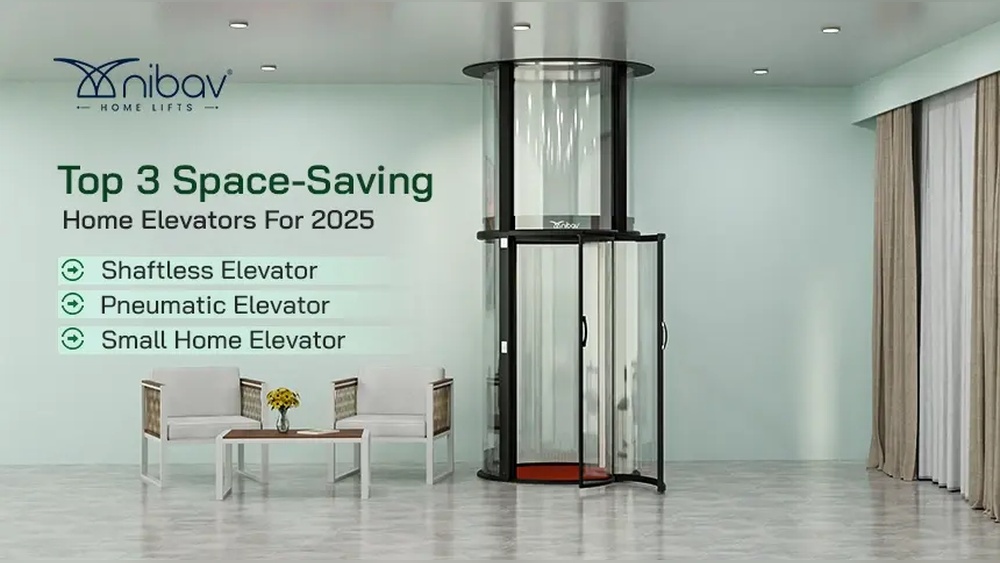

Imagine moving effortlessly between floors of your home without the hassle of stairs, all while preserving your living space. If you’ve ever thought an elevator is only for large buildings or spacious homes, think again.
Space-saving home lifts are changing the way people like you experience comfort and convenience at home. These compact lifts fit snugly into small areas, making them perfect for Austin homes where every square foot counts. Curious how you can add luxury, accessibility, and value to your home without sacrificing space?
Keep reading to discover smart solutions that make your daily life easier and your home more inviting.
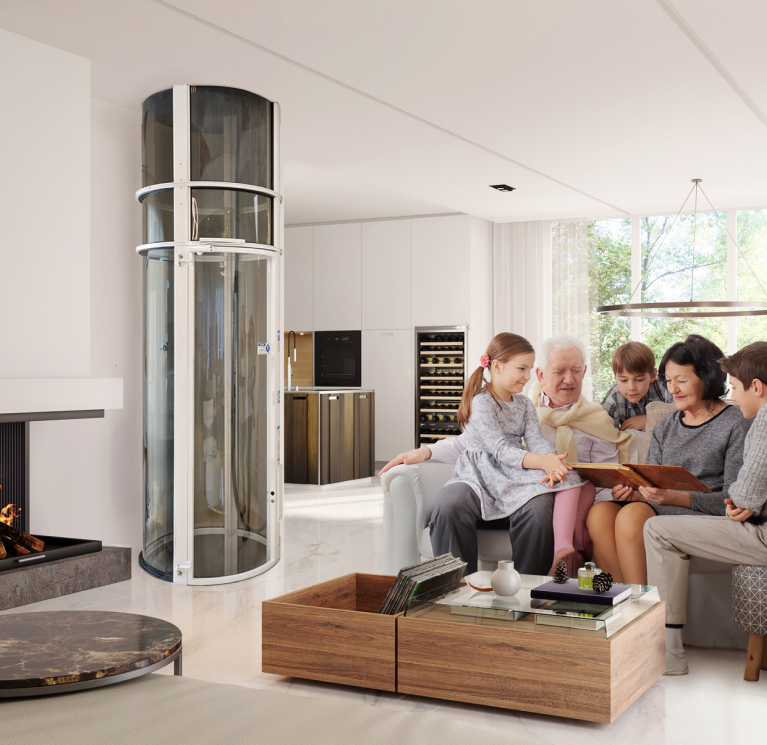
Credit: www.vacuumelevators.com
Benefits Of Space-saving Lifts
Space-saving home lifts bring many benefits to modern homes. They fit perfectly in small areas without needing much room. These lifts make homes more accessible for everyone. They also add value to properties. Installing a space-saving lift is a smart choice for many homeowners.
Maximizing Small Areas
Space-saving lifts use minimal floor space. They fit in tight corners or narrow shafts. This design leaves more room for furniture and movement. Compact lifts suit apartments and small houses well. Their sleek style does not crowd your living space. Homeowners enjoy open, uncluttered rooms with these lifts.
Enhancing Accessibility
These lifts help people with mobility challenges. They allow easy movement between floors without stairs. Elderly family members gain independence and safety. The lifts support wheelchairs and walking aids. Installing a home lift improves daily comfort. Everyone in the home benefits from easier access.
Boosting Home Value
Adding a space-saving lift increases property appeal. Buyers see lifts as a valuable feature. They signal comfort and modern living. Homes with lifts often sell faster and at higher prices. This upgrade attracts a wider range of buyers. It is a smart investment for future resale.
Credit: www.nibavlifts.com
Types Of Compact Home Lifts
Compact home lifts are designed to fit small spaces without sacrificing comfort or safety. These lifts are ideal for homes with limited room or for those wanting a sleek, modern look. Several types of compact lifts exist, each using different technology and offering unique benefits. Understanding these types helps in choosing the best fit for any home.
Pneumatic Elevators
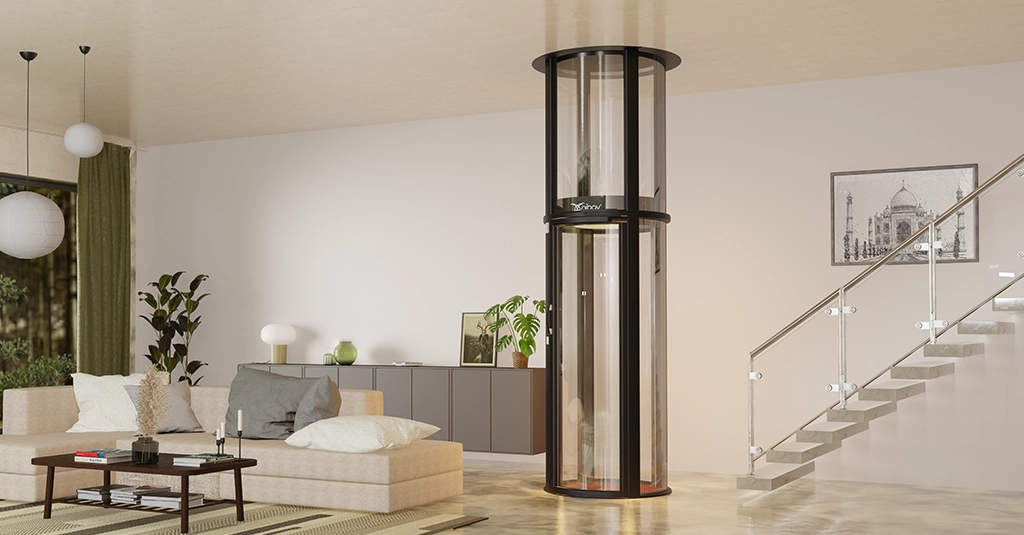
Pneumatic elevators use air pressure to move the cabin up and down. They do not need a machine room or shaft, saving space. The transparent design lets in natural light, making the lift feel open. Installation is fast and less invasive to the home structure. These lifts are quiet and energy-efficient too.
Hydraulic Lifts
Hydraulic lifts use fluid pressure to operate the lift car. They provide smooth and stable travel between floors. These lifts require a small pit but no large overhead space. Hydraulic systems are strong and good for heavier loads. Maintenance is simple, and they work well in tight areas.
Shaftless Designs
Shaftless lifts do not require a traditional shaft or hoistway. They can be installed in existing stairwells or narrow spaces. These designs often use a guided rail system for safety. Shaftless lifts are versatile and perfect for retrofits. They blend easily into home interiors without major construction.
Installation Considerations
Installing a space-saving home lift requires careful thought. Various factors affect the process and final outcome. Proper planning helps avoid costly mistakes and delays. This section highlights key installation considerations.
Space Requirements
Space-saving lifts need less room than traditional elevators. Still, ensure enough space for the lift and its door. Check the dimensions of the lift model before buying. Consider space for the control panel and safety clearance. Measure ceiling height to confirm the lift fits well.
Structural Modifications
Some homes need changes to support the lift’s weight. Floors and walls might require reinforcement. The lift shaft may need to be built or adjusted. Electrical wiring should meet safety standards and power needs. Consult a structural expert to assess these needs.
Professional Vs Diy
Professional installation ensures safety and follows regulations. Experts handle electrical and structural work properly. DIY installation may save money but risks errors and hazards. Most manufacturers recommend hiring certified installers. Choose professionals for reliable and efficient setup.
Cost And Financing Options
Space-saving home lifts provide convenience and accessibility for many households. Understanding their cost and financing options helps homeowners plan better. Expenses vary based on features, size, and installation needs. Exploring insurance and financing helps reduce upfront burdens.
Price Ranges
Home lifts can cost between $3,000 and $50,000 or more. Basic models with simple designs are cheaper. Larger lifts with advanced features cost more. Installation fees depend on home structure and modifications needed. Maintenance and warranty plans may add to the total cost.
Insurance And Medicare Coverage
Most insurance plans do not cover home lifts. Medicare rarely covers these unless medically necessary. Some long-term care policies might offer partial reimbursement. It is important to check with your provider for specific coverage details. Documentation from a doctor may help support claims.
Financing Plans
Many companies offer payment plans to spread costs over time. Personal loans and home equity lines of credit are common options. Some lenders provide low-interest or zero-interest financing for qualified buyers. Compare terms and monthly payments before choosing a plan. Budget carefully to avoid financial strain.
Safety Features
Safety is the top priority for space-saving home lifts. These lifts include many features to protect users. Each feature helps prevent accidents and ensures smooth operation. Knowing these safety measures gives peace of mind to homeowners. Below are key safety aspects that make these lifts reliable.
Emergency Systems
Space-saving home lifts come with emergency systems to handle unexpected problems. Most have an emergency stop button inside the cabin. This button immediately halts the lift if needed. They also include an alarm system to alert others in case of trouble. Many models have battery backup to operate during power failures. Emergency phones or intercoms connect users to help quickly. These systems keep users safe in all situations.
Weight Limits
Each home lift has a strict weight limit. This limit ensures the lift works safely without strain. Overloading the lift can cause mechanical issues or accidents. Weight limits vary by model but usually range from 400 to 750 pounds. Users should always check and follow these limits. Clear weight indicators are often installed inside the lift cabin. Respecting weight limits helps maintain safety and extend the lift’s life.
Maintenance Needs
Regular maintenance keeps home lifts safe and reliable. Scheduled check-ups catch small problems before they grow. Maintenance includes inspecting cables, doors, and safety brakes. Cleaning and lubricating moving parts also prevent wear and tear. Many manufacturers recommend professional servicing once or twice a year. Homeowners should not ignore strange noises or jerky movements. Proper maintenance reduces risks and keeps lifts running smoothly.
Popular Brands And Models
Space-saving home lifts offer convenience without sacrificing valuable room. Many trusted brands design models that fit compact areas and blend with home decor. These lifts provide safety, comfort, and accessibility for all family members. Below are some popular brands and models known for their quality and space efficiency.
Nibav Home Lifts
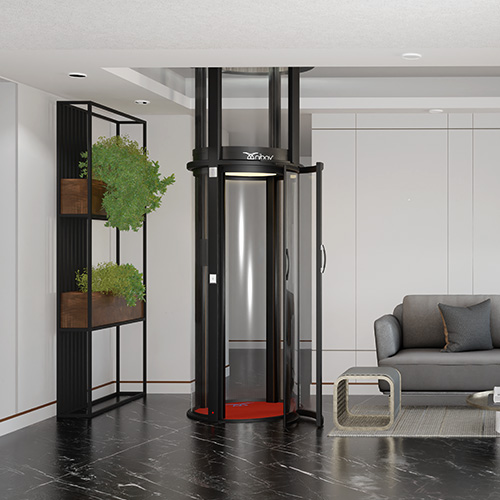
Nibav Home Lifts specialize in shaftless and pneumatic elevators. These lifts require minimal space and no major construction. They fit easily into small homes and apartments. Their design focuses on smooth operation and safety features. Installation is quick, with little disruption to your home. Nibav offers models that handle two passengers comfortably.
Cibes Symmetry
Cibes Symmetry lifts are known for their stylish and compact design. They suit narrow spaces and modern interiors. These lifts use energy-efficient technology to reduce power use. The cabins have customizable interiors to match home style. Cibes lifts operate quietly and smoothly. They also meet strict safety standards for residential use.
Mobility Masters
Mobility Masters provide affordable and practical home lift solutions. Their models are compact and easy to install. Many lifts have simple controls for user convenience. These lifts improve home accessibility for people with mobility challenges. The company offers reliable service and support. Mobility Masters focus on functionality without large space demands.
Design And Customization
Space-saving home lifts offer more than just convenience. Their design and customization options make them a perfect fit for any home style. Homeowners can tailor every detail, creating a lift that blends seamlessly with their space. This section explores key design features that add value and comfort.
Interior Finishes
Choose from various interior finishes to match your home’s decor. Materials like wood, glass, and stainless steel create unique looks. Soft lighting and sleek panels enhance the cabin’s feel. Custom finishes make the lift a stylish part of your home.
Eco-friendly Options
Many space-saving lifts use energy-efficient motors and lighting. Some models include regenerative drives that save power. Eco-friendly materials reduce environmental impact. These options lower energy bills and support a greener lifestyle.
Smart Technology Integration
Smart controls allow easy operation via smartphones or voice commands. Safety features include automatic stop and emergency alerts. Integration with home automation systems adds convenience. Technology makes the lift user-friendly and modern.
User Experiences
User experiences with space-saving home lifts reveal practical insights. These lifts improve daily life, especially in tight spaces. Many users share how these lifts fit their homes and needs perfectly. Their feedback helps others understand benefits and possible issues.
Customer Testimonials
Many customers praise the convenience of space-saving lifts. One user said, “It’s made life so much easier for my parents.” Others mention the smooth installation and quiet operation. Several appreciate the polite and professional service from installers. Users note the lifts blend well with home decor. Safety features also receive positive comments. Overall, testimonials show high satisfaction with these lifts.
Case Studies In Austin, Texas
In Austin, Texas, space-saving lifts serve diverse homes. A family with limited space installed a shaftless lift. They reported better mobility within their multi-level house. Another case involved an elderly couple who avoided stairs safely. They described quick installation and easy use. Local companies provide tailored solutions for various home layouts. These studies highlight how lifts adapt to real living conditions in Austin.
Common Challenges
Some users face challenges during installation due to structural limits. Space constraints sometimes require custom designs. A few customers mention the initial cost as a concern. Maintenance needs can also vary by model and usage. Noise during operation is rare but noted by some. Understanding these challenges helps buyers set proper expectations. Most issues are manageable with professional support.
Future Trends In Home Lifts
Home lifts are changing rapidly. New trends focus on making lifts smaller, smarter, and greener. These changes will help fit lifts into any home. They will also improve comfort and reduce energy use.
Space-saving home lifts will soon be more common. They will use smart technology and eco-friendly materials. These lifts will blend into homes without taking up much space.
Innovative Technologies
New home lifts use smart controls and sensors. Voice commands and mobile apps allow easy operation. Some lifts have touchless buttons to improve hygiene. Safety features like automatic brakes are becoming standard. These technologies make lifts safer and easier to use every day.
Space Optimization Advances
Designers focus on reducing lift size without losing comfort. Shaftless and pneumatic lifts save space by removing bulky parts. Compact cabins fit in tight spots like small stairwells. Foldable seats and slim doors help maximize usable room. These improvements help install lifts in homes with limited space.
Sustainability Focus
Energy-efficient motors reduce electricity use significantly. Many lifts now use regenerative drives that recycle energy. Materials like recycled steel and eco-friendly plastics are popular. Solar-powered lifts are emerging for off-grid homes. These changes lower the environmental impact of home lifts.
Credit: www.nibavlifts.com
Frequently Asked Questions
Will Medicare Pay For A Home Elevator?
Medicare does not cover home elevators. It classifies them as home modifications, not Durable Medical Equipment (DME). Coverage usually excludes such installations.
What Is The Average Cost To Put An Elevator In A Home?
The average cost to install a home elevator ranges from $7,000 to $53,000. Prices vary by size, design, and features. Space-saving models cost less, while custom luxury elevators cost more. Installation complexity and home modifications also affect the total price.
What Is The 3 4 Rule For Elevators?
The 3-4 rule for elevators means the cab height should be three times its width and four times its depth. This ensures optimal space and comfort.
What Is The Average Cost Of A Stiltz Home Lift?
The average cost of a Stiltz home lift ranges between $10,000 and $20,000. Prices vary by model and installation.
Conclusion
Space-saving home lifts offer comfort without taking much room. They fit small spaces and improve home accessibility. Installing one can make daily life easier for everyone. Choose a model that suits your space and needs. These lifts blend well with home design.
Enjoy safer, smoother movement between floors. Consider space-saving lifts to enhance your home’s function today.