
Imagine facing an emergency without the right supplies—how would you manage? You might feel overwhelmed, unprepared, or even scared.
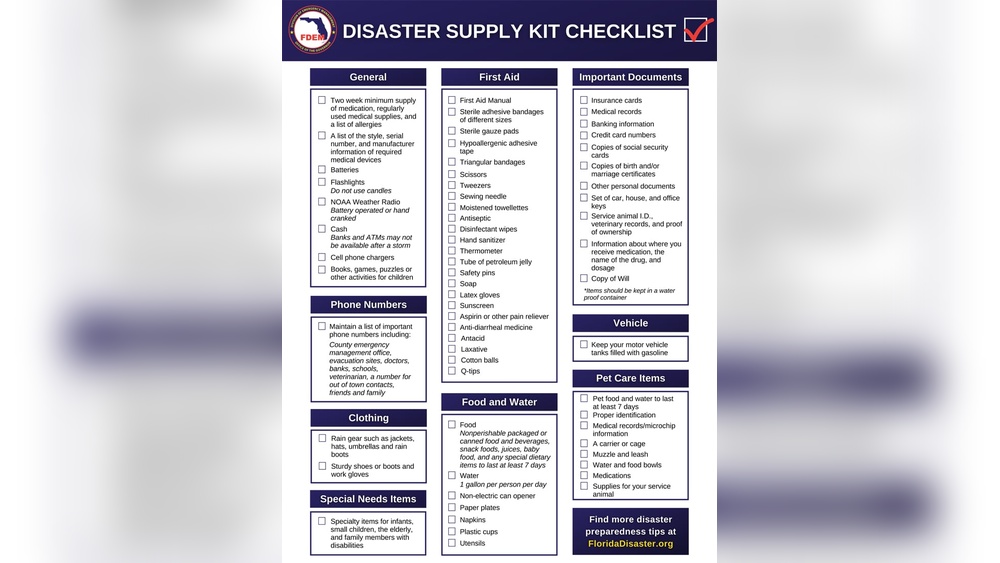
That’s why having a solid checklist for emergency preparedness is crucial for you and your loved ones. This simple guide will help you gather everything you need before disaster strikes, so you can stay safe and calm no matter what happens.
Keep reading to discover the essential items that should be in your emergency kit and how to organize them effectively. Don’t wait for the unexpected—take control of your safety today.

Credit: www.amazon.com
Essential Emergency Supplies
Preparing essential emergency supplies helps you stay safe during unexpected events. These supplies cover basic needs for survival. Focus on items that support water, food, health, light, and communication. Organize your emergency kit carefully to ensure readiness.
Water And Hydration Needs
Store at least one gallon of water per person per day. Plan for several days of supply. Use clean, sealed containers to keep water safe. Consider water purification tablets or filters for backup. Hydration is key for health and survival.
Non-perishable Food Options
Choose food that lasts without refrigeration. Canned goods, dried fruits, and nuts are good choices. Include a manual can opener for sealed cans. Pack enough food for at least three days. Select items that provide energy and nutrition.
First-aid Kit Basics
Include bandages, antiseptic wipes, and gauze pads. Add pain relievers and allergy medications. Pack adhesive tape and scissors for dressing wounds. Keep a list of emergency contacts and medical information. Check and replenish supplies regularly.
Lighting And Power Sources
Use flashlights with extra batteries for reliable light. A battery-powered or hand-crank radio helps receive updates. Consider solar-powered lights as a sustainable option. Avoid candles to reduce fire risks. Keep power sources easy to access.
Communication Devices
Have a battery-powered or hand-crank radio for emergency broadcasts. Keep a charged mobile phone with extra power banks. Walkie-talkies can help if cell service is down. Write down important phone numbers on paper. Communication keeps you connected and informed.
Sanitation And Personal Care
Sanitation and personal care are crucial during emergencies. Cleanliness helps prevent illness and keeps morale high. A well-prepared kit must include items that support hygiene and waste management. Proper sanitation reduces health risks and maintains comfort in tough situations.
Hygiene Supplies
Stock up on essential hygiene items. Soap and hand sanitizer kill germs effectively. Toothbrushes and toothpaste keep mouths clean. Feminine hygiene products are necessary for women. Wet wipes and tissues offer quick cleaning options. Keep a supply of clean towels and washcloths. Include a small mirror and nail clippers for grooming. Store all supplies in waterproof bags to keep them dry.
Waste Management Tools
Plan for proper waste disposal to avoid contamination. Garbage bags and plastic ties help contain waste securely. Portable toilets or buckets with lids are useful where plumbing is unavailable. Include disinfectants and bleach for cleaning waste containers. Gloves protect hands during waste handling. Seal waste bags tightly before disposal. Proper waste management prevents the spread of germs and keeps the environment safe.
Medications And Health Items
Medications and health items play a vital role in emergency preparedness. Having the right supplies ensures you maintain health and manage conditions during crises. This section outlines key steps to organize essential medications and health products effectively.
Prescription Medication Storage
Store prescription medications in a cool, dry place away from sunlight. Use airtight containers to protect pills from moisture and damage. Keep a list of all medications, including dosages and prescribing doctor information. Rotate supplies regularly to avoid expired medicines. Include extra supplies for chronic conditions, such as diabetes or heart disease. Pack medications in a waterproof bag for easy transport. Ensure children cannot access these medications to prevent accidents.
Additional Health Essentials
Include basic first-aid supplies like bandages, antiseptic wipes, and pain relievers. Stock items such as allergy medicine, cold remedies, and vitamins. Carry personal hygiene items like hand sanitizer and disinfectant wipes. Consider medical devices needed, such as inhalers or glucose monitors. Have extra contact lenses or glasses if necessary. Pack a thermometer to check for fever. Keeping these health essentials helps manage minor issues and prevents complications.
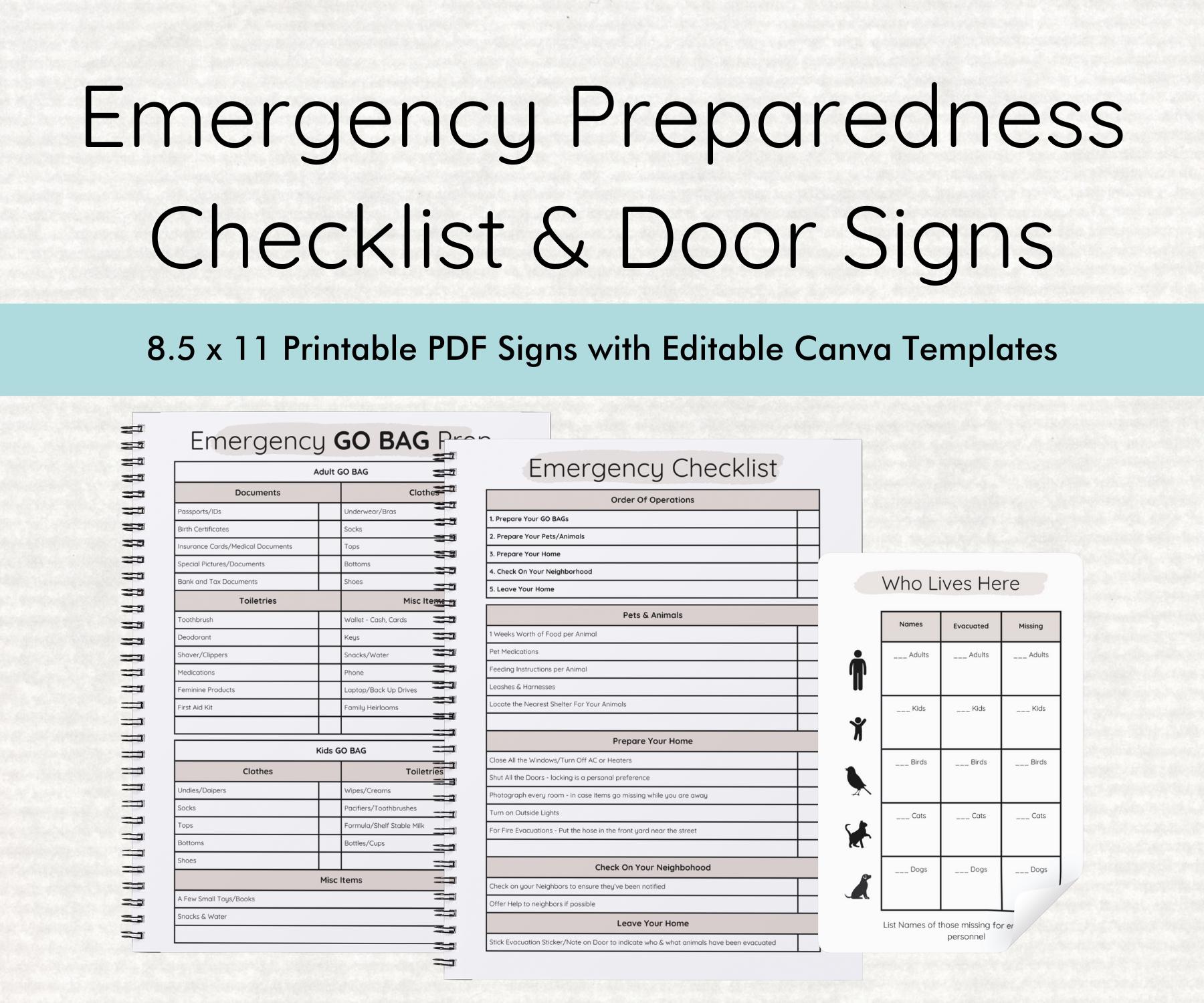
Credit: www.etsy.com
Important Documents And Information
Keeping important documents and information ready is key during emergencies. These papers prove your identity, show your rights, and guide your actions. Store them safely in waterproof and easy-to-carry containers. Digital copies on secure devices add extra safety. Knowing where to find and access these documents saves time and reduces stress.
Identification And Insurance Papers
Carry essential IDs like passports, driver’s licenses, and birth certificates. Include health insurance cards, vehicle registration, and home insurance papers. These documents help prove who you are and protect your property. Keep updated copies ready to show emergency workers or officials.
Emergency Contact Lists
Prepare a list of phone numbers for family, friends, doctors, and local emergency services. Write down contacts for your workplace and children’s schools. Store this list in your emergency kit and save it on your phone. Quick access to contacts speeds up communication in crises.
Family Emergency Plans
Create a clear plan for meeting places, communication methods, and roles during emergencies. Share the plan with all family members and practice it regularly. Include information on pets, medical needs, and evacuation routes. A solid plan keeps everyone informed and calm under pressure.
Tools And Safety Equipment
Having the right tools and safety equipment is vital for effective emergency preparedness. These items help you handle unexpected situations safely and efficiently. Preparing a kit with essential tools ensures you can respond quickly during disasters. Each piece of equipment serves a specific purpose to protect you and your family.
Multi-purpose Tools
Multi-purpose tools are compact and versatile. They combine several functions into one device. Common features include knives, pliers, screwdrivers, and scissors. Such tools save space and weight in your emergency kit. They help with tasks like cutting, opening cans, and repairing gear. Carrying one tool instead of many makes your kit more practical.
Utility Shutoff Devices
Utility shutoff devices allow you to safely turn off gas, water, and electricity. Knowing how to use these devices can prevent fires and flooding. Keep adjustable wrenches or shutoff keys in your kit. Practice turning off your home utilities to act quickly if needed. Shutting off utilities reduces hazards during emergencies.
Signaling Devices
Signaling devices help you attract attention and call for help. Whistles, mirrors, and flares are common signaling tools. A loud whistle can alert rescuers without using much energy. Signal mirrors reflect sunlight to send visual signals over long distances. Flares provide bright light and smoke for emergency signaling. Include at least one signaling device in your emergency kit.
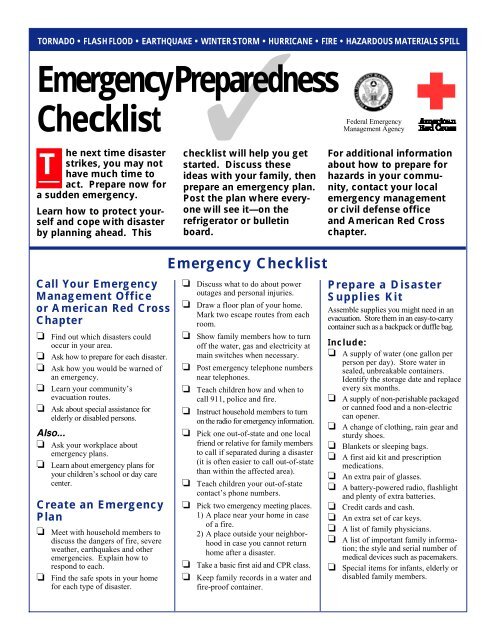
Credit: www.yumpu.com
Preparing For Different Scenarios
Preparing for different emergency scenarios helps you stay calm and safe. Each situation needs specific planning and supplies. Knowing what to expect can improve your readiness. Keep your emergency kit updated and check it often.
Natural Disasters
Natural disasters like floods, hurricanes, or earthquakes can strike without warning. Store enough water and food for at least three days. Include a first-aid kit with bandages and antiseptic. Have sturdy shoes and gloves ready. Keep important documents in a waterproof container. Plan safe spots in your home for shelter. Know local emergency numbers and alerts.
Power Outages
Power outages can last hours or days. Have flashlights and extra batteries on hand. Keep a battery-powered or hand-crank radio to get news updates. Charge mobile devices ahead of time and have portable chargers. Avoid opening the refrigerator to keep food cold longer. Use candles carefully and never leave them unattended. Prepare alternative cooking methods, like a camping stove.
Evacuation Procedures
Evacuation may be required during fires, floods, or other dangers. Plan your evacuation routes and practice them with family. Pack a grab-and-go bag with essentials like water, food, and medications. Include clothing, important papers, and cash. Know where local shelters are located. Keep your car fueled and ready. Inform friends or neighbors of your evacuation plans.
Storage And Maintenance Tips
Proper storage and regular maintenance keep your emergency kit ready for any situation. Items lose effectiveness if not stored right or checked often. A well-maintained kit saves time and stress during emergencies. Follow these tips to store and maintain your supplies efficiently.
Proper Storage Techniques
Store your emergency kit in a cool, dry place. Avoid areas with high humidity to prevent damage. Use waterproof containers to protect items from water. Keep the kit easily accessible but safe from pets and children. Label containers clearly for quick identification. Organize supplies by type for faster use during emergencies.
Regular Kit Updates
Check your emergency kit every six months. Replace items that look damaged or worn out. Add new supplies based on changing family needs. Update documents like insurance papers and emergency contacts regularly. Review your kit after any major life changes or seasonal shifts. Regular updates ensure your kit stays useful and relevant.
Checking Expiration Dates
Look at expiration dates on food, water, and medicines. Remove expired items immediately to avoid risks. Replace food and water supplies every six months to keep them fresh. Check batteries and replace them yearly to ensure functionality. Keep a calendar reminder to track expiration dates easily. Timely checks keep your kit safe and effective.
Additional Safety Measures
Preparing for emergencies goes beyond basic supplies. Additional safety measures protect you and your family in unexpected situations. These steps improve your readiness and reduce risks during disasters. Focus on strengthening your home, connecting with community support, and practicing essential skills.
Home Safety Enhancements
Secure heavy furniture and appliances to walls. This prevents injuries and damage during shaking or impact. Install smoke and carbon monoxide detectors on every floor. Check and replace batteries regularly. Keep fire extinguishers accessible and learn how to use them. Clear pathways for quick exits. Store hazardous materials safely out of reach.
Community Resources
Identify local shelters and emergency centers. Know their locations and operating hours. Join neighborhood watch groups or emergency response teams. Share your emergency plan with neighbors. Learn about community alerts and warning systems. Register for local emergency notifications by phone or email. These resources provide support and information during crises.
Training And Drills
Practice emergency drills at home with your family. Simulate scenarios like fire, earthquake, or severe weather. Teach children how to call emergency services. Learn basic first aid and CPR skills. Attend community training sessions when available. Regular practice builds confidence and helps everyone stay calm in real emergencies.
Frequently Asked Questions
What Are The 5 P’s Of Preparedness?
The 5 P’s of preparedness are: Proper Planning Prevents Poor Performance. They emphasize planning, preparation, practice, protection, and persistence.
What Are 10 Things You Should Have In An Emergency Kit?
An emergency kit should include water, non-perishable food, a first-aid kit, flashlight with batteries, radio, hygiene supplies, medications, important documents, a multi-purpose tool, and a whistle.
What Are The 10 Steps To Disaster Preparedness?
1. Store one gallon of water per person daily for at least three days. 2. Stock non-perishable food for three days with a manual can opener. 3. Prepare a first-aid kit with bandages, antiseptic, and pain relievers. 4. Keep a flashlight and extra batteries handy.
5. Use a battery-powered or hand-crank radio for emergency alerts. 6. Include sanitation supplies like moist towelettes and garbage bags. 7. Maintain a one-week supply of necessary medications and prescriptions. 8. Secure copies of important documents and family emergency plans.
9. Have a multi-purpose tool or wrench for utility management. 10. Carry a whistle to signal for help in emergencies.
What To Stockpile For 72 Hours?
Stockpile one gallon of water per person daily, non-perishable food, a first-aid kit, flashlight with batteries, radio, hygiene supplies, medications, important documents, multi-purpose tool, and a whistle for 72 hours.
Conclusion
Preparing for emergencies saves lives and reduces stress. Keep your checklist ready and update it regularly. Store essential items like water, food, and first-aid supplies in an easy-to-reach place. Practice your emergency plan with family members often. Stay informed about local risks and alerts.
Being ready means facing unexpected events with confidence. Small steps today make a big difference tomorrow. Start building your emergency kit now and stay safe.