Imagine facing a sudden emergency at your workplace—would you know exactly what to do? Your safety and the safety of everyone around you depend on having a clear, well-practiced emergency preparedness plan in place.
Without one, chaos and confusion can take over, putting lives and property at risk. But with the right plan tailored specifically to your work environment, you gain confidence, control, and peace of mind. You’ll discover how to create an effective emergency preparedness plan for your workplace that covers everything from identifying hazards to assigning roles and ensuring everyone knows the steps to take when seconds count.
Keep reading to protect yourself, your coworkers, and your business before an emergency strikes.
Workplace Emergency Risks
Workplace emergency risks vary widely depending on the industry and location. Understanding these risks helps create effective safety plans. Identifying potential dangers keeps employees safe and reduces damage to property.
Each workplace faces unique threats. Some risks are obvious, while others are hidden. A clear view of these hazards is vital for readiness and quick response during emergencies.
Common Emergency Scenarios
Fires are among the most frequent workplace emergencies. They spread quickly and cause severe harm. Medical emergencies, like sudden illness or injury, also demand swift action. Natural disasters such as earthquakes, floods, or storms pose serious threats to many workplaces. Chemical spills or gas leaks can endanger health and safety. Power outages disrupt work and may create unsafe conditions. Workplace violence, though less common, is a critical risk to consider.
Hazard Assessment Methods
Start hazard assessment by inspecting the worksite carefully. Look for physical dangers like faulty wiring or blocked exits. Check for chemical hazards and unsafe materials. Consult employees about risks they notice daily. Use checklists to ensure no hazard is overlooked. Risk rating helps prioritize dangers by their likelihood and impact. Regular reviews update the assessment as conditions change. Document findings clearly to guide emergency planning steps.
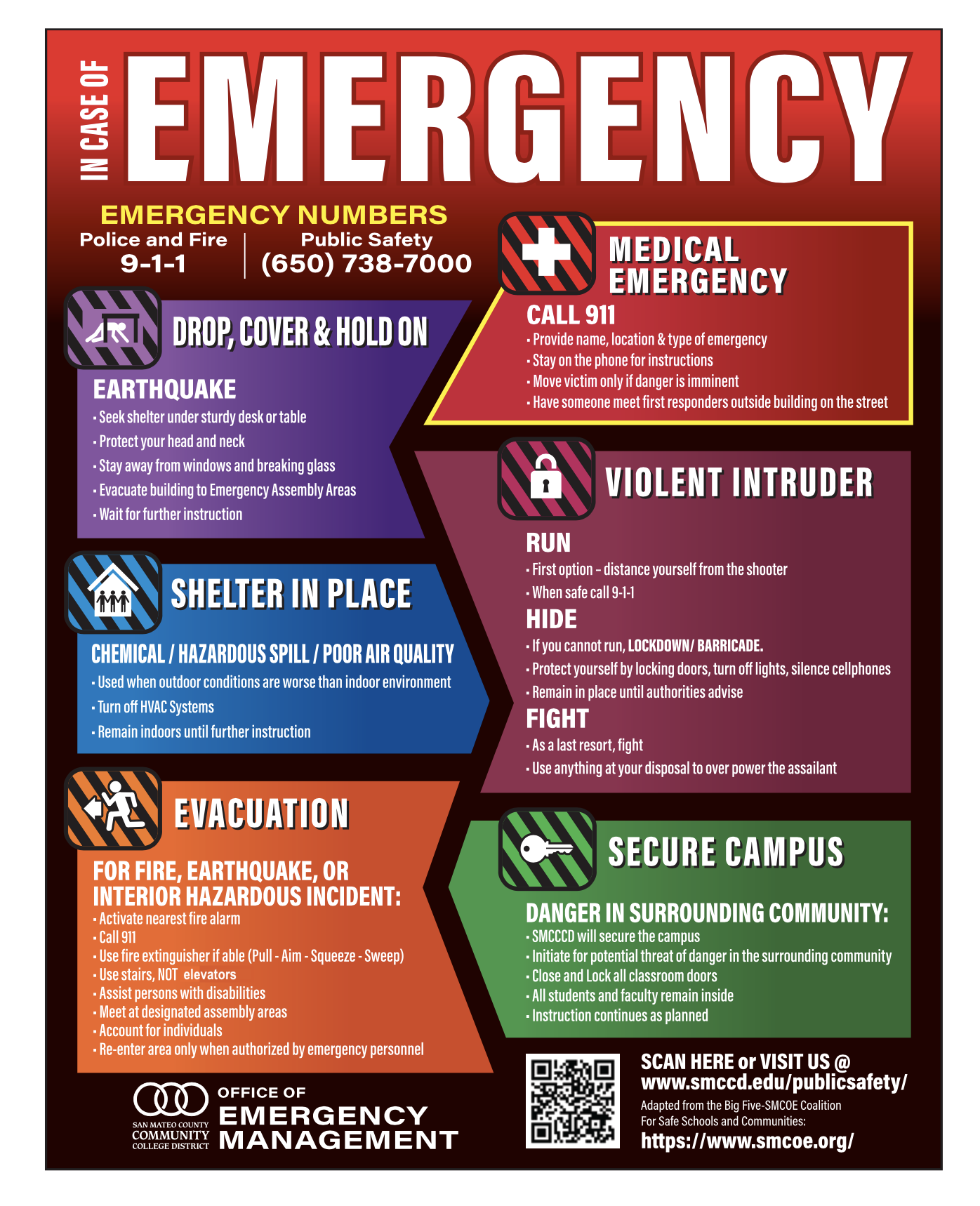
Credit: smccd.edu
Key Elements Of Emergency Plans
Emergency preparedness plans protect lives and reduce damage during crises. A strong plan has clear, simple parts everyone understands. Each element guides actions before, during, and after emergencies. These parts work together to keep the workplace safe and organized.
Key elements include how to report emergencies, detailed procedures for different situations, and defined roles for staff. These ensure quick response and smooth coordination. Let’s explore these essential components in detail.
Emergency Reporting Systems
Emergency reporting systems alert everyone quickly. They include alarms, phones, and digital tools. These systems must be easy to use and heard or seen by all. Clear instructions on how to report emergencies help reduce confusion. Fast reporting speeds up help and evacuation.
Specific Emergency Procedures
Specific emergency procedures explain what to do in each situation. Procedures cover fires, medical emergencies, natural disasters, and more. They include steps to evacuate, shelter, or secure the area. Procedures must be simple and practiced regularly. Practicing helps workers act confidently and safely.
Roles And Responsibilities
Every person in the workplace has a role during emergencies. Roles include leaders, first aiders, and floor wardens. Responsibilities must be clear and assigned in advance. Knowing who does what avoids delays and confusion. Training ensures everyone understands their tasks well.
Evacuation And Shelter Strategies
Evacuation and shelter strategies are vital parts of any workplace emergency preparedness plan. They protect employees during unexpected events like fires, storms, or chemical spills. Clear steps and well-planned procedures help reduce confusion and ensure safety. Understanding these strategies helps everyone respond quickly and calmly.
Designing Evacuation Routes
Evacuation routes must be simple and easy to follow. Mark all paths clearly with visible signs and lights. Avoid obstacles that could slow down movement. Plan multiple exits to prevent crowding. Regularly check routes for blockages or damage. Practice drills help employees learn the fastest ways out. Routes should lead directly to safe outdoor areas.
Establishing Assembly Points
Assembly points are safe places outside the building where employees gather after evacuation. Choose spots far from hazards and traffic. Make sure the location is easy to find and large enough for everyone. Inform all workers about the assembly points during training sessions. Assign staff to check attendance and report missing persons. Assembly points help keep everyone accounted for and safe.
Shelter-in-place Protocols
Shelter-in-place means staying indoors during some emergencies. This applies when outside conditions are unsafe, like during severe weather or chemical spills. Identify rooms that offer protection from hazards. Ensure these areas have supplies like water, first aid kits, and communication tools. Train employees on how to seal doors and windows. Clear instructions reduce panic and keep workers safe inside.

Credit: x.com
Employee Support During Emergencies
Supporting employees during emergencies is vital for workplace safety. Every worker must feel secure and cared for. An effective emergency preparedness plan includes specific measures to help all employees. This ensures quick, calm responses and reduces confusion or panic. Focus on unique needs of different groups in your workforce. This approach improves overall safety and trust in the workplace.
Assisting Employees With Disabilities
Employees with disabilities may face extra challenges during emergencies. Plans should identify their needs early. Assign trained buddies to help them evacuate safely. Use accessible alarms and clear exit routes. Provide special equipment if needed. Regular drills should include these employees. This practice builds confidence and readiness. It also highlights areas for improvement in the plan.
Communication For Non-english Speakers
Clear communication saves lives in emergencies. Non-English speakers can miss critical instructions. Offer emergency information in multiple languages. Use simple words and visuals to explain steps. Train bilingual staff to assist during crises. Use translation apps or devices when possible. Test communication methods in drills to ensure effectiveness. This reduces fear and confusion among diverse teams.
Accountability And Personnel Tracking
Accountability and personnel tracking are essential parts of any workplace emergency preparedness plan. They ensure every employee is safe and accounted for during an emergency. Without clear accountability, confusion and delays can occur, putting lives at risk. Tracking personnel helps emergency teams know who may need assistance and confirms everyone has evacuated safely.
Effective accountability systems also support communication with emergency responders. They provide quick access to employee information and help identify missing persons. Keeping this process simple and reliable is key to reducing stress and improving safety during crises.
Methods For Employee Accountability
Many workplaces use sign-in sheets or electronic check-in systems to track employees. These tools record who is present and help verify attendance during an emergency. Some companies use ID badges with scanners at exits to monitor evacuations in real time.
Headcounts at designated assembly points provide a manual way to confirm everyone has left the building. Supervisors or team leaders often take responsibility for these counts. They report missing employees immediately to emergency coordinators.
Post-evacuation Procedures
After evacuation, employees gather at safe meeting points outside the danger zone. Supervisors check attendance against rosters to confirm all personnel are safe. Any missing persons are reported quickly to emergency responders.
Clear communication is vital during this stage. Updates should flow between team leaders, emergency coordinators, and first responders. This ensures a coordinated response and helps avoid further confusion.
Workplaces should also have plans for re-entry or relocation if the emergency continues. Employees must wait for official clearance before returning to the site. Regular drills help prepare everyone for these steps and improve overall safety.

Credit: www.ccohs.ca
Frequently Asked Questions
What Is The Emergency Preparedness Plan In The Workplace?
An emergency preparedness plan in the workplace outlines clear procedures for handling fires, medical incidents, and natural disasters. It assigns roles, evacuation routes, communication methods, and safety measures to protect employees and property during emergencies.
What Are The 5 P’s Of Preparedness?
The 5 P’s of preparedness are: Proper Planning Prevents Poor Performance and ensure readiness. They include plan, people, places, procedures, and practice.
How Do I Write An Emergency Preparedness Plan?
Assess risks and hazards in your area and workplace. List possible emergencies and response steps. Assign roles and communication methods. Create evacuation routes and safety procedures. Share the plan with everyone and review it regularly for updates and improvements.
What Is An Emergency Action Plan For A Workplace?
An emergency action plan for a workplace is a written guide outlining procedures to protect people and property during emergencies. It defines roles, emergency reporting, evacuation routes, and safety steps for fires, medical incidents, or disasters. It ensures quick, organized responses and employee safety.
Conclusion
Creating a strong emergency preparedness plan protects everyone at work. Clear steps help employees act quickly and safely. Regular training makes sure everyone knows their role well. Planning ahead reduces risks and confusion during crises. Keep the plan updated to fit your workplace needs.
Safety is a shared responsibility that saves lives. Start building your plan today for a safer workplace tomorrow.