
Creating a safe living room for your child doesn’t mean you have to sacrifice style or comfort. You want a space where your little one can play freely without constant worry, while still feeling warm and inviting for your family and guests.
But how do you balance child safety with beautiful design? You’ll discover simple and smart child proof living room ideas that protect your child and keep your home looking great. From choosing the right furniture to clever safety hacks, these tips will help you create a space that gives you peace of mind and lets your child explore safely.
Keep reading to transform your living room into a kid-friendly haven you’ll love.
Living Room Hazards
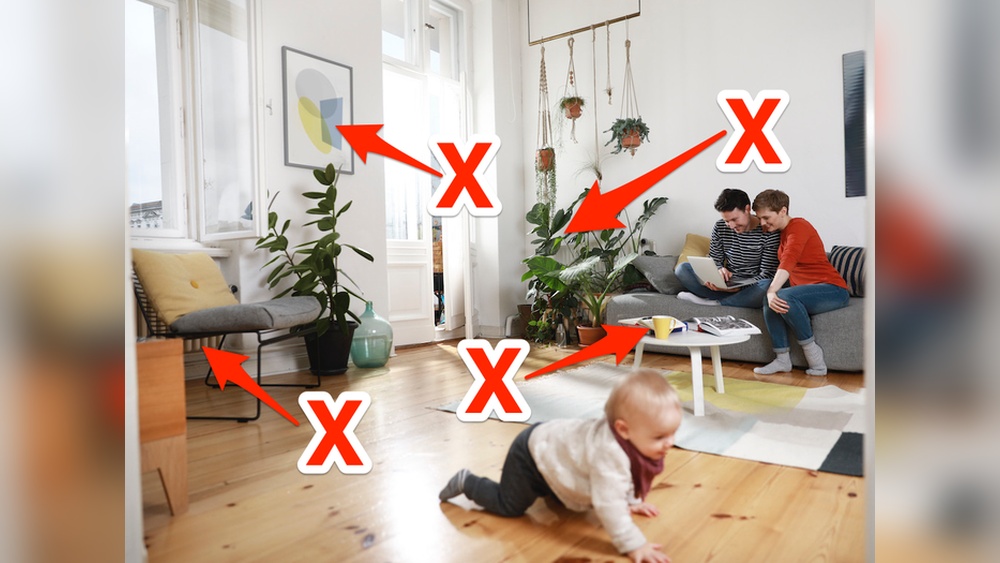
The living room is a central space where families gather daily. It also holds many hazards for young children. Identifying these dangers helps create a safer environment. Parents and caregivers must stay alert to risks and hidden threats.
Common Risks For Kids
Sharp corners on tables and furniture can cause injuries. Unstable furniture may tip over if climbed on. Electrical outlets without covers pose a risk of shock. Loose cords from lamps or blinds can lead to strangulation. Small objects on the floor can cause choking hazards. Slippery rugs increase the chance of falls. Heavy items placed within reach may fall and hurt a child.
Hidden Dangers To Watch
Some risks are not obvious at first glance. Gaps behind furniture can trap tiny fingers. Open fireplaces or heaters can burn curious hands. Window blinds with long cords can be dangerous. Houseplants may be toxic if ingested. Remote controls and batteries can be swallowed easily. Loose batteries in toys also present a threat. Cleaning supplies and medications stored low are accessible to children.
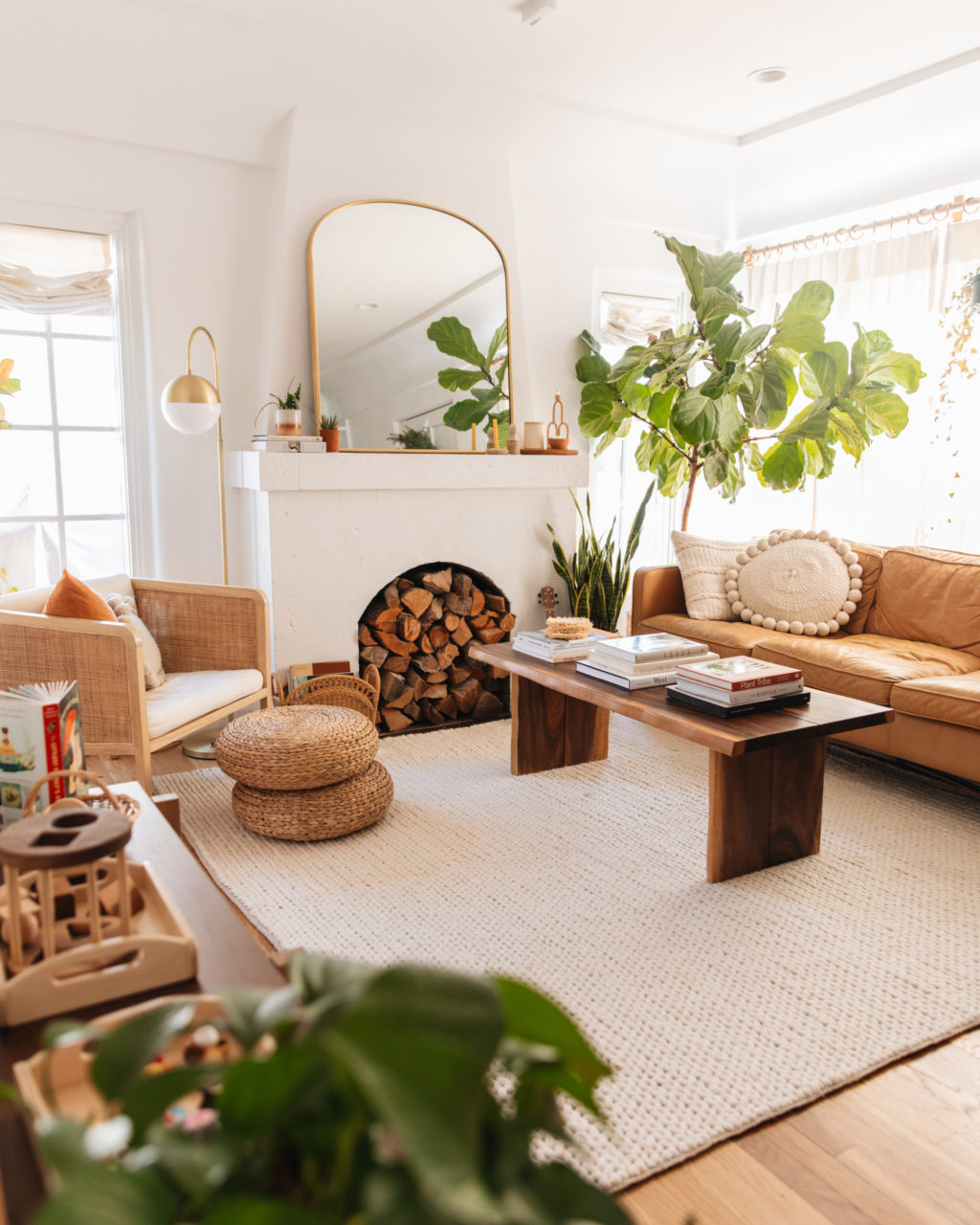
Credit: newdarlings.com
Safe Furniture Choices
Choosing safe furniture is key to creating a child-proof living room. Furniture can protect your child from injuries. It also keeps the room functional for adults. Picking the right pieces helps prevent accidents and makes your living room a safe place for play and rest.
Rounded Edges And Soft Materials
Furniture with rounded edges reduces the risk of bumps and cuts. Sharp corners can hurt a child quickly. Softer materials like padded cushions or fabric upholstery absorb impact. They are gentle on little hands and heads. Choose sofas and chairs with smooth curves. Avoid glass tables or hard, pointy surfaces.
Anchoring Heavy Items
Heavy furniture can tip over and cause serious injury. Secure tall shelves, cabinets, and TVs by anchoring them to the wall. Use brackets or straps designed for this purpose. This keeps heavy items stable even if a child pulls or climbs on them. Anchoring is a simple step that adds great safety to your living room.
Electrical Safety
Electrical safety is a top priority in a child-proof living room. Young children are curious and may touch outlets or pull on cords. These actions can lead to electric shocks or accidents. Creating a safe space means reducing these risks with simple, effective solutions. Parents can protect their children by focusing on outlet covers and cord management. Securing electronics also plays a key role in keeping the living room safe.
Outlet Covers And Cord Management
Outlet covers block access to electrical sockets. They prevent little fingers from poking inside. Choose covers that fit snugly and are hard to remove. Some designs simply plug into the outlet, while others snap on securely.
Managing cords reduces tripping hazards and stops children from pulling on wires. Use cord organizers or clips to keep cables neat and out of reach. Hide cords behind furniture or inside cable covers to limit access. This keeps the living room tidy and safe at the same time.
Securing Electronics
Electronics such as TVs, gaming consoles, and speakers can be dangerous if tipped over. Anchor heavy items to the wall or secure them with straps. This prevents accidents caused by climbing or pulling.
Keep remote controls, chargers, and small devices out of reach. Store them in drawers or on high shelves. This stops children from chewing on cords or accidentally damaging electronics.
Window And Door Security
Securing windows and doors in the living room is vital for child safety. These entry points can pose risks if left unprotected. Proper security stops children from opening them on their own. It also prevents accidental falls or escapes. Simple measures can make a big difference in keeping your child safe. Below are effective solutions to enhance window and door security.
Childproof Locks And Guards
Childproof locks keep windows and doors firmly shut. They are easy for adults to use but hard for children. Window guards add an extra layer of safety. They prevent windows from opening wide enough for a child to slip through. Many locks fit various window types and door styles. Choose locks that are durable and simple to install. These devices also help reduce drafts and improve energy efficiency.
Alternatives To Door Monkey Locks
Door monkey locks may not suit every home or door handle. There are safe and effective alternatives. Top-of-the-door locks like GlideLok fit over the door’s edge. They work well on lever handles and stay out of children’s reach. Plastic doorknob covers snap over handles to block grip. Adjustable strap latches, such as Door Buddy, keep doors slightly open or closed. Some DIY options use rubber bands for quick fixes. These solutions improve safety without damaging doors or handles.
Storage And Organization
Keeping a living room organized and safe is key to childproofing. Proper storage helps avoid accidents and keeps dangerous items out of reach. Smart organization reduces clutter and creates a calm space for both kids and adults.
Choosing the right storage solutions supports safety and easy cleanup. Cabinets and drawers must be secured to prevent children from accessing harmful objects. Medication and small items need special attention to ensure they stay out of curious hands.
Cabinet And Drawer Locks
Install locks on all cabinets and drawers within children’s reach. These locks stop little hands from opening doors and pulling out unsafe items. Choose locks that are easy for adults to use but hard for kids to open.
Magnetic locks work well because they hide inside the cabinet. You need a special magnetic key to open them. Another option is adhesive strap locks, which stick on the outside and are simple to install.
Keep cleaning supplies, sharp objects, and fragile items locked away. This method reduces risks and gives peace of mind.
Safe Medication Storage
Store all medications in a secure, high cabinet or locked box. Medicines can be harmful if swallowed by children. Use a lockable container designed for medicine to keep pills and syrups safe.
Label the container clearly and keep it out of the reach and sight of children. Never leave medications on tables or counters, even for a short time.
Teach older children that medicine is not candy and should only be taken with adult supervision.
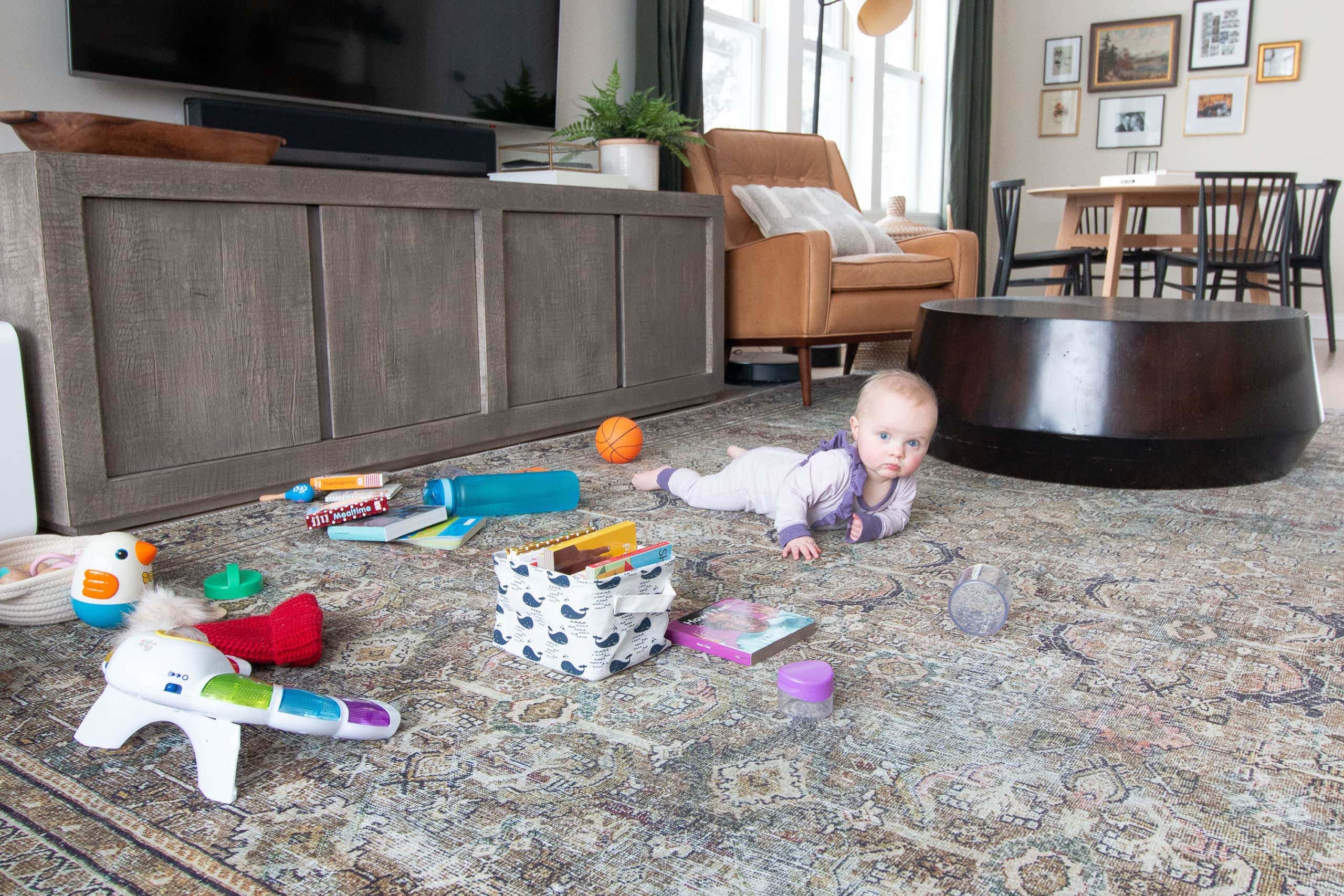
Credit: www.scala-santa.com
Toy And Play Area Setup
Setting up a toy and play area in the living room helps keep children entertained and safe. This space should be clearly defined to avoid clutter and hazards. A well-organized play zone encourages kids to enjoy their toys while parents relax nearby. Safety is the top priority in this setup to prevent accidents and injuries.
Designated Play Zones
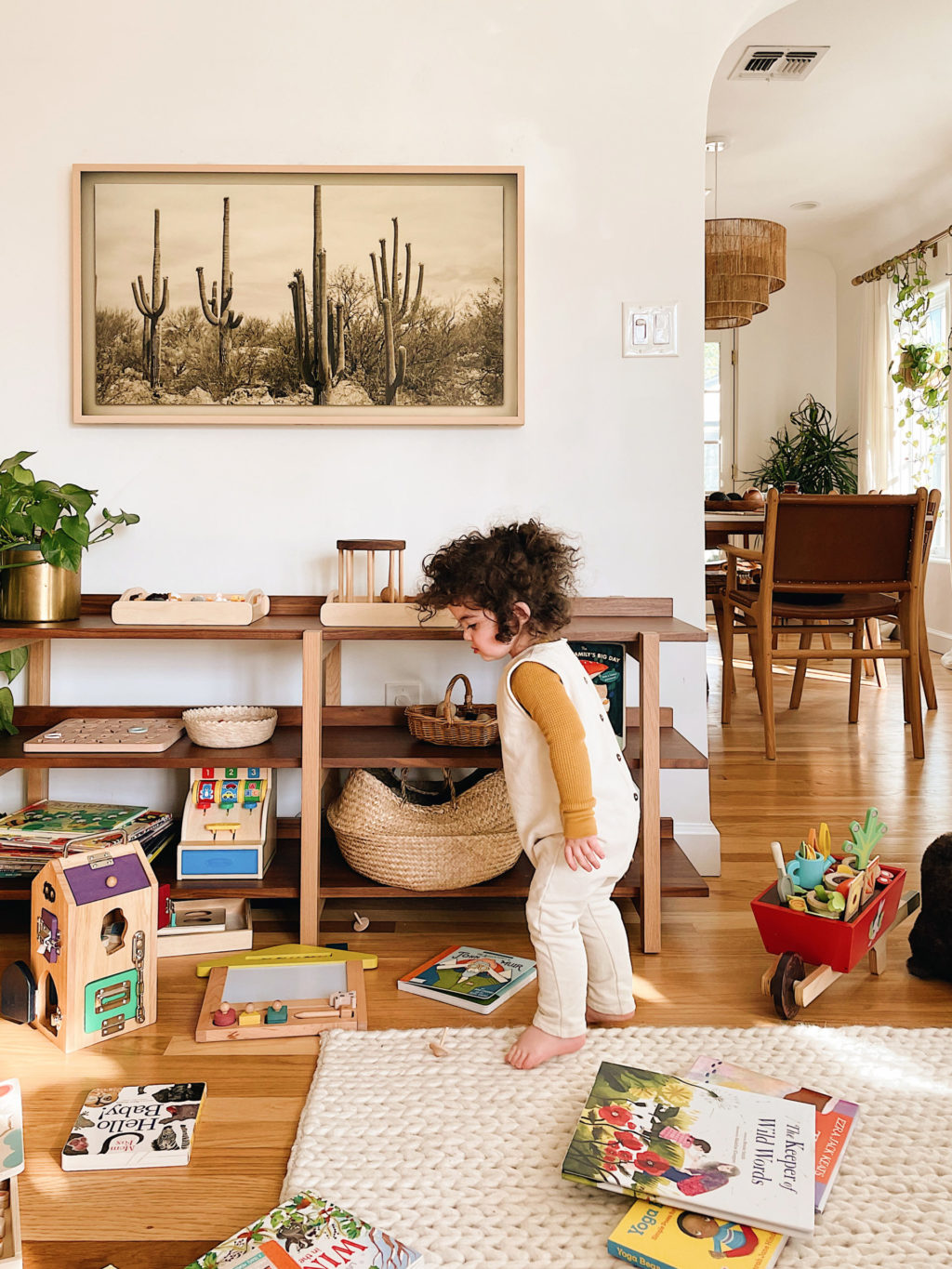
Create a specific corner or area for play within the living room. Use rugs or mats to mark the space visually and physically. This helps contain toys and keeps the rest of the room tidy. Choose soft, cushioned flooring to protect children from falls. Keep the zone near seating so adults can watch easily. Clear boundaries teach kids where to play and where not to.
Safe Toy Selection
Select toys that suit your child’s age and abilities. Avoid small parts that can cause choking hazards. Choose toys made from non-toxic, durable materials for long-term use. Check for sharp edges or loose pieces before allowing play. Store toys in bins or shelves with rounded corners. Regularly clean toys to maintain hygiene and safety.
Decor And Accessories
Decor and accessories shape the look and feel of a living room. Choosing the right items creates a safe space for children and adults alike. Thoughtful selection helps prevent accidents and keeps the room stylish. Balance safety with comfort and fun to make your living room welcoming for the whole family.
Avoiding Choking Hazards
Small decor pieces can pose choking risks for young children. Avoid items smaller than a child’s fist. Skip tiny decorations like beads, buttons, or loose parts. Keep accessories off low shelves and tables. Use large, soft toys or cushions instead. Secure any loose cords or strings from blinds and curtains. Regularly check the room for anything a child might swallow by mistake.
Child-friendly Decor Ideas
Choose furniture with rounded edges to prevent injuries. Soft rugs and cushions add comfort and safety. Use washable slipcovers for easy cleaning. Bright colors and playful patterns make the space cheerful. Wall decals or framed prints can add fun without clutter. Store toys in low, accessible bins to encourage tidiness. Select sturdy items that won’t tip over easily. These choices keep the room safe and inviting for children.
Credit: patrioti.club
Water Safety Tips
Water safety in the living room is crucial for families with young children. Small amounts of water can still pose risks. Teaching safety and setting up the room properly helps prevent accidents. Simple steps reduce dangers around water sources.
Managing Indoor Water Features
Indoor water features like fountains or small aquariums can attract kids. Place these items out of reach or behind sturdy barriers. Use secure lids on aquariums to avoid spills or access. Check water levels regularly to prevent overflow. Avoid electric cords near water to reduce hazards.
Preventing Drowning Risks
Even shallow water can cause drowning risks for toddlers. Never leave water unattended, even for a short time. Empty buckets, bowls, or containers immediately after use. Use childproof locks on doors leading to rooms with water. Educate children about water dangers early on.
Diy Safety Solutions
Making your living room safe for children does not require expensive tools.
Simple DIY safety solutions can protect your child from common hazards.
These easy fixes often use items already in your home.
They help create a secure space without changing the room’s style.
Using Everyday Items For Proofing
Soft foam pipe insulation works great on sharp furniture corners.
Rubber bands around door handles can keep doors slightly open.
Old socks make perfect covers for small table legs to prevent bumps.
Velcro strips hold loose rugs firmly to the floor to stop slipping.
Plastic cups can cover electrical outlets to keep curious fingers out.
Simple Locking Hacks
Use childproof cabinet locks to keep harmful items out of reach.
Install magnetic locks inside drawers for hidden, secure storage.
Zip ties can secure cords and cables, avoiding tripping hazards.
Door lever locks prevent children from entering unsafe rooms.
DIY strap latches made from fabric or belts keep cabinets closed.
Maintaining Safety Over Time
Keeping your living room safe for children is an ongoing task. Safety measures need constant attention and updates. A secure environment grows with your child, matching their changing needs. Staying alert helps prevent accidents and keeps the space comfortable for everyone.
Regular Safety Checks
Check furniture and anchors often to ensure stability. Replace or repair any broken safety devices quickly. Look for new hazards as your child explores more. Keep electrical outlets covered and cords out of reach. Clean floors regularly to avoid slips and trips. These checks help maintain a safe living room every day.
Adapting As Kids Grow
Adjust safety tools as your child becomes more active. Move fragile decorations out of their reach. Swap baby gates for stair railings or door locks. Add soft corner protectors on furniture edges if needed. Teach older kids about safe behavior in the living room. Change the layout to support both play and rest safely.
Frequently Asked Questions
How To Childproof A Living Room?
Use outlet covers and secure cords out of reach. Lock cabinets and drawers. Anchor heavy furniture. Avoid sharp edges and keep small items away. Install window locks and store medications safely.
What Can You Use Instead Of Door Monkey?
Alternatives to Door Monkey include top-of-door locks like GlideLok, plastic doorknob covers, adjustable strap latches like Door Buddy, and DIY rubber band tricks. These options secure doors safely and keep children out effectively.
How To Child Proof A Couch?
Secure sharp edges with corner guards. Use washable, stain-resistant slipcovers. Anchor the couch to prevent tipping. Remove small cushions and choking hazards. Keep cords and breakables out of reach.
How Much Does It Cost To Babyproof A House?
Babyproofing a house typically costs between $100 and $300. Prices vary based on home size and safety products needed.
Conclusion
Creating a safe living room for children takes thoughtful planning. Use simple steps like covering outlets and securing furniture. Choose sturdy, rounded furniture to avoid sharp edges. Keep cords and small items out of reach to prevent accidents. Soft rugs add comfort and reduce slips.
Childproofing helps your child explore safely and gives you peace of mind. Small changes make a big difference in your home’s safety. Enjoy a cozy space where both kids and adults feel relaxed and secure.