
Imagine facing a sudden emergency without a clear plan—how would you protect yourself and your loved ones? That’s where emergency preparedness comes in.
It’s more than just having supplies on hand; it’s about taking smart, proactive steps to stay safe before, during, and after a crisis. You’ll discover exactly what emergency preparedness means, why it’s crucial for you, and how simple actions can make a huge difference when disaster strikes.
Keep reading to empower yourself with knowledge that could save lives—including your own.
Credit: aspr.hhs.gov
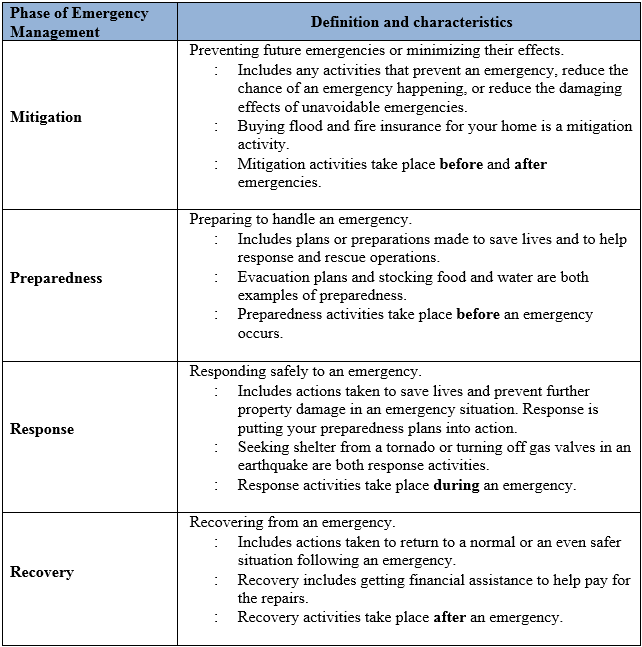
Credit: health.wyo.gov
Frequently Asked Questions
What Is The Meaning Of Emergency Preparedness?
Emergency preparedness means planning and taking actions to stay safe during disasters. It includes creating plans, training, and gathering supplies.
What Are The 5 Phases Of Emergency Preparedness?
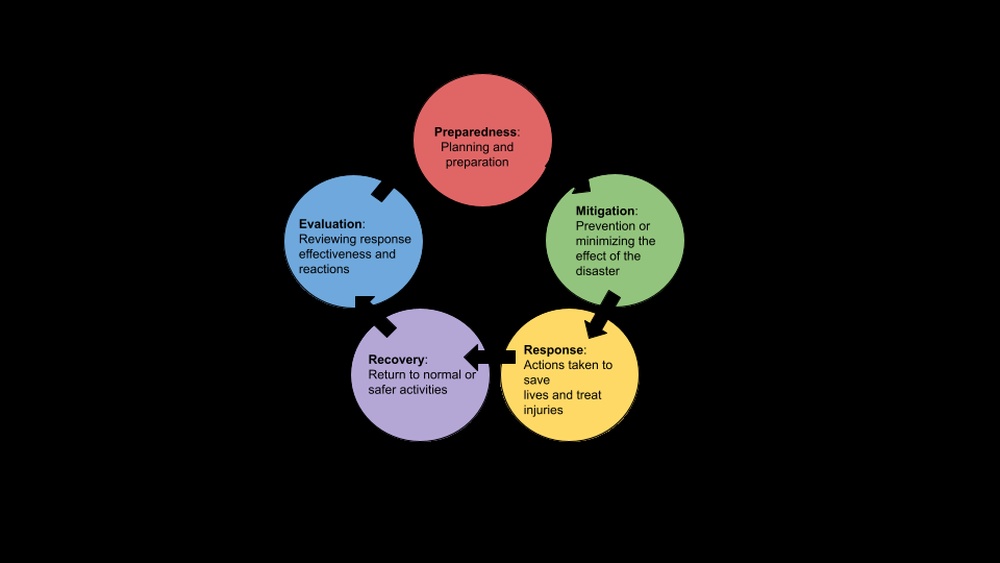
The five phases of emergency preparedness are: mitigation, preparedness, response, recovery, and evaluation. Each phase ensures safety and effective disaster management.
How Does Fema Define Preparedness?
FEMA defines preparedness as actions taken before disasters to plan, organize, train, and equip individuals and communities. It minimizes risks and ensures effective response.
What Are The 5 P’s Of Preparedness?
The 5 P’s of preparedness are: Proper Planning, Preparation, Prevention, Protection, and Practice. These ensure effective emergency readiness and response.
Conclusion
Emergency preparedness means planning ahead for possible dangers. It helps protect you and your loved ones during emergencies. Simple actions like making a plan and gathering supplies save lives. Practicing drills builds confidence and quick response skills. Knowing risks in your area guides smart preparation steps.
Clear communication keeps everyone informed and safe. Staying ready reduces panic and confusion in tough times. Taking small, steady steps now leads to greater safety later. Preparedness is a shared responsibility that strengthens communities. Start today for a safer tomorrow.