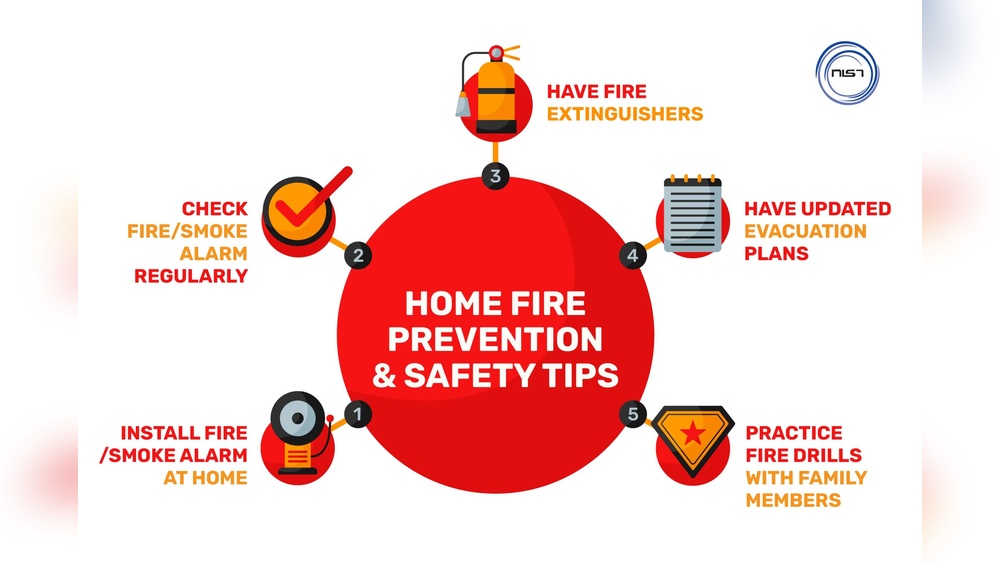

Your home should be your safest place, but fire risks are real and can strike when you least expect them. Imagine the peace of mind you’ll feel knowing you’ve taken simple, effective steps to protect your family and belongings from fire hazards.
You’ll discover practical tips that anyone can follow to prevent fires at home. From everyday habits to essential safety devices, these strategies are designed to keep you safe without overwhelming your routine. Keep reading—because when it comes to fire prevention, being prepared isn’t just smart, it’s life-saving.
Fire Risks In Homes
Fire risks in homes are a serious concern for every family. Understanding these risks helps protect your loved ones and property. Most house fires start from common mistakes or overlooked hazards. Awareness of these dangers allows you to take action early.
Many fires begin unexpectedly and spread quickly. Knowing where fires often start and what causes them can keep your home safe. Prevention starts with identifying risks and reducing them.
Common Causes Of House Fires
Cooking is the leading cause of house fires. Leaving food unattended or grease buildup can ignite flames fast. Electrical faults also contribute to many fires. Faulty wiring, overloaded outlets, and damaged cords pose dangers. Heating equipment like space heaters and fireplaces can spark fires if not used carefully. Smoking indoors increases the risk, especially if cigarettes are not fully extinguished. Candles left burning unattended are another common cause. Flammable liquids stored improperly can catch fire easily.
High-risk Areas To Monitor
The kitchen is the most dangerous spot for fires. Always watch over cooking and keep flammable items away. The living room needs attention, especially around heaters and electrical devices. Bedrooms can be risky if people smoke or use candles. Check electrical outlets and cords regularly throughout the house. Storage areas with chemicals or flammable materials require careful monitoring. Garages and basements often contain potential fire hazards like gasoline or paint. Regular inspections of these areas help catch risks early.
Smoke Alarms And Detectors
Smoke alarms and detectors are essential tools for fire safety at home. They provide early warnings that can save lives and reduce damage. Installing the right smoke alarms and keeping them in good condition helps prevent fires from becoming disasters.
Choosing The Right Smoke Alarms
Select smoke alarms that suit your home’s needs. Ionization alarms detect fast, flaming fires. Photoelectric alarms respond better to slow, smoldering fires. Combination alarms offer both protections. Choose alarms that meet safety standards and have a loud, clear sound.
Proper Installation And Maintenance
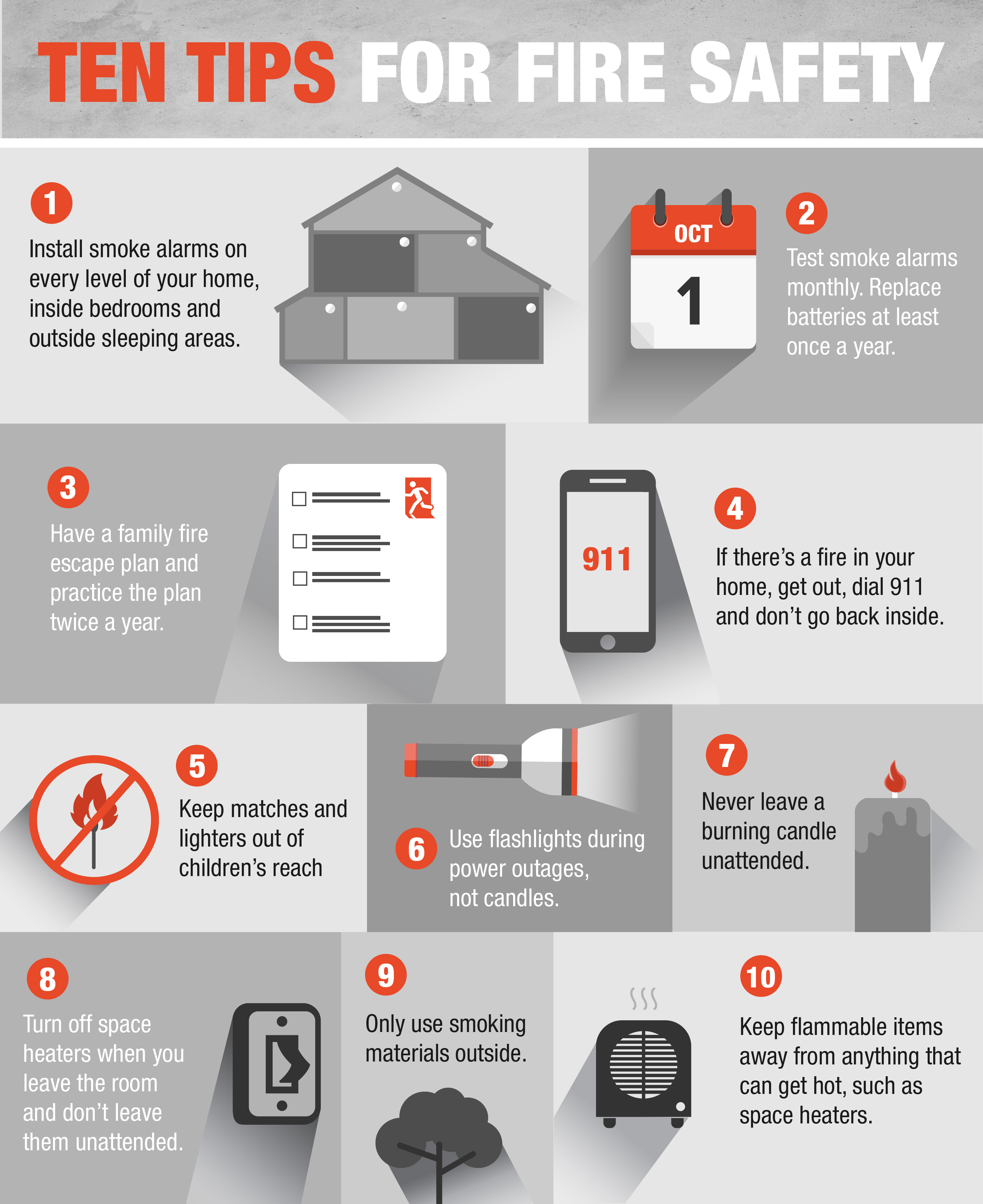
Install smoke alarms on every floor, inside bedrooms, and near living areas. Place them on ceilings or high on walls, away from windows or vents. Avoid installing alarms too close to kitchens to reduce false alarms. Clean alarms regularly to remove dust and debris. Keep them free from paint or other obstructions.
Testing And Replacing Batteries
Test smoke alarms monthly to ensure they work correctly. Press the test button until the alarm sounds. Replace batteries at least once a year or when the alarm chirps. Use the recommended battery type for your alarm. Replace the entire smoke alarm every 10 years to maintain safety.
Safe Cooking Practices
Safe cooking practices play a crucial role in preventing fires at home. The kitchen is a common place for fire accidents. Taking simple precautions can keep your family and property safe. Understanding how to avoid risks while cooking is key to fire safety.
Avoiding Kitchen Fires
Keep flammable items like towels and paper away from the stove. Never leave cooking food unattended. Grease fires can start quickly, so stay alert. Use a timer to remind yourself to check food. Clean cooking surfaces to prevent buildup of grease and food particles.
Using Appliances Safely
Check appliances for damage before use. Follow manufacturer instructions carefully. Turn off appliances after cooking is done. Avoid overloading electrical outlets with multiple devices. Use appliances with automatic shut-off features when possible.
Supervising Children In The Kitchen
Keep children away from hot surfaces and sharp objects. Teach them about kitchen dangers in simple terms. Assign safe tasks like washing vegetables or stirring ingredients. Always watch children closely while they help. Create a safe kitchen zone where kids cannot reach hot pots or knives.
Credit: corporate.homedepot.com
Electrical Safety
Electrical safety is crucial for preventing fires at home. Faulty wiring and improper use of electrical devices cause many house fires. Taking simple steps can protect your family and property.
Check your electrical system regularly. Safe practices reduce the chance of sparks and overheating. Learn key tips to handle electrical safety with care.
Inspecting Wires And Cords
Look at all wires and cords often. Frayed, cracked, or damaged cords can start fires. Replace any worn or broken cords immediately. Avoid using wires that feel hot or smell burnt. Keep cords away from heat and water to prevent damage.
Avoiding Overloaded Outlets
Do not plug too many devices into one outlet. Overloaded outlets can overheat and catch fire. Use power strips with circuit breakers for extra devices. Spread out appliances to different outlets in the room. Unplug devices when not in use to lower fire risks.
Using Extension Cords Correctly
Only use extension cords for temporary needs. Choose cords rated for the device’s power. Do not connect multiple extension cords together. Keep cords untangled and away from foot traffic. Avoid running cords under rugs or furniture where they can overheat.
Heating Equipment Tips
Heating equipment is a leading cause of home fires. Taking simple steps keeps your family and house safe. Proper use and care of heaters and fireplaces reduce fire risks. Follow these essential heating equipment tips to prevent fires at home.
Safe Use Of Space Heaters
Place space heaters on flat, stable surfaces away from anything flammable. Keep at least three feet of clearance around heaters. Never leave space heaters unattended or while sleeping. Use heaters with an automatic shut-off feature for extra safety. Avoid plugging heaters into extension cords or power strips. Regularly check cords and plugs for damage or wear.
Maintaining Fireplaces And Chimneys
Clean fireplaces and chimneys yearly to remove creosote buildup. Creosote is highly flammable and can ignite easily. Use a chimney cap to keep out debris and animals. Check for cracks or damage in the chimney structure. Always use a fire screen to prevent sparks from escaping. Burn only dry, seasoned wood to reduce smoke and buildup.
Proper Storage Of Flammable Materials
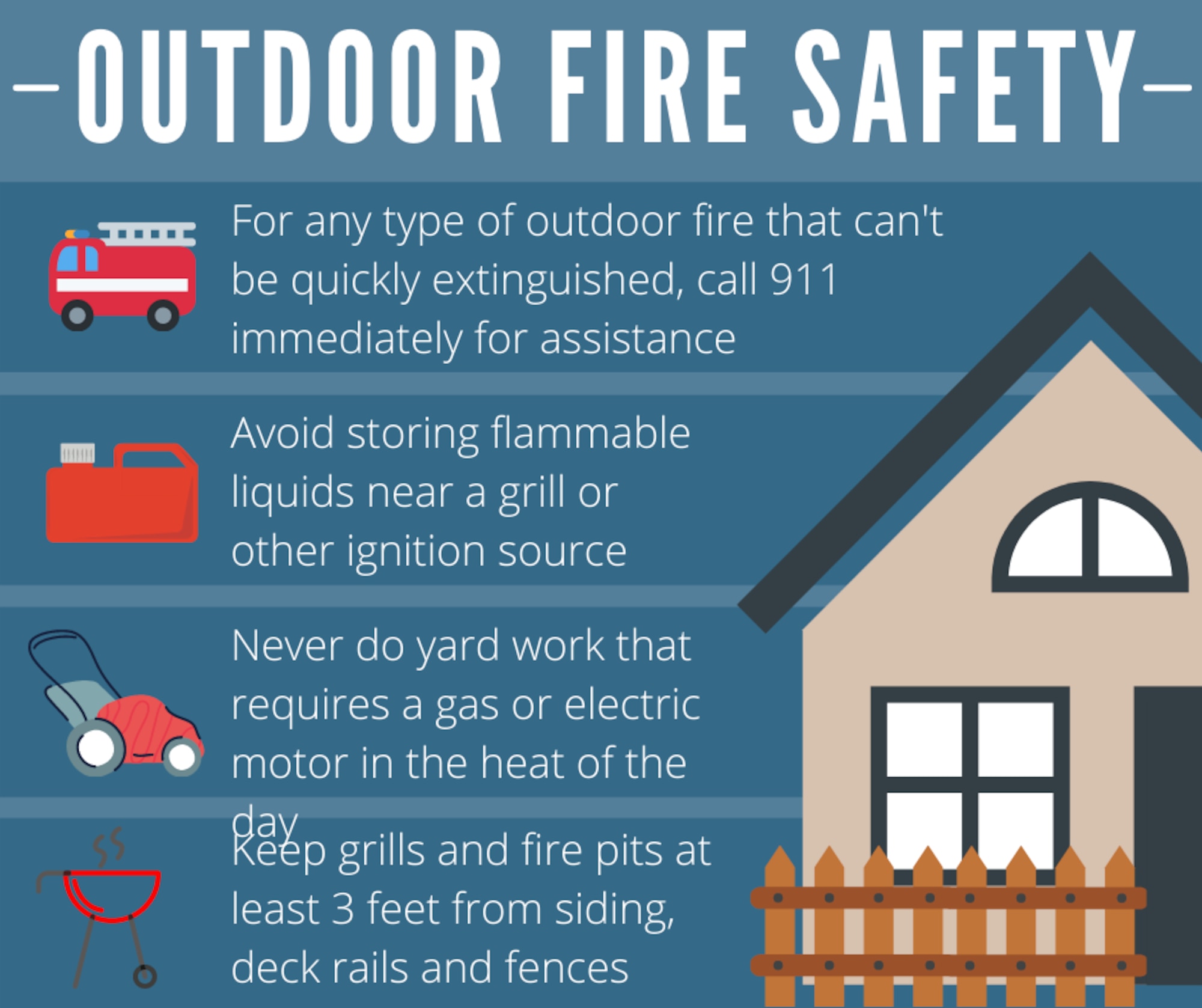
Store flammable liquids far from heating sources and open flames. Use approved containers designed for flammable materials. Keep storage areas cool, dry, and well-ventilated. Avoid storing excess fuel or chemicals inside the home. Dispose of oily rags or waste properly to prevent spontaneous combustion. Limit the amount of flammable items near heating equipment.
Fire Safety For Children
Teaching children fire safety helps protect them from harm. Kids must understand dangers and how to act fast. Simple lessons can save lives and reduce fear during emergencies.
Start with clear, easy steps. Use words children know. Repeat often to build strong habits. Practice makes safety second nature.
Teaching Fire Alarm Sounds
Explain what the fire alarm sound means. Let children hear it in a safe setting. Teach them to stop, drop, and crawl low if they hear it. Make sure they know the alarm means leave quickly.
Play the alarm sound during drills. Ask children to tell you what they should do. Praise their quick answers. This helps them remember the sound and its meaning.
Establishing Escape Plans
Create a simple escape plan with your child. Show all exits from each room. Practice walking the route together. Use clear, calm language about where to go.
Teach children to never hide during a fire. Remind them to leave all toys and pets behind. The goal is to get outside fast and safe. Make drills fun and regular to build confidence.
Designating A Meeting Spot
Pick a safe meeting spot outside the house. Choose a place easy for children to find. It could be a tree, a mailbox, or a neighbor’s porch.
Teach children to go there after escaping. Practice going to the spot during fire drills. This helps adults know everyone is safe. It also helps children feel secure and calm.
Home Fire Escape Planning
Home fire escape planning is a vital step in protecting your family and property from fire dangers. Fires can spread quickly, leaving little time to react. Having a clear, practiced plan increases the chances of safely escaping. Everyone in the household should know the plan well.
Planning includes knowing all possible exit routes, practicing how to get out fast, and preparing essential items to take during an emergency. This preparation reduces panic and confusion during a real fire.
Mapping Multiple Exit Routes
Identify at least two ways to exit every room in your home. Doors and windows can both serve as exits. Mark these routes on a simple map and show it to all family members. Make sure all exits are easy to open and not blocked by furniture or locks. This helps avoid getting trapped if one exit is unsafe.
Practicing Fire Drills Regularly
Schedule fire drills at least twice a year. Practice how to leave the house quickly and safely. Teach children how to stay low to avoid smoke. Use a timer to see how fast everyone can get outside. These drills build confidence and muscle memory for emergencies.
Preparing Emergency Kits
Prepare a small emergency kit with essentials like water, a flashlight, and a whistle. Store it near your main exit so everyone can grab it quickly. Include important documents and medication if possible. Having a kit ready saves precious time and helps you stay calm.

Credit: www.jimstestandtag.com.au
Fire Prevention Technologies
Fire prevention technologies play a key role in protecting homes from fires. They reduce fire risks and help stop fires early. Using these technologies makes homes safer and gives families peace of mind. Here are some important fire prevention technologies to consider.
Installing Sprinkler Systems
Sprinkler systems activate automatically if fire starts. They spray water to control and put out flames quickly. These systems limit fire damage and give people more time to escape. Installing sprinklers in homes lowers fire risks significantly. They work even when no one is home.
Using Fire-resistant Building Materials
Building with fire-resistant materials helps stop fire spread. These materials burn slowly or not at all. Examples include fire-rated drywall, treated wood, and concrete. Fire-resistant materials protect walls, roofs, and floors. They increase the time to detect fire and react.
Security And Alarm Systems
Fire alarms warn residents early about smoke or fire. Many alarms connect to home security systems. Some send alerts directly to phones or monitoring centers. This fast warning helps save lives and property. Smoke detectors and carbon monoxide alarms work together for safety.
Community Fire Safety
Community fire safety plays a vital role in preventing fires at home. A united community creates a stronger defense against fire risks. Sharing knowledge and resources helps everyone stay safer. Working together, neighbors can spot hazards early and support quick responses. Fire safety is not just an individual task but a shared responsibility. Community efforts build trust and readiness, making homes and streets safer for all.
Local Fire Department Resources
Local fire departments offer many valuable resources for fire prevention. They provide free home safety inspections to identify risks. Firefighters give advice on smoke alarms and escape plans. Many departments host open houses to teach fire safety skills. They also provide educational materials tailored to your community. Using these resources can reduce fire hazards in your home.
Neighborhood Watch And Support
Neighborhood watch groups help spot fire dangers early. Neighbors watch for suspicious activity that might lead to fires. Sharing information quickly can prevent fire emergencies. These groups organize clean-up days to remove dry brush and debris. Support from neighbors can help elderly or disabled residents improve safety. A watchful neighborhood adds an extra layer of fire protection.
Fire Safety Education Programs
Fire safety education programs teach essential skills for all ages. Schools often include fire drills and safety lessons. Community centers offer workshops on using fire extinguishers and making escape plans. Education helps people understand how fires start and spread. It also encourages safe habits like proper use of electrical devices. Ongoing education keeps fire safety fresh in everyone’s mind.
Credit: www.safety.af.mil
Frequently Asked Questions
What Can I Do To Prevent House Fires?
Keep electrical cords in good condition and avoid overloading outlets. Install smoke detectors and check them regularly. Create and practice an escape plan. Store flammable materials safely and never leave cooking unattended. Maintain heating equipment and use fire-resistant building materials when possible.
What Is The 30/30/30 Rule For Fire?
The 30/30/30 rule for fire means evacuate if flames are within 30 feet, heat lasts 30 seconds, or smoke blocks visibility for 30 seconds.
What Are The 5 E’s Of Fire Prevention?
The 5 E’s of fire prevention are Education, Engineering, Enforcement, Economic Incentives, and Emergency Response. They promote safety awareness, safer environments, code compliance, financial motivation, and preparedness.
What Is The Best Home Fire Prevention?
The best home fire prevention includes installing smoke alarms, avoiding overloaded outlets, maintaining electrical systems, and practicing safe cooking. Regularly check fire extinguishers and create an escape plan to protect your family and property effectively.
Conclusion
Preventing fires at home saves lives and protects property. Simple actions make a big difference. Check electrical cords and avoid overloading outlets. Keep flammable items away from heat sources. Install smoke detectors and test them regularly. Plan escape routes and practice fire drills.
Stay alert when cooking or using heaters. Taking small steps now helps avoid danger later. Safety starts with awareness and careful habits every day. Stay safe, protect your loved ones, and keep your home fire-free.