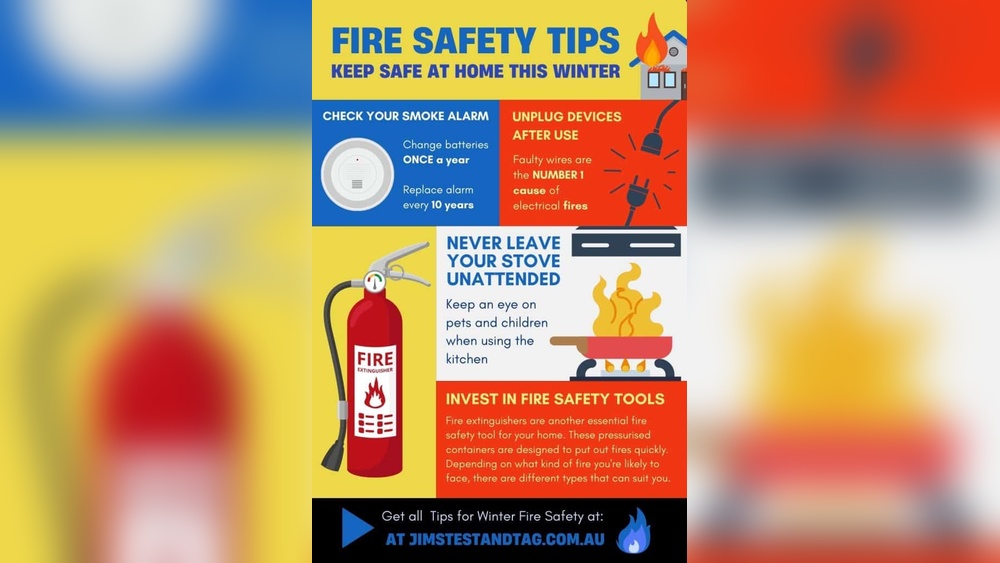

Your home should be your safe haven, but fire hazards can turn it into a dangerous place in moments. Do you know how to protect your family and belongings from the risk of fire?
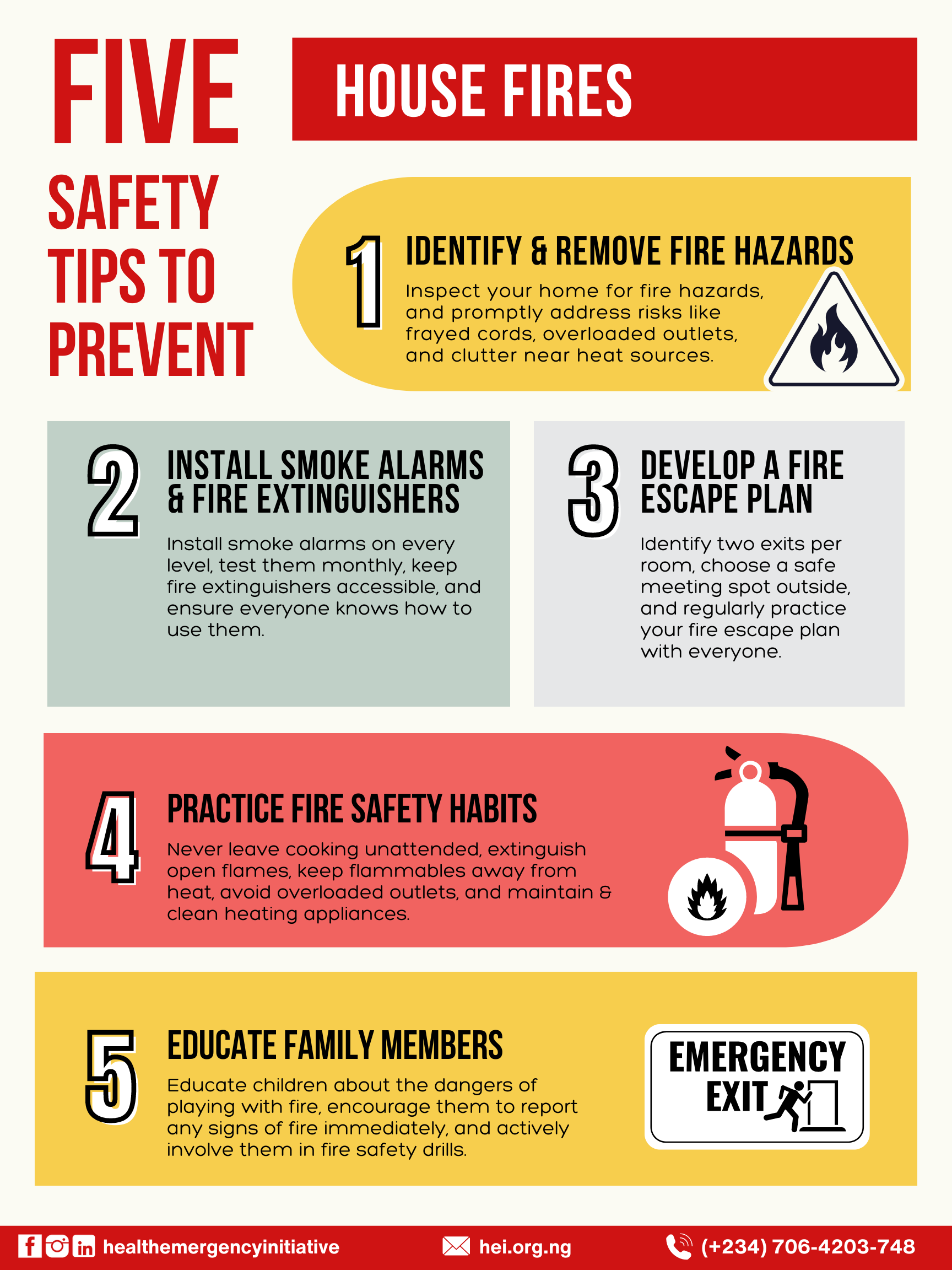
Simple steps can make a huge difference in preventing fires before they start. By taking a few practical actions—like installing smoke alarms, keeping flammable items away from heat, and having a clear escape plan—you can dramatically reduce the chances of a fire breaking out in your home.
Keep reading to discover easy, effective ways you can safeguard your home and ensure peace of mind for you and your loved ones.
Smoke Alarms
Smoke alarms are essential for home fire safety. They alert you early about smoke or fire. This gives you and your family time to escape. Proper use and care of smoke alarms can save lives and property. Follow these tips to keep your smoke alarms effective and reliable.
Placement Tips
Install smoke alarms on every floor of your home. Place them inside bedrooms and outside sleeping areas. Mount alarms on the ceiling or high on the wall. Keep them at least 10 feet from cooking appliances. Avoid placing alarms near windows, doors, or vents. This prevents false alarms from drafts or cooking smoke.
Testing And Maintenance
Test your smoke alarms once a month. Press the test button to check the sound. Replace batteries at least once a year or when the alarm beeps. Clean alarms regularly by gently vacuuming around them. Replace smoke alarms every 10 years to ensure they work well. Proper maintenance keeps alarms ready to alert you in danger.
Credit: hei.org.ng
Fire Escape Plan
Creating a fire escape plan is vital for every household. It prepares everyone to leave quickly and safely during a fire. A clear plan reduces panic and confusion. It increases the chances of everyone getting out unharmed.
Exit Routes
Identify at least two exit routes from each room. Use doors and windows that open easily. Make sure these paths are free of clutter. Mark these exits on a simple map for everyone to see. Knowing the exits helps you escape fast in an emergency.
Meeting Spot
Choose a safe meeting spot outside your home. It should be a fixed place everyone knows well. This spot helps you check if all family members are safe. Pick a location far enough from your house to avoid danger. A clear meeting spot keeps everyone accounted for.
Practice Drills
Practice your fire escape plan twice a year. Run drills at different times of the day. This helps everyone remember the steps and stay calm. Teach children how to crawl low under smoke. Regular practice makes the plan effective in real situations.
Managing Flammable Materials
Managing flammable materials is key to stopping fires at home. These items can catch fire easily. Handling them correctly lowers fire risks. Simple actions make your home safer. Learn how to store and place these materials wisely.
Safe Storage
Keep flammable liquids in their original containers. Use tightly sealed lids to avoid spills. Store them in cool, dry places away from children. Avoid keeping them near food or drinks. Use metal cabinets if possible. Label containers clearly to prevent confusion.
Distance From Heat
Place flammable materials far from heat sources. Keep them away from stoves, heaters, and open flames. Maintain at least three feet of distance. Never store them near electrical outlets or devices. This reduces the chance of accidental ignition. Always check the area before using heat.
Credit: certifiedrestorationinc.com
Space Heater Safety
Space heaters provide quick warmth during cold days. They are handy but can cause fires if not used carefully. Knowing how to use space heaters safely helps protect your home and family.
Safe Operation Space
Place space heaters on flat, stable surfaces. Keep them away from edges to prevent tipping. Use heaters with automatic shut-off features for extra safety. Plug heaters directly into wall outlets. Avoid using extension cords or power strips. Turn off heaters before leaving the room or going to sleep.
Avoiding Combustibles
Keep all flammable items at least three feet away from heaters. This includes curtains, papers, blankets, and furniture. Do not dry clothes on or near space heaters. Store combustible materials like cleaning supplies far from heat sources. Clear the area around heaters to reduce fire risks. Regularly check for dust buildup, which can ignite easily.
Electrical Safety
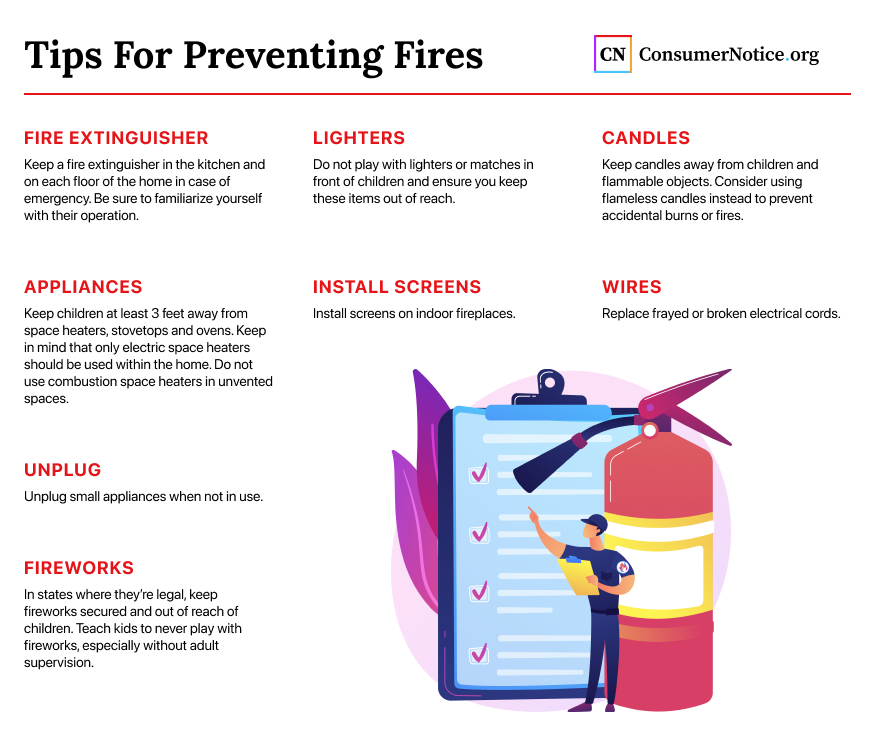
Electrical safety is crucial to prevent fires at home. Faulty wiring and damaged cords can spark fires quickly. Taking simple safety steps reduces risks significantly. Understanding basic electrical safety helps protect your household and property.
Inspecting Cords And Appliances
Check all electrical cords regularly for damage. Look for cracks, frays, or exposed wires. Damaged cords can cause sparks and start fires. Replace cords that show wear or defects immediately. Unplug appliances before inspecting to avoid shocks. Ensure appliances are in good working order and do not overheat.
Avoiding Overloads
Do not plug too many devices into one outlet. Overloading outlets can cause overheating and fires. Use power strips with built-in circuit breakers for extra safety. Spread electrical devices across multiple outlets. Avoid using extension cords for long periods. Turn off appliances when not in use to reduce fire risks.
Credit: www.consumernotice.org
Kitchen Safety
The kitchen is a common place for fires to start in the home. Many fires happen because of careless cooking habits. Following simple safety steps can greatly reduce this risk. Keeping the kitchen safe protects your family and property.
Supervision While Cooking
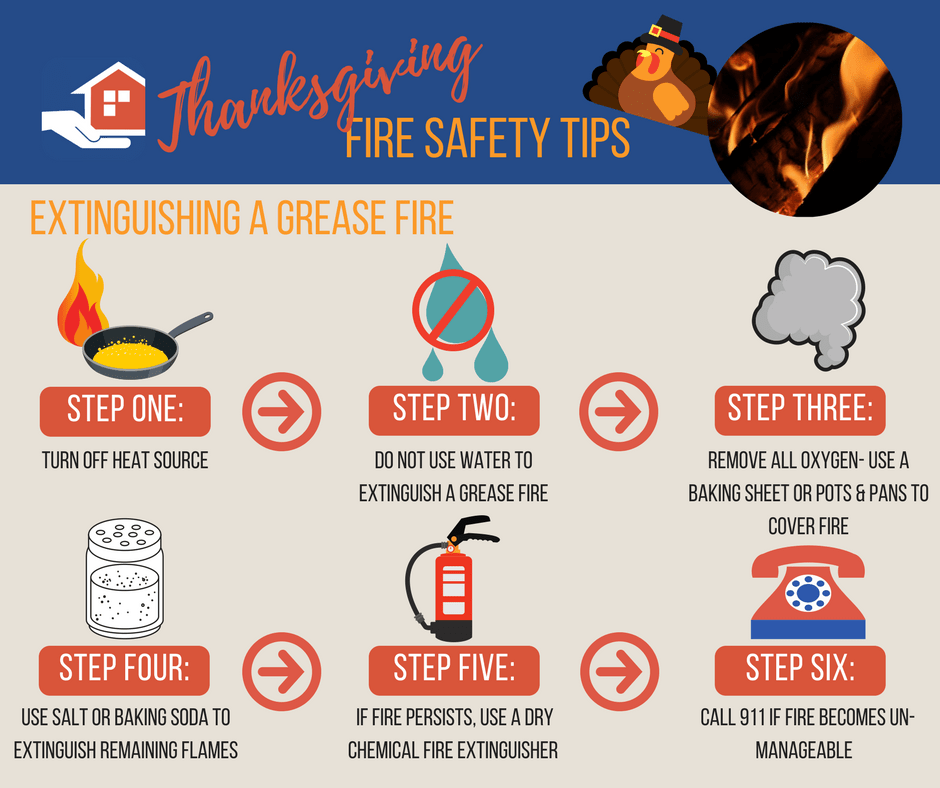
Never leave food cooking unattended on the stove or in the oven. Stay close and check frequently. Unattended cooking is a top cause of kitchen fires. If you must leave, turn off the heat or ask someone to watch the food.
Keeping Flammables Away
Keep flammable items far from heat sources. This includes towels, paper, and curtains. Store cooking oils and sprays away from the stove. Clear the area around burners to prevent accidental fires. A clean space lowers fire risks.
Pot Handle Positioning
Turn pot and pan handles inward on the stove. This prevents them from being bumped or grabbed by children. Handles sticking out can cause spills and fires. Proper positioning keeps everyone safer while cooking.
Frequently Asked Questions
What Are 5 Ways To Prevent Fires?
Install smoke alarms on every home level and test monthly. Create and practice a fire escape plan. Keep flammable materials away from heat sources. Inspect and maintain electrical appliances regularly. Never leave cooking unattended and keep flammable items away from stoves.
What Are The 10 Tips To Prevent House Fires?
1. Install smoke alarms on every home level and test monthly. 2. Create and practice a fire escape plan twice yearly. 3. Keep flammable items away from heat sources. 4. Use space heaters with ample clearance. 5. Inspect and replace damaged electrical cords.
6. Avoid overloading outlets. 7. Never leave cooking unattended. 8. Keep pot handles turned inward. 9. Store chemicals safely. 10. Maintain clear exits and avoid clutter.
What Is The 30/30/30 Rule For Fire?
The 30/30/30 rule for fire means evacuate if wind speed exceeds 30 mph, temperature is over 30°C, and humidity is below 30%.
What Are The 5 E’s Of Fire Prevention?
The 5 E’s of fire prevention are Education, Engineering, Enforcement, Economic incentives, and Emergency response. They help reduce fire risks effectively.
Conclusion
Preventing fires at home keeps your family safe and secure. Regularly test smoke alarms to ensure they work well. Keep flammable items away from heat sources. Always watch cooking closely and handle electrical devices carefully. Practice your fire escape plan with everyone in your house.
Small steps can stop big fires before they start. Stay alert and prepared to protect your home. Fire safety is simple when you follow clear, easy rules. Your efforts make a real difference in preventing home fires.