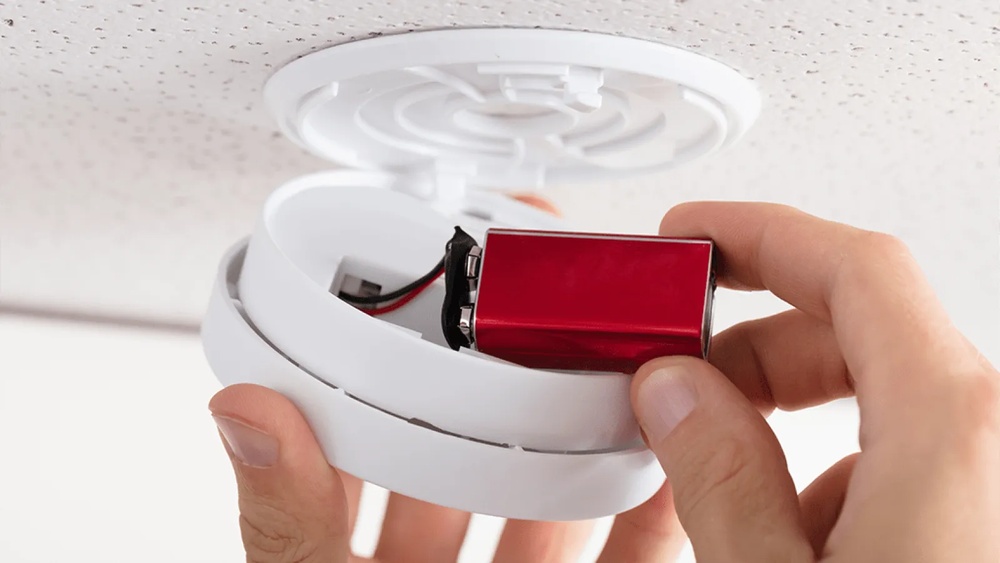

Is your hardwired smoke detector constantly chirping, driving you crazy? That annoying beep can interrupt your peace and make it hard to focus or sleep.
You want to stop the noise fast, but you might not know where to start. Don’t worry—this guide will help you understand why your smoke detector is chirping and show you simple steps to fix it for good. Keep reading to regain your quiet and feel safe in your home again.

Credit: waynealarm.com
Common Causes Of Chirping
Chirping sounds from a hardwired smoke detector can be annoying and confusing. These sounds are alerts to let you know something needs attention. Understanding the common causes of chirping helps fix the problem fast. This section explains the main reasons your smoke detector might chirp.
Low Battery Issues
Even hardwired smoke detectors have backup batteries. These batteries work during power outages. When the battery runs low, the detector chirps to warn you. Changing the backup battery often stops the chirping sound.
Power Supply Interruptions
Hardwired smoke detectors rely on electrical power from your home. If the power cuts off or fluctuates, the detector may chirp. Loose wiring or a tripped breaker can cause this. Checking the power supply keeps the detector working smoothly.
Dust And Debris
Dust and dirt can build up inside the smoke detector. This buildup can cause false alarms or chirping sounds. Cleaning the detector gently with a vacuum or soft brush removes dust. Regular cleaning helps prevent annoying chirps.
End Of Life Warning
Smoke detectors do not last forever. Most have a life span of about 8 to 10 years. When the detector nears its end, it starts chirping to signal replacement. Replacing old detectors ensures your safety and peace of mind.

Credit: www.youtube.com
Safety Precautions Before Fixing
Before fixing a hardwired smoke detector that keeps chirping, safety must come first. Handling electrical devices without care can cause injury or damage. Taking the right precautions protects you and your home. Follow these simple steps to stay safe while working on your smoke detector.
Turn Off Power
Switch off the power at the circuit breaker. Do not rely only on the smoke detector’s test button. Use a voltage tester to confirm no electricity flows to the device. This step prevents electric shocks during repair.
Use Proper Tools
Select tools that fit the job. Use insulated screwdrivers and pliers made for electrical work. Avoid makeshift tools that can slip or break. Proper tools help you work quickly and safely.
Wear Safety Gear
Put on safety glasses to protect your eyes. Wear gloves to reduce the risk of electric shock. Use a dust mask if the detector has dust buildup. Safety gear keeps you safe from physical and electrical harm.
Quick Fixes To Stop Chirping
Chirping smoke detectors can be very annoying, especially at night. These sounds often warn you about small issues that need quick attention. Fixing the chirp fast keeps your home safe and quiet. Here are simple steps to stop a hardwired smoke detector from chirping.
Replace Backup Battery
Even hardwired smoke detectors have backup batteries. These batteries keep the alarm working during power outages. A low battery often causes the chirping sound. Open the detector cover and remove the old battery. Replace it with a fresh one that fits your model. Close the cover and listen. The chirping should stop right away.
Reset The Detector
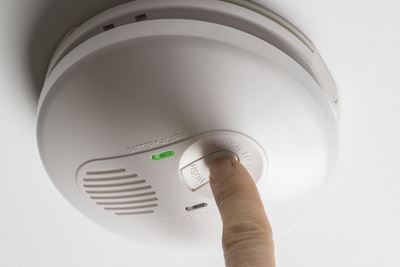
Sometimes, the smoke detector needs a reset to clear errors. Press and hold the reset button for about 15 seconds. This action clears the memory and stops false alarms. If the chirping continues, try turning off the power at the circuit breaker. Wait a minute, then turn it back on. This resets the device fully.
Clean The Smoke Detector
Dust and dirt can cause false alarms and chirping. Use a soft brush or vacuum with a soft nozzle. Gently clean the detector’s vents and sensor area. Avoid wet cleaning or spraying liquids inside the unit. Regular cleaning keeps your smoke detector working well and chirp-free.
Check Power Connections
Loose or damaged wiring can cause your smoke detector to chirp. Turn off the power before checking connections. Remove the detector from its mounting bracket. Look for loose wires or corrosion on terminals. Tighten any loose connections carefully. If you see damaged wires, call a professional electrician for help.
Credit: www.rsandrews.com
When To Replace The Smoke Detector
Knowing when to replace a hardwired smoke detector is crucial for home safety. A chirping sound often signals issues. Sometimes the problem is simple, like a low battery backup. Other times, it means the detector is too old or malfunctioning. Replacing the unit can stop the noise and keep your home safe.
Age Of The Detector
Smoke detectors do not last forever. Most units work well for about 10 years. After that, sensors wear out and become less reliable. Check the manufacturing date on the back of the detector. If it is older than 10 years, replace it. New detectors offer better technology and improved safety.
Persistent Chirping
Chirping that won’t stop can be frustrating. It often means the detector has a problem beyond low batteries. Try resetting or replacing the backup battery first. If chirping continues, the device may be faulty. Replacing the smoke detector can end the constant noise and restore peace.
Malfunction Signs
Look for other signs that your detector is failing. False alarms, no alarms during testing, or physical damage are red flags. A malfunctioning detector can put your family at risk. Do not ignore these signs. Installing a new smoke detector ensures reliable fire detection and safety.
Preventing Future Chirping
Stopping a hardwired smoke detector from chirping is only part of the solution. Preventing future chirping keeps your home safe and quiet. A few simple steps help you avoid the annoying sound. These steps also ensure your smoke detector works correctly when needed.
Regular Maintenance
Clean your smoke detector every few months. Dust and dirt can cause false chirps. Use a soft brush or vacuum to remove debris. Check the unit for any damage or loose parts. Keeping it clean helps it work well.
Scheduled Battery Replacements
Replace the backup battery regularly, even if it still works. Old batteries can cause the detector to chirp. Mark a date on your calendar to check and change batteries. This simple habit stops most chirping problems.
Professional Inspections
Have a professional inspect your smoke detectors yearly. They can find hidden issues you might miss. Experts test the wiring and detector’s function. This ensures your system stays reliable and silent.
Frequently Asked Questions
Why Is My Hardwired Smoke Detector Chirping?
Your smoke detector chirps due to low battery or wiring issues. It signals a need for battery replacement or electrical check. Dust or debris can also cause false chirps. Regular maintenance helps prevent this noise.
How Do I Reset A Chirping Hardwired Smoke Detector?
To reset, turn off power at the circuit breaker. Remove the detector, press and hold the test button for 15 seconds. Replace the battery if needed. Reinstall the unit and restore power to stop chirping.
Can A Dead Backup Battery Cause Chirping?
Yes, a dead backup battery triggers chirping even with main power. Replace the 9-volt backup battery regularly to prevent alerts. This ensures continuous operation during power outages and stops annoying chirps.
How Often Should I Replace Smoke Detector Batteries?
Replace batteries at least once a year or when chirping occurs. Use high-quality batteries to avoid frequent replacements. Testing detectors monthly ensures they function properly and prevents unexpected chirps.
Conclusion
Stopping a hardwired smoke detector from chirping is simple with the right steps. Check the battery backup and replace it if needed. Clean the detector to remove dust and debris. Ensure the wiring is secure and undamaged. Regular maintenance helps keep your home safe and quiet.
Don’t ignore the chirping sound—it signals a problem. Follow these tips to fix the issue quickly and easily. Your peace of mind matters most. Keep your smoke detector working properly for safety every day.