
Setting up your First Alert smoke detector correctly can make all the difference when it comes to keeping your home and loved ones safe. But if you’ve never programmed one before, it might feel a bit confusing or overwhelming.
Don’t worry—this guide will walk you through each simple step, so you can have your device up and running in no time. By the end, you’ll know exactly how to customize your smoke detector’s settings to fit your needs, giving you peace of mind every day.
Ready to take control of your home’s safety? Let’s get started.

Credit: forums.thefirepanel.com
Choosing The Right Smoke Detector
Choosing the right smoke detector helps keep your home safe. Different detectors work better in different places. Picking the best one means understanding types and features. This guide helps you find the right First Alert smoke detector for your needs.
Types Of First Alert Smoke Detectors
First Alert offers several types of smoke detectors. Ionization detectors sense fast, flaming fires. Photoelectric detectors detect slow, smoldering fires well. Some models combine both technologies for extra safety. Battery-operated detectors are easy to install anywhere. Hardwired detectors connect to your home’s power. Some include a battery backup for power outages.
Features To Look For
Look for detectors with loud alarms to alert everyone. A silence button helps stop false alarms quickly. Some models have a test button for easy checks. Wireless interconnect lets all alarms sound together. Check for low battery warning signals. Some detectors include a carbon monoxide sensor too. Choose models with long battery life for less maintenance.
Preparing For Installation
Preparing for installation is the first step to program your First Alert smoke detector correctly. This step helps you set up the device smoothly and safely. You need to gather the right tools and follow safety rules before starting. Proper preparation saves time and avoids problems later.
Gathering Necessary Tools
Collect all tools before you begin. You will need a screwdriver, batteries, and a ladder. A drill may be required if you install the detector on a hard surface. Have a pencil ready to mark spots on the ceiling or wall. Keep the instruction manual close to check specific details.
Safety Precautions
Turn off the power at the circuit breaker before installing. This prevents electric shocks during wiring. Use a sturdy ladder to reach high places. Avoid standing on unstable furniture. Wear safety glasses to protect your eyes from dust and debris. Work in a well-lit area to see clearly. Keep children and pets away from the work zone.
Installing The Smoke Detector
Installing a First Alert smoke detector is a vital step for home safety. Proper installation ensures the device works correctly and alerts you in time. Follow simple steps to place and mount the detector securely.
Selecting The Installation Location
Choose a spot on the ceiling or high on a wall. Smoke rises, so higher placement works best. Avoid corners or areas near windows and fans. These spots can affect the detector’s sensing ability. Place detectors in bedrooms, hallways, and living areas. Keep them at least 10 feet from cooking appliances to prevent false alarms.
Mounting The Device
Use the mounting bracket that comes with the detector. Mark the screw holes on the chosen spot. Drill holes and insert anchors if needed. Screw the bracket firmly into place. Attach the smoke detector to the bracket by twisting it clockwise. Make sure it locks securely. Test the device after mounting to confirm it works well.
Programming Your First Alert Smoke Detector
Programming your First Alert smoke detector is simple and important. Proper setup ensures your safety and the best performance of the device. Follow the steps carefully to program your smoke detector correctly.
Accessing The Programming Mode
Start by pressing and holding the test button on the smoke detector. Hold it for about 10 seconds until the LED light flashes. This means the device is in programming mode. Now, you can change the settings as needed.
Setting The Device Id
Each smoke detector needs a unique ID to avoid confusion. Use the test button to select the ID number. Press the button multiple times to cycle through numbers 1 to 16. Stop when your desired ID shows. This helps devices communicate properly.
Configuring Interconnect Settings
Interconnect allows smoke detectors to alert each other if one detects smoke. Use the test button to turn interconnect on or off. A flashing light confirms the change. Make sure all detectors in your home have the same interconnect setting for safety.
Testing The Smoke Detector
Testing your First Alert smoke detector is vital for safety. It ensures the device works correctly. Regular testing helps catch problems early. This prevents false alarms and ensures quick alerts during real danger. Testing is simple and takes only a few minutes. Follow these steps to keep your smoke detector in top shape.
Performing A Function Test
Start by pressing the test button on the detector. Hold it for a few seconds until you hear a loud beep. This sound means the alarm works well. If the alarm is silent, check the batteries first. Replace them and test again. The detector should beep loudly every time. Test each detector in your home regularly, at least once a month.
Troubleshooting Common Issues
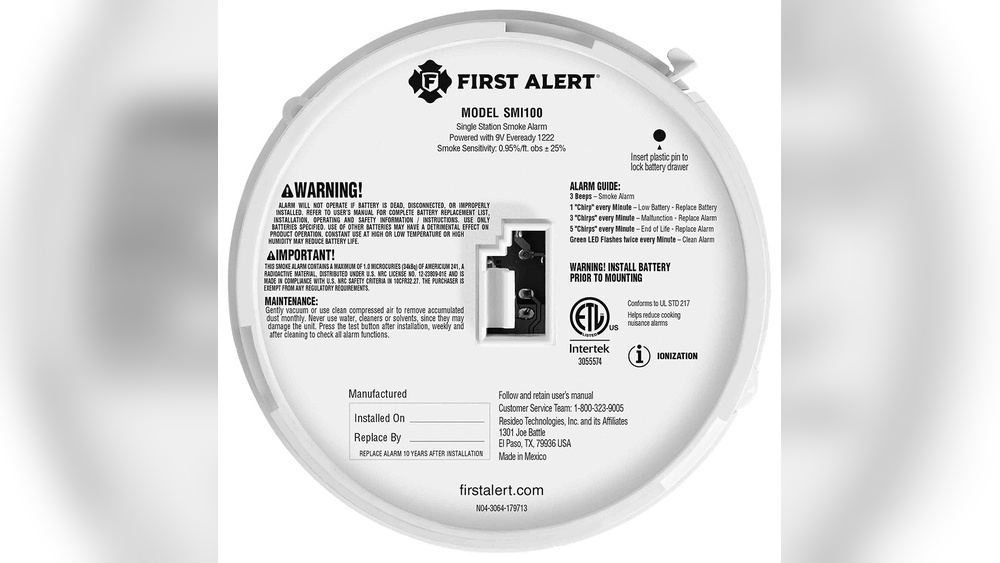
If the alarm does not beep, check the power source. Use fresh batteries or ensure the unit is properly wired. Clean the detector with a soft brush or vacuum to remove dust. Dust can block the sensor and stop it from working. If problems continue, reset the device by pressing the reset button. Replace the smoke detector if it still fails after these steps.
Credit: www.firstalertstore.com
Maintaining Your Smoke Detector
Maintaining your First Alert smoke detector is key to keeping your home safe. Regular care helps the device work correctly. It also extends the life of the smoke detector. Simple steps can prevent false alarms and ensure quick alerts in case of fire.
Battery Replacement Tips
Replace the batteries at least once a year. Use fresh, high-quality batteries for best performance. Test the smoke detector after changing batteries. Press the test button until you hear a loud beep. If the sound is weak or missing, change the batteries again. Keep spare batteries nearby to avoid delays.
Regular Cleaning And Inspection
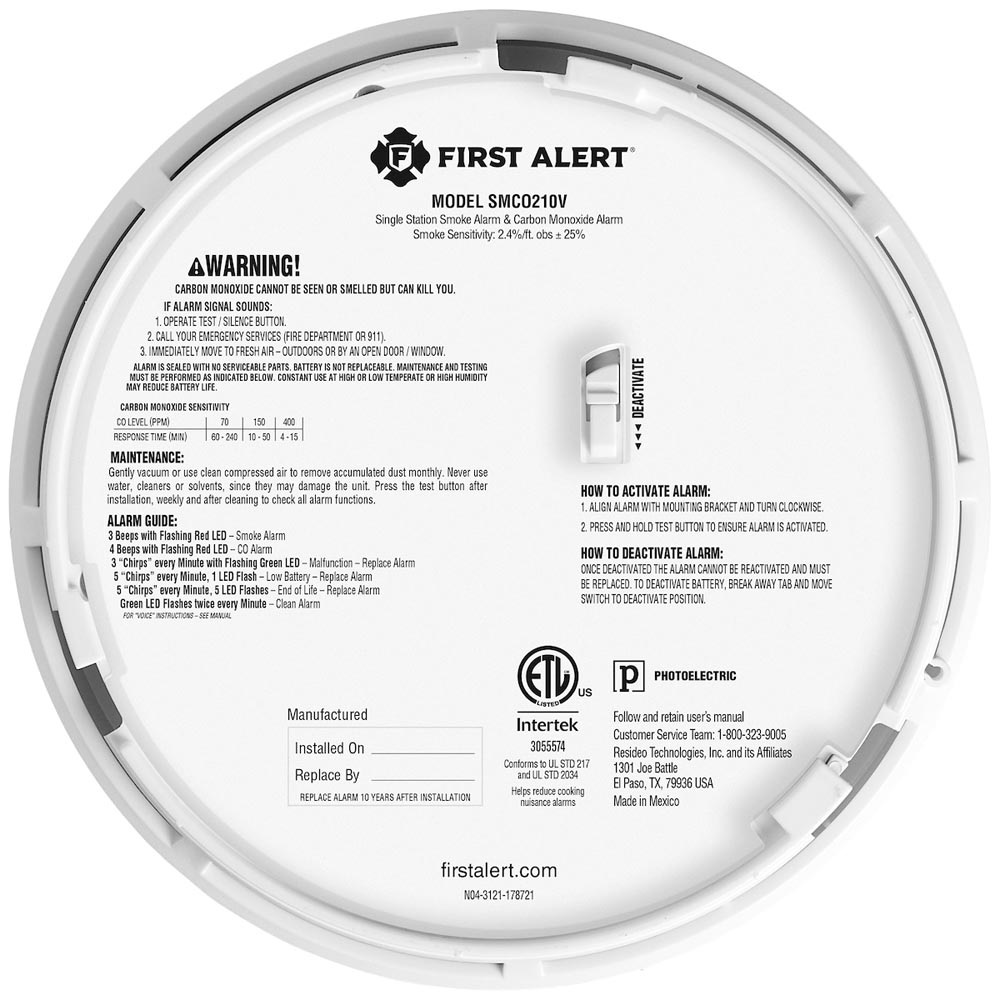
Dust and dirt can block the smoke sensor. Clean the detector every few months. Use a soft brush or vacuum with a brush attachment. Avoid using water or cleaners. Check for damage, cracks, or loose parts. Replace the smoke detector if it looks worn or broken. Regular checks keep the smoke detector ready to protect your home.

Credit: www.firstalert.com
Frequently Asked Questions
How Do I Program First Alert Smoke Detectors?
To program First Alert smoke detectors, follow the manual’s instructions. Usually, press and hold the test button until the LED flashes. Use the control panel or remote to sync detectors. Ensure batteries are installed and detectors are within range.
Can I Link Multiple First Alert Smoke Detectors?
Yes, many First Alert models support interlinking. When one detector senses smoke, all linked alarms sound. Follow specific programming steps in your manual to connect detectors via wireless or wired links.
How Often Should I Test Programmed Smoke Detectors?
Test your programmed smoke detectors monthly. Press the test button to ensure alarms sound correctly. Regular testing confirms the programming and detects any battery or sensor issues early.
What If My First Alert Smoke Detector Won’t Program?
If programming fails, check battery power and detector compatibility. Reset the detector by removing batteries, then try again. Consult the user manual or contact First Alert support for troubleshooting.
Conclusion
Programming First Alert smoke detectors is simple and important. It helps keep your home safe from fire risks. Follow the steps carefully, and double-check your work. Regular testing ensures your detectors work well every day. A working smoke detector can save lives and property.
Take time to set up your device right. Stay safe, and protect your family with smart smoke detector programming.