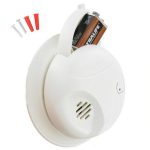
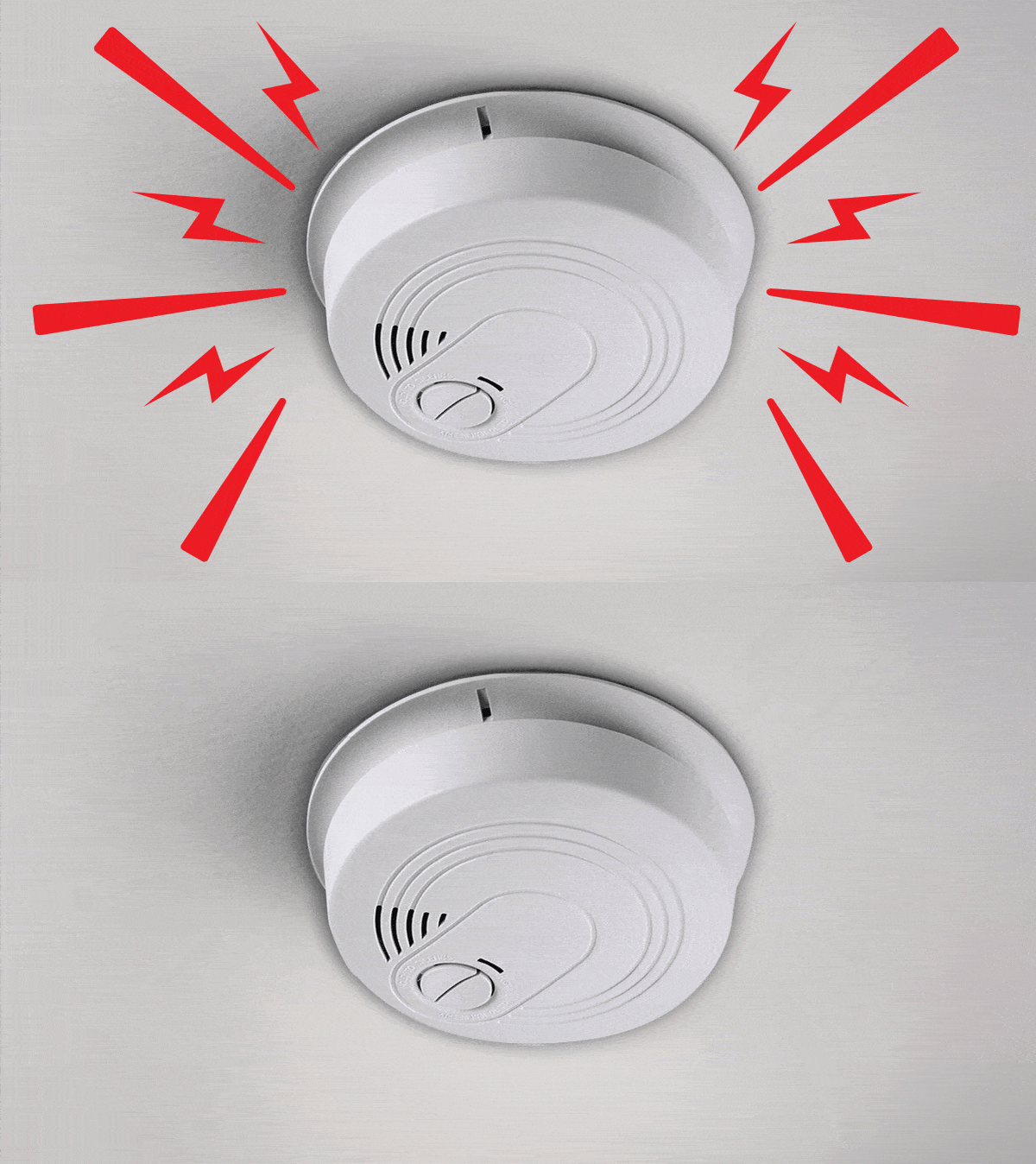
Have you ever been startled by a smoke detector that won’t stop beeping? It’s annoying, and you might not know how to fix it quickly.
Knowing how to reset your smoke detector can save you time, stress, and even ensure your home stays safe. You’ll discover simple, step-by-step ways to reset your smoke detector—no matter the type you have. Keep reading to learn how to silence that alarm and get your smoke detector back in perfect working order.
Credit: www.consumerreports.org
Common Reasons For Resetting
Resetting a smoke detector is a common task for many homeowners. It helps keep the device working properly. Knowing the reasons for resetting can save time and avoid confusion. Smoke detectors often need a reset after certain alerts or events. This keeps the alarm ready to protect your home and family.
Low Battery Alerts
Smoke detectors beep when batteries run low. This alert warns you to replace the battery soon. After changing the battery, the alarm may still beep. Resetting the detector stops the sound. It clears the low battery warning. This reset makes sure the detector works well again.
False Alarms
False alarms happen for many reasons. Cooking smoke, steam, or dust can trigger the alarm. These alarms can be loud and annoying. After the false alarm stops, reset the smoke detector. This clears the alert and resets the sensor. The detector will then be ready for real danger.
After Power Outages
Power outages can affect hardwired smoke detectors. When power returns, the alarm may beep or show an error. Resetting the detector fixes these issues. It helps the device return to normal operation. This step ensures your smoke detector stays reliable.

Credit: www.youtube.com
Safety Precautions Before Resetting
Resetting a smoke detector requires caution. Safety comes first to avoid accidents or damage. Follow these steps before you start resetting your device. Taking simple precautions protects you and your home.
Turn Off Power Source
Switch off the power to the smoke detector. This stops any electric shock risk. For hardwired alarms, turn off the circuit breaker. For battery-powered units, remove the batteries. Always check the power is off before touching the device.
Use A Ladder Safely
Choose a sturdy ladder to reach the smoke detector. Place the ladder on a flat surface. Avoid standing on chairs or unstable objects. Keep your body centered on the ladder. Move slowly and hold the ladder firmly with one hand.
Wear Protective Gear
Wear safety goggles to protect your eyes from dust. Use a mask if the area is dusty or smoky. Gloves protect your hands from dirt and sharp edges. This gear keeps you safe and clean during the reset process.
Step-by-step Reset Process
Resetting a smoke detector is simple and quick. It helps clear false alarms and ensures the device works well. Follow these steps carefully to reset your smoke detector safely and effectively.
Locate The Reset Button
Find the reset button on your smoke detector. It is usually small and round. Look on the front or side of the device. Some models may have a small hole you press with a pin. Check your smoke detector’s manual if unsure.
Press And Hold Correctly
Press the reset button firmly. Hold it down for about 15 to 20 seconds. This lets the detector clear any errors. Do not release the button too soon. Wait for a beep or light signal to confirm reset.
Test The Detector
After resetting, test your smoke detector. Press the test button until you hear a loud beep. This sound means the detector is working well. Replace batteries or contact a professional if no sound occurs.

Credit: www.youtube.com
Dealing With Hardwired Smoke Detectors
Hardwired smoke detectors connect directly to your home’s electrical system. They often include a battery backup to keep working during power outages. Resetting these detectors needs care and safety. Follow clear steps to avoid electrical hazards and ensure your smoke detector works properly again.
Shutting Off Circuit Breaker
First, find the circuit breaker for the smoke detector. Switch it off to cut power safely. This stops any risk of electric shock during the reset. Always double-check the power is off before touching the detector.
Resetting The Detector
Next, press and hold the reset button on the smoke detector. Hold it for about 15 seconds. This clears any error signals or false alarms. If your model has a removable battery, take it out and put it back after a minute.
Restoring Power Safely
Turn the circuit breaker back on after the reset. Check the smoke detector light to see if it is working. It should show a steady or blinking green light. This means power is restored and the device is ready to protect your home.
When To Replace The Smoke Detector
Knowing when to replace your smoke detector is important for home safety. Smoke detectors do not last forever. Over time, their sensors can wear out and stop working properly. Ignoring this can put your home at risk.
Age Of The Detector
Most smoke detectors last about 10 years. After this, their ability to detect smoke weakens. Check the manufacture date on the back of your detector. If it is older than 10 years, replace it right away. New detectors provide better protection.
Persistent Malfunctions
Smoke detectors sometimes beep or fail to respond properly. If your detector shows frequent false alarms or does not sound during tests, it may be faulty. Constant malfunctions mean the device can’t be trusted. Replace it to keep your home safe.
Failed Reset Attempts
Resetting a smoke detector fixes minor issues. But if reset attempts fail repeatedly, the detector may be damaged. A detector that won’t reset is unreliable. It is safer to replace it than to risk a non-working alarm.
Tips To Maintain Smoke Detectors
Maintaining smoke detectors is key to keeping your home safe. Regular care helps them work properly. It also extends their life. Here are simple tips to keep your smoke detectors in top shape.
Regular Cleaning
Dust and dirt can stop smoke detectors from working well. Use a soft brush or vacuum cleaner to clean them. Clean the detector at least once every few months. Avoid using water or cleaning sprays on the device.
Battery Replacement Schedule
Smoke detectors need fresh batteries to work right. Change the batteries once a year or when the low battery alarm sounds. Use the type of batteries recommended by the manufacturer. Keep spare batteries at home for quick replacement.
Routine Testing
Test your smoke detector every month. Press the test button until you hear the alarm sound. If it does not sound, replace the batteries or the whole unit. Regular testing ensures the smoke detector will alert you in an emergency.
Frequently Asked Questions
How Do You Reset A Smoke Detector After It Alarms?
To reset a smoke detector, first silence the alarm by pressing the reset button. Then, remove the batteries and wait for 10 seconds. Reinsert the batteries and press the reset button again. This clears any false alarms and restores normal operation.
Why Is My Smoke Detector Beeping Nonstop?
Continuous beeping usually means low battery power or a sensor issue. Replace the batteries first. If beeping continues, clean the detector and reset it. Persistent beeping may require replacing the smoke detector entirely.
Can You Reset A Smoke Detector Without Removing Batteries?
Yes, some models reset by pressing and holding the reset button for 15-20 seconds. This clears false alarms without battery removal. However, if the alarm persists, removing batteries and resetting manually is recommended.
How Often Should You Reset Your Smoke Detector?
Resetting is needed only after false alarms or maintenance. Regularly test your smoke detector monthly and replace batteries annually to ensure proper function. Frequent resetting is unnecessary and may indicate a faulty detector.
Conclusion
Resetting a smoke detector keeps your home safe and sound. You can stop false alarms by following simple steps. Always check the battery and clean the device regularly. Test the detector after resetting to make sure it works. Remember, a working smoke detector saves lives.
Stay safe and keep your smoke detectors in good shape. It’s a small task with a big impact. Don’t ignore any beeping sounds. Act quickly and keep your family protected.