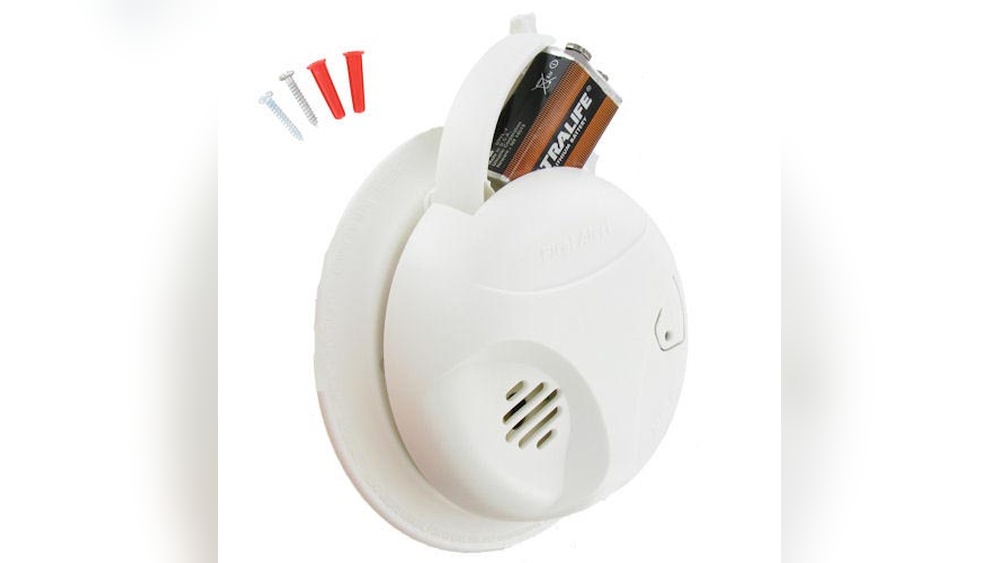

Have you ever wondered how long your smoke detector battery really lasts? Knowing this can be a lifesaver—literally.
Your smoke detector is your first line of defense against fire hazards, but it’s only as reliable as its battery. If your battery dies unnoticed, you could be putting yourself and your loved ones at risk. You’ll discover exactly how long you can expect your smoke detector battery to last and simple tips to keep it running smoothly.
Keep reading to make sure your home stays safe and secure.
Smoke Detector Battery Types
Smoke detectors rely on batteries to work properly and keep you safe. Choosing the right battery type affects how long your smoke detector stays powered. Different batteries have different lifespans, costs, and performance. This section explains common types of smoke detector batteries and their features.
Alkaline Batteries
Alkaline batteries are widely used in smoke detectors. They are affordable and easy to find. Their lifespan usually lasts about 6 to 12 months in smoke detectors. These batteries work well but may drain faster in cold weather. Many people replace alkaline batteries every year for safety.
Lithium Batteries
Lithium batteries last much longer than alkaline ones. They can power a smoke detector for up to 10 years. These batteries handle temperature changes better. Lithium batteries cost more but reduce the need for frequent changes. Many new smoke detectors come with built-in lithium batteries for long life.
Rechargeable Batteries
Rechargeable batteries save money over time. You can recharge them many times instead of buying new ones. They usually last 3 to 5 years before needing replacement. However, rechargeable batteries may require a special charger. These batteries are eco-friendly but need more care and attention.
Average Battery Lifespan
Knowing the average battery lifespan of a smoke detector helps keep your home safe. Batteries lose power over time, so regular checks are important. Different batteries last for different times. Understanding these differences helps you choose the right one for your smoke alarm.
Typical Duration For Alkaline
Alkaline batteries are common in smoke detectors. They usually last about 6 to 12 months. Many people replace them once a year for safety. These batteries are easy to find and affordable. Yet, they may lose power faster in cold weather.
Longevity Of Lithium Batteries
Lithium batteries last much longer than alkaline ones. They can power smoke detectors for 7 to 10 years. This matches the typical life of a smoke detector device. Lithium batteries work well in extreme temperatures. They cost more but reduce the need for frequent changes.
Factors Affecting Battery Life
Battery life depends on usage and environment. Frequent alarms or tests drain batteries faster. High humidity and temperature can shorten battery life. Using poor quality batteries also reduces lifespan. Regular cleaning of the smoke detector helps maintain battery health.
Signs Of A Weak Battery
Knowing the signs of a weak smoke detector battery helps keep your home safe. A failing battery can stop your smoke detector from working properly. It may not alert you during a fire. Watch for these signs to act quickly and replace the battery.
Low Battery Chirps
A common sign is a soft chirping sound. This noise comes at regular intervals. It signals the battery is low. The chirp is different from the loud alarm. It usually repeats every minute or so. Ignoring the chirp can risk your safety.
Frequent False Alarms
Weak batteries can cause false alarms. The alarm may sound without smoke or fire. This happens because the battery power is unstable. Frequent false alarms can be annoying. They also make you less likely to react fast.
Dim Or No Indicator Lights
Smoke detectors have indicator lights to show they work. A weak battery may cause these lights to dim. Sometimes the lights turn off completely. No light means the detector might not work. Check the lights often to ensure safety.

Credit: annarborwithkids.com
Battery Replacement Tips
Replacing smoke detector batteries is vital for home safety. Dead batteries can stop alarms from working. Follow these simple tips to keep your smoke detectors ready at all times.
Recommended Replacement Intervals
Change smoke detector batteries at least once a year. Some alarms use long-life batteries that last up to 10 years. Check your smoke detector manual for exact timing. Test alarms monthly to catch low battery warnings early.
Choosing The Right Battery
Use the battery type the smoke detector needs. Most devices use 9-volt or AA batteries. Avoid cheap or old batteries that drain quickly. Buy batteries from trusted brands for best performance and safety.
Proper Disposal Methods
Dispose of old batteries safely to protect the environment. Many stores offer battery recycling programs. Do not throw batteries in regular trash bins. Follow local rules for battery disposal to avoid pollution.
Extending Battery Life
Extending the battery life of your smoke detector helps keep your home safe. A longer-lasting battery means fewer replacements and less chance of failure. Simple habits can make a big difference in battery performance. Follow these steps to get the most from your smoke detector batteries.
Regular Testing And Maintenance
Test your smoke detector every month. Press the test button to check if it beeps loud. Clean the detector to remove dust and dirt. Dust can block sensors and reduce battery life. Replace batteries right after the low battery warning sounds. Keeping the detector clean and tested ensures it works well and saves battery power.
Avoiding Extreme Temperatures
Keep smoke detectors away from very hot or cold places. Extreme heat or cold can drain batteries faster. Avoid placing detectors near heaters, ovens, or air conditioners. A stable room temperature helps batteries last longer. This simple step protects the battery and keeps your detector reliable.
Using High-quality Batteries
Choose good-quality batteries for your smoke detectors. Cheap batteries may run out quickly or leak. Use batteries made for smoke detectors, like lithium or alkaline types. High-quality batteries provide steady power and last longer. Investing in better batteries ensures your detector stays on guard.

Credit: www.x-sense.com
Hardwired Vs Battery-powered Detectors
Choosing between hardwired and battery-powered smoke detectors is important for home safety. Both types serve the same basic purpose of alerting you to smoke or fire. The main difference lies in how they receive power and how long their batteries last. Understanding these differences helps you keep your home protected.
Battery Backup Importance
Hardwired smoke detectors connect to your home’s electricity. They usually include a battery backup. This battery keeps the alarm working during power outages. Battery-powered detectors rely only on batteries. Without power, they cannot work. Battery backup in hardwired alarms adds extra safety.
Lifespan Differences
Battery-powered detectors use replaceable batteries. These batteries last about 6 to 12 months. Some use long-life batteries that last up to 10 years. Hardwired detectors have batteries that last 5 to 10 years. The main power source is electricity, so the battery only works as backup. Battery life depends on usage and battery type.
Maintenance Considerations
Battery-powered detectors need battery replacement often. You must check batteries regularly. Hardwired detectors need less frequent battery checks. Still, test the alarm monthly. Dust and dirt can affect both types. Clean smoke detectors to keep them working well. Always replace batteries immediately if the alarm beeps.
Smart Smoke Detectors And Battery Life
Smart smoke detectors bring new technology into home safety. They do more than just sound an alarm. These devices connect to your phone and other smart home systems. This connection affects battery life, which is important to understand. Knowing how long their batteries last helps you keep your home safe without surprises.
Battery Consumption In Smart Models
Smart smoke detectors use more power than traditional ones. They have sensors, Wi-Fi, and sometimes a backup battery. These features need constant energy. As a result, their batteries may run out faster. Most smart detectors use lithium batteries. These can last from one to ten years, depending on usage. Frequent alerts and Wi-Fi use can shorten battery life.
Notification Features
Smart smoke detectors send alerts directly to your phone. This feature uses data and battery power. Notifications include smoke detection, low battery, and maintenance reminders. These alerts help you act quickly, even if you are away. The constant monitoring and communication require more energy than traditional alarms. That is why battery life varies based on how often notifications are sent.
Optimizing Battery Performance
To extend battery life, reduce unnecessary alerts. Turn off non-essential notifications in the app. Regularly check and clean the detector to avoid false alarms. Use high-quality batteries recommended by the manufacturer. Keep the device connected to Wi-Fi only when needed. These steps help smart detectors last longer without losing their benefits.

Credit: www.amazon.com
Frequently Asked Questions
How Long Does A Smoke Detector Battery Typically Last?
A smoke detector battery usually lasts between 6 months to 1 year. Lithium batteries can last up to 10 years. Regular testing and replacement ensure your detector works efficiently and keeps you safe.
When Should I Replace My Smoke Detector Battery?
Replace your smoke detector battery at least once a year or when it beeps low battery alerts. Immediate replacement ensures continuous protection against fire hazards.
Can A Smoke Detector Battery Last 10 Years?
Yes, some smoke detectors use sealed lithium batteries designed to last up to 10 years. These models reduce maintenance and improve safety over time.
What Happens If I Don’t Replace The Battery On Time?
If you delay replacing the battery, your smoke detector may fail to alert you during a fire. This puts your safety and property at high risk.
Conclusion
Smoke detector batteries usually last between six months to one year. Regularly check your battery to keep your home safe. Replace batteries as soon as the low battery beep starts. Using long-life batteries can reduce how often you change them.
Always test your smoke detector after changing the battery. A working smoke detector can save lives in emergencies. Don’t wait until the battery dies. Stay safe by keeping your smoke detector powered. Simple steps make a big difference in home safety.
