
Your smoke detector is one of the most important devices in your home. It keeps you and your loved ones safe by alerting you to danger.
But what happens when it stops working or starts beeping constantly? Knowing how to replace a smoke detector quickly and correctly can save you from stress and keep your home protected. In this guide, you’ll learn simple steps to swap out your old smoke detector with a new one—no confusion, no hassle.
Keep reading to make sure your safety system is always ready when you need it most.
Signs You Need A New Smoke Detector
Smoke detectors save lives by warning of fire early. Knowing when to replace one is key. Old or faulty detectors may not work properly. Recognizing signs helps keep your home safe.
Expired Or Malfunctioning Units
Smoke detectors usually last about 10 years. Check the manufacturing date on the back. If older, replace it right away. Frequent false alarms or no alarms at all mean trouble. A detector that won’t reset or beep nonstop needs replacement. Never ignore warning signs of a bad unit.
Upgrading To Modern Technology
New smoke detectors offer better protection. Many have voice alerts, smart features, and longer battery life. Modern models connect to your phone for instant alerts. Some combine smoke and carbon monoxide detection. Upgrading improves safety and convenience at home.
Credit: www.swflelectric.com
Choosing The Right Smoke Detector
Choosing the right smoke detector is important for your home safety. Smoke detectors come in different types. Each type has its own features and benefits. Picking the right one helps protect your family better.
Consider how you want to power the smoke detector. Also, think about the type of sensor it uses. These choices affect how well the detector works in your home.
Battery-powered Vs. Hardwired
Battery-powered smoke detectors are easy to install. They do not need wiring and can be placed anywhere. You must change the batteries regularly to keep them working.
Hardwired smoke detectors connect to your home’s electricity. They often have a battery backup for power outages. These detectors are more reliable but need professional installation.
Choose battery-powered for simple setups. Pick hardwired for permanent safety solutions.
Photoelectric Vs. Ionization Sensors
Photoelectric sensors detect slow, smoldering fires. They are good at sensing smoky fires before flames appear. These detectors reduce false alarms from cooking smoke.
Ionization sensors detect fast, flaming fires better. They respond quickly to flames but may give more false alarms. This type is common in many homes.
Some smoke detectors combine both sensors for full protection. Choose one based on the risks in your home.
Tools And Materials Needed
Replacing a smoke detector needs the right tools and materials. Having everything ready saves time and keeps you safe. This section lists what you need before starting the work.
Basic Tools Checklist
- New smoke detector unit
- Screwdriver (usually Phillips head)
- Step ladder or sturdy chair
- Wire stripper or cutter
- Voltage tester
- Electrical tape
- Drill (optional, for mounting)
Safety Gear Recommendations
- Protective gloves to avoid cuts
- Safety goggles to protect eyes
- Dust mask if working in dusty spaces
- Non-slip shoes for stable footing
- Flashlight for better visibility
Preparing For Replacement
Preparing for smoke detector replacement is a key step. It makes the process safe and smooth. This stage helps avoid accidents and ensures the new detector works well. Follow simple steps to get ready before removing the old device.
Turning Off Power
Start by cutting off the power to the smoke detector. This stops electric shocks and damage. Find the breaker box and switch off the right circuit. Double-check that the detector has no power before touching it. Safety first.
Testing The Existing Detector
Press the test button on the current detector. Listen for a loud beep. This shows the device still works. If there is no sound, the detector might already be faulty. Testing helps decide if replacement is urgent or if the problem is different.
Removing The Old Smoke Detector
Removing the old smoke detector is the first step to a safer home. This task requires care to avoid damage and ensure safety. Follow simple steps to detach the unit without trouble. Proper handling of the wiring is important to prevent accidents.
Detaching From The Ceiling Or Wall
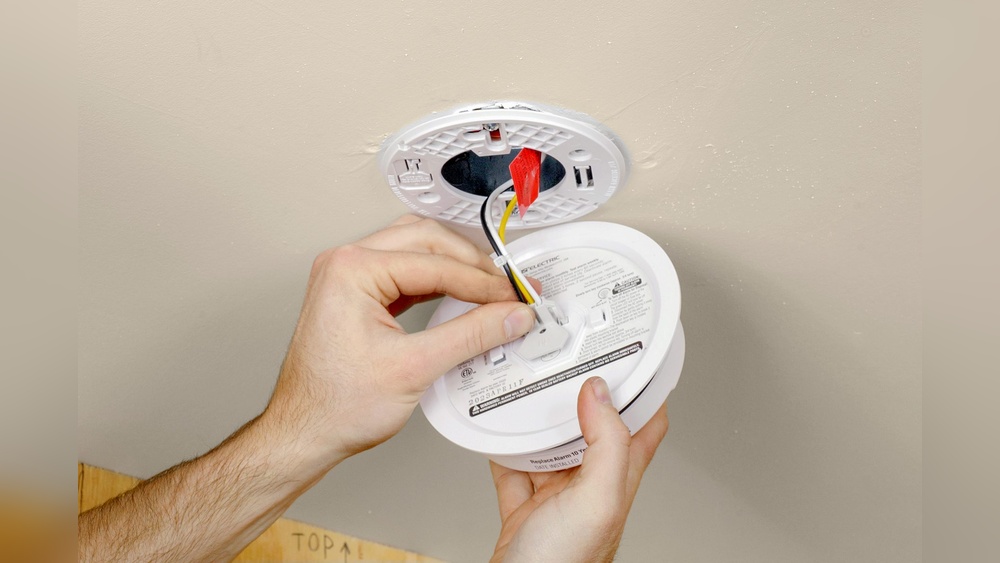
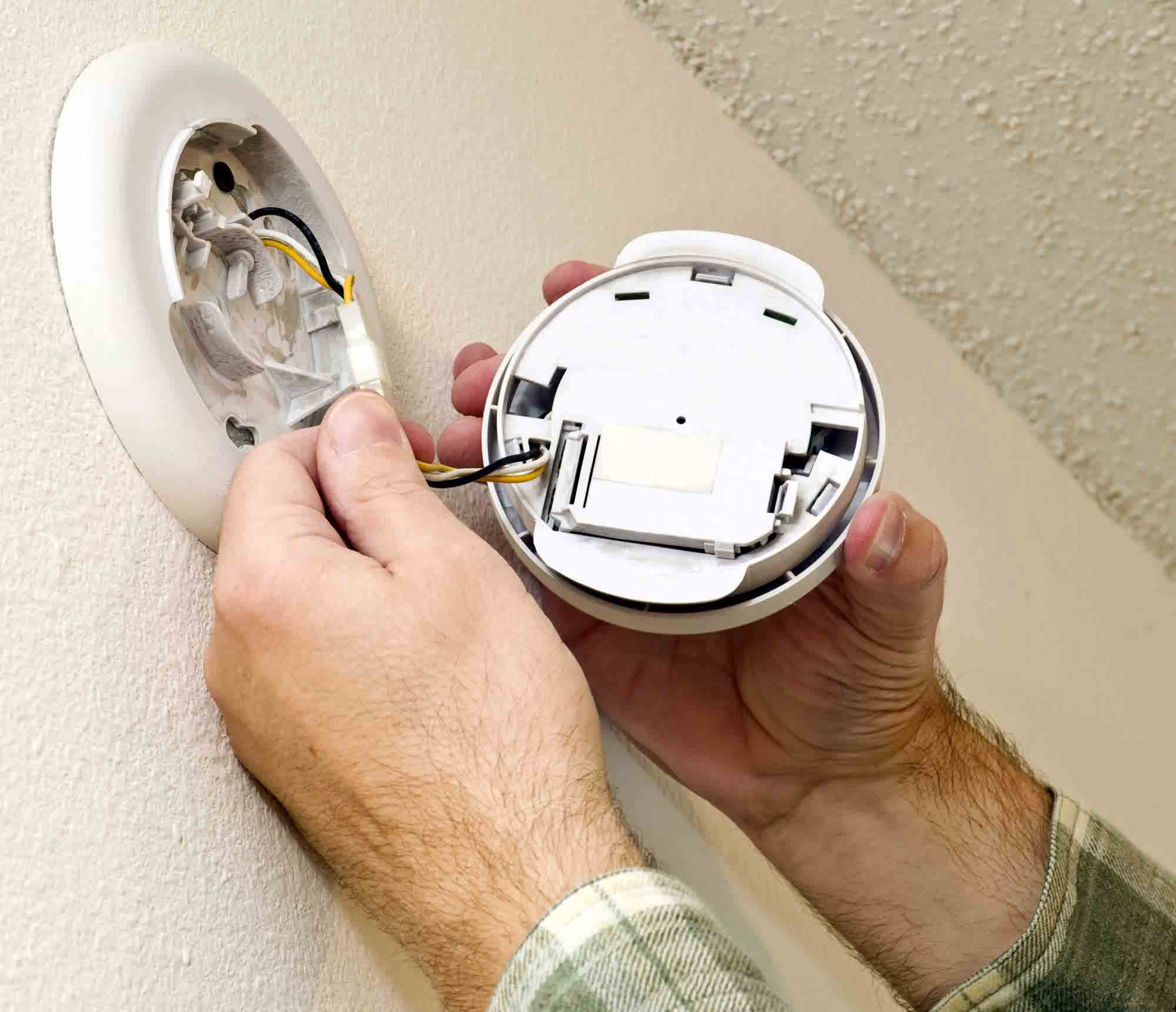
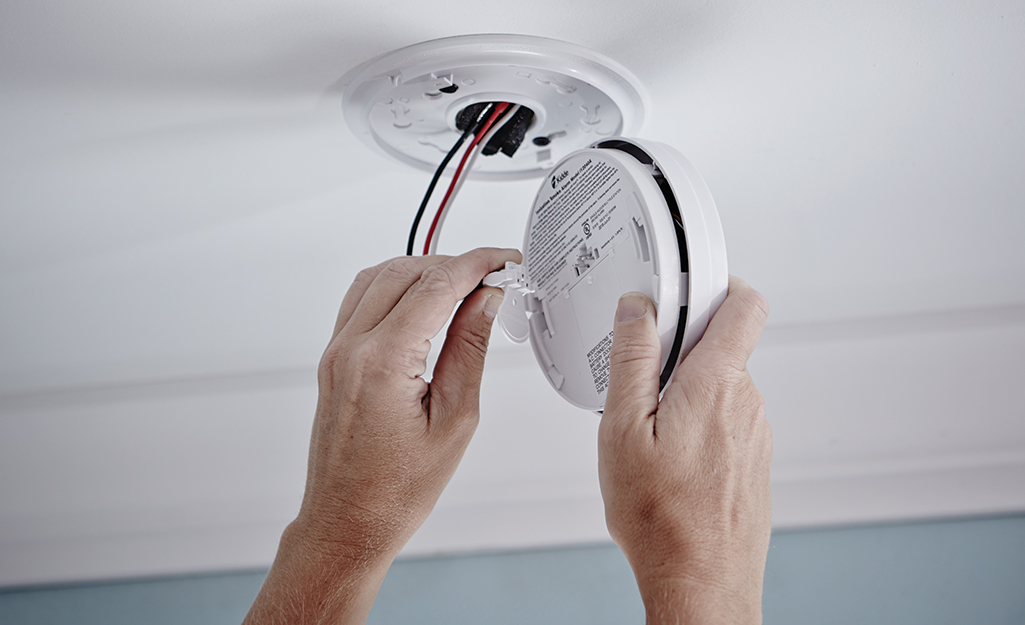
Start by locating the smoke detector base. Most models twist counterclockwise to unlock. Hold the base firmly and turn the detector gently. Pull the unit away from the mounting plate. Some models use screws; use a screwdriver to remove them. Keep screws safe for the new detector. Avoid forcing the device to prevent damage.
Handling Wiring Safely
Turn off power at the circuit breaker before touching wires. Use a voltage tester to confirm no electricity flows. Carefully disconnect the wires from the old detector. Note the wire positions to connect the new unit correctly. Avoid pulling wires hard to prevent damage. Cover exposed wires with wire nuts or electrical tape. Safety is key for this step to avoid shocks.
Installing The New Smoke Detector
Installing the new smoke detector is a simple process. It ensures your home stays safe and secure. Follow these steps carefully to complete the installation correctly.
Mounting The Base
Start by attaching the base of the smoke detector to the ceiling or wall. Use the screws and anchors that come with the device. Mark the spots with a pencil before drilling holes. Secure the base firmly so it does not move or fall.
Connecting Wires
Next, connect the smoke detector wires to the house wiring. Match the colors of the wires carefully. Usually, black connects to black, white to white, and the ground wire to green or bare copper. Use wire nuts to twist wires together tightly. Ensure no bare wire is exposed outside the nuts.
Securing The Unit
Finally, attach the smoke detector unit onto the mounted base. Align it properly and twist it until it locks in place. Double-check that the unit is secure and does not wobble. Insert the batteries if needed, then test the alarm to confirm it works.
Testing The New Smoke Detector
Testing the new smoke detector is a key step after installation. It ensures the device works properly and keeps you safe. A quick test confirms the battery is in place and the alarm sounds loud. This check helps avoid false alarms or device failure during emergencies.
Battery Installation
Start by opening the smoke detector’s battery compartment. Insert the new battery with the correct polarity. Make sure the battery fits snugly and the compartment closes fully. Some detectors use 9-volt or AA batteries. Use fresh batteries for best results.
Performing A Function Test
Press the test button on the smoke detector firmly. Hold it until you hear a loud beep or alarm. This sound means the detector is working well. If no sound appears, check the battery or installation. Repeat the test monthly to keep the detector ready.

Credit: www.youtube.com
Maintenance Tips For Longevity
Keeping your smoke detector in good shape is key to home safety. Simple maintenance helps it work longer and better. Small steps can prevent failure and keep your family safe.
Regular Testing
Test your smoke detector at least once a month. Press the test button until the alarm sounds. This check ensures the device is working properly. If no sound comes, replace batteries or the unit.
Battery Replacement Schedule
Change the batteries every six months, even if the alarm still works. Old batteries can fail without warning. Use fresh, high-quality batteries for best results. Mark the date on the battery for easy tracking.
Cleaning The Detector
Dust and dirt can block the sensor and cause false alarms. Clean your detector with a soft brush or vacuum once a year. Avoid water or cleaning sprays on the device. Keep the area around it free from dust buildup.
Safety Precautions During Replacement
Replacing a smoke detector is important for home safety. Taking the right safety steps keeps you safe during the process. Handle electrical parts carefully and use tools correctly. Stay alert and follow simple rules to avoid accidents.
Avoiding Electrical Hazards
Turn off the power to the smoke detector at the circuit breaker. This stops any electric shocks while you work. Use a voltage tester to make sure no current flows to the device. Never touch wires with wet hands or metal tools. Keep the area dry and clean for safety.
Proper Ladder Use
Choose a sturdy ladder that fits the height of your ceiling. Place it on a flat, even surface to avoid wobbling. Always face the ladder and hold it with both hands when climbing. Do not lean too far to one side. Ask someone to hold the ladder for extra support if needed.
Credit: www.homedepot.com
Frequently Asked Questions
How Often Should I Replace My Smoke Detector?
Smoke detectors should be replaced every 10 years to ensure proper functionality. Over time, sensors degrade, reducing effectiveness. Regular replacement helps maintain safety and compliance with fire safety standards in your home or office.
What Tools Do I Need To Replace A Smoke Detector?
You typically need a screwdriver, a new smoke detector, and possibly a ladder. Some models require specific batteries, so check the instructions. Having these tools ready makes the replacement process quick and efficient.
Can I Replace A Smoke Detector Myself Safely?
Yes, replacing a smoke detector is simple and safe for most people. Always turn off power if it’s hardwired. Follow the manufacturer’s instructions carefully to avoid mistakes and ensure proper installation.
What Type Of Smoke Detector Should I Buy For Replacement?
Choose a smoke detector that suits your home’s needs—ionization, photoelectric, or dual-sensor models. Photoelectric detectors are better for smoldering fires, while ionization detects fast flames. Dual-sensor models provide the best overall protection.
Conclusion
Replacing a smoke detector keeps your home safe and sound. Choose the right model and follow the steps carefully. Test the new detector to ensure it works well. Regular checks help avoid any problems later. A working smoke detector can save lives.
Take action today to protect your family. Safety starts with simple habits. Don’t delay—replace old detectors now. Stay alert and keep your home secure.