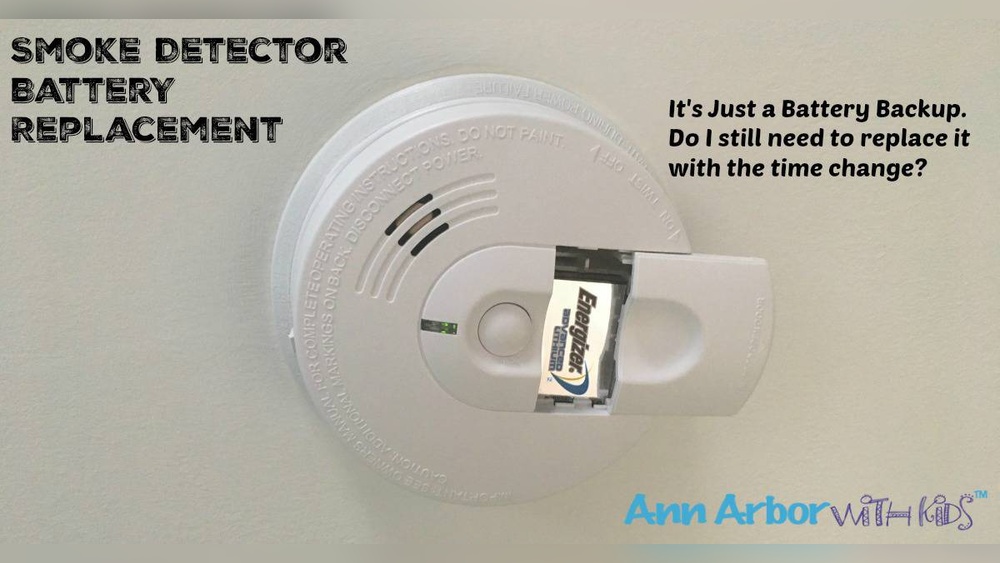

Have you ever wondered how long the batteries in your smoke detector really last? Knowing this can be a lifesaver—literally.
If your smoke detector’s battery dies when you least expect it, you and your loved ones could be at risk. You’ll discover exactly how often you need to change those batteries to keep your home safe. Stay with me, and you’ll never have to worry about a silent, powerless smoke detector again.

Credit: www.youtube.com
Battery Types In Smoke Detectors
Smoke detectors rely on batteries to stay powered and keep your home safe. Different types of batteries can affect how long your smoke detector lasts. Choosing the right battery helps ensure your detector works properly for a long time.
Alkaline Batteries
Alkaline batteries are common in many smoke detectors. They usually last about 6 to 12 months before needing a change. These batteries are easy to find and affordable. Many people prefer alkaline batteries for their balance of cost and lifespan.
Lithium Batteries
Lithium batteries last much longer than alkaline ones. They can power smoke detectors for up to 10 years. This means fewer battery changes and less worry. Lithium batteries perform well in cold or hot temperatures. They are more expensive but offer great convenience.
Rechargeable Batteries
Rechargeable batteries can be used multiple times. They reduce waste and save money over time. These batteries need a charger and regular recharging. Some smoke detectors are designed to work with rechargeable batteries only. Check your detector’s instructions before using them.
Average Lifespan Of Smoke Detector Batteries
Smoke detector batteries play a vital role in home safety. Knowing their average lifespan helps ensure they work when needed. Battery life varies by type and usage. Understanding these differences helps keep your home protected.
Typical Duration For Alkaline
Alkaline batteries are common in smoke detectors. They usually last about 6 to 12 months. These batteries are affordable and easy to find. Their lifespan depends on the alarm’s usage and age. Regular testing helps catch a weakening battery early.
Longevity Of Lithium Batteries
Lithium batteries last longer than alkaline ones. They can power smoke detectors for up to 10 years. Many smoke detectors now use lithium batteries for this reason. They cost more but need less frequent replacement. This reduces hassle and ensures longer protection.
Factors Affecting Battery Life
Several factors affect how long batteries last. Temperature changes can drain batteries faster. Frequent alarm tests or false alarms use more power. Older smoke detectors may consume more battery energy. Keeping detectors clean helps maintain battery life. Always replace batteries as recommended for safety.
Signs Of Battery Wear
Batteries in smoke detectors do not last forever. Over time, their power weakens. It is important to recognize the signs of battery wear. Early detection helps keep your home safe. Knowing these signs can prevent false alarms or detector failure.
Low Battery Chirping
A common sign is a soft chirping sound. This beep happens at regular intervals. It warns you that the battery is low. Do not ignore this sound. Replace the battery as soon as possible. This prevents the detector from stopping work.
Reduced Detector Sensitivity
A weak battery can lower the detector’s sensitivity. Smoke might not trigger the alarm quickly. This delay can be dangerous during a fire. Test your smoke detector regularly. If the alarm seems slow or weak, check the battery. Change it if needed to stay protected.
Visual Battery Indicators
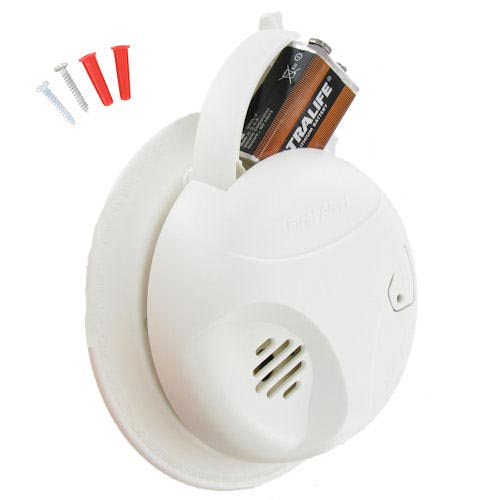
Many smoke detectors show battery status with lights. A flashing red or yellow light often means low power. Some models have a battery icon on a screen. These visual clues help you see when to replace batteries. Always watch for these signals to keep the device ready.
Credit: www.firstalertstore.com
Tips To Extend Battery Life
Extending the battery life in smoke detectors helps keep your home safe longer. Simple steps make a big difference. These tips ensure your detector works when you need it most.
Proper Installation
Place the smoke detector in the right spot. Avoid areas near windows or vents. These spots cause false alarms and waste battery power. Use the correct battery type for your model. Secure the battery tightly to keep a steady connection.
Regular Testing
Test your smoke detector once a month. Press the test button to check the battery and alarm. Replace batteries right after a low battery warning. Regular checks prevent unexpected failures and save battery life.
Environmental Considerations
Keep smoke detectors away from extreme heat or cold. High temperatures drain batteries faster. Humidity can also affect battery performance. Clean the detector often to remove dust and debris. This helps the detector work well and lasts longer.
When To Replace Batteries
Knowing when to replace smoke detector batteries is vital for safety. Dead batteries can stop the alarm from working. This could put your home and family at risk. Regular checks and timely replacements keep your smoke detector ready to alert you.
Manufacturer Recommendations
Check the smoke detector manual for battery advice. Most makers suggest changing batteries at least once a year. Some newer models use long-life batteries that last up to 10 years. Follow the specific instructions to keep your alarm effective.
Routine Replacement Schedule
Set a yearly reminder to replace your smoke detector batteries. Choose a date easy to remember, like daylight saving time changes. This habit ensures batteries do not run out unnoticed. Regular replacement helps avoid false alarms or no alarms.
Emergency Replacement Tips
Listen for the low battery chirp sound. This beep usually happens every minute or so. Replace batteries immediately when you hear this alert. Keep spare batteries in your home for quick swaps. Always test the alarm after changing batteries to confirm it works.
Impact Of Battery Life On Safety
The battery life in smoke detectors plays a crucial role in home safety. A working smoke detector can save lives by alerting residents early. Dead or weak batteries make these devices useless during emergencies. Understanding how battery life impacts safety helps prevent risks and protects your family.
Risk Of Dead Batteries
Dead batteries cause smoke detectors to stop working. No sound means no warning of fire or smoke. Many fires happen at night, when people sleep. A silent alarm can lead to serious injuries or worse. Regular battery checks reduce the risk of failure. Do not ignore the low battery beep; it is a warning.
Importance Of Maintenance
Smoke detectors need regular maintenance to function well. Changing batteries once a year is a simple step. Testing alarms monthly ensures they work correctly. Dust and dirt can block sensors and reduce effectiveness. Clean your detectors regularly to keep them reliable. Maintenance is a small effort for big safety benefits.
Backup Power Solutions
Backup power keeps smoke detectors active during power outages. Many models have built-in battery backup. Some use long-life lithium batteries for extended protection. Hardwired detectors with battery backup offer extra security. Consider backup options to ensure continuous operation. Backup power means safety even when the main power fails.

Credit: longmeadowfire.com
Frequently Asked Questions
How Long Do Smoke Detector Batteries Typically Last?
Smoke detector batteries generally last between 6 months and 1 year. Regular testing helps ensure they work properly. Replace batteries immediately if the alarm chirps, signaling low power.
What Type Of Battery Is Best For Smoke Detectors?
Most smoke detectors use 9-volt or AA alkaline batteries. Lithium batteries last longer but cost more. Always check your device’s manual for recommended battery types.
How Can I Tell If My Smoke Detector Battery Is Low?
A low battery triggers a chirping sound every minute. The light may also flash intermittently. Test your detector monthly and replace batteries yearly or as needed.
Can Rechargeable Batteries Be Used In Smoke Detectors?
Rechargeable batteries are not recommended due to voltage inconsistencies. They may cause false alarms or detector failure. Use standard alkaline or lithium batteries for reliability.
Conclusion
Batteries in smoke detectors usually last between six months and one year. Regular checks keep your home safe and alarms working well. Change batteries as soon as you hear the low-battery beep. Use good-quality batteries to avoid frequent replacements. Test your smoke detector monthly to ensure it works correctly.
A working smoke detector can save lives in emergencies. Stay safe by keeping batteries fresh and alarms ready. Small steps make a big difference in home safety.