
Have you ever been startled awake by a smoke detector’s annoying beep in the middle of the night? That sound is your smoke detector’s way of telling you its battery is running low.
But how often does it beep? Understanding this can help you avoid those frustrating interruptions and keep your home safe. You’ll discover exactly how often your smoke detector will beep when the battery is low—and what you can do to stop it for good.
Keep reading to learn the simple steps to stay protected without the constant beeping.

Credit: waynealarm.com
Why Smoke Detectors Beep
Smoke detectors are essential for home safety. They alert you to dangers like fire or smoke. One common sound they make is a beep. This beep often signals a low battery. Understanding why smoke detectors beep helps you respond quickly and keep your home safe.
Purpose Of The Low Battery Alert
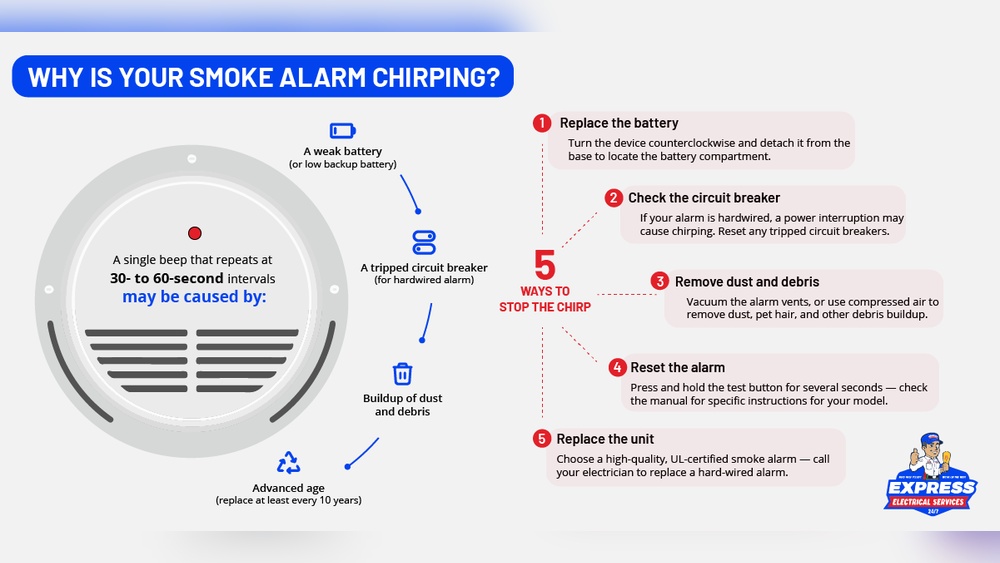
The low battery alert warns you to change the battery soon. It prevents the smoke detector from losing power. Without power, the detector cannot alert you to smoke or fire. The beep usually happens every 30 to 60 seconds. This sound keeps repeating until you replace the battery. It helps avoid silent, unprotected moments in your home.
Types Of Smoke Detector Sounds
Smoke detectors use different sounds for different alerts. A loud, continuous alarm means smoke or fire is detected. A short beep or chirp often means the battery is low. Some detectors also beep during testing or error states. Recognizing these sounds helps you know what action to take. Always check the battery or device manual if unsure.

Credit: waynealarm.com
Frequency Of Beeping
Smoke detectors alert you with a beep when their battery is low. The sound is not constant but comes at certain times. Understanding the frequency of these beeps helps you know when to replace the battery quickly. This section explains how often smoke detectors beep and what affects this frequency.
Typical Beep Intervals
Most smoke detectors beep every 30 to 60 seconds when the battery is low. The beep is short and sharp. It repeats in a steady pattern to catch your attention. This interval gives you enough warning before the battery dies completely. The sound is usually loud enough to hear throughout your home.
Some models beep less often, around every 60 seconds. Others might beep every 30 seconds or even more frequently. The key is the beep does not stop until you replace the battery or the detector itself.
Factors Affecting Beep Frequency
Different factors change how often smoke detectors beep. The brand and model impact the beep pattern. Some use a slow beep, while others use a fast beep. The battery type can also change beep timing.
Environmental conditions play a role too. Cold or humid air can affect battery life and beep speed. Older smoke detectors may beep more often due to weaker batteries. Location matters as well. A detector in a humid basement might beep differently than one in a dry room.
Battery Life Expectations
Understanding battery life in smoke detectors is vital for home safety. Batteries power these devices to detect smoke early. Knowing how long batteries last helps prevent sudden failures. It also guides timely replacements to keep alarms working.
Average Battery Duration
Most smoke detector batteries last about one year. Some models use long-life lithium batteries that can last up to ten years. Regular alkaline batteries usually need changing every six to twelve months. Battery life depends on the alarm type and usage. Frequent testing or loud alarms can shorten battery life.
Signs Of Dying Batteries
A smoke detector beeps once every minute or so when batteries are low. This beep is a clear warning to replace the battery soon. The alarm may also flash a light or show a low battery icon. If the alarm beeps randomly, it often means the battery is weak. Ignoring these signs can risk your safety. Replace batteries immediately to avoid false alarms or failures.
How To Respond To Beeping
Hearing a beep from your smoke detector can cause worry. It signals the battery is low and needs attention. Acting quickly keeps your home safe. Silence the beep and replace the battery to avoid future alerts.
Steps To Replace The Battery
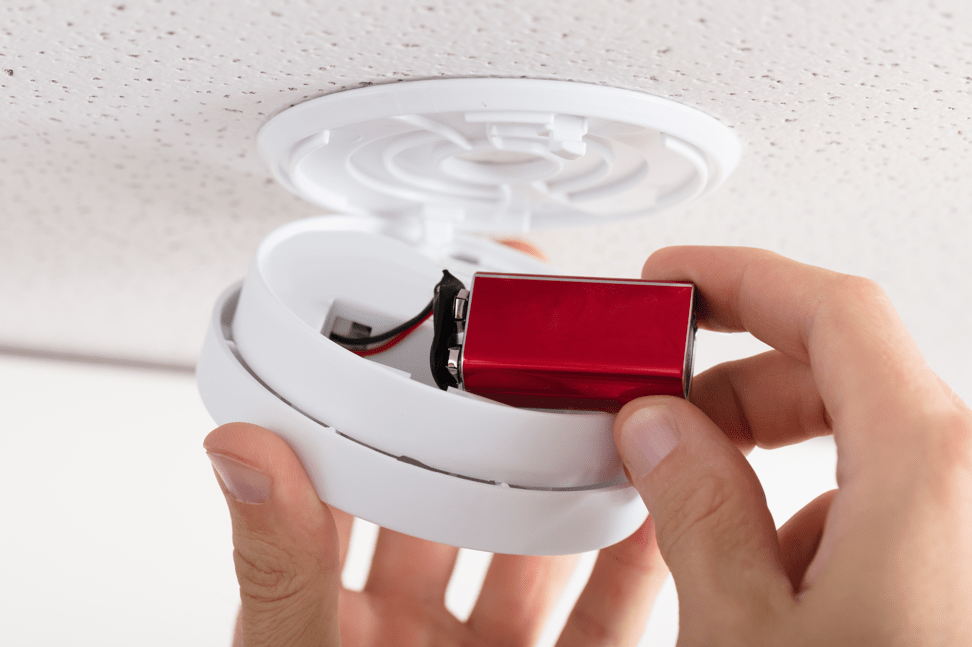
First, find the smoke detector making the noise. Most beep every 30 to 60 seconds when batteries run low. Remove the detector from its base by twisting or pulling gently. Open the battery compartment. Take out the old battery carefully. Insert a new battery, matching the type shown inside. Close the compartment securely. Reattach the detector to its base. Press the test button to check if it works. No beep means the battery replacement was successful.
Resetting The Smoke Detector
After changing the battery, the detector may still beep. Press and hold the test button for 15 to 20 seconds. This resets the device and stops the beep. If the noise continues, try removing the battery again. Wait a few minutes. Reinstall the battery and press the test button. Clean the smoke detector with a soft brush to clear dust. This can stop false alarms. Repeat the reset steps if needed until the beep stops.
Preventing False Alarms
False alarms from smoke detectors can be annoying. They often happen when batteries are low or not maintained well. Preventing these false beeps helps keep your home safe and peaceful. Simple steps can reduce these interruptions and ensure your smoke detector works right.
Regular Maintenance Tips
Check smoke detectors every month to keep them working. Clean dust and dirt from the device with a soft cloth. Replace batteries at least once a year, even if no beep sounds. Test the alarm by pressing the test button regularly. Remove any insects or cobwebs near the sensor area. These small actions stop false alarms caused by poor maintenance.
Choosing The Right Battery
Use batteries recommended by the smoke detector brand. Avoid cheap or old batteries that lose power quickly. Lithium batteries last longer than alkaline ones in most alarms. Always keep spare batteries nearby for quick replacement. Correct batteries help reduce low battery beeping and false alarms. Proper power keeps your detector ready to protect your home.
When To Replace The Smoke Detector
Smoke detectors protect homes and save lives. Knowing when to replace them is vital. A detector that is too old or faulty may fail to alert you. This risk makes understanding replacement time important.
Detector Lifespan
Most smoke detectors last about 8 to 10 years. Over time, sensors lose sensitivity. Dust and dirt can also affect performance. Check the manufacture date on the back of the detector. Replace it if it is older than 10 years. New detectors work better and give reliable warnings.
Indicators For Replacement
A smoke detector that beeps often signals low battery. Replace batteries right away to avoid false alarms. If beeping continues after changing batteries, the detector may be faulty. Frequent false alarms, no alarms during tests, or physical damage are signs to replace it. Regular testing helps spot these problems early. A well-maintained detector means better home safety.
Credit: expresselectricalservices.com
Frequently Asked Questions
How Often Do Smoke Detectors Beep When Battery Is Low?
Smoke detectors beep every 30 to 60 seconds when the battery is low. This warning sound helps alert you to replace the battery promptly to ensure continuous safety.
Why Does My Smoke Detector Beep Intermittently?
Intermittent beeping usually signals a low or dying battery. It can also indicate dust or wiring issues, but low battery is the most common cause.
How Long Will A Smoke Detector Beep After Battery Dies?
Once the battery dies completely, the smoke detector stops beeping. The low battery chirp lasts until the battery is replaced or fully depleted.
Can A Smoke Detector Beep Without Battery?
No, smoke detectors need batteries to operate and beep. If there’s no battery, the detector will not sound any alerts.
Conclusion
Smoke detectors beep regularly when their batteries run low. Usually, the beep sounds once every minute or so. This warning helps keep your home safe. Replace the battery as soon as you hear the beep. Don’t ignore the sound; it protects you from fire risks.
Test your smoke detector monthly to ensure it works well. Regular checks keep your family safe and secure. Simple steps make a big difference in home safety. Stay alert and act quickly to avoid danger.