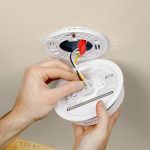
Have you ever wondered how long your First Alert smoke detector will keep you safe? Knowing the lifespan of your smoke detector is crucial because your safety depends on it working perfectly when you need it most.
If your detector is old or worn out, it might not warn you in time. You’ll discover exactly how long these devices last and what signs to watch for to make sure your home stays protected. Keep reading—your peace of mind could depend on it.

Credit: www.firstalert.com
First Alert Smoke Detector Lifespan
Understanding the lifespan of a First Alert smoke detector helps keep your home safe. These devices are built to last but need regular care. Knowing how long the battery and the device itself last ensures you replace them on time. This section explains the average battery life and the overall device longevity of First Alert smoke detectors.
Average Battery Life
Most First Alert smoke detectors use 9-volt batteries. These batteries usually last about one year. Some models come with long-life lithium batteries. These can last up to 10 years without replacement. Battery life depends on usage and environmental factors. Testing the detector monthly helps catch low batteries early.
Overall Device Longevity
First Alert smoke detectors generally last about 10 years. After this, sensors may become less reliable. The U.S. safety guidelines recommend replacing smoke detectors every decade. Some models have a built-in end-of-life warning. This alert signals when it is time to get a new device. Regular cleaning and testing help extend the device’s useful life.
Factors Affecting Durability
The lifespan of a First Alert smoke detector depends on several key factors. These factors affect how long the device works properly and keeps your home safe. Understanding them helps you know when to replace or service your smoke detector.
Each smoke detector lasts differently based on its use and environment. Some conditions wear out the device faster. Others help it stay effective for many years.
Environmental Conditions
Smoke detectors in dusty or humid places wear out quicker. Dust can block sensors and reduce sensitivity. Humidity can cause corrosion inside the device. Extreme temperatures, either very hot or cold, also damage internal parts. Installing detectors in stable, clean areas improves their lifespan.
Maintenance Practices
Regular cleaning keeps smoke detectors working well. Wiping dust off the unit prevents sensor blockage. Replacing batteries on time ensures constant power. Ignoring maintenance can cause false alarms or failure. Proper care extends the device’s useful life.
Frequency Of Testing
Testing smoke detectors often helps catch problems early. Frequent checks ensure sensors and alarms function properly. Testing monthly is a good habit for safety. Neglecting tests may let issues go unnoticed. Reliable detectors last longer and protect better.
Battery Types And Replacement
Knowing the battery types and how to replace them is important for your First Alert smoke detector. Batteries keep the alarm running and alert you during emergencies. Choosing the right battery and replacing it on time helps keep your home safe.
Common Battery Options
First Alert smoke detectors often use different battery types. The most common are 9-volt batteries. These batteries are easy to find in stores. Some models use AA or AAA batteries. Newer models may have sealed lithium batteries that last up to 10 years. Always check your smoke detector’s manual to know the correct battery type.
Signs Battery Needs Replacing
Your smoke detector will warn you when the battery is low. It usually beeps or chirps every minute or so. This sound means the battery is almost dead. Another sign is the alarm not working during tests. Replace the battery immediately if you hear these sounds. Regularly test your smoke detector to ensure it works well.
When To Replace The Smoke Detector
Knowing when to replace your First Alert smoke detector is crucial for home safety. Smoke detectors do not last forever. Over time, their sensors weaken and may fail to alert you during a fire.
Regular checks help you catch signs of wear early. Replacing old units ensures your home stays protected. Learn about clear signs and official advice for replacement.
End Of Lifespan Indicators
One major sign is the age of the smoke detector. Most First Alert models last about 10 years. After this, the device may not work properly.
Another indicator is frequent false alarms or no alarms at all. This can mean the sensor is failing. Also, a yellow or blinking light may signal problems.
Physical damage like cracks or corrosion on the detector requires replacement. Dust buildup inside the unit can affect performance. If cleaning does not help, it’s time to get a new one.
Manufacturer Recommendations
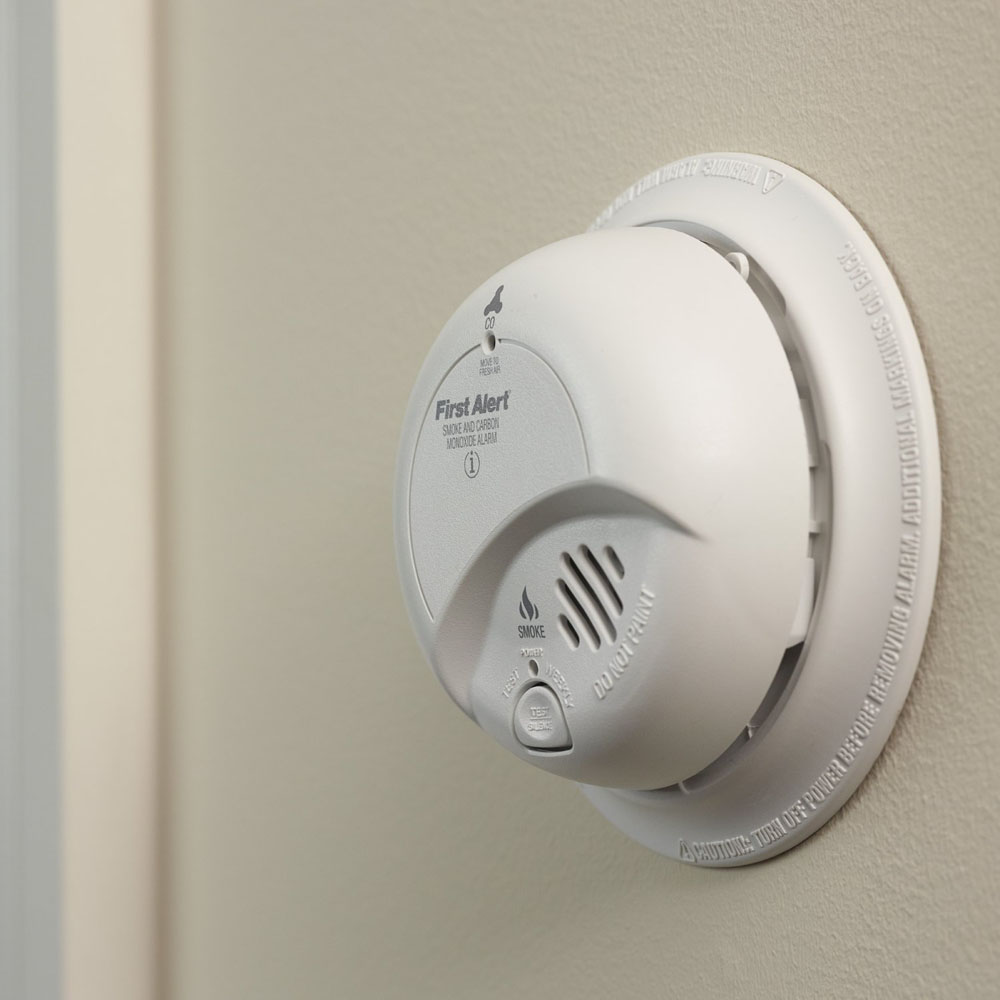
First Alert advises replacing smoke detectors every 10 years. This ensures the sensor and battery work reliably. Check the date printed on the back of your detector.
Follow all instructions in the user manual for maintenance and testing. Proper care can extend the detector’s life. If unsure, contact First Alert customer support for advice.
Replacing your smoke detector according to these guidelines keeps your home safe. Don’t wait for a problem to appear. Stay proactive about fire safety today.
Extending Your Detector’s Life
Extending the life of your First Alert smoke detector helps keep your home safe longer. Simple care steps can make a big difference. Regular attention ensures the detector works well and lasts near its full lifespan.
Proper Installation Tips
Place the detector on the ceiling or high on a wall. Smoke rises, so higher spots catch smoke faster. Avoid installing near windows, doors, or vents. These areas can cause false alarms or reduce sensitivity. Follow the manufacturer’s instructions carefully during installation.
Routine Cleaning
Dust and dirt can block the smoke sensor. Clean the detector gently every few months with a soft brush or vacuum. Do not use water or cleaning sprays on the unit. Keeping it clean helps maintain proper function and extends its life.
Regular Testing
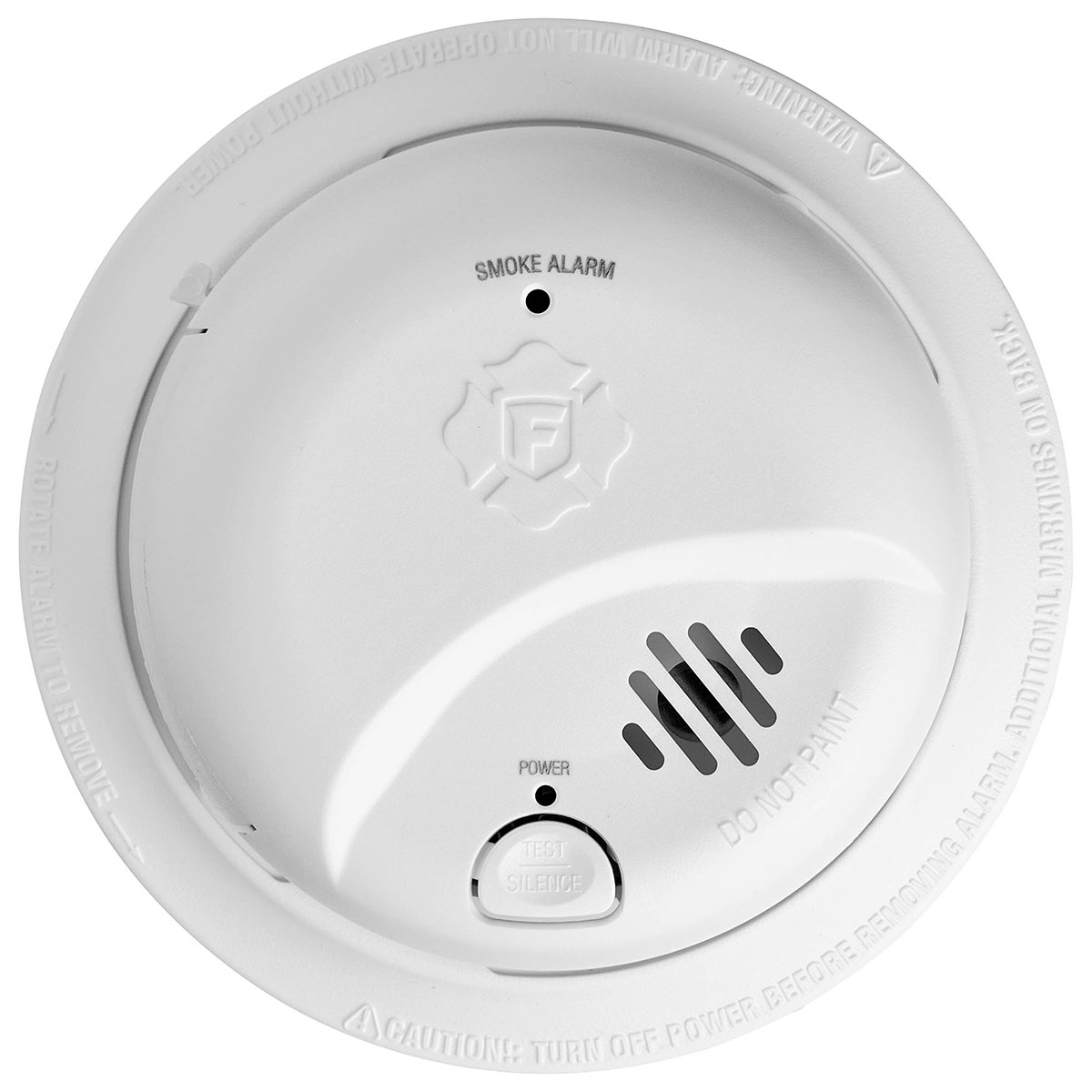
Test your smoke detector once a month. Press the test button until the alarm sounds. This check confirms the battery and alarm work properly. Replace batteries as needed to avoid failure. Regular testing keeps the detector ready at all times.
Credit: www.firstalertstore.com
Comparing First Alert To Other Brands
Choosing the right smoke detector is important for home safety. First Alert is a popular choice, but many wonder how it compares to other brands. Examining lifespan and cost helps make a smart decision. Understanding these factors ensures you get the best protection for your money.
Lifespan Differences
First Alert smoke detectors usually last about 10 years. This matches the industry standard for most brands. Some brands offer detectors that last 7 to 10 years. Others may have shorter lifespans, around 5 to 7 years. Battery type affects lifespan too. Detectors with sealed lithium batteries often last longer. Regular battery models need replacements more often. First Alert offers both types, giving users options.
Price Vs. Longevity
First Alert models are priced in the mid-range. They provide good balance between cost and durability. Cheaper brands may cost less but often have shorter lifespans. Expensive models sometimes include extra features but don’t always last longer. Investing in a reliable brand like First Alert can save money over time. Replacing a smoke detector less often reduces hassle and cost.
Credit: www.firstalertstore.com
Frequently Asked Questions
How Long Does A First Alert Smoke Detector Last?
First Alert smoke detectors typically last 8 to 10 years. After this period, their sensors may become less reliable. Regular replacement ensures optimal safety and early fire detection.
When Should You Replace A First Alert Smoke Detector?
Replace your First Alert smoke detector every 8 to 10 years. Check the manufacturer’s date on the back of the unit. Timely replacement guarantees your home remains protected.
Can A First Alert Smoke Detector Be Reset After Expiration?
No, you cannot reset a First Alert smoke detector after it expires. Once it reaches its lifespan, replace the entire unit to maintain safety standards.
How Do I Know If My First Alert Detector Needs Replacement?
Look for the manufacturing date on the detector’s back. If it’s over 10 years old, replace it immediately. Also, frequent false alarms can signal sensor failure.
Conclusion
First Alert smoke detectors usually last about 10 years. Replace them after this time to stay safe. Check the date on the back to know its age. Regular testing helps ensure it works properly. Change batteries at least once a year.
A working smoke detector can save lives. Don’t delay in keeping your home protected. Safety starts with good smoke detector care. Simple steps make a big difference in emergencies. Stay alert and update your detector when needed.