
Your home’s safety depends on reliable smoke detectors, and hardwired smoke detectors offer the best protection. But how do you install them correctly to keep your family safe?
If you’ve ever felt unsure about wiring or wondered where to place these devices, you’re in the right place. This guide will walk you through simple, clear steps to install hardwired smoke detectors, even if you have no prior experience.
By the end, you’ll feel confident knowing your home is better protected. Keep reading to learn how to take this important step for your safety.
Choosing The Right Smoke Detectors
Choosing the right smoke detectors is key for home safety. It protects your family from fire risks. Picking the correct type ensures reliable alerts during emergencies. Understanding different models helps you make the best choice for your needs.
Types Of Hardwired Smoke Detectors
There are two main types: ionization and photoelectric. Ionization detectors react quickly to flaming fires. Photoelectric detectors detect smoldering fires better. Some models combine both types for full protection. Also, look for detectors with a battery backup. This keeps them working during power outages.
Features To Consider
Choose smoke detectors with easy installation features. Look for devices with silence buttons to stop false alarms. Interconnectivity allows all detectors to sound at once. Voice alerts help identify the smoke location fast. Check for long-lasting sensors and low maintenance needs.
Compliance With Safety Standards
Smoke detectors must meet safety standards like UL or EN certifications. Certified devices have passed strict testing for reliability. Always buy from trusted brands with clear safety labels. This guarantees the detector performs well in emergencies. Follow local codes for required smoke detector types and placement.
Preparing For Installation
Preparing for the installation of hardwired smoke detectors is an important first step. It ensures a smooth and safe process. Proper preparation reduces errors and helps protect your home.
Take your time to follow each step carefully. This makes the installation easier and safer for you and your family.
Gathering Necessary Tools And Materials
Start by collecting all tools and materials needed for the job. You will need a screwdriver, wire strippers, a drill, and a voltage tester. Smoke detectors and mounting brackets must also be ready. Don’t forget electrical tape and wire connectors. Having everything at hand saves time and avoids interruptions.
Turning Off The Power
Safety comes first. Turn off the power to the area where you will install the detectors. Use your home’s circuit breaker to cut electricity. Double-check with a voltage tester to confirm no power flows. This step prevents electrical shocks and accidents.
Locating Ideal Detector Positions
Choose the best spots for your smoke detectors. Place them on ceilings or high on walls. Avoid corners and areas near windows or vents. Detectors should be near bedrooms and hallways. Proper placement ensures early smoke detection and better safety.
Wiring The Smoke Detectors
Wiring hardwired smoke detectors is a key step in ensuring your home stays safe. This process involves careful handling of electrical connections and proper linking of multiple units. Understanding each step helps prevent errors and ensures reliable operation.
Understanding Electrical Connections
Smoke detectors need a constant power source to work correctly. They connect to your home’s electrical wiring through three wires: black, white, and red. The black wire is the “hot” wire, carrying power from your electrical panel. The white wire is the neutral wire, completing the circuit. The red wire links multiple smoke detectors so they can sound alarms together.
Always turn off the power at the breaker box before working on wiring. Use a voltage tester to confirm no electricity flows in the wires. This step keeps you safe from electric shock.
Connecting To The Power Supply
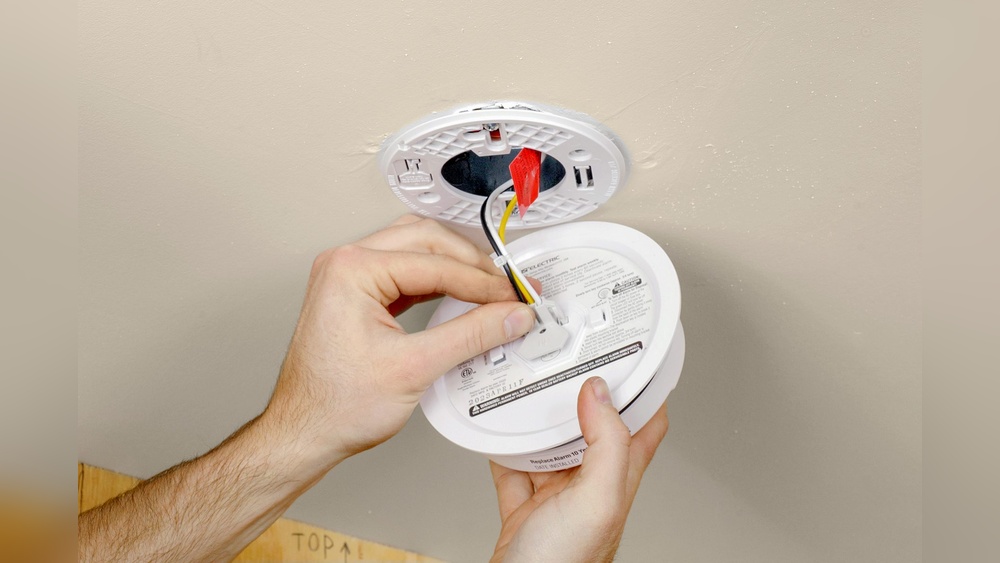
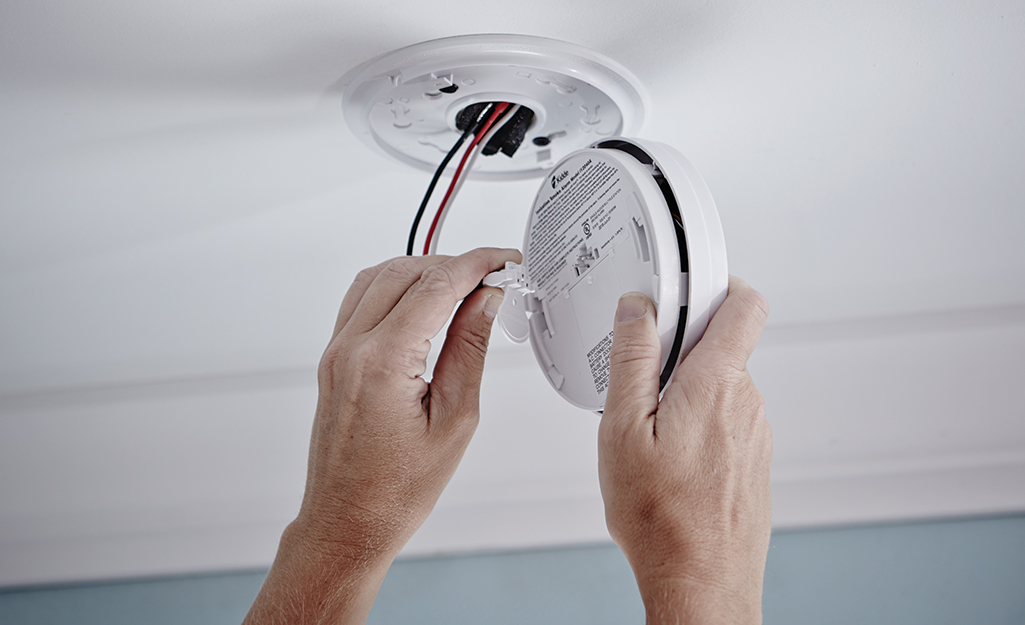
First, connect the black wire from the smoke detector to the black “hot” wire in your home. Next, join the white wire from the detector to the home’s white neutral wire. Use wire nuts to secure connections and prevent loose wires. Tuck the wires neatly into the electrical box to avoid damage.
After wiring, restore power and test the detector. Press the test button to ensure the unit receives electricity and functions properly.
Interlinking Multiple Detectors
Hardwired smoke detectors can link together for better safety. The red wire connects each detector to the others. When one detects smoke, all alarms sound simultaneously. This feature alerts everyone in the home, even in distant rooms.
Connect the red wire from the first detector to the second, and so on. Use wire nuts to secure connections. Test the system by pressing the test button on one detector. All alarms should sound together.
:max_bytes(150000):strip_icc()/install-hardwired-smoke-detectors-1152329-07-e423cc5f28c342089d65bd675e5d4e20.jpg)
Credit: www.thespruce.com
Mounting The Detectors
Mounting the smoke detectors is a key step in the installation process. Proper mounting ensures the device stays in place and works correctly. It helps the detector sense smoke early and alert you quickly. A solid physical setup prevents false alarms and damage. Follow these steps carefully to mount your hardwired smoke detectors safely and securely.
Installing The Mounting Bracket
Start by choosing the right spot on the ceiling or wall. Use a pencil to mark where screws will go. Hold the mounting bracket against the surface. Use a drill or screwdriver to put screws in the marked spots. Make sure the bracket fits snugly and does not wobble. This bracket will hold the detector firmly in place.
Securing The Detector
Next, align the detector with the mounting bracket. Press the detector onto the bracket until it clicks or locks. Check that it feels secure and does not move easily. Avoid forcing the detector too hard to prevent damage. Confirm the wiring connects well to the detector. Secure the wiring inside the bracket or wall box as needed.
Testing The Physical Installation
Once mounted, gently shake the detector to check stability. It should stay firmly attached without shifting. Press the test button on the smoke detector. Listen for the loud alarm sound. This confirms the device works and is properly installed. If the alarm is weak or fails, check the mounting and wiring again.
Testing And Maintenance
Testing and maintenance keep hardwired smoke detectors working well. Regular checks ensure they respond fast to smoke or fire. Proper care helps protect your home and family every day.
Powering On And Initial Test
After installation, connect the detector to power. Turn on the main switch or circuit breaker. Press the test button on the detector. It should emit a loud alarm sound. This confirms the device is working correctly. If no sound occurs, check wiring or power supply.
Routine Testing Procedures
Test smoke detectors once a month. Press the test button and listen for the alarm. Make sure all detectors in the home respond. Clean the detector surface gently with a soft cloth. Avoid using water or harsh chemicals. Keep detectors free from dust and debris. This helps maintain proper sensor function.
Replacing Batteries And Parts
Some hardwired detectors have backup batteries. Replace these batteries every year or as needed. Open the detector cover carefully to access the battery. Use the recommended battery type only. Replace any worn-out parts immediately. Faulty parts reduce detector performance. Keep your detector in good condition for safety.
:max_bytes(150000):strip_icc()/install-hardwired-smoke-detectors-1152329_FINAL-5233cb01c4f34ee1bae5860132624788.png)
Credit: www.thespruce.com
Common Troubleshooting Tips
Hardwired smoke detectors are reliable safety devices, but they can sometimes face issues. Knowing common troubleshooting tips helps keep them working properly. These tips cover frequent problems like false alarms and wiring troubles. Understanding when to ask for professional help also ensures safety.
Addressing False Alarms
False alarms often happen due to dust or insects inside the detector. Clean the detector regularly using a soft brush or vacuum. Avoid placing detectors near kitchens or bathrooms where steam or smoke triggers alarms. Check the battery backup; weak batteries can cause false alerts.
Fixing Wiring Issues
Loose or damaged wires can stop detectors from working. Turn off the power before inspecting wires. Ensure all connections are secure and wires are not frayed. Use wire nuts to join wires safely. Replace any damaged wires to prevent failures or shorts.
When To Call A Professional
Call an electrician if wiring looks complicated or unsafe. Seek help when alarms do not reset after troubleshooting. Professionals ensure proper installation and fix hidden electrical problems. Never ignore persistent smoke detector issues that affect your safety.
Credit: www.homedepot.com
Frequently Asked Questions
What Tools Are Needed To Install Hardwired Smoke Detectors?
You need a drill, screwdriver, voltage tester, wire stripper, and wire nuts. These tools help ensure safe and proper installation of your smoke detectors.
How Do You Connect Hardwired Smoke Detectors Safely?
Turn off power at the circuit breaker. Connect matching wires: black to black, white to white, and ground wires together. Use wire nuts and test connections before restoring power.
Can I Install Hardwired Smoke Detectors Myself?
Yes, if you have basic electrical knowledge and follow safety steps. Otherwise, hire a licensed electrician to avoid risks and ensure code compliance.
How Many Smoke Detectors Are Required Per Floor?
Install at least one smoke detector inside each bedroom, outside sleeping areas, and on every floor, including basements, for optimal home safety.
Conclusion
Installing hardwired smoke detectors helps keep your home safe and secure. Follow the steps carefully for a proper setup. Check all connections to ensure the system works well. Test the detectors regularly to catch any issues early. Remember, safety is the top priority in every home.
Take your time and do the job right. Protect your family with reliable smoke detection today.