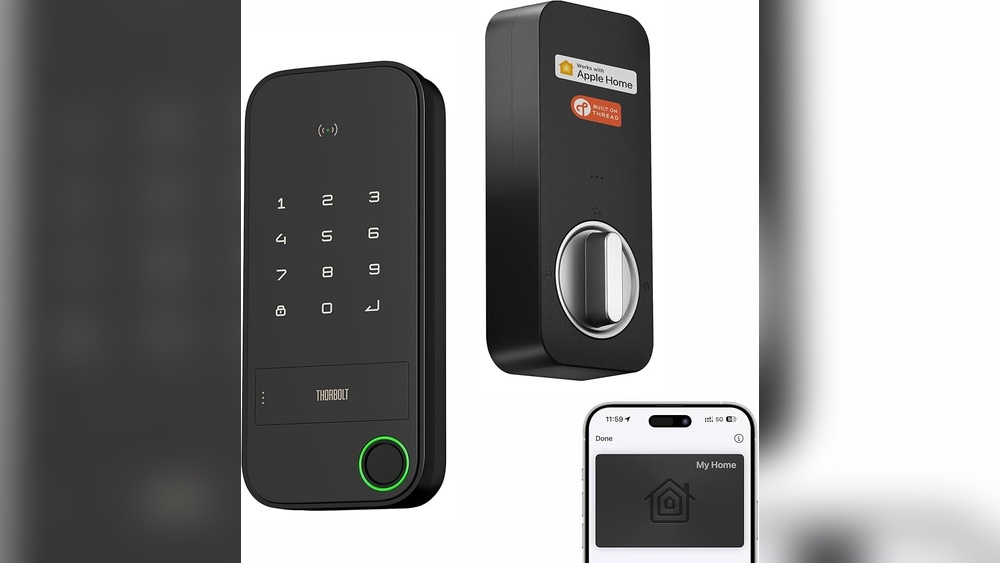

Imagine never fumbling for your keys again or worrying about losing them. The smart key in a door lock can make this a reality for you.
But how exactly does this clever technology work to keep your home safe while making your life easier? If you’ve ever wondered what goes on behind the scenes when you unlock your door with a simple tap or code, this article is for you.
By the end, you’ll understand how smart keys combine convenience and security in a way that could change how you protect your space. Ready to unlock the mystery? Let’s dive in.
Smart Key Basics
Smart keys bring a new way to secure your home or office. They use technology to make locking and unlocking doors easier and safer. Understanding how smart keys work helps you see their benefits. These keys offer convenience without losing security. Simple to use, they replace old-fashioned metal keys.
Components Of A Smart Key
A smart key has several important parts. First, there is a small electronic chip inside. This chip stores a digital code unique to your key. Next, the key has a battery that powers the chip. Some keys use radio waves to communicate with the lock. Others use Bluetooth or NFC technology. The lock itself has a reader that checks the key’s code. If the code matches, the lock opens. This process happens quickly and silently.
How It Differs From Traditional Keys
Traditional keys are simple metal pieces. They open locks by physically turning the mechanism inside. Smart keys do not need to turn anything. They send a digital signal instead. This signal tells the lock to open or stay locked. Traditional keys can be copied easily. Smart keys are harder to duplicate because of their technology. Lost smart keys can be deactivated to prevent misuse. This feature adds a layer of security that old keys lack.
Technology Behind Smart Keys
Smart keys use advanced technology to control door locks. They make access easy and secure. The technology behind smart keys combines wireless communication and strong encryption. This ensures only authorized users can open the door.
Each part of this system works together. It sends signals, protects data, and verifies identity. This section explains how these technologies keep your home safe.
Wireless Communication Methods
Smart keys use wireless signals to talk to door locks. Common methods include Bluetooth, RFID, and NFC. Bluetooth works within short distances and connects devices easily. RFID uses radio waves to identify the key without contact. NFC allows quick data exchange by tapping the key near the lock. These methods avoid physical keys and allow remote control. They help the smart key send commands fast and safely.
Encryption And Security Protocols
Encryption protects the data sent between the key and lock. It scrambles the information to stop hackers from reading it. Modern smart keys use strong encryption like AES or RSA. Security protocols check if the key is real. They prevent fake keys from opening the lock. Some smart locks add extra layers like two-factor authentication. These steps keep the system secure and reliable.
Smart Key And Door Lock Interaction
The smart key and door lock work closely to keep your home secure. They share information quickly and safely. This interaction happens in two main steps. First, the door lock checks who is trying to enter. Then, they send signals to complete the process.
Authentication Process
The smart key sends a unique code to the door lock. The lock checks this code against its saved codes. Only the correct code lets the door open. This process happens in seconds. It stops unauthorized keys from gaining access.
Signal Transmission And Reception
The smart key uses radio waves to talk to the door lock. These waves carry the key’s unique code. The lock listens for these signals nearby. Both devices must be close to work well. Signal strength and speed ensure smooth operation.
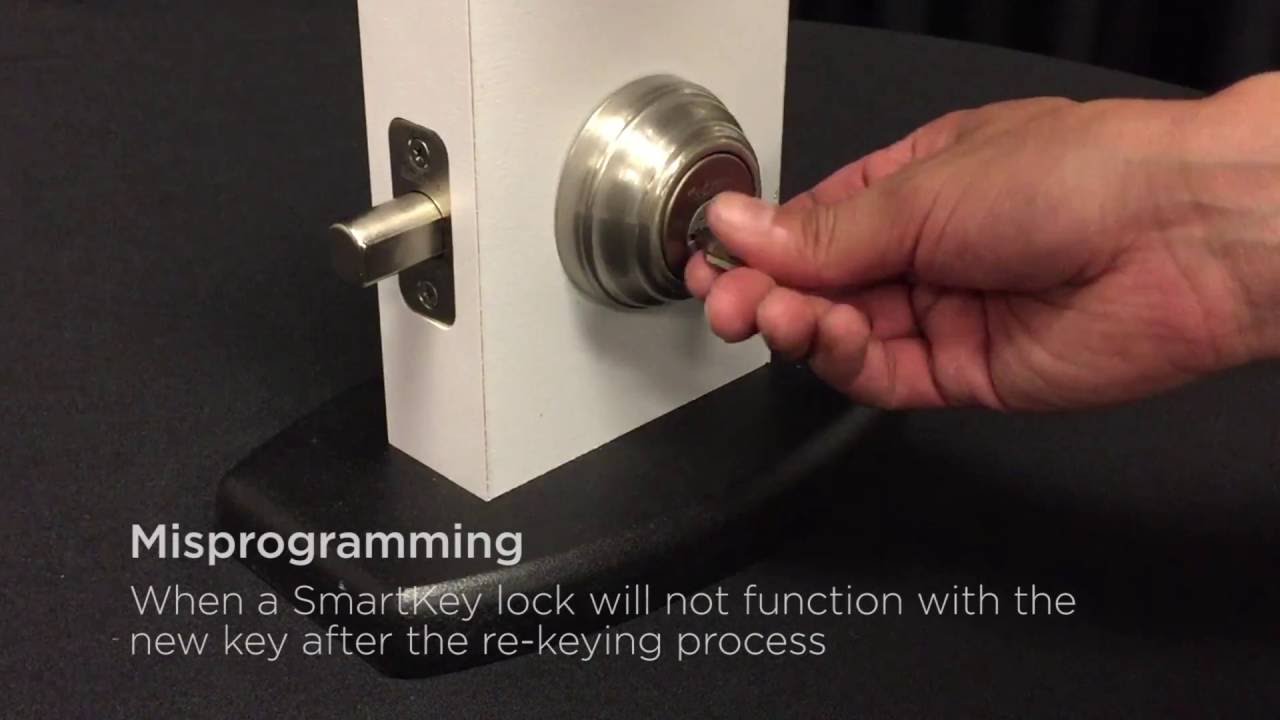
Credit: www.kwikset.com
Types Of Smart Locks Compatible With Smart Keys
Smart keys work with different types of smart locks. Each lock uses a special method to connect with the key. This affects how you open your door and how secure it is. Knowing the types of locks helps you choose the right one for your home or office.
Bluetooth Enabled Locks
Bluetooth locks connect to your smartphone or smart key wirelessly. The lock senses the key when it is nearby. You can unlock the door without taking your phone out. These locks often have apps to manage access and settings.
They work well for people who want quick entry and control. Bluetooth locks need batteries but save you from carrying extra keys. The connection is strong but only works within a short range.
Rfid And Nfc Locks
RFID and NFC locks use small chips in the smart key. These chips send signals to the lock when close. You tap or hold the key near the lock to open it.
RFID is common in office buildings and hotels. NFC is often found in smartphones and cards. Both types offer fast and easy access without a physical key. They need very little power and work well for many users.
Advantages Of Using Smart Keys
Smart keys bring many benefits to modern door locks. They improve safety and make life easier. These keys use technology to secure homes better than traditional locks. Users enjoy quick access without carrying multiple keys. Smart keys also offer control over who enters and when.
Enhanced Security Features
Smart keys use encrypted signals to protect against theft. They cannot be copied like regular keys. Many models include alarms that trigger on forced entry. Some smart locks track entry history for added safety. Temporary access codes can be given to guests or workers. This control helps prevent unauthorized access effectively.
Convenience And Accessibility
Smart keys let you open doors without physical keys. You can use a smartphone app or key fob. No more searching for keys in pockets or bags. Some locks open automatically when you approach. Remote access allows door control from anywhere. This feature is useful for deliveries or visitors. Smart keys also work well for people with limited mobility.
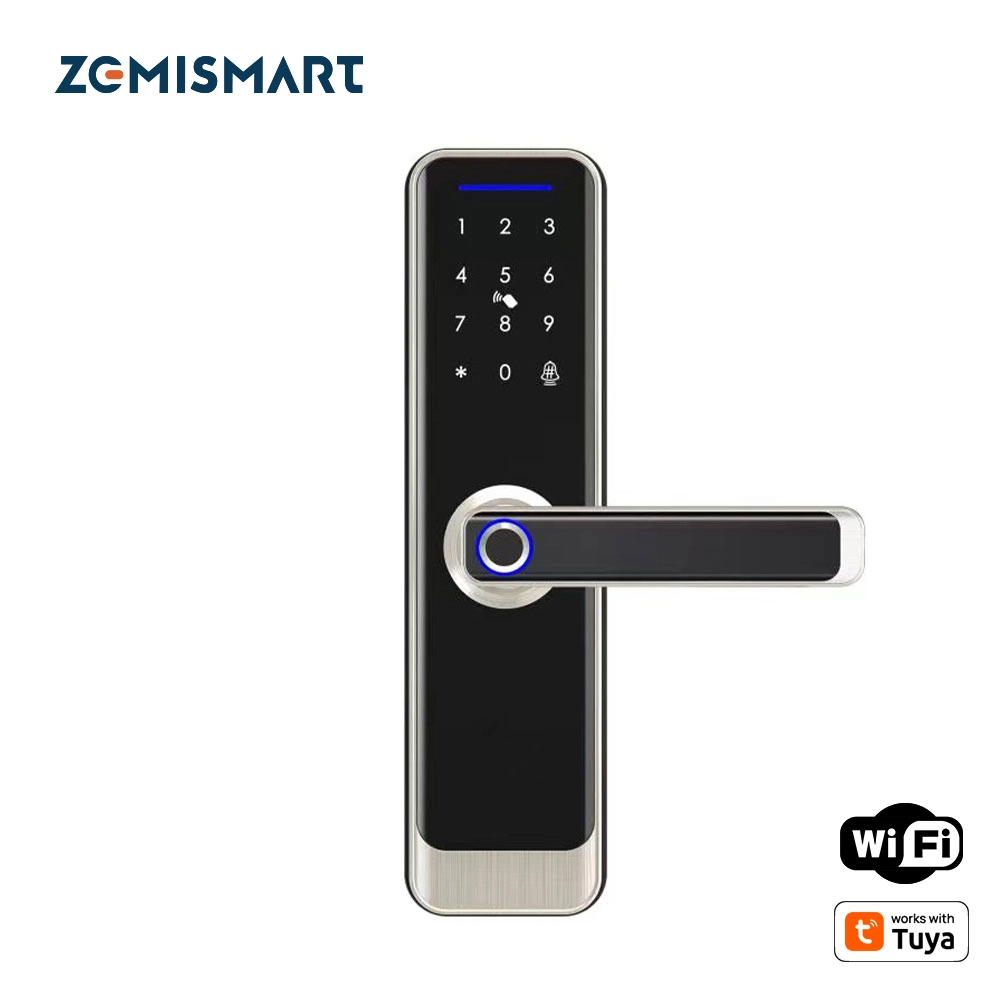
Credit: www.zemismart.com
Common Challenges And Solutions
Smart keys in door locks offer great convenience and security. Yet, users face some common challenges. These problems can affect performance and safety. Understanding these issues helps keep the smart lock working well. Simple solutions can fix most troubles quickly. Here are two main challenges and how to solve them.
Battery Life And Maintenance
Smart keys need power to work. They run on batteries inside the lock. Batteries wear out over time and can die suddenly. This causes the lock to stop working.
Check battery status regularly. Replace batteries every six months or as needed. Use high-quality batteries for better life. Some locks send alerts when batteries run low. Respond to these warnings quickly to avoid lockouts. Keep spare batteries at home for emergencies.
Potential Security Risks
Smart locks face risks from hacking or signal interference. Weak passwords or outdated software make locks vulnerable. Thieves may try to break in digitally or physically.
Use strong, unique passwords for the lock’s app. Update the lock’s software regularly for better protection. Avoid sharing access codes with unknown people. Some locks offer two-factor authentication for extra security. Place the lock in a secure location to prevent tampering.
Future Trends In Smart Key Technology
Smart key technology is evolving fast. New trends aim to make door locks safer and easier to use. These changes will improve how smart keys work in homes and offices. The focus is on better security and smooth integration with other devices.
Integration With Smart Home Systems
Smart keys will connect more with home devices. Locks will sync with lights, alarms, and cameras. This lets users control everything from one app. Remote access will become simpler and more reliable. Homes will become smarter and more secure at once.
Advancements In Biometric Authentication
Biometric features will improve in smart keys. Fingerprint and face recognition will get faster and more accurate. These methods reduce the need for passwords or physical keys. Biometric data will be stored securely to protect privacy. This adds a strong layer of protection to door locks.

Credit: www.amazon.com
Frequently Asked Questions
How Does A Smart Key Unlock A Door Lock?
A smart key communicates wirelessly with the door lock. It sends encrypted signals to verify access. Once verified, the lock activates and opens automatically, providing secure and keyless entry.
What Technology Powers Smart Key Door Locks?
Smart key locks use RFID, Bluetooth, or NFC technology. These allow secure, contactless communication between the key and lock. Advanced encryption protects against hacking and unauthorized access.
Can Smart Keys Work Without Batteries?
Smart keys usually contain batteries to power wireless signals. Some locks have backup mechanical keys for emergencies. Battery status alerts help users replace batteries before failure.
Are Smart Key Door Locks More Secure Than Traditional Locks?
Yes, smart key locks offer enhanced security features like encryption and access logs. They reduce risks of lost keys and lock picking. Remote control and monitoring increase safety.
Conclusion
Smart keys use electronic signals to lock and unlock doors. They offer convenience by removing the need for traditional keys. The system ensures security through unique digital codes. Many smart keys also allow remote access via smartphones. This technology blends safety with ease of use.
Understanding how smart keys work helps in choosing better locks. They represent a practical step toward modern home security. Simple, effective, and user-friendly—smart keys change how we protect homes.