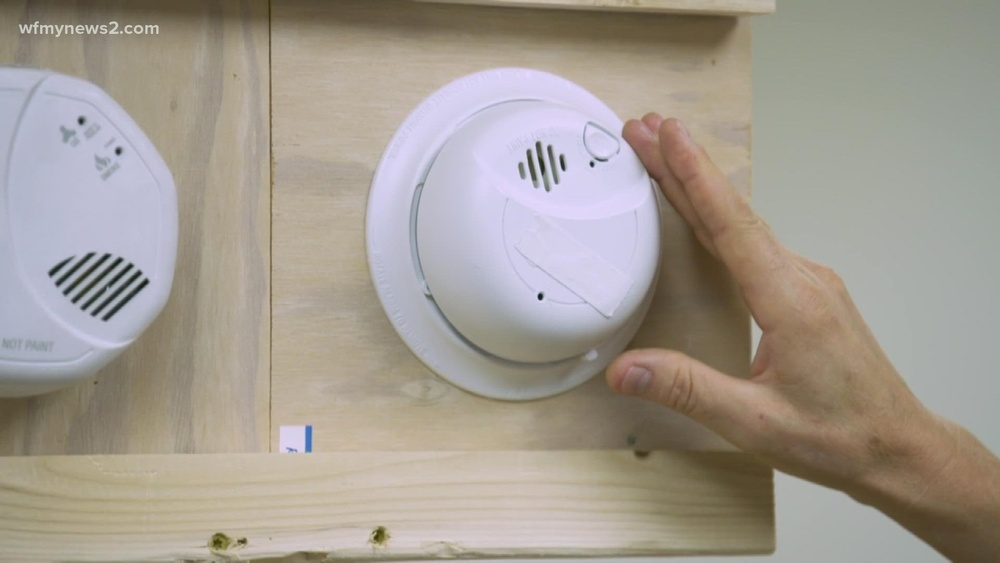

Your smoke detector is your home’s silent guardian, always on alert to keep you safe. But what if its battery is running low?
You might miss the warning signs and put your family at risk without even knowing it. Knowing how to tell if your smoke detector battery is low can make all the difference in an emergency. You’ll discover simple, clear ways to spot when your smoke detector needs a new battery—so you can act fast and keep your home secure.
Keep reading to learn the easy steps that could save lives.

Credit: www.youtube.com
Common Low Battery Alerts
Smoke detectors keep homes safe by warning about fire dangers. Their batteries need regular checks to work well. Low battery alerts help you know when to change batteries.
These alerts come in different forms. Knowing them helps you act fast and keep your home protected.
Intermittent Beeping
The most common alert is a short beep that repeats. It happens every minute or so. This beep is soft but clear. It shows the battery is running low. Don’t ignore this sound. Change the battery as soon as possible.
Chirping Sounds
Some smoke detectors make a chirping noise instead of beeping. Chirps are quick and high-pitched. They happen at regular intervals. This sound is another sign of a weak battery. It alerts you to replace the battery soon.
Flashing Led Indicators
Many smoke detectors use flashing lights to signal battery issues. A red or yellow LED may blink slowly. The flashing often happens with the beeping or chirping. This visual cue helps even in noisy rooms. Look for these blinking lights as a warning.
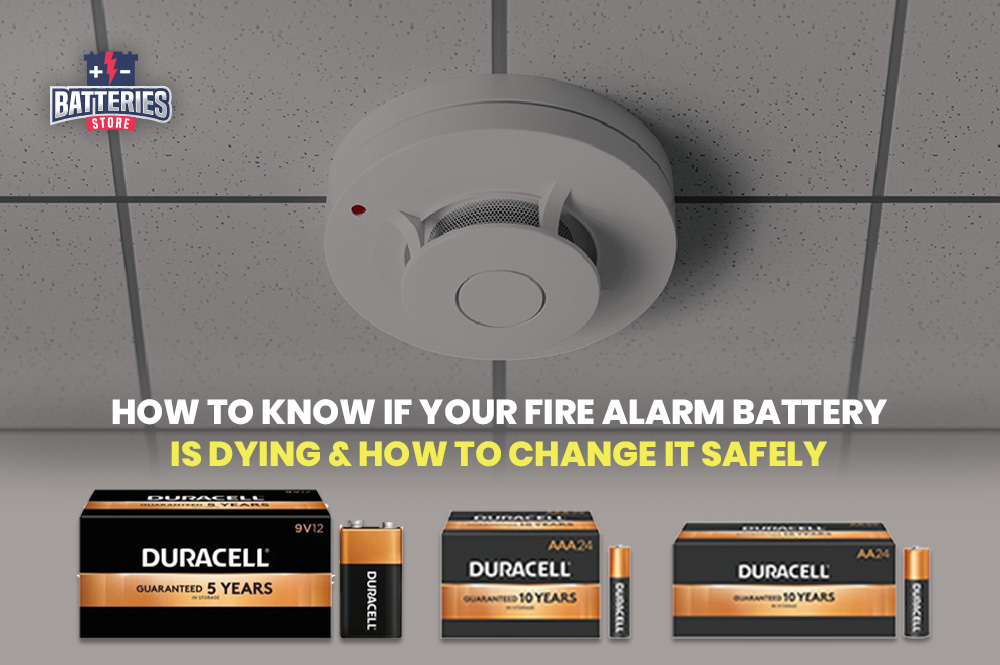
Credit: batteriesstore.ca
Physical Battery Checks
Physical battery checks help ensure your smoke detector works properly. These simple steps can reveal if the battery is weak or dead. Regular checks keep your home safe from fire risks.
Battery Age And Replacement Timeline
Batteries do not last forever. Most smoke detector batteries last about one year. Check the battery’s date to know its age. Replace batteries after one year to avoid failure. Old batteries lose power and may stop working suddenly.
Inspecting Battery Connections
Loose or dirty connections can stop the battery from working. Remove the battery and check the contacts inside the detector. Clean any dust or corrosion with a dry cloth. Make sure the battery fits tightly in place. Secure connections help the detector get power continuously.
Using A Battery Tester
A battery tester shows if the battery still holds charge. Remove the battery and place it on the tester. Read the tester’s results to know battery health. Replace the battery if the tester shows low power. Testing is quick and confirms if the battery needs changing.
Smoke Detector Behavior Changes
Smoke detectors act differently when their batteries run low. Noticing these behavior changes helps you keep your home safe. The signs may seem small but are important to catch early. Watch for changes in how your smoke detector sounds and reacts.
Delayed Alarm Response
A low battery can slow the alarm’s reaction time. Smoke detectors may take longer to sound after sensing smoke. This delay can be dangerous during a fire emergency. Immediate alarm response is crucial for safety.
Weaker Alarm Volume
The alarm sound grows quieter as the battery weakens. A softer alarm is harder to hear from far away. Loud alarms warn everyone in the house clearly. A weak alarm might not alert you in time.
Frequent False Alarms
Low batteries often cause false alarms without real smoke. These false alerts happen more often than normal. They can be annoying and cause you to ignore real warnings. Consistent false alarms signal the need to check the battery.
Preventive Maintenance Tips
Keeping smoke detectors in good working order is key to home safety. Simple steps help avoid false alarms and ensure early fire warnings. Preventive maintenance extends device life and keeps your family safe.
Regular Testing Schedule
Test smoke detectors once a month. Press the test button until you hear a loud beep. This confirms the battery and alarm work well. Mark the testing day on a calendar or set a reminder.
Cleaning Smoke Detectors
Dust and dirt can block smoke sensors. Clean detectors every six months using a vacuum or soft brush. Avoid using water or cleaners inside the unit. Keep vents and openings free of debris.
Choosing The Right Battery Type
Select batteries recommended by the smoke detector maker. Use fresh, high-quality batteries for best results. Replace batteries at least once a year or when the low battery chirp sounds. Avoid mixing old and new batteries.
When To Replace The Battery
Knowing the right time to replace your smoke detector battery is key to keeping your home safe. Batteries lose power over time and need regular changes. Ignoring the battery life can lead to a detector not working during an emergency.
Check your smoke detector often. Replacing the battery at the right moment ensures it stays active and ready to alert you.
Signs Beyond Low Battery
Some signs show the battery needs replacement besides the usual beep. A detector that beeps every minute is a clear warning. Sometimes, the light on the unit may flash slower or weaker.
Other signs include the alarm sounding weak or stopping entirely. Dust or dirt can also affect the detector’s work. Clean the unit to see if the problem continues before changing the battery.
Battery Replacement Steps
Start by removing the smoke detector from the ceiling or wall. Open the battery compartment carefully. Take out the old battery and check its type.
Insert a new battery, matching the correct size and type. Close the compartment tightly and reattach the detector. Press the test button to make sure it works.
Test the alarm regularly to confirm the battery is good. Replace batteries at least once a year for safety.
Disposing Of Old Batteries Safely
Old batteries should never be thrown in the trash. They contain chemicals harmful to the environment. Take them to a battery recycling center or hazardous waste facility.
Many stores offer battery recycling bins. Store old batteries in a safe, dry place until you can dispose of them properly. Safe disposal helps protect the planet and your community.

Credit: www.wirechiefelectric.com
Frequently Asked Questions
How Do I Know If My Smoke Detector Battery Is Low?
A low battery usually causes the smoke detector to emit a loud, intermittent beep every minute or so. This sound signals it’s time to replace the battery immediately.
What Are Common Signs Of A Dying Smoke Detector Battery?
Frequent chirping, dim indicator lights, and failure to test properly are key signs. These symptoms mean the battery is weak or dead.
How Often Should I Replace Smoke Detector Batteries?
Replace smoke detector batteries at least once a year. Regular replacements ensure your detector functions properly and keeps you safe.
Can A Smoke Detector Work Without A Battery?
No, smoke detectors require batteries to operate. Without a battery, they won’t sound an alarm during smoke or fire detection.
Conclusion
A smoke detector with a low battery can fail when you need it most. Regularly check for beeping sounds or flashing lights. Replace batteries at least once a year to stay safe. Don’t wait for a warning; test your detector often.
Keeping batteries fresh helps protect your home and family. Small steps can prevent big dangers. Stay alert, stay safe.