
Have you ever wondered if your smoke detector is really working when it matters most? Your safety—and the safety of everyone in your home—depends on this small device.
But how can you be sure it will alert you to danger? You’ll discover simple, effective ways to check if your smoke detector is ready to protect you. Don’t leave it to chance—read on to learn how to keep your home safe and your mind at ease.
Credit: www.jbsa.mil
Signs Of A Functional Smoke Detector
Knowing if a smoke detector works is very important for safety. A functional smoke detector gives clear signs to show it is ready to protect you. These signs help you trust your device will alert you in case of fire. Understanding these signs can keep your home safer and give you peace of mind.
Regular Beeps And Chirps
Smoke detectors make short beeps or chirps at regular times. These sounds mean the battery is good and the device is working. A steady, soft beep every minute or hour is normal. Loud or frequent beeps may mean the battery is low or the device needs attention.
Visual Indicators
Most smoke detectors have small lights that show their status. A blinking green or red light usually means the device is on and working. A light that stays off or blinks oddly can signal a problem. Check the manual to know what the lights mean for your model.
Test Button Functionality
Pressing the test button lets you check the alarm sound. A loud, clear alarm means the smoke detector works properly. If the sound is weak or silent, replace the battery or the entire device. Test the button once a month to keep your smoke detector ready.
Common Smoke Detector Issues
Smoke detectors keep your home safe by warning you of fires early. Yet, they can face common issues that stop them from working properly. Knowing these problems helps keep your detector ready to protect you.
Many smoke detector problems are easy to fix. Understanding these issues ensures your detector works when it matters most.
Dead Or Weak Batteries
Battery problems are the most common cause of smoke detector failure. A dead or weak battery stops the alarm from sounding. Regularly check and replace batteries to avoid this risk. A simple beep or chirp often signals low battery life.
Dust And Dirt Build-up
Dust and dirt can block the sensor inside the smoke detector. This blockage makes it hard for the detector to sense smoke. Clean the detector gently with a vacuum or soft cloth every few months. Keeping it clean helps it work correctly.
Expired Detectors
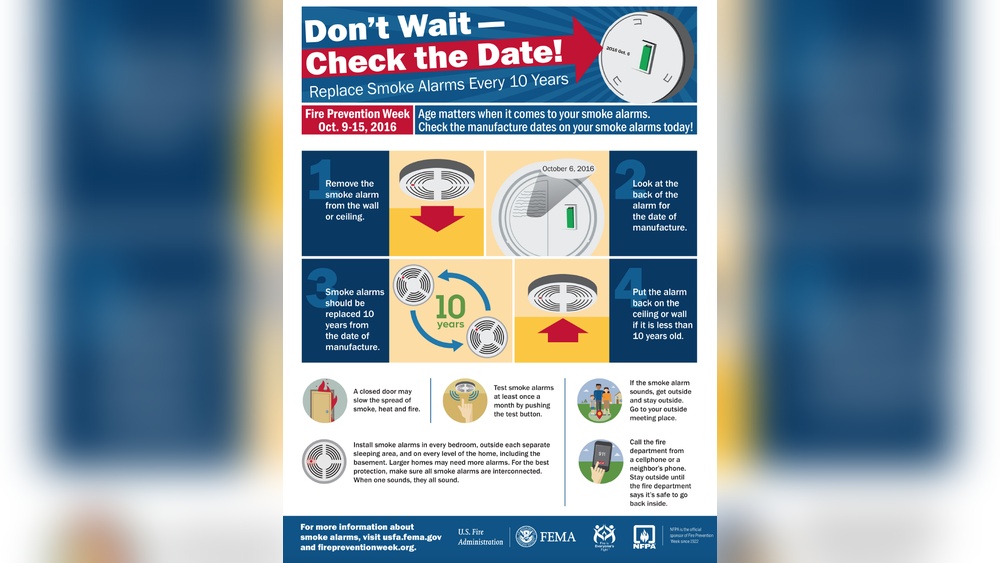
Smoke detectors do not last forever. Most models expire after 8 to 10 years. An old detector may fail to detect smoke. Check the manufacture date on the back of the unit. Replace expired detectors to maintain safety.
Testing Your Smoke Detector
Testing your smoke detector is important for safety. It makes sure the device works right. Regular checks help find problems early. You can use simple methods to test your smoke detector at home. Keep your family safe by knowing how to test it well.
Manual Testing Steps
Find the test button on your smoke detector. Press and hold it for a few seconds. The alarm should sound loudly. If there is no sound, replace the batteries or the unit. Release the button when the alarm stops. This test checks the battery and sound system.
Using Smoke Simulation
Use smoke simulation spray to test the sensor. Spray a small amount near the detector. Do not spray directly on it. Wait for the alarm to sound. This method checks if the smoke sensor works. It gives a more real test than the button.
Frequency Of Testing
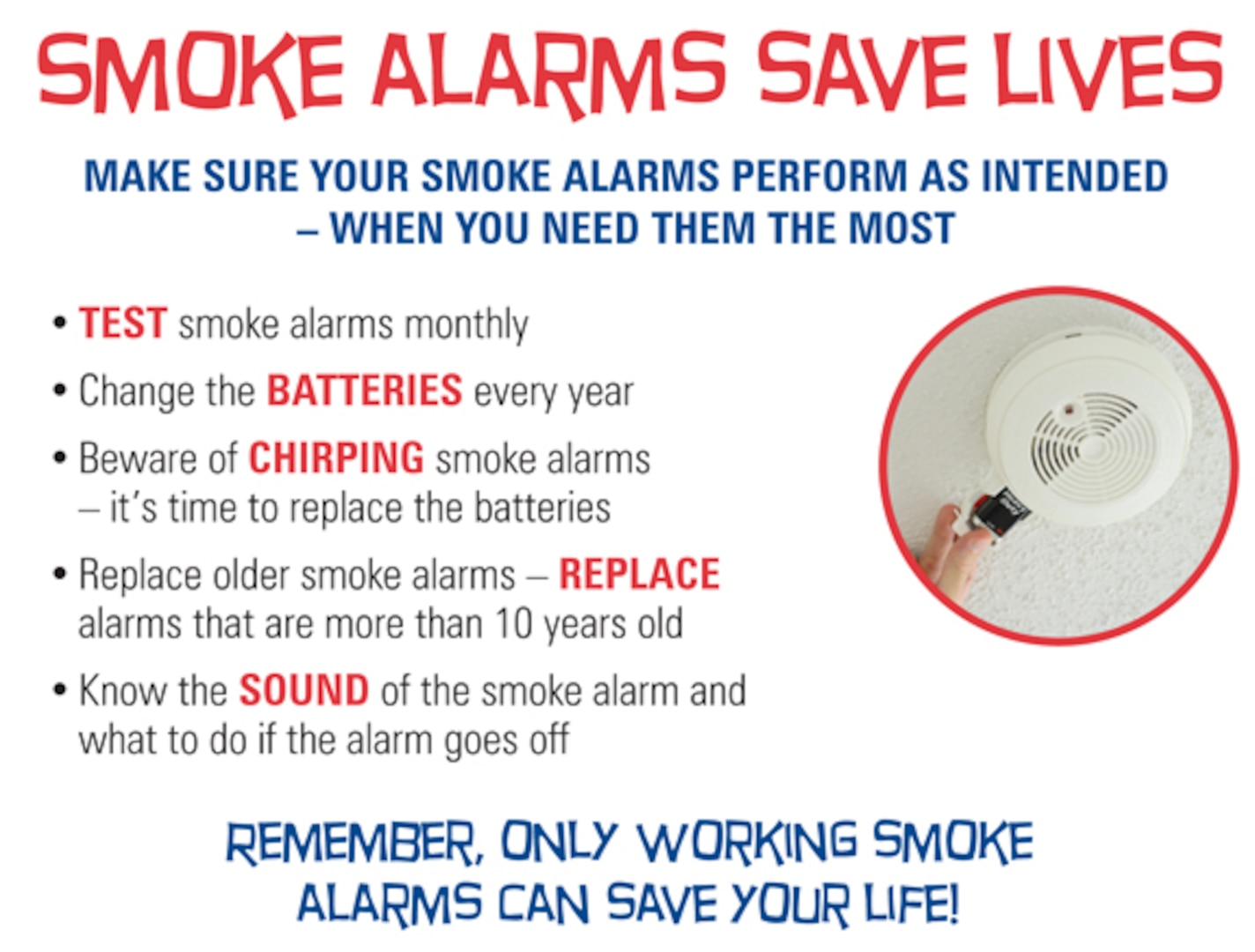
Test your smoke detector once a month. This keeps it in good working order. Change batteries at least once a year. Replace the smoke detector every 10 years. Regular testing helps catch problems early. Safety depends on a working smoke alarm.

Credit: www.wikihow.com
Maintenance Tips For Reliability
Keeping your smoke detector reliable means regular care. Proper maintenance helps the device alert you quickly during danger. Neglect can lead to false alarms or no alarms at all. Follow simple steps to keep your smoke detector working well and protect your home.
Cleaning Procedures
Dust and dirt can block the smoke sensor. Clean the smoke detector every month to keep it clear. Use a soft brush or vacuum with a brush attachment. Gently remove dust from the vents and surface. Avoid using water or cleaning sprays. A clean detector reacts faster to smoke.
Battery Replacement Schedule
Smoke detectors need fresh batteries to work properly. Change batteries at least once a year. Test the alarm monthly by pressing the test button. Replace batteries immediately if the alarm beeps or chirps. Use high-quality batteries for longer life and better safety.
Upgrading Old Detectors
Smoke detectors do not last forever. Most last about 10 years. After this, their sensors may fail. Replace old detectors to ensure safety. New models have better technology and features. Keep your home safe by upgrading outdated alarms.
When To Replace Your Smoke Detector
Knowing when to replace your smoke detector is vital for home safety. Smoke detectors lose effectiveness over time. Old detectors might not alert you during a fire emergency. Regular replacement keeps your home protected.
Age Limits
Smoke detectors usually last about 10 years. Check the manufacture date on the back of the unit. After 10 years, replace the entire smoke detector. Batteries alone do not extend the device’s life.
Performance Decline Signs
False alarms or no alarms at all are warning signs. Dust buildup inside the detector can reduce sensitivity. If your detector fails the monthly test, consider replacing it. Listen for weak or faint beeping sounds.
Technological Advances
New smoke detectors offer better sensors and features. Some models connect to your phone for instant alerts. Modern units can detect different types of fires faster. Upgrading improves safety and peace of mind.
Additional Safety Recommendations
Smoke detectors save lives by alerting you early during a fire. Beyond testing the alarm, follow extra safety tips. These steps help ensure your home stays protected day and night. Read on for key recommendations that improve your smoke detector’s effectiveness.
Proper Placement
Place smoke detectors on every floor of your home. Install one inside and outside each bedroom. Avoid kitchens and bathrooms to reduce false alarms. Mount detectors high on walls or ceilings, near sleeping areas. Good placement ensures smoke reaches the alarm quickly.
Interconnected Systems
Use interconnected smoke alarms for better protection. When one alarm sounds, all alarms ring. This alerts everyone in the house faster. Wired or wireless systems work well. Interconnected alarms improve safety by spreading the warning quickly.
Backup Power Options
Choose smoke detectors with backup batteries. Power outages can happen anytime. Backup batteries keep alarms working without electricity. Replace batteries every six months to avoid failure. Reliable power keeps your home safe all the time.

Credit: redsmokealarms.com.au
Frequently Asked Questions
How Often Should I Test My Smoke Detector?
Test your smoke detector monthly to ensure it works properly. Press the test button until you hear the alarm. Replace batteries annually or when the alarm sounds weak or chirps.
What Indicates A Smoke Detector Is Working?
A working smoke detector emits a loud, clear alarm when tested. It also has a steady or blinking light showing power status. Regular tests confirm its functionality.
Can Expired Smoke Detectors Still Work Safely?
Expired smoke detectors may not detect smoke reliably. Most have a lifespan of 8-10 years. Replace detectors after this period to ensure optimal safety.
How Do I Know If The Smoke Detector Battery Is Low?
Low battery smoke detectors emit a chirping sound every 30-60 seconds. This alerts you to replace the battery immediately to maintain safety.
Conclusion
A working smoke detector keeps your home safe. Test it monthly to ensure it works well. Replace batteries regularly to avoid failure. Clean the device to stop dust buildup. Listen for the beep when testing. Remember, a silent detector can’t warn you.
Stay alert and protect your loved ones. Safety starts with simple, regular checks. Don’t wait for danger to act. A small effort saves lives.