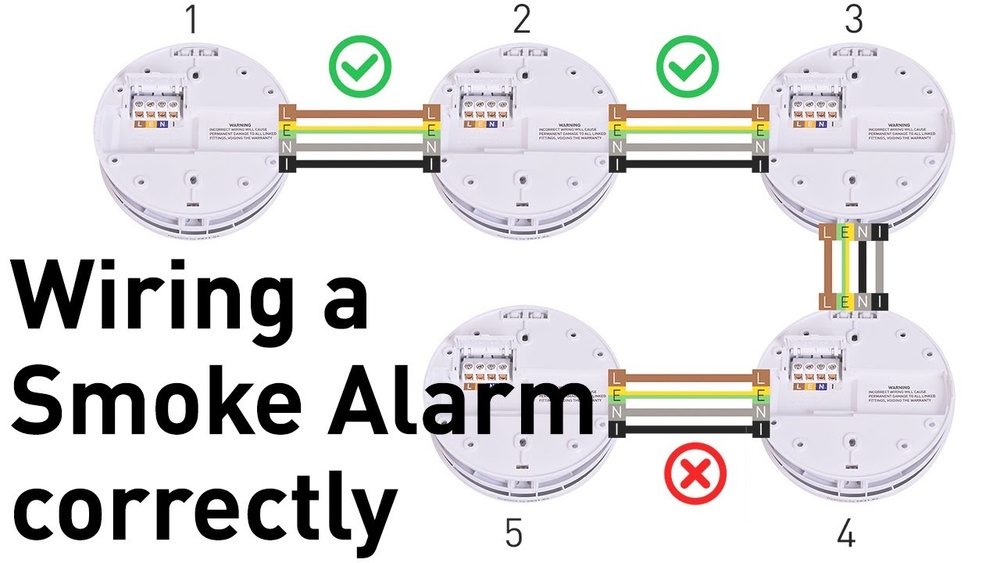

Your home’s safety starts with smoke detectors, but simply having them isn’t enough—they need to be wired correctly to work when it matters most. If you’re wondering how to wire in smoke detectors the right way, you’re in the right place.
This guide will walk you through easy steps to ensure your smoke alarms are connected properly, keeping your family safe without confusion or guesswork. By the end, you’ll feel confident handling the wiring yourself or knowing exactly what to ask a professional.
Ready to protect your home smarter? Let’s get started.

Credit: www.support.getzooz.com
Choosing The Right Smoke Detectors
Choosing the right smoke detector is key for home safety. It ensures quick alerts during fire emergencies. Picking the best type and model fits your home’s needs. Proper placement also boosts the device’s effectiveness. Understanding these factors helps protect your family better.
Types Of Smoke Detectors
Smoke detectors mainly come in two types: ionization and photoelectric. Ionization detectors sense fast, flaming fires. Photoelectric detectors spot slow, smoldering fires. Some models combine both types for full protection. Choose one based on your home’s risk factors and layout.
Battery Vs. Hardwired Models
Battery smoke detectors are easy to install and move. They work even if the power goes out. Hardwired detectors connect to your home’s electricity. They often have battery backups for power failures. Hardwired models can link with other alarms for a full system alert.
Placement Tips
Install smoke detectors on every floor, including the basement. Place them near bedrooms and living areas. Avoid kitchens and bathrooms to reduce false alarms. Mount detectors on ceilings or high on walls. Keep them away from windows and vents to catch smoke early.
Credit: www.familyhandyman.com
Gathering Tools And Materials
Before wiring smoke detectors, gather all necessary tools and materials. Proper preparation makes the job easier and safer. Using the right tools helps ensure a correct installation. Safety gear protects you during the work. Take time to collect everything you need.
Essential Tools
Start with a screwdriver set to fit screws and terminals. A wire stripper removes insulation from wires cleanly. A voltage tester checks power before you touch wires. Use a drill for mounting detectors on ceilings or walls. Electrical tape secures wire connections safely. Keep a ladder nearby for reaching high spots.
Safety Equipment
Wear safety goggles to protect your eyes from dust and debris. Use insulated gloves to avoid electric shock. Have a flashlight ready for working in dim areas. Ear protection is useful if drilling creates loud noise. Dress in long sleeves and pants to prevent scrapes. Safety is the first step in any wiring task.
Preparing Your Home Wiring
Preparing your home wiring is a key step before installing smoke detectors. It ensures safety and proper function of the devices. You must handle electrical wiring with care to avoid accidents. Understanding your current wiring setup helps to connect new smoke detectors correctly.
Turning Off Power Safely
Start by turning off the power to the area where you will work. Use the main circuit breaker to cut power. Confirm the power is off by testing light switches or using a voltage tester. Never skip this step. It prevents electric shocks and keeps you safe.
Locating Existing Wiring
Find the current wiring that supplies electricity to your smoke detectors or lights. Use a voltage tester to trace wires in walls or ceilings. Look for junction boxes or electrical panels nearby. Knowing the wiring path makes installation easier and more accurate.
Checking Electrical Codes
Review local electrical codes before starting work. Codes tell you how to install smoke detectors safely and legally. Follow rules about wiring types, circuit loads, and placement of devices. This avoids fines and ensures your home meets safety standards.
Wiring Smoke Detectors Step-by-step
Wiring smoke detectors correctly is essential for home safety. This guide breaks down the process into simple steps. Follow each step carefully for a secure and reliable setup.
Connecting Power Wires
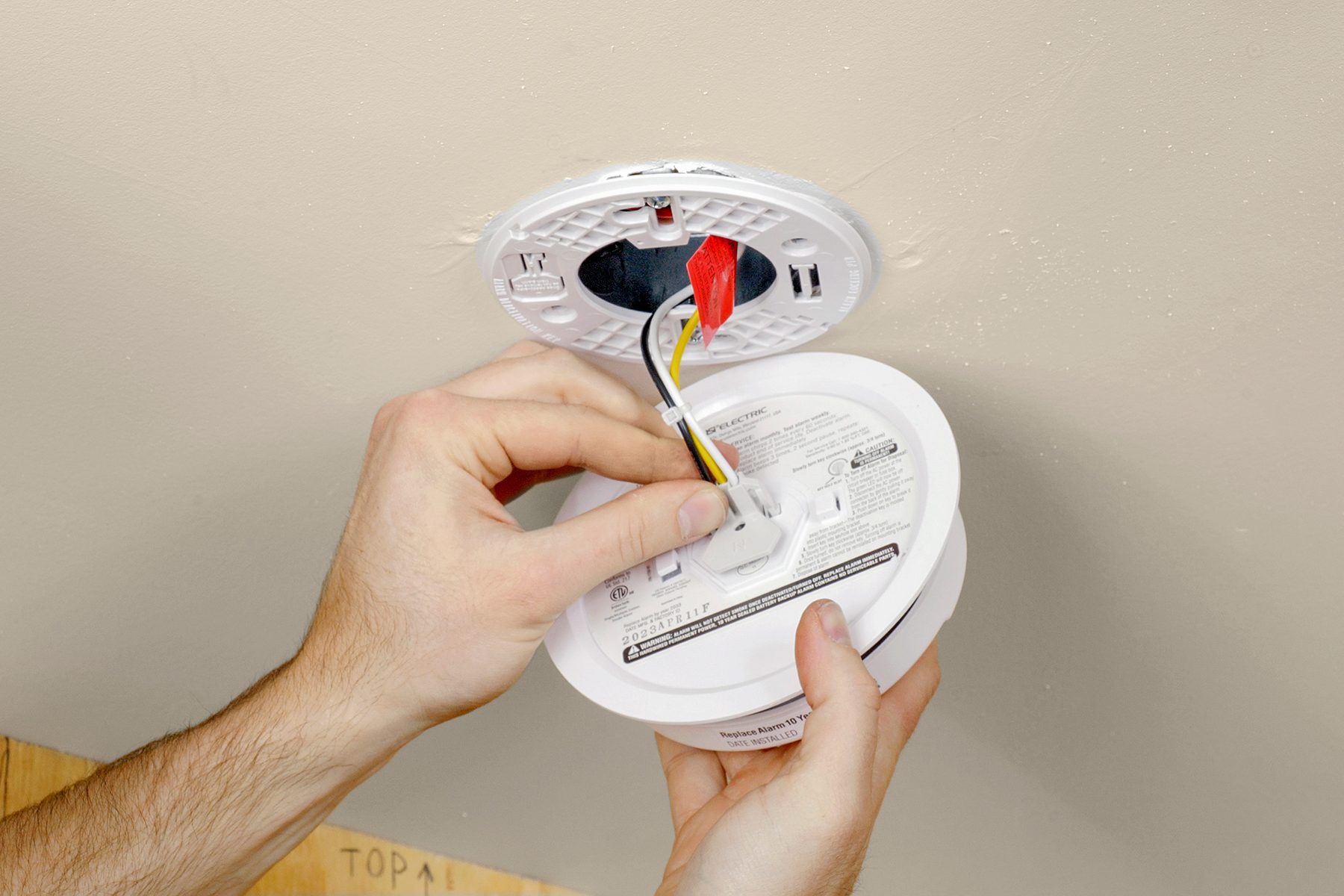
Start by turning off the main power supply. Locate the electrical box where the detector will connect. Identify the black (hot), white (neutral), and ground wires. Twist the black wire from the detector to the home’s black wire. Connect the white wire from the detector to the home’s white wire. Attach the ground wire to the grounding screw or wire. Use wire nuts to secure all connections tightly. Double-check each connection before restoring power.
Linking Multiple Detectors
Most homes need more than one smoke detector. Connect detectors in a series to alert all units simultaneously. Use the interconnect wire terminal on each detector. Attach the interconnect wire from one detector to the next. Ensure the wiring matches the manufacturer’s instructions exactly. Test the link by pressing the test button on one unit. All detectors should sound together. This setup improves safety by providing early warnings everywhere.
Mounting The Detector
Choose a ceiling or high wall location for the detector. Avoid corners and areas near vents. Use the mounting bracket that comes with the detector. Secure the bracket with screws to the chosen spot. Attach the detector to the bracket by twisting or snapping it in place. Ensure it fits firmly and does not wobble. Test the detector to confirm it works before finishing the installation.
Testing And Maintenance
Testing and maintenance keep smoke detectors working correctly. A well-maintained detector can save lives by alerting you early. Regular checks ensure the device reacts fast to smoke or fire.
Smoke detectors need simple, routine care. Testing confirms the alarm sounds loud and clear. Maintenance extends the life of your system.
Initial Testing Procedures
Start by pressing the test button on the detector. Hold it until you hear a loud beep. This sound shows the alarm works. Test every new smoke detector after installation. Check that the power supply is connected. Ensure the device responds quickly to the test.
Regular Maintenance Tips
Clean the smoke detector every month. Use a soft brush or vacuum to remove dust. Dust can block sensors and cause false alarms. Replace batteries at least once a year. Some models have a low battery warning beep. Change the entire smoke detector every 10 years. Old devices may not detect smoke well.
Troubleshooting Common Issues
If the alarm beeps frequently, check the battery first. Replace it with a new one to stop false alarms. Clean the detector if it signals without smoke. Check wiring connections if the device does not work. Reset the detector by pressing the test button again. Consult the user manual for specific fixes.
:max_bytes(150000):strip_icc()/install-hardwired-smoke-detectors-1152329-08-7adda3e3f25b408ca859f1f792f626e3.jpg)
Credit: www.thespruce.com
Safety Precautions And Tips
Wiring smoke detectors needs careful attention to safety. Mistakes can cause electric shock or fire risks. Follow simple rules to protect yourself and your home.
Avoiding Electrical Hazards
Always turn off power at the breaker before starting. Use a voltage tester to confirm no power flows to wires. Wear insulated gloves to reduce shock risk. Keep tools dry and use insulated handles. Avoid working in wet or damp areas. Never touch wires with bare hands. Secure connections tightly to prevent sparks or shorts. Use wire nuts and electrical tape to cover exposed wires.
When To Call A Professional
Call an electrician if you feel unsure about wiring. Complex wiring or old electrical systems need expert care. Professionals ensure smoke detectors work correctly and safely. If your home has no grounding, hire a pro to add it. Faulty wiring can cause false alarms or fail to alert. Save time and avoid danger by trusting experts with tough jobs.
Frequently Asked Questions
How Do I Wire Multiple Smoke Detectors Together?
To wire multiple smoke detectors, connect them in a series using interconnect wiring. This ensures all alarms sound when one detects smoke. Use a 3-wire cable, including a neutral, hot, and interconnect wire, following the manufacturer’s instructions carefully.
What Tools Are Needed To Wire Smoke Detectors?
You need a voltage tester, wire stripper, screwdriver, drill, and electrical tape. These tools help safely connect wires and mount detectors. Always turn off power before starting to avoid electrical shock.
Can I Wire Smoke Detectors Without Professional Help?
Yes, if you follow instructions carefully and understand basic electrical wiring. Always turn off the power and test detectors after installation. If unsure, consult a licensed electrician for safety.
Where Should Smoke Detectors Be Wired In A Home?
Install smoke detectors on ceilings or high on walls, near bedrooms and hallways. Avoid kitchens and bathrooms to reduce false alarms. Connect detectors to the home’s electrical system for consistent power.
Conclusion
Wiring smoke detectors helps keep your home safe. Follow each step carefully to avoid mistakes. Test each detector after wiring to ensure it works well. Regular checks keep your system reliable and ready. Protect your family with properly installed smoke alarms.
Stay safe and confident with your wiring skills. Safety starts with good preparation and clear instructions. Simple steps can save lives in emergencies. Don’t skip any part of the process. Your home deserves the best protection possible.